Kirjojen hintavertailu. Mukana 12 016 292 kirjaa ja 12 kauppaa.

Kirjahaku

Etsi kirjoja tekijän nimen, kirjan nimen tai ISBN:n perusteella.

7 kirjaa tekijältä Tudor Jones

Remaking the Labour Party

Remaking the Labour Party

Tudor Jones

Routledge
1996
sidottu
Remaking the Labour Party examines the development of revisionist thought in the Labour Party from the 1950s up to Tony Blair's successful attempt to rewrite Clause Four in April 1995. The main focus is upon the most distinctive and controversial aspect of Labour revisionism - its attitude toward public ownership and socialism, private ownership and the mixed economy.Remaking the Labour Party comprises a detailed study of a process of ideological conflict which began with the Labour Party's debate in the 1950s over the link between public ownership and socialism. The deepening confrontation that arose from the revisionist thinking of Crosland and Gaitskell is explored in the Clause Four controversy of 1959-60 and in the uneasy compromise forged in its aftermath. The period of ideological truce under Harold Wilson's leadership is examined, together with the bitter conflict that later resurfaced in the party during the 1970s and early 80s. Finally, the study focuses on the second stage of Labour's policy and ideological rethinking which developed after 1983 under the leadership first of Neil Kinnock and then of Tony Blair.Drwing on the author's own interviews with some of the leading protagonists of the debate, as well as upon a wide range of primary and secondary sources, Remaking the Labour Party will be of value to students of modern British politics and political thought, it will also be of interest to observers and members of the Labour Party.
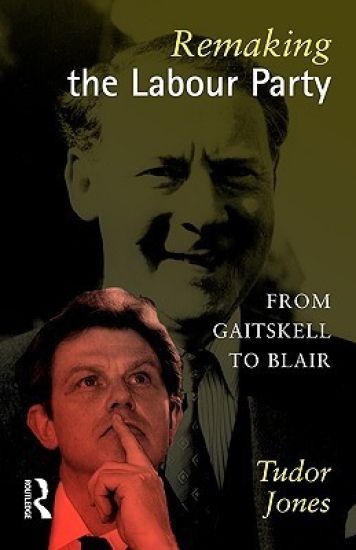
Remaking the Labour Party

Remaking the Labour Party

Tudor Jones

Routledge
1996
nidottu
Remaking the Labour Party examines the development of revisionist thought in the Labour Party from the 1950s up to Tony Blair's successful attempt to rewrite Clause Four in April 1995. The main focus is upon the most distinctive and controversial aspect of Labour revisionism - its attitude toward public ownership and socialism, private ownership and the mixed economy.Remaking the Labour Party comprises a detailed study of a process of ideological conflict which began with the Labour Party's debate in the 1950s over the link between public ownership and socialism. The deepening confrontation that arose from the revisionist thinking of Crosland and Gaitskell is explored in the Clause Four controversy of 1959-60 and in the uneasy compromise forged in its aftermath. The period of ideological truce under Harold Wilson's leadership is examined, together with the bitter conflict that later resurfaced in the party during the 1970s and early 80s. Finally, the study focuses on the second stage of Labour's policy and ideological rethinking which developed after 1983 under the leadership first of Neil Kinnock and then of Tony Blair.Drwing on the author's own interviews with some of the leading protagonists of the debate, as well as upon a wide range of primary and secondary sources, Remaking the Labour Party will be of value to students of modern British politics and political thought, it will also be of interest to observers and members of the Labour Party.
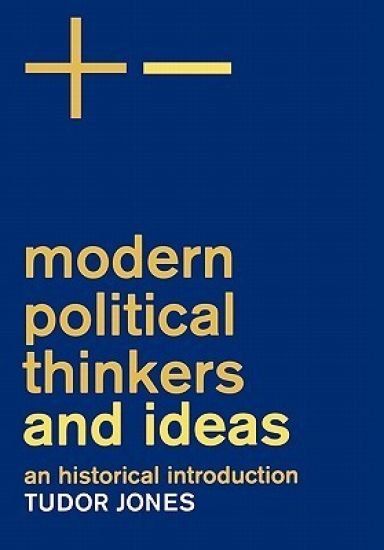
Modern Political Thinkers and Ideas
Modern Political Thinkers and Ideas is an exciting new text that provides students with a clearly presented introduction to some of the key areas of modern political thought. Uniquely combining historical and philosophical approaches to the subject, it describes the writings and ideas of the most influential thinkers of the modern era.Modern Political Thinkers and Ideas features:* the main concepts in modern political theory such as: the State and Sovereignty; Political Obligation and Civil Disobedience; Liberty; Rights; Equality and Justice; Democracy* the ideas of key thinkers such as: Machiavelli; Hobbes; Locke; Paine; Rousseau; Burke; Mill; Bentham; Marx; Rawls; Hayek* a clear and instructive framework for each chapter which provides students with: (a) the significance of each concept in modern political thought; (b) what major political thinkers had to say about each concept; and (c) the relevance of key concepts to contemporary argument and debate.
Modern Political Thinkers and Ideas
Modern Political Thinkers and Ideas is an exciting new text that provides students with a clearly presented introduction to some of the key areas of modern political thought. Uniquely combining historical and philosophical approaches to the subject, it describes the writings and ideas of the most influential thinkers of the modern era.Modern Political Thinkers and Ideas features:* the main concepts in modern political theory such as: the State and Sovereignty; Political Obligation and Civil Disobedience; Liberty; Rights; Equality and Justice; Democracy* the ideas of key thinkers such as: Machiavelli; Hobbes; Locke; Paine; Rousseau; Burke; Mill; Bentham; Marx; Rawls; Hayek* a clear and instructive framework for each chapter which provides students with: (a) the significance of each concept in modern political thought; (b) what major political thinkers had to say about each concept; and (c) the relevance of key concepts to contemporary argument and debate.
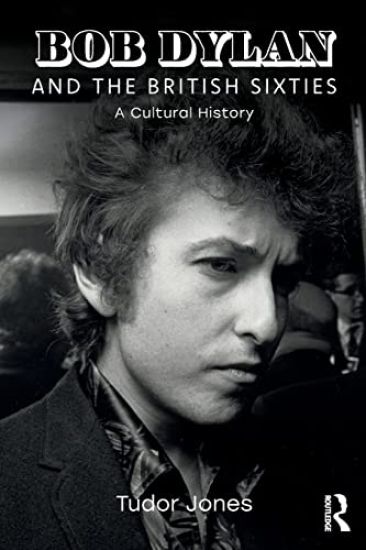
Bob Dylan and the British Sixties
Britain played a key role in Bob Dylan's career in the 1960s. He visited Britain on several occasions and performed across the country both as an acoustic folk singer and as an electric-rock musician. His tours of Britain in the mid-1960s feature heavily in documentary films such as D.A. Pennebaker's Don't Look Back and Martin Scorsese's No Direction Home and the concerts contain some of his most acclaimed ever live performances. Dylan influenced British rock musicians such as The Beatles, The Animals, and many others; they, in turn, influenced him.Yet this key period in Dylan's artistic development is still under-represented in the extensive literature on Dylan. Tudor Jones rectifies that glaring gap with this deeply researched, yet highly readable, account of Dylan and the British Sixties. He explores the profound impact of Dylan on British popular musicians as well as his intense, and at times fraught, relationship with his UK fan base. He also provides much interesting historical context – cultural, social, and political – to give the reader a far greater understanding of a defining period of Dylan's hugely varied career. This is essential reading for all Dylan fans, as well as for readers interested in the tumultuous social and cultural history of the 1960s.
Bob Dylan and the British Sixties
Britain played a key role in Bob Dylan's career in the 1960s. He visited Britain on several occasions and performed across the country both as an acoustic folk singer and as an electric-rock musician. His tours of Britain in the mid-1960s feature heavily in documentary films such as D.A. Pennebaker's Don't Look Back and Martin Scorsese's No Direction Home and the concerts contain some of his most acclaimed ever live performances. Dylan influenced British rock musicians such as The Beatles, The Animals, and many others; they, in turn, influenced him.Yet this key period in Dylan's artistic development is still under-represented in the extensive literature on Dylan. Tudor Jones rectifies that glaring gap with this deeply researched, yet highly readable, account of Dylan and the British Sixties. He explores the profound impact of Dylan on British popular musicians as well as his intense, and at times fraught, relationship with his UK fan base. He also provides much interesting historical context – cultural, social, and political – to give the reader a far greater understanding of a defining period of Dylan's hugely varied career. This is essential reading for all Dylan fans, as well as for readers interested in the tumultuous social and cultural history of the 1960s.
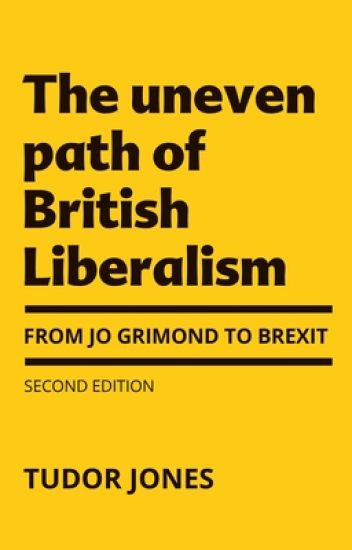
The Uneven Path of British Liberalism

The Uneven Path of British Liberalism

Tudor Jones

Manchester University Press
2019
sidottu
This book charts the development of political thought within the British Liberal Party and its successor, the Liberal Democrats. Beginning with Jo Grimond’s rise to the leadership in 1956, it follows the Liberal resurgence in the second half of the twentieth century through to the major setbacks of the 2015 general election and the 2016 referendum on UK membership of the European Union. Drawing on interviews with leading politicians and political thinkers, the book examines Liberal ideas against the background of key historical events and controversies, including the period of coalition government with the Conservatives.