Kirjojen hintavertailu. Mukana 11 627 362 kirjaa ja 12 kauppaa.

Kirjahaku

Etsi kirjoja tekijän nimen, kirjan nimen tai ISBN:n perusteella.

5 kirjaa tekijältä Turkka Keinonen

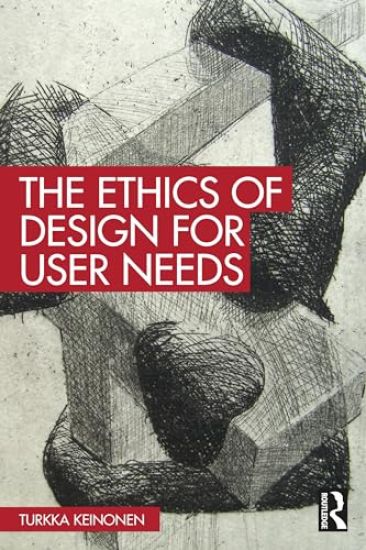
The Ethics of Design for User Needs

The Ethics of Design for User Needs

Turkka Keinonen

TAYLOR FRANCIS LTD
2024
sidottu
This book offers an inquiry into the ethics of ‘human needs capture’ for design purposes by drawing upon ethical theories and narratives. Designers have historically relied upon the satisfaction of human needs as a moral justification for their profession. This volume offers an alternative critique to challenge this perspective, arguing that seeking to satisfy needs doesn't offer sufficient moral justification on its own. It presents an extensive ethical analysis of the notion of need and develops a thought-provoking case for a plural reconceptualisation of the notion of ‘need’ as user-based knowledge about product and service improvement opportunities. It does this by drawing upon a range of ethical approaches including Soran Reader’s needs ethics, classical utilitarianism, Robert Nozick’s libertarian philosophy, and John Rawls’ theory of justice. The book goes on to link these approaches to concepts guiding design such as human-centred design, collaborative design, and end user innovation. Written as a dialogue between a designer and his consciousness, the book underlines the deliberative nature of applied design ethics, and also highlights how consciousness challenges designers to solve their moral dilemmas. This engaging format invites readers to become an intimate part of the ‘discussion’. This book will be of interest to students and academics studying product design, industrial design, interaction design, user experience design, design ethics, and sustainable development.
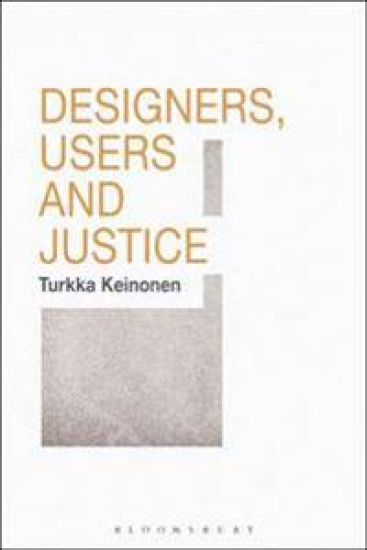
Designers, Users and Justice

Designers, Users and Justice

Turkka Keinonen

Bloomsbury Visual Arts
2021
nidottu
How do we design for users? How might users best participate in the design process? How can we evaluate the user's experience of designed products and services? These fundamental questions are addressed in Designers, Users, and Justice, through a series of dialogues between a design scholar and a designer. In a series of conversations, the scholar and the designer address the concepts and practice of user centred design, examining whether a 'just method' necessarily leads to a just design, consider different models for understanding user experience and socially productive design, including the capability approach and utilitarianism, and ponder how an ethical framework for evaluating design might be developed. Throughout, the scholar and the designer draw on their particular experiences in design practice and design education, and propose alternative conceptualisations of the key ideas of user centred design, highlighting and seeking to address the ethical shortcomings of mainstream user centred design practice.
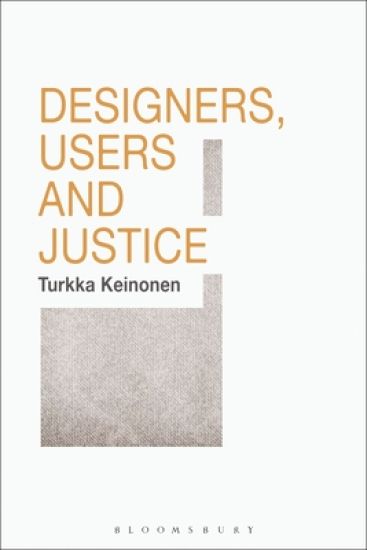
Designers, Users and Justice

Designers, Users and Justice

Turkka Keinonen

Bloomsbury Academic
2017
nidottu
How do we design for users? How might users best participate in the design process? How can we evaluate the user's experience of designed products and services? These fundamental questions are addressed in Designers, Users, and Justice, through a series of dialogues between a design scholar and a designer. In a series of conversations, the scholar and the designer address the concepts and practice of user centred design, examining whether a 'just method' necessarily leads to a just design, consider different models for understanding user experience and socially productive design, including the capability approach and utilitarianism, and ponder how an ethical framework for evaluating design might be developed. Throughout, the scholar and the designer draw on their particular experiences in design practice and design education, and propose alternative conceptualisations of the key ideas of user centred design, highlighting and seeking to address the ethical shortcomings of mainstream user centred design practice.
Designers, Users and Justice

Designers, Users and Justice

Turkka Keinonen

Bloomsbury Academic
2017
sidottu
How do we design for users? How might users best participate in the design process? How can we evaluate the user's experience of designed products and services? These fundamental questions are addressed in Designers, Users, and Justice, through a series of dialogues between a design scholar and a designer. In a series of conversations, the scholar and the designer address the concepts and practice of user centred design, examining whether a 'just method' necessarily leads to a just design, consider different models for understanding user experience and socially productive design, including the capability approach and utilitarianism, and ponder how an ethical framework for evaluating design might be developed. Throughout, the scholar and the designer draw on their particular experiences in design practice and design education, and propose alternative conceptualisations of the key ideas of user centred design, highlighting and seeking to address the ethical shortcomings of mainstream user centred design practice.
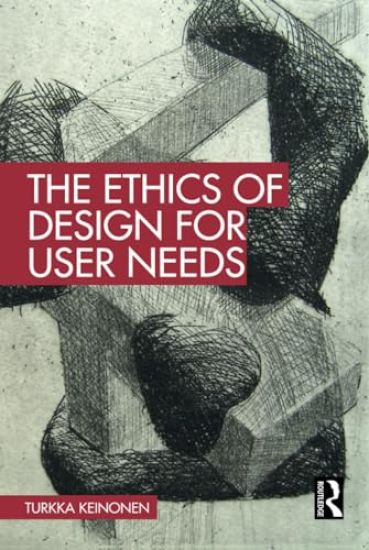
The Ethics of Design for User Needs

The Ethics of Design for User Needs

Turkka Keinonen

TAYLOR FRANCIS LTD
2026
nidottu
This book offers an inquiry into the ethics of ‘human needs capture’ for design purposes by drawing upon ethical theories and narratives. Designers have historically relied upon the satisfaction of human needs as a moral justification for their profession. This volume offers an alternative critique to challenge this perspective, arguing that seeking to satisfy needs doesn't offer sufficient moral justification on its own. It presents an extensive ethical analysis of the notion of need and develops a thought-provoking case for a plural reconceptualisation of the notion of ‘need’ as user-based knowledge about product and service improvement opportunities. It does this by drawing upon a range of ethical approaches including Soran Reader’s needs ethics, classical utilitarianism, Robert Nozick’s libertarian philosophy, and John Rawls’ theory of justice. The book goes on to link these approaches to concepts guiding design such as human-centred design, collaborative design, and end user innovation. Written as a dialogue between a designer and his consciousness, the book underlines the deliberative nature of applied design ethics, and also highlights how consciousness challenges designers to solve their moral dilemmas. This engaging format invites readers to become an intimate part of the ‘discussion’. This book will be of interest to students and academics studying product design, industrial design, interaction design, user experience design, design ethics, and sustainable development.