Kirjojen hintavertailu. Mukana 11 425 274 kirjaa ja 12 kauppaa.

Kirjahaku

Etsi kirjoja tekijän nimen, kirjan nimen tai ISBN:n perusteella.

15 kirjaa tekijältä Twigs Way

Allotments

Allotments

Twigs Way

Shire Publications
2008
nidottu
The humble allotment has a surprisingly turbulent history. Initially the right to an allotment was proposed as a charitable means by which the poor could grow their own food and stave off starvation, but it quickly entered political and social debate. During the World Wars the allotment became the focal point on the home front, as families took part in the Dig for Victory campaigns. The post-war years saw a decline in the popularity of the allotment as the supermarket took over from home-grown produce. Successive governments condemned allotments in favour of new housing. Recently, however, with increased concerns about the environment and the organic movement, allotments are in vogue once more. This book charts the rise and fall of the allotment - and the factors behind its most recent resurgence. Drawing on original documents and illustrations, the author explores the fascinating and surprising history of the allotment within the context of its social and political history.
Garden Gnomes

Garden Gnomes

Twigs Way

Shire Publications
2009
nidottu
This is the intriguing story of garden gnomes and how they have come to reside in the flowerbeds of gardens across Britain. Originating in Europe, gnomes made the leap across the channel in the nineteenth century, where they were welcomed warmly by wealthy Brits who saw them as the must-have garden accessory. But the fortunes of the humble gnome were not to last, and they soon found themselves sneered at by serious gardeners. Turned away from fashionable gardens, the little gnomes found a friend in many a working class gardener, who adopted them in increasing numbers, and in a variety of humorous poses. Today, gnomes are as popular with the masses as ever, and this entertaining illustrated history will appeal to those who love, and hate, these small bearded characters.
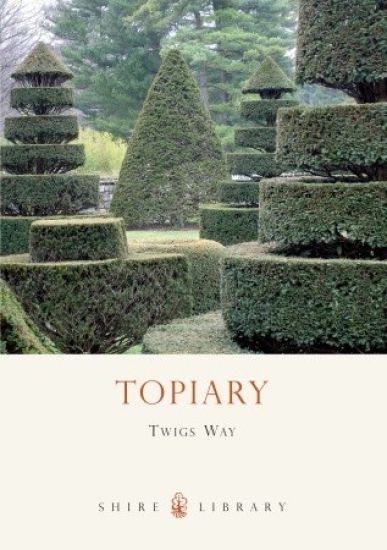
Topiary

Topiary

Twigs Way

Shire Publications
2010
nidottu
Topiary, the art of creating sculpture in clipped plants, originated with the Romans and experienced periods of popularity during the Renaissance and Jacobean eras. However, as the fervour for 'natural' landscapes swept through Europe in the eighteenth century, fashion mocked the few gardeners who continued to clip, and in 1890, William Robinson claimed that 'a man with shears in his hands is doing fool's work'. But as 'ye old Englishe garden' found favour again, so the chess pieces, crowns and artful peacocks broke cover. Today, topiary has seen a revival, and amateurs in the art can purchase 'preformed' rabbits and deer to graze suburban lawns.
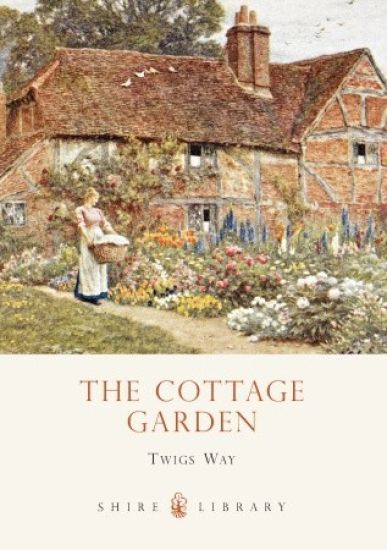
The Cottage Garden

The Cottage Garden

Twigs Way

Shire Publications
2011
nidottu
Hollyhocks and cabbages, roses and runner beans: the English cottage garden combined beauty and utility, pride and productivity. But what was the reality of the space immortalised in images of thatched cottages with floral borders and ducks on the path? For many the garden was crucial in keeping food on the table, for many simply a status symbol and blaze of colour; and gardens did not just appeal to the senses, but played a philosophical and moral role in society, and thus in our social history. Visions of the rural cottager were never far from the mind of the Victorian middle classes, whether as a shining example to the indigent urban poor or as an aesthetic and social ideal of a utopian 'merrie England'. The Cottage Garden is the history of this varied and important phenomenon and its myriad concepts and incarnations.
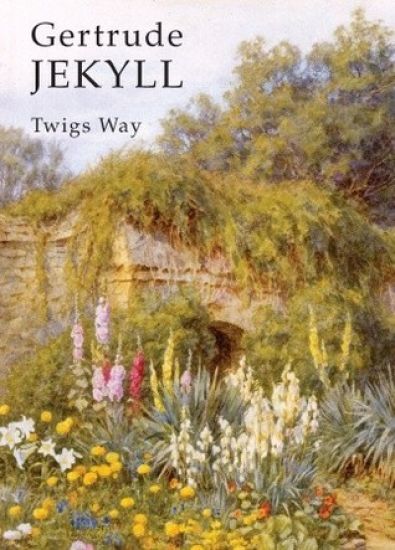
Gertrude Jekyll

Gertrude Jekyll

Twigs Way

Shire Publications
2012
nidottu
Almost eighty years after her death, Gertrude Jekyll (1843-1932) is still one of the most influential of all English garden designers. Best known for the superb use of colour schemes in her hallmark flower borders, she combined an early training in art with self-taught horticultural skills. Early influences included William Morris, John Ruskin and William Robinson, but it is her partnership with the architect Edwin Lutyens that produced some of the most distinctive of Edwardian houses and gardens. From her house (and nursery) at Munstead Wood, Surrey, Jekyll designed over 400 gardens across Britain and Europe, and some in America where her archive of designs and drawings is now held. This book explores her life, influences on her early work in art and crafts, the transfer to Munstead Wood and working relationship with Edwin Lutyens, as well as her own writings and achievements.
Allotment and Garden Guide

Allotment and Garden Guide

Twigs Way

Sabrestorm Publishing
2009
sidottu
Produced by the Ministry of Agriculture, the "Allotment and Garden Guides" were issued monthly throughout 1945. Aimed at the amateur gardener, they were to be the final rallying call in the wartime campaign to Dig for Victory. Concentrating on the productive garden, the guides were designed to take the amateur gardener through the basic tasks of each month. Many of the subjects tackled are as relevant now as they were then. How to make a compost heap, when to sow marrow seed, which seeds are they easiest to save, are still popular topics in the modern gardening media. However, other subjects convey the war-time difficulties: seed shortages due to enemy occupation in Europe, regulations on flower growing, and the very real prospect of running out of food next winter. Packed with additional photographs and illustrations, Twigs Way gives an historical overview to gardening during the Second world war and comments on each month of the guide. Many people still work allotment or vegetable plots that were first established during the war years, 'inheriting' them from a generation that used these guides as their gardening bibles. To read the Guides now is to experience a sense of both the urgency of the war-time garden, and the timelessness of the processes of gardening.
Allotments

Allotments

Twigs Way

Amberley Publishing
2017
nidottu
Allotments are a much-loved part of every British city, town and many villages. At the height of their popularity around the Second World War, allotments were increasingly neglected towards the end of the twentieth century, but are now in the throes of a full-scale revival. Many allotments now have long waiting lists, and allotment keeping has become a fashionable hobby. This book explores the fascinating story of the allotment, from its roots in the Diggers of the seventeenth century to the influence of ‘food miles’ and GM. It includes insights into quirky rules and regulations, murder and looting, and even art and opera on the allotment. Drawing on archival and contemporary material, this richly illustrated book considers both the history and the future of the not-so-humble allotment. This book is part of the Britain’s Heritage series, which provides definitive introductions to the riches of Britain’s past, and is the perfect way to get acquainted with allotments in all their variety.
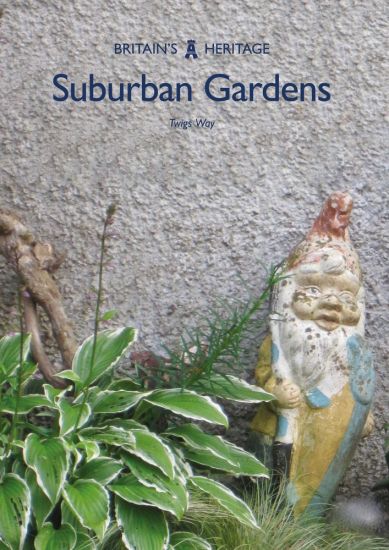
Suburban Gardens

Suburban Gardens

Twigs Way

Amberley Publishing
2020
nidottu
England is a nation of gardeners and most of us garden in suburbia. A private paradise encompassed by privet, the suburban garden contains in its small compass the hopes and dreams of millions of gardeners past and present. From Victorian shrubberies to the 1980s ‘Good Life’, these small plots reveal the ever-changing aspirations and realities of the suburban dweller. Lauded by estate agents and satirised in literature, suburban plots are scattered with seating, sundials, goldfish ponds, and that most divisive of features: the overgrown hedge. With one foot in the country and one in the town, suburban garden style wavers from rural retreat to urban chic, decorative to productive, floral to formal. At its heart it is defined by its location and its size. Neglected by history, and sometimes in reality, this book celebrates the gardens that make up the green patchwork of suburbia. This book is part of the Britain’s Heritage series, which provides definitive introductions to the riches of Britain’s past, and is the perfect way to get acquainted with Suburban Gardens in all their variety.
Carnation

Carnation

Twigs Way

Reaktion Books
2016
sidottu
Carnations permeate our culture from the wedding bed to the funeral wreath. Derided in Shakespeare as 'nature's bastards', they challenged the tulip as the florist's favourite flower, and went on to give their blessing to both a military coup and a Soho night club. Spanning the world from the gardens of the Ottoman Empire to the Mothers' Day traditions of America via Chinese medicines and French empresses, Carnation is the first book to tell the cultural history of this hugely important flower.Twigs Way traces the trials and tribulations of early breeders, the florists' fascination with striped and spotted varieties, delightful names such as the 'Lustie Gallant' and the 'Bleeding Swain', and the symbolism of the red, white and even the green carnation, which was made famous by Oscar Wilde. Those who appreciate the carnation's glorious scent, both sensuous and soothing, will delight in the knowledge that the carnation can heal body and mind, used by herbalists in Europe and China. As it ranges from the traditions of the medieval marriage bed to Renaissance paintings of the Madonna and Child, this lavishly illustrated book will entertain anyone with an interest in history, art or culture. It is full of unexpected delights that will charm the mind and invigorate the senses - just like the carnation itself.
The Wartime Garden

The Wartime Garden

Twigs Way

Shire Publications
2015
nidottu
‘This War is a Food War…’ In 1941 Lord Woolton, Minister for Food, was determined that the Garden Front would save England: ‘Dig for Victory’ was the slogan, digging for dinner the reality. With food imports dwindling the number of allotments grew, millions opted to ‘Spend an Hour with a Hoe’ instead of an hour in a queue, and the upper classes turned lawns, tennis courts and stately gardens over to agriculture. The national diet was transformed, with swedes grown in the place of oranges and hapless children sucking on carrot lollies; evacuees grew their own meals and bomb sites sprouted allotments. Vegetables ruled the airwaves with Mr Middleton’s ‘In Your Garden’ whilst Home Guard potatoes became the favourites of the Kitchen Front. This is a fully illustrated look at the time when gardening saved Britain.
Chrysanthemum

Chrysanthemum

Twigs Way

Reaktion Books
2020
sidottu
Drawing its allure from the gold of the sun and the rule of emperors, the chrysanthemum winds its way through ancient Chinese culture into the gardens of French Impressionist painters and onto the pages of American novels. The flower signifies both life and death, as parts of Europe associate it with mourning while others celebrate it for its golden rays that light the autumnal gloom. In this fascinating book, Twigs Way follows the fortunes of the flower through philosophy, art, literature and death, recounting the stories of the men and women who became captivated by it. With a range of vibrant illustrations, including works by Hiroshige, Monet and Mondrian, it will appeal to lovers of art, flowers, history and culture.
An A-Z of Animals in the Garden

An A-Z of Animals in the Garden

Twigs Way

THE HISTORY PRESS LTD
2023
pokkari
From alpacas to zebus, crocodiles to wombats, journey through the individual histories of bizarre garden pets and their often bizarre owners. Who would dream of keeping a bear in the summerhouse, or a peccary in the park? Find out why the artist Rossetti favoured a wombat over a zebu, and if hares make good pets for depressed poets.Dr Twigs Way uncovers a secret world where crocodiles lurk in the fernery and flamingos stalk the shrubberies. From the Roman period to the modern day, discover the story of armadillos kept by merchants in London and Queen Charlotte’s filthy-tempered zebra. These are quirky tales of animals in the garden.
A History of Women in the Garden

A History of Women in the Garden

Twigs Way

THE HISTORY PRESS LTD
2023
pokkari
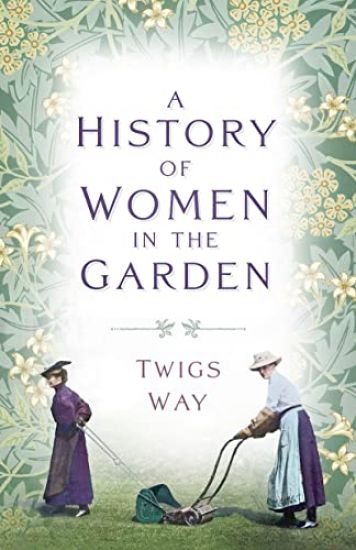
From the early misfortunes of Eve, condemning her descendants to a dubious reputation for fruit management, to the acclaimed successes of plant breeders such as the eccentric Ellen Willmott who combined bankruptcy with iris breeding, the fortunes of the female gardener have been as varied as their roles.Telling the tales of the sixteenth-century housewife, who neatly sidestepped accusations of herbal witchcraft while working her plot, and the unconventional Ladies of Llangollen, who eloped together and created their gothic garden and many other women besides, A History of Women in the Garden showcases female horticulturists through the centuries. An enlightening and entertaining read that will allow the reader to gain fresh enthusiasm for even the most menial of garden tasks, and realise that hundreds of women have trod the garden path before.
Tea Gardens

Tea Gardens

Twigs Way

Amberley Publishing
2017
nidottu
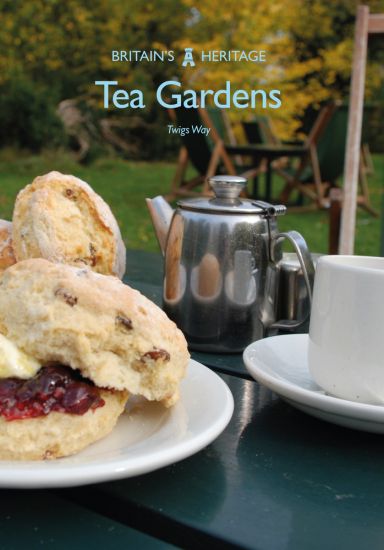
A sunlit lawn, blossom-laden trees, rustic chairs around tables laden with teapots and cakes, the tinkle of teacups and the murmur of conversation – what could be more British than a tea garden? As a nation obsessed with tea drinking and gardening, it is not surprising that the British combined the two. The popularity of tea gardens took hold in London in the eighteenth century, and grew during the Victorian and Edwardian eras, when suburban family parties joined cycling clubs and charabanc outings to sample tea gardens far and wide. Despite the British weather, tea gardens thrived for over two hundred years. Wonderfully illustrated with evocative contemporary images, this book charts the rise of tea gardens, their origins in earlier spa gardens, their distinctive style, their furnishings and accoutrements, their sad decline and triumphant return in the twenty-first century. It also includes a list of tea gardens that can be visited today. This book is part of the Britain’s Heritage series, which provides definitive introductions to the riches of Britain’s past, and is the perfect way to get acquainted with tea gardens in all their variety.