Kirjojen hintavertailu. Mukana 12 150 367 kirjaa ja 12 kauppaa.

Kirjahaku

Etsi kirjoja tekijän nimen, kirjan nimen tai ISBN:n perusteella.

3 kirjaa tekijältä Ursula Morgan

Zero to Six Months With No Crying

Zero to Six Months With No Crying

Ursula Morgan

Createspace Independent Publishing Platform
2014
nidottu
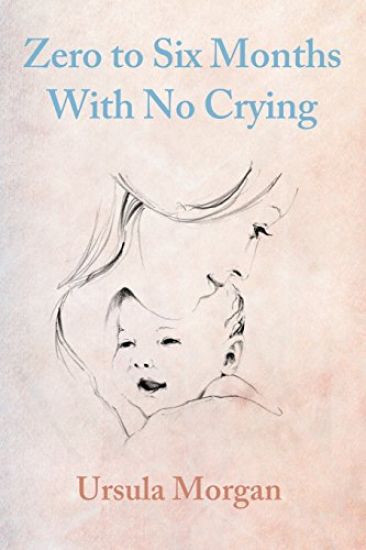
Zero to Six Months with No Crying provides education and support to establish a parenting style that results in minimal infant crying. It challenges the commonly accepted notion that babies cry for extended periods of time. The book provides readers with an understanding of the reasons infants cry in order to prevent or moderate crying. Babies cry to express a need. Knowing these needs enables you to anticipate and recognize what leads to crying and thus prevent your infant's crying.Zero to Six Months with No Crying contains seven age-specific Flexible Care Routines that enables parents to meet the infant's needs to prevent or alleviate crying. These routines provide information and a structure to care for an infant at each developmental level, month by month, from birth to six months. The book also contains troubleshooting advice for common situations in which infants may cry.Zero to Six Months with No Crying provides parents with knowledge and insight to enable them to respond to their baby in warm-hearted, loving ways with Flexible Care Routines and settling techniques. It is designed like a manual for quick and easy reference for time-pressed parents.
Text/ures of Iraq

Text/ures of Iraq

Oded Halahmy; Sara J. Pasti; Murtazi Vali; Ursula Morgan

Samuel Dorsky Museum of Art
2017
pokkari
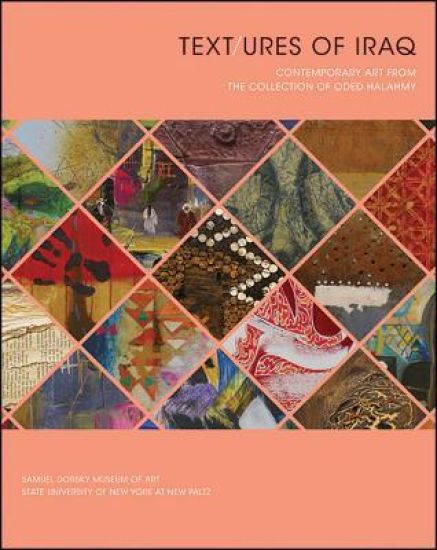
Presents work by Halahmy and eight other contemporary artists from Iraq: Hayder Ali, Amal Alwan, Mohammed al Hamadany, Ismail Khayat, Hanaa Malallah, Hassan Massoudy, Naziha Rashid, and Qasim Sabti.Text/ures of Iraq presents work by New York-based sculptor Oded Halahmy, a Jewish native of Baghdad, alongside that of eight contemporary artists from Iraq: Hayder Ali, Amal Alwan, Mohammed al Hamadany, Ismail Khayat, Hanaa Malallah, Hassan Massoudy, Naziha Rashid, and Qasim Sabti. Gathering works that reference Iraq's literary past in an effort to better understand the region's present, the book finds its constituent artists celebrating their country as a pastoral idyll, where people of different beliefs, cultures, and ethnicities peacefully coexisted for centuries, while also mourning the gradual, more recent fraying of Iraqi culture. The layered and abraded surfaces of some of the pieces speak to the persistence of violence, while the picturesqueness of others captures the powerful affective textures of nostalgia and exile.The book also features examples of modern Arabic and Hebrew calligraphy, including some variants of this form that evoke hurufiyah, an influential modern Arab variant of Lettrism that uses the swoops and curves of the Arabic alphabet as painterly gestures. From abstract collages constructed out of the remains of destroyed books to the Hebrew calligraphy seen in Halahmy's art, these works demonstrate the importance of the literary in Iraqi society, culture, and visual arts of the past and present day.
Text/ures of Iraq

Text/ures of Iraq

Oded Halahmy; Sara J. Pasti; Murtazi Vali; Ursula Morgan

Samuel Dorsky Museum of Art
2017
sidottu
Presents work by Halahmy and eight other contemporary artists from Iraq: Hayder Ali, Amal Alwan, Mohammed al Hamadany, Ismail Khayat, Hanaa Malallah, Hassan Massoudy, Naziha Rashid, and Qasim Sabti.Text/ures of Iraq presents work by New York-based sculptor Oded Halahmy, a Jewish native of Baghdad, alongside that of eight contemporary artists from Iraq: Hayder Ali, Amal Alwan, Mohammed al Hamadany, Ismail Khayat, Hanaa Malallah, Hassan Massoudy, Naziha Rashid, and Qasim Sabti. Gathering works that reference Iraq's literary past in an effort to better understand the region's present, the book finds its constituent artists celebrating their country as a pastoral idyll, where people of different beliefs, cultures, and ethnicities peacefully coexisted for centuries, while also mourning the gradual, more recent fraying of Iraqi culture. The layered and abraded surfaces of some of the pieces speak to the persistence of violence, while the picturesqueness of others captures the powerful affective textures of nostalgia and exile.The book also features examples of modern Arabic and Hebrew calligraphy, including some variants of this form that evoke hurufiyah, an influential modern Arab variant of Lettrism that uses the swoops and curves of the Arabic alphabet as painterly gestures. From abstract collages constructed out of the remains of destroyed books to the Hebrew calligraphy seen in Halahmy's art, these works demonstrate the importance of the literary in Iraqi society, culture, and visual arts of the past and present day.