Kirjojen hintavertailu. Mukana 11 342 296 kirjaa ja 12 kauppaa.

Kirjahaku

Etsi kirjoja tekijän nimen, kirjan nimen tai ISBN:n perusteella.

13 kirjaa tekijältä Veronica Strang

What Anthropologists Do

What Anthropologists Do

Veronica Strang

Bloomsbury Academic
2021
nidottu
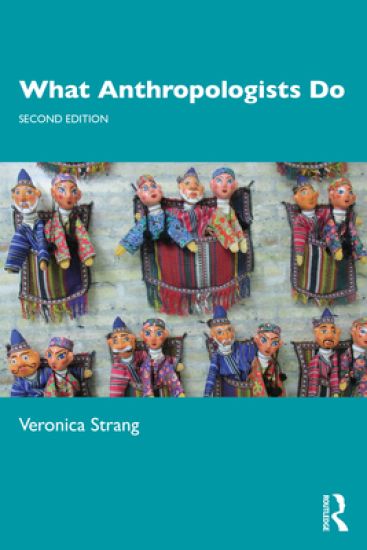
Why should you study anthropology? How will it enable you to understand human behaviour? And what will you learn that will equip you to enter working life? This book describes what studying anthropology actually means in practice, and explores the many career options available to those trained in anthropology. Anthropology gets under the surface of social and cultural diversity to understand people’s beliefs and values, and how these guide the different lifeways that these create. This accessible book presents a lively introduction to the ways in which anthropology's unique research methods and conceptual frameworks can be employed in a very wide range of fields, from environmental concerns to human rights, through business, social policy, museums and marketing. This updated edition includes an additional chapter on anthropology and interdisciplinarity. This is an essential primer for undergraduates studying introductory courses to anthropology, and any reader who wants to know what anthropology is about.
What Anthropologists Do

What Anthropologists Do

Veronica Strang

Bloomsbury Academic
2021
sidottu
Why should you study anthropology? How will it enable you to understand human behaviour? And what will you learn that will equip you to enter working life? This book describes what studying anthropology actually means in practice, and explores the many career options available to those trained in anthropology. Anthropology gets under the surface of social and cultural diversity to understand people’s beliefs and values, and how these guide the different lifeways that these create. This accessible book presents a lively introduction to the ways in which anthropology's unique research methods and conceptual frameworks can be employed in a very wide range of fields, from environmental concerns to human rights, through business, social policy, museums and marketing. This updated edition includes an additional chapter on anthropology and interdisciplinarity. This is an essential primer for undergraduates studying introductory courses to anthropology, and any reader who wants to know what anthropology is about.
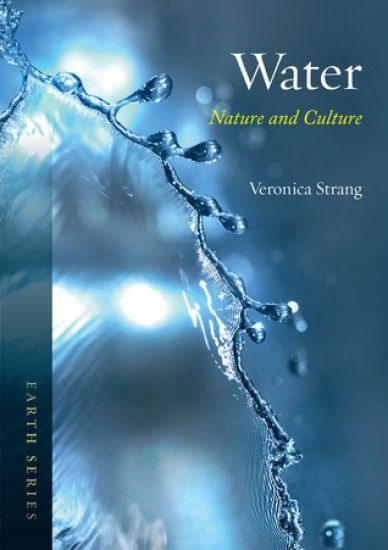
Water

Water

Veronica Strang

Reaktion Books
2015
nidottu
Since the beginning of time humans have had a vital relationship with water. Water considers humanity's interaction with this essential substance, its physical properties and their material effects, as well as exploring how diverse societies have engaged with these in different times and places. The earliest societies worshipped water deities, and even today water has important symbolic meanings as the embodiment of spiritual being and regenerative power. Water transformed agriculture through irrigation and drove the industrial revolution. Societies' relationships with water have also changed through history, with the development of new ideas about disease, health and hygiene management. Visions of water as an economic 'asset' have encouraged its enclosure and privatization, sparking major conflicts over ownership and control. Increasing pressure on freshwater resources has also created devastating environmental problems which now threaten the health of humans and other species.The first book of its kind to give a comprehensive bio-cultural view of the differences and continuities in humankind's relationship with water over time, Water is a unique and fascinating account of water history. It provides a cultural view of water, as well as taking in material, ecological and political issues, and will appeal to all those interested in the environment and the state of the world today.
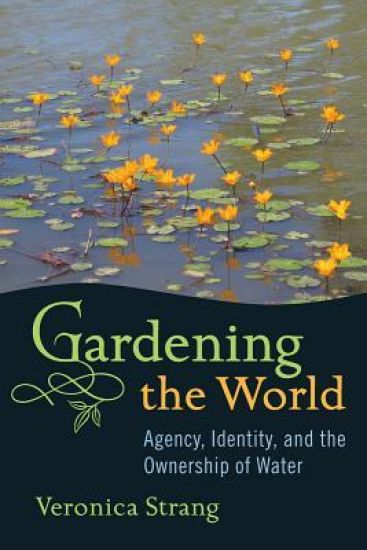
Gardening the World

Gardening the World

Veronica Strang

Berghahn Books
2013
pokkari
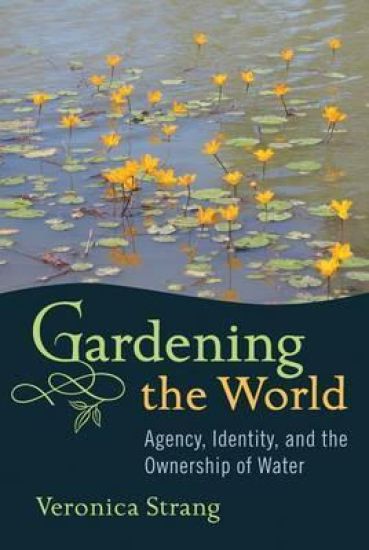
Around the world, intensifying development and human demands for fresh water are placing unsustainable pressures on finite resources. Countries are waging war over transboundary rivers, and rural and urban communities are increasingly divided as irrigation demands compete with domestic desires. Marginal groups are losing access to water as powerful elites protect their own interests, and entire ecosystems are being severely degraded. These problems are particularly evident in Australia, with its industrialised economy and arid climate. Yet there have been relatively few attempts to examine the social and cultural complexities that underlie people's engagements with water. Based on long-term ethnographic fieldwork in two major Australian river catchments (the Mitchell River in Cape York, and the Brisbane River in southeast Queensland), this book examines their major water using and managing groups: indigenous communities, farmers, industries, recreational and domestic water users, and environmental organisations. It explores the issues that shape their different beliefs, values and practices in relation to water, and considers the specifically cultural or sub-cultural meanings that they encode in their material surroundings. Through an analysis of each group's diverse efforts to 'garden the world', it provides insights into the complexities of human-environmental relationships.
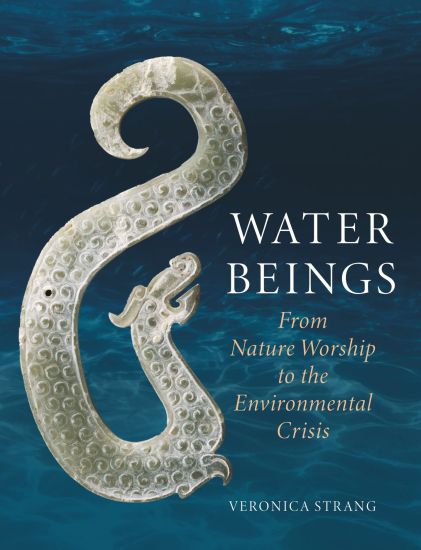
Water Beings

Water Beings

Veronica Strang

REAKTION BOOKS
2023
sidottu
Early human relationships with water were expressed through beliefs in serpentine aquatic deities: rainbow-coloured, feathered or horned serpents, giant anacondas and dragons. Representing the powers of water, these beings were bringers of life and sustenance, world creators, ancestors, guardian spirits and law makers. Worshipped and appeased, they embodied people’s respect for water and its vital role in sustaining all living things. Yet today, though we still recognize that ‘water is life’, fresh- and saltwater ecosystems have been critically compromised by human activities. This major study of water beings, and what has happened to them in different cultural and historical contexts, demonstrates how and why some – but not all – societies have moved from worshipping water to wreaking havoc upon it, and asks what we can do to turn the tide.
What Anthropologists Do

What Anthropologists Do

Veronica Strang

Berg Publishers
2009
sidottu
What is Anthropology? Why should you study it? What will you learn? And what can you do with it? What Anthropologists Do answers all these questions. And more.Anthropology is an astonishingly diverse and engaged subject that seeks to understand human social behaviour. What Anthropologists Do presents a lively introduction to the ways in which anthropology's unique research methods and cutting-edge thinking contribute to a very wide range of fields: environmental issues, aid and development, advocacy, human rights, social policy, the creative arts, museums, health, education, crime, communications technology, design, marketing, and business. In short, a training in Anthropology provides highly transferable skills of investigation and analysis.The book will be ideal for any readers who want to know what Anthropology is all about and especially for students coming to the study of Anthropology for the first time.
What Anthropologists Do

What Anthropologists Do

Veronica Strang

Berg Publishers
2009
nidottu
What is Anthropology? Why should you study it? What will you learn? And what can you do with it? What Anthropologists Do answers all these questions. And more.Anthropology is an astonishingly diverse and engaged subject that seeks to understand human social behaviour. What Anthropologists Do presents a lively introduction to the ways in which anthropology's unique research methods and cutting-edge thinking contribute to a very wide range of fields: environmental issues, aid and development, advocacy, human rights, social policy, the creative arts, museums, health, education, crime, communications technology, design, marketing, and business. In short, a training in Anthropology provides highly transferable skills of investigation and analysis.The book will be ideal for any readers who want to know what Anthropology is all about and especially for students coming to the study of Anthropology for the first time.
Gardening the World

Gardening the World

Veronica Strang

Berghahn Books
2009
sidottu
Around the world, intensifying development and human demands for fresh water are placing unsustainable pressures on finite resources. Countries are waging war over transboundary rivers, and rural and urban communities are increasingly divided as irrigation demands compete with domestic desires. Marginal groups are losing access to water as powerful elites protect their own interests, and entire ecosystems are being severely degraded. These problems are particularly evident in Australia, with its industrialised economy and arid climate. Yet there have been relatively few attempts to examine the social and cultural complexities that underlie people's engagements with water. Based on long-term ethnographic fieldwork in two major Australian river catchments (the Mitchell River in Cape York, and the Brisbane River in southeast Queensland), this book examines their major water using and managing groups: indigenous communities, farmers, industries, recreational and domestic water users, and environmental organisations. It explores the issues that shape their different beliefs, values and practices in relation to water, and considers the specifically cultural or sub-cultural meanings that they encode in their material surroundings. Through an analysis of each group's diverse efforts to 'garden the world', it provides insights into the complexities of human-environmental relationships.
The Meaning of Water

The Meaning of Water

Veronica Strang

Berg Publishers
2004
sidottu
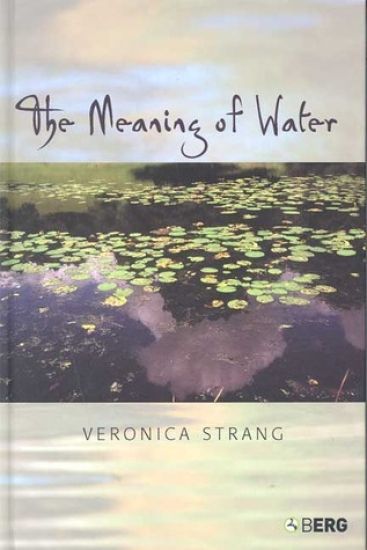
Water is the most valuable resource and the most passionately contested. Drought has become an increasingly extreme problem in many parts of the world, and it is predicted that 60% of the major cities in Europe will run short of water in the next decade. In industrialized countries per capita water usage continues to rise intractably, despite strenuous efforts by environmentalists and resource managers to encourage conservation. Conflicts over water and environmental degradation from the overuse of resources are intensifying. Water is not merely a physical resource: in every cultural context it is densely encoded with social, spiritual, political and environmental meanings, and these have a powerful effect upon patterns of water use and upon the relationships between water users and suppliers. This book makes an in-depth analysis of the meanings of water and considers how they are experienced and formed at an individual and societal level. Focusing on the River Stour in Dorset, Strang draws upon a wide range of data: ethnographic research, cultural mapping, local archives and folklore. She explores the controversies surrounding water ownership and management, and the social and political questions raised by water privatization in the UK. The topical nature of these issues and their global relevance make this book a vital contribution to contemporary research on water and an essential read for anyone with an interest in getting under the surface of one of the worlds most important social and environmental issues.
The Meaning of Water

The Meaning of Water

Veronica Strang

Berg Publishers
2004
nidottu
Water is the most valuable resource and the most passionately contested. Drought has become an increasingly extreme problem in many parts of the world, and it is predicted that 60% of the major cities in Europe will run short of water in the next decade. In industrialized countries per capita water usage continues to rise intractably, despite strenuous efforts by environmentalists and resource managers to encourage conservation. Conflicts over water and environmental degradation from the overuse of resources are intensifying. Water is not merely a physical resource: in every cultural context it is densely encoded with social, spiritual, political and environmental meanings, and these have a powerful effect upon patterns of water use and upon the relationships between water users and suppliers. This book makes an in-depth analysis of the meanings of water and considers how they are experienced and formed at an individual and societal level. Focusing on the River Stour in Dorset, Strang draws upon a wide range of data: ethnographic research, cultural mapping, local archives and folklore. She explores the controversies surrounding water ownership and management, and the social and political questions raised by water privatization in the UK. The topical nature of these issues and their global relevance make this book a vital contribution to contemporary research on water and an essential read for anyone with an interest in getting under the surface of one of the worlds most important social and environmental issues.
Uncommon Ground

Uncommon Ground

Veronica Strang

Berg Publishers
1997
sidottu
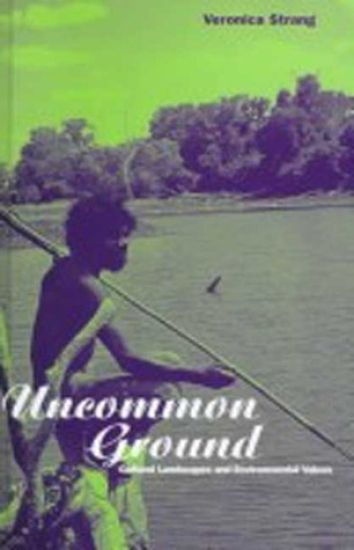
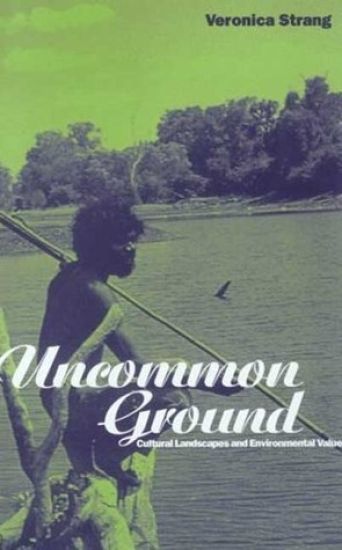
- What makes people care about the environment? - Why and how do different cultural groups value land in different ways? With increasing international concern about green issues, and the apparent failure of mechanistic solutions to complex problems, Uncommon Ground provides a timely understanding of the cultural values that underpin human-environmental relations. Through a comparison of two very different groups, the Aboriginal people and the white cattle farmers in Far North Queensland, Uncommon Ground explores how the human-environmental relationship is culturally constructed. This highly topical study also examines the long-term conflicts over land in Australia, which have brought to the surface each group's environmental values. The author considers how these values are acquired, and the universal and cultural factors that lead to their development. Major emphasis is put on the cultural forms that create and express environmental values for the Aborigines and the white pastoralists, such as: - historical background - land use and economic modes - socio-spatial organization - language, knowledge and methods of socialization - oral and visual representation - cosmological beliefs and systems of law This book is very accessible and should be widely used on anthropology, environmental studies and geography courses.]
Uncommon Ground

Uncommon Ground

Veronica Strang

Berg Publishers
1997
nidottu
- What makes people care about the environment? - Why and how do different cultural groups value land in different ways? With increasing international concern about green issues, and the apparent failure of mechanistic solutions to complex problems, Uncommon Ground provides a timely understanding of the cultural values that underpin human-environmental relations. Through a comparison of two very different groups, the Aboriginal people and the white cattle farmers in Far North Queensland, Uncommon Ground explores how the human-environmental relationship is culturally constructed. This highly topical study also examines the long-term conflicts over land in Australia, which have brought to the surface each group's environmental values. The author considers how these values are acquired, and the universal and cultural factors that lead to their development. Major emphasis is put on the cultural forms that create and express environmental values for the Aborigines and the white pastoralists, such as: - historical background - land use and economic modes - socio-spatial organization - language, knowledge and methods of socialization - oral and visual representation - cosmological beliefs and systems of law This book is very accessible and should be widely used on anthropology, environmental studies and geography courses.]