Kirjojen hintavertailu. Mukana 11 381 226 kirjaa ja 12 kauppaa.

Kirjahaku

Etsi kirjoja tekijän nimen, kirjan nimen tai ISBN:n perusteella.

5 kirjaa tekijältä Vicki Hutton

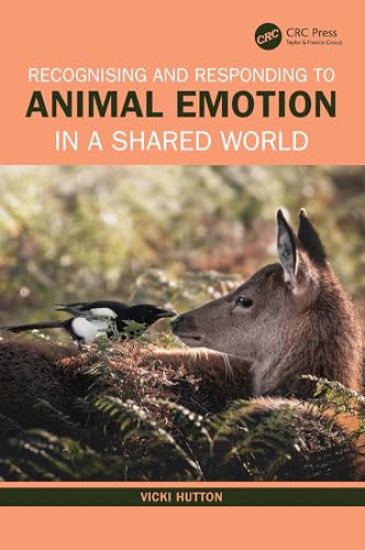
Recognising and Responding to Animal Emotion in a Shared World
How is it that depending on the setting, the same cat can be perceived as a homeless annoyance, a potential research subject or a thinking and feeling family member? The answer is bound up in our perception of non-human animals’ capacity to experience emotions, and this book draws on contemporary evidence-based research, observations, interviews and anecdotal case scenarios to explore the growing knowledge base around animal emotion. Acknowledging that animals can experience feelings directly affects the way that they are perceived and treated in many settings, and the author explores the implications when humans apply – or ignore – this knowledge selectively between species and within species. This information is presented within the unique context of a proposed hierarchy of perceived non-human animals' emotional abilities (often based on human interpretation of the animal’s emotional capacity), with examples of how this manifests at an emotional, spiritual and moral level. Implications for specific groups living with, caring for or working with non-human animals are examined, making the book of particular interest to those working, studying or researching in the veterinary professions; animal ethics, law and welfare; and zoology, biology and animal science. This book will also be fascinating reading for anyone interested in simply learning more about the animals with whom we share this planet. For some readers, it will validate the reciprocal emotional bond they feel for living creatures. For others, it will raise questions about the moral treatment of sentient non-human beings, breaking down the human protective barrier of cognitive dissonance and activating a cycle of change.
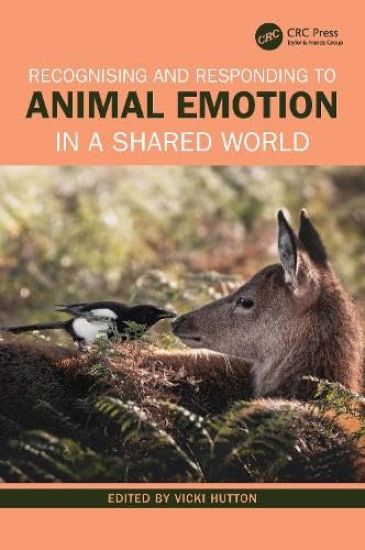
Recognising and Responding to Animal Emotion in a Shared World
How is it that depending on the setting, the same cat can be perceived as a homeless annoyance, a potential research subject or a thinking and feeling family member? The answer is bound up in our perception of non-human animals’ capacity to experience emotions, and this book draws on contemporary evidence-based research, observations, interviews and anecdotal case scenarios to explore the growing knowledge base around animal emotion. Acknowledging that animals can experience feelings directly affects the way that they are perceived and treated in many settings, and the author explores the implications when humans apply – or ignore – this knowledge selectively between species and within species. This information is presented within the unique context of a proposed hierarchy of perceived non-human animals' emotional abilities (often based on human interpretation of the animal’s emotional capacity), with examples of how this manifests at an emotional, spiritual and moral level. Implications for specific groups living with, caring for or working with non-human animals are examined, making the book of particular interest to those working, studying or researching in the veterinary professions; animal ethics, law and welfare; and zoology, biology and animal science. This book will also be fascinating reading for anyone interested in simply learning more about the animals with whom we share this planet. For some readers, it will validate the reciprocal emotional bond they feel for living creatures. For others, it will raise questions about the moral treatment of sentient non-human beings, breaking down the human protective barrier of cognitive dissonance and activating a cycle of change.
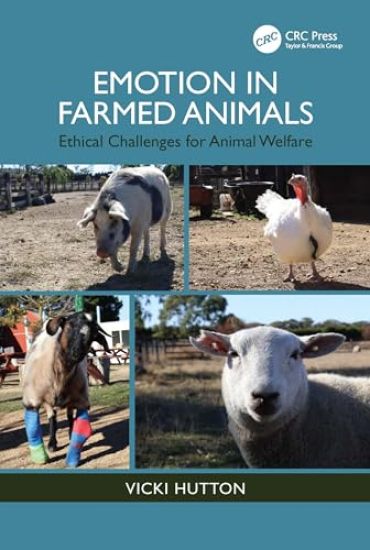
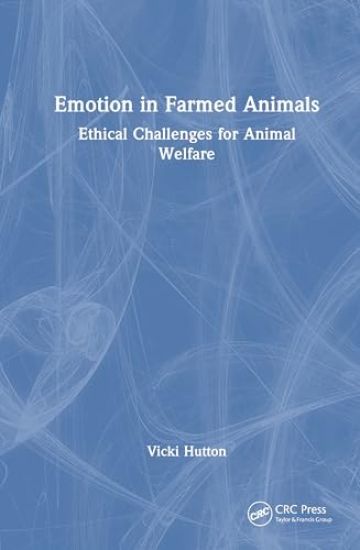
Emotion in Farmed Animals

Emotion in Farmed Animals

Vicki Hutton

TAYLOR FRANCIS LTD
2025
nidottu
The emergence of scientific data confirming the capacity of nonhuman animals to feel what is happening to them and experience positive and negative emotions has created an uncomfortable moral dilemma for many humans. To meet demand for animal products in the 21st century, millions of animals are confined and suffer in industrial farm settings. Acknowledging that a sense of helplessness to end this entrenched suffering on such a large scale can lead to inertia, this book instead seeks to bring change through stories of individual animals now living on farmed animal sanctuaries. These rescued animals have narratives that reveal them as individuals with emotional capacity and a future. Each chapter looks at a particular species’ entwined history with humanity, as well as the biological and neurological structures that unequivocally confirm their ability to experience positive and negative emotions. This aspect is brought to life through the stories of individual animals living the good life after rescue and rehabilitation. Farmed animals all have stories to tell but few get the chance to do so; this book amplifies the voices of those who have been able to reclaim basic rights in a human-dominated world with their stories providing insight into the uniqueness of every pig, cow, bird, rabbit and more intended for our plates and others for companionship or sheer joy. This book will be of interest to those studying or working in animal ethics, welfare and law; veterinary science; running a farmed animal sanctuary; or simply seeking to understand more about the animals with whom we share this planet.
Emotion in Farmed Animals

Emotion in Farmed Animals

Vicki Hutton

TAYLOR FRANCIS LTD
2025
sidottu
The emergence of scientific data confirming the capacity of nonhuman animals to feel what is happening to them and experience positive and negative emotions has created an uncomfortable moral dilemma for many humans. To meet demand for animal products in the 21st century, millions of animals are confined and suffer in industrial farm settings. Acknowledging that a sense of helplessness to end this entrenched suffering on such a large scale can lead to inertia, this book instead seeks to bring change through stories of individual animals now living on farmed animal sanctuaries. These rescued animals have narratives that reveal them as individuals with emotional capacity and a future. Each chapter looks at a particular species’ entwined history with humanity, as well as the biological and neurological structures that unequivocally confirm their ability to experience positive and negative emotions. This aspect is brought to life through the stories of individual animals living the good life after rescue and rehabilitation. Farmed animals all have stories to tell but few get the chance to do so; this book amplifies the voices of those who have been able to reclaim basic rights in a human-dominated world with their stories providing insight into the uniqueness of every pig, cow, bird, rabbit and more intended for our plates and others for companionship or sheer joy. This book will be of interest to those studying or working in animal ethics, welfare and law; veterinary science; running a farmed animal sanctuary; or simply seeking to understand more about the animals with whom we share this planet.
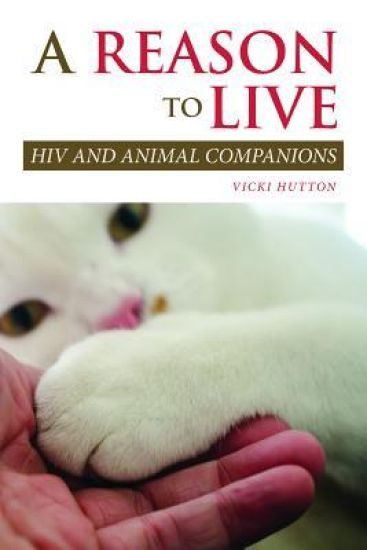
A Reason to Live

A Reason to Live

Vicki Hutton

Purdue University Press
2019
nidottu
A Reason to Live explores the human-animal relationship through the narratives of eleven people living with HIV and their animal companions. The narratives, based on a series of interviews with HIV-positive individuals and their animal companions in Australia, span the entirety of the HIV epidemic, from public awareness and discrimination in the 1980s and 1990s to survival and hope in the twenty-first century. Each narrative is explored within the context of theory (for example, attachment theory, the ""biophilia hypothesis,"" neurochemical and neurophysiological effects, laughter, play, death anxiety, and stigma) in order to understand the unique bond between human and animal during an ""epidemic of stigma."" A consistent theme is that these animals provided their human companions with ""a reason to live"" throughout the epidemic. Long-term survivors describe past animal companions who intuitively understood their needs and offered unconditional love and support during this turbulent period. More recently diagnosed HIV-positive narrators describe animal companions within the context of hope and the wellness narrative of living and aging with HIV in the twenty-first century. Bringing together these narratives offers insight into one aspect of the multifaceted HIV epidemic when human turned against human, and helps explain why it was frequently left to the animals to support their human companions. Importantly, it recognizes the enduring bond between human and animal within the context of theory and narrative, thus creating a cultural memory in a way that has never been done before.