Kirjojen hintavertailu. Mukana 11 244 527 kirjaa ja 12 kauppaa.

Kirjahaku

Etsi kirjoja tekijän nimen, kirjan nimen tai ISBN:n perusteella.

6 kirjaa tekijältä W. J. Berridge

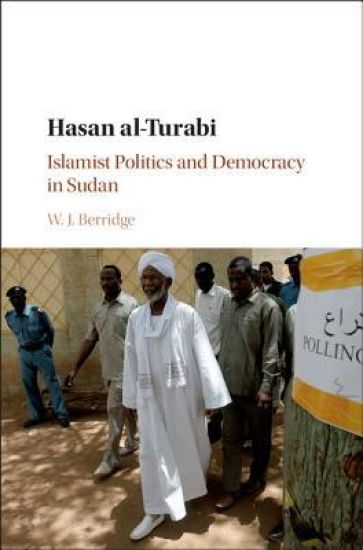
Hasan al-Turabi

Hasan al-Turabi

W. J. Berridge

Cambridge University Press
2017
sidottu
Hasan al-Turabi (1932–2016) was seen as one of the most influential figures in modern Sudanese history and politics. This book, based on extensive research and a thorough analysis of al-Turabi's own writings, provides a comprehensive study of the upbringing, ideas and political career of the Islamist intellectual and political leader. Balancing hostile and favourable accounts of al-Turabi, it challenges assumptions of the 'Marxist' or 'Fascist' dynamics underpinning Islamism, arguing that its colonial and post-colonial origins define the nature of Islamism's message. By encouraging readers to move away from generic models and limited readings of Islamism, Willow Berridge opens new and vital research for the understanding of Islamic politics across the Middle East and Africa. It makes for an ideal read for both undergraduate and postgraduate students focusing on the modern Sudanese state, and those challenging core debates on democracy, the Islamic State and Jihad.
Hasan al-Turabi

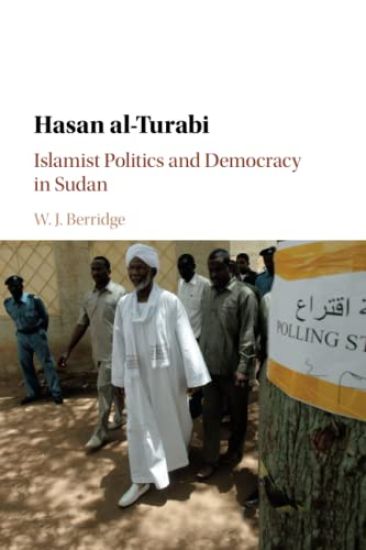
Hasan al-Turabi

W. J. Berridge

Cambridge University Press
2020
pokkari
Hasan al-Turabi (1932–2016) was seen as one of the most influential figures in modern Sudanese history and politics. This book, based on extensive research and a thorough analysis of al-Turabi's own writings, provides a comprehensive study of the upbringing, ideas and political career of the Islamist intellectual and political leader. Balancing hostile and favourable accounts of al-Turabi, it challenges assumptions of the 'Marxist' or 'Fascist' dynamics underpinning Islamism, arguing that its colonial and post-colonial origins define the nature of Islamism's message. By encouraging readers to move away from generic models and limited readings of Islamism, Willow Berridge opens new and vital research for the understanding of Islamic politics across the Middle East and Africa. It makes for an ideal read for both undergraduate and postgraduate students focusing on the modern Sudanese state, and those challenging core debates on democracy, the Islamic State and Jihad.
Civil Uprisings in Modern Sudan

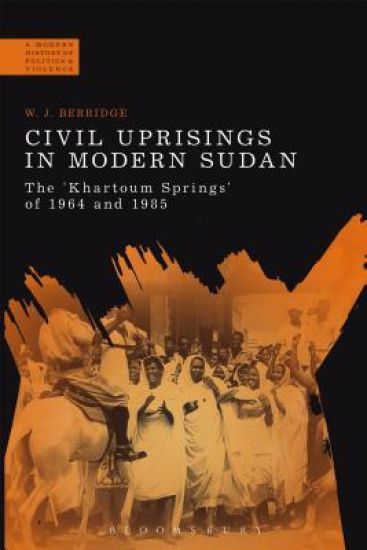
Civil Uprisings in Modern Sudan

W. J. Berridge

Bloomsbury Academic
2015
sidottu
This book is open access and available on www.bloomsburycollections.com. It is funded by Knowledge Unlatched.In the wake of the protests that toppled regimes across the Middle East in 2011, Sudanese activists and writers have proudly cited their very own ‘Arab Springs’ of 1964 and 1985, which overthrew the country’s first two military regimes, as evidence of their role as political pioneers in the region. Whilst some of these claims may be exaggerated, Sudan was indeed unique in the region at the time in that it witnessed not one but two popular uprisings which successfully uprooted military authoritarianisms. Civil Uprisings in Modern Sudan provides the first scholarly book-length history of the 1964 and 1985 uprisings. It explores the uprisings themselves, their legacy and the contemporary relevance they hold in the context of the current political climate of the Middle East. The book also contends that the sort of politics espoused by various kinds of Islamist during the uprisings can be interpreted as a form of early ‘post-Islamism’, in which Islamist political agendas were seen to be compatible with liberalism and democracy. Using interviews, Arabic language sources and a wealth of archival material, this book is an important and original study that is of great significance for scholars of African and Middle Eastern political history.
Islamism in the Modern World

Islamism in the Modern World

W. J. Berridge

Bloomsbury Academic
2018
nidottu
Islamism in the Modern World is an accessible, student-oriented introduction to the debates surrounding the historic origins of contemporary Islamism. It explores controversies surrounding contemporary Islamists’ indebtedness to various European and Islamic thinkers, as well situating debates concerning the relationship between political Islam, violence and democracy in an historic context.W. J. Berridge explores the continuities, discontinuities, and the impacts of long term social, economic and political change on the nature of Islamism as an ideology. Readers are encouraged to subject the claims of current commentators to the scrutiny of historical analysis, exploring the complexities of the relationship between Islamist and European thinkers – whether classical, Renaissance or modern liberal, fascist or Marxist. The book understands political Islam in the longue durèe, comparing medieval, early modern and modern Islamist thinkers, as well as discussing the compatibility of Islamism – and, indeed, Islam itself – with supposedly ‘Western’ values such as democracy, feminism, and human rights. Each chapter contains a short bibliography of relevant primary and secondary sources, as well as excerpts from key sources and a glossary of Arabic terms, making this the ideal introduction to the subject for history students.
Islamism in the Modern World

Islamism in the Modern World

W. J. Berridge

Bloomsbury Academic
2018
sidottu
Islamism in the Modern World is an accessible, student-oriented introduction to the debates surrounding the historic origins of contemporary Islamism. It explores controversies surrounding contemporary Islamists’ indebtedness to various European and Islamic thinkers, as well situating debates concerning the relationship between political Islam, violence and democracy in an historic context.W. J. Berridge explores the continuities, discontinuities, and the impacts of long term social, economic and political change on the nature of Islamism as an ideology. Readers are encouraged to subject the claims of current commentators to the scrutiny of historical analysis, exploring the complexities of the relationship between Islamist and European thinkers – whether classical, Renaissance or modern liberal, fascist or Marxist. The book understands political Islam in the longue durèe, comparing medieval, early modern and modern Islamist thinkers, as well as discussing the compatibility of Islamism – and, indeed, Islam itself – with supposedly ‘Western’ values such as democracy, feminism, and human rights. Each chapter contains a short bibliography of relevant primary and secondary sources, as well as excerpts from key sources and a glossary of Arabic terms, making this the ideal introduction to the subject for history students.
Civil Uprisings in Modern Sudan

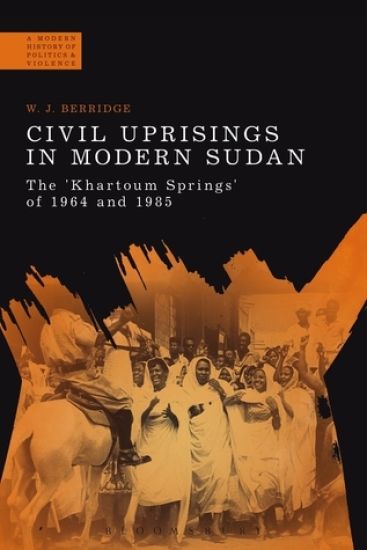
Civil Uprisings in Modern Sudan

W. J. Berridge

Bloomsbury Academic
2016
nidottu
This book is open access and available on www.bloomsburycollections.com. It is funded by Knowledge Unlatched.In the wake of the protests that toppled regimes across the Middle East in 2011, Sudanese activists and writers have proudly cited their very own ‘Arab Springs’ of 1964 and 1985, which overthrew the country’s first two military regimes, as evidence of their role as political pioneers in the region. Whilst some of these claims may be exaggerated, Sudan was indeed unique in the region at the time in that it witnessed not one but two popular uprisings which successfully uprooted military authoritarianisms. Civil Uprisings in Modern Sudan provides the first scholarly book-length history of the 1964 and 1985 uprisings. It explores the uprisings themselves, their legacy and the contemporary relevance they hold in the context of the current political climate of the Middle East. The book also contends that the sort of politics espoused by various kinds of Islamist during the uprisings can be interpreted as a form of early ‘post-Islamism’, in which Islamist political agendas were seen to be compatible with liberalism and democracy. Using interviews, Arabic language sources and a wealth of archival material, this book is an important and original study that is of great significance for scholars of African and Middle Eastern political history.