Kirjojen hintavertailu. Mukana 11 342 296 kirjaa ja 12 kauppaa.

Kirjahaku

Etsi kirjoja tekijän nimen, kirjan nimen tai ISBN:n perusteella.

5 kirjaa tekijältä Walter J. Houston

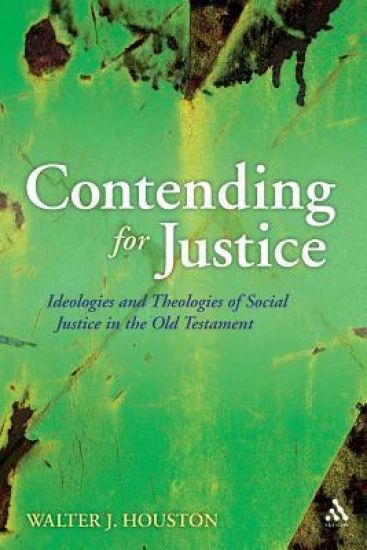
Contending for Justice

Contending for Justice

Walter J. Houston

T. T.Clark Ltd
2008
nidottu
Contending for Justice analyses texts on social justice in the Old Testament and argues that despite their ideological character they may still assist in shaping a Christian theological approach to social and global injustice. The book argues on the one hand that a class interest is involved in all texts on the subject of social justice, and on the other that, that the very interest demands that they should appeal to the broadest possible public by using generally accepted ethical and theological ideas. Four elements are set out in a hermeneutical proposal: texts should be understood as rhetoric in real social situations, as ideology protecting a social position, as defining recognized ethical values, and theologically as having a critical and constructive potential for the interpreter's own situation. A second chapter attempts to sketch the social conditions in which such texts were formed. The hermeneutical scheme is then applied, but not rigidly, to a wide range of texts: prophetic denunciations of oppression, texts in a variety of genres defining the characteristics of the just individual, texts in the Psalms and Isaiah defining the duty of the king to protect the poor, visions of a just community in the prophets, words of Torah aimed at protecting the indebted poor and restoring an independent peasantry, and assertions of the justice of God. The book concludes with brief reflections on the value of the Old Testament as a resource in the struggle for justice. This new paperback edition is fully revised and updated.
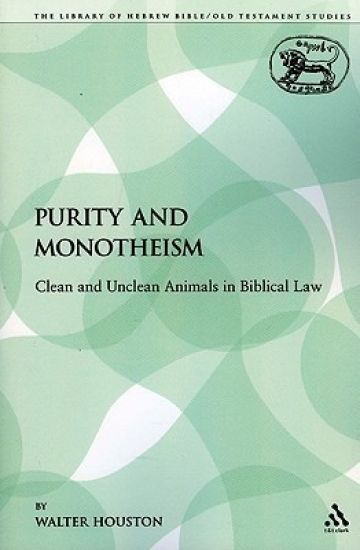
Purity and Monotheism

Purity and Monotheism

Walter J. Houston

Continuum International Publishing Group Ltd.
2009
nidottu
The distinction between clean and unclean animals, probably originating in tensions between shepherds and farmers, is in the biblical laws of Leviticus 11 and Deuteronomy 14 transformed into an important theological principle. In this wide-ranging and elegantly written study, Houston argues that the avoidance of 'unclean' foods is a mark of the exclusive devotion of Israel to one god. In a concluding chapter, it is suggested that the abolition of the distinction in early Christianity corresponds to the universal horizon of the new faith.
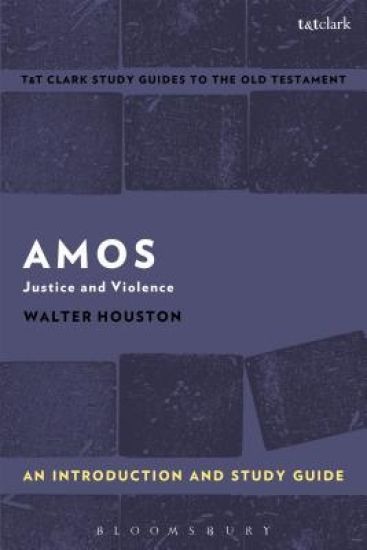
Amos: An Introduction and Study Guide

Amos: An Introduction and Study Guide

Walter J. Houston

TT Clark
2017
nidottu
This study guide to Amos is divided into three parts. The first sets out to describe the genre, style, shape and aim of the text, along with its leading ideas, with the help of recent scholarship on the Hebrew Bible in general and the prophets in particular. Special note is taken of the many images of violence in Amos, along with its denunciations of injustice, and its overwhelming emphasis on the ineluctable destruction awaiting Israel. The second part sets the book in its historical and social context, with particular focus on the social context of the injustices denounced by Amos. Houston also provides an overview of the various proposals made in the last 50 years for how the book has assumed its present shape. The final part outlines the ways in which the book has been read over the centuries, with an emphasis on the modern period, in which it has become a rallying call for those concerned with injustice in their own world.
Justice

Justice

Walter J. Houston

Equinox Publishing Ltd
2010
sidottu
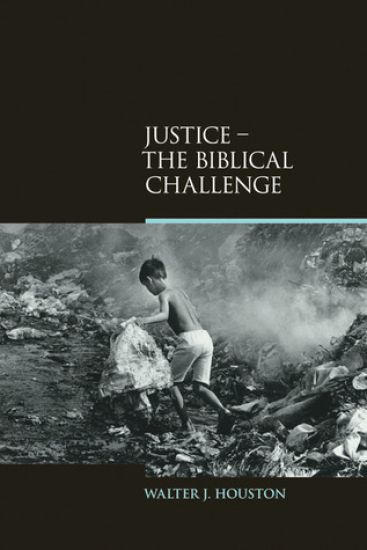
What does the Bible have to say about justice, and what relevance has this for people, particularly Christians, today? 'Justice: The Biblical Challenge' offers readers a balanced assessment of the biblical treatment of justice and what we might learn from this. The book opens with a brief overview of the differing social contexts which shaped how people thought about justice in biblical times. The examples of justice are grouped under three key narratives: the story of creation (justice as cosmic order), the story of the Exodus (justice as faithfulness), and the story of Israel (justice as a community of equals). The story of Jesus in Mark is then examined as exemplifying all three narratives. The book then applies these biblical stories to the world we live in now, applying an innovative 'justice audit' which uses the three biblical narratives of justice as yardsticks. The book concludes with an exploration of how readers might apply the ideas raised in the book to working for justice.
Justice

Justice

Walter J. Houston

Equinox Publishing Ltd
2010
nidottu
What does the Bible have to say about justice, and what relevance has this for people, particularly Christians, today? 'Justice: The Biblical Challenge' offers readers a balanced assessment of the biblical treatment of justice and what we might learn from this. The book opens with a brief overview of the differing social contexts which shaped how people thought about justice in biblical times. The examples of justice are grouped under three key narratives: the story of creation (justice as cosmic order), the story of the Exodus (justice as faithfulness), and the story of Israel (justice as a community of equals). The story of Jesus in Mark is then examined as exemplifying all three narratives. The book then applies these biblical stories to the world we live in now, applying an innovative 'justice audit' which uses the three biblical narratives of justice as yardsticks. The book concludes with an exploration of how readers might apply the ideas raised in the book to working for justice.