Kirjojen hintavertailu. Mukana 11 699 587 kirjaa ja 12 kauppaa.

Kirjahaku

Etsi kirjoja tekijän nimen, kirjan nimen tai ISBN:n perusteella.

11 kirjaa tekijältä Wendy Webster

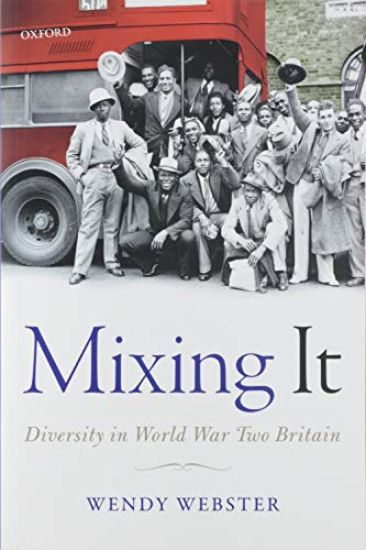
Mixing It

Mixing It

Wendy Webster

Oxford University Press
2020
nidottu
During the Second World War, people arrived in Britain from all over the world as troops, war-workers, nurses, refugees, exiles, and prisoners-of-war-chiefly from Europe, America, and the British Empire. Between 1939 and 1945, the population in Britain became more diverse than it had ever been before. Through diaries, letters, and interviews, Mixing It tells of ordinary lives pushed to extraordinary lengths. Among the stories featured are those of Zbigniew Siemaszko - deported by the Soviet Union, fleeing Kazakhstan on a horse-drawn sleigh, and eventually joining the Polish army in Scotland via Iran, Iraq, and South Africa - and 'Johnny' Pohe - the first Maori pilot to serve in the RAF, who was captured, and eventually murdered by the Gestapo for his part in the 'Great Escape'. This is the first book to look at the big picture of large-scale movements to Britain and the rich variety of relations between different groups. When the war ended, awareness of the diversity of Britain's wartime population was lost and has played little part in public memories of the war. Mixing It recovers this forgotten history. It illuminates the place of the Second World War in the making of multinational, multiethnic Britain and resonates with current debates on immigration.
Mixing It

Mixing It

Wendy Webster

Oxford University Press
2018
sidottu
During the Second World War, people arrived in Britain from all over the world as troops, war-workers, nurses, refugees, exiles, and prisoners-of-war-chiefly from Europe, America, and the British Empire. Between 1939 and 1945, the population in Britain became more diverse than it had ever been before. Through diaries, letters, and interviews, Mixing It tells of ordinary lives pushed to extraordinary lengths. Among the stories featured are those of Zbigniew Siemaszko - deported by the Soviet Union, fleeing Kazakhstan on a horse-drawn sleigh, and eventually joining the Polish army in Scotland via Iran, Iraq, and South Africa - and 'Johnny' Pohe - the first Maori pilot to serve in the RAF, who was captured, and eventually murdered by the Gestapo for his part in the 'Great Escape'. This is the first book to look at the big picture of large-scale movements to Britain and the rich variety of relations between different groups. When the war ended, awareness of the diversity of Britain's wartime population was lost and has played little part in public memories of the war. Mixing It recovers this forgotten history. It illuminates the place of the Second World War in the making of multinational, multiethnic Britain and resonates with current debates on immigration.
Englishness and Empire 1939-1965

Englishness and Empire 1939-1965

Wendy Webster

Oxford University Press
2007
nidottu
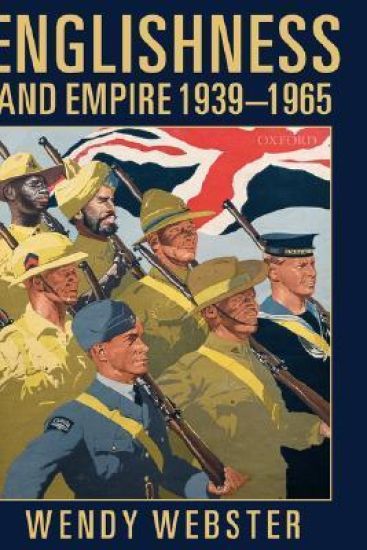
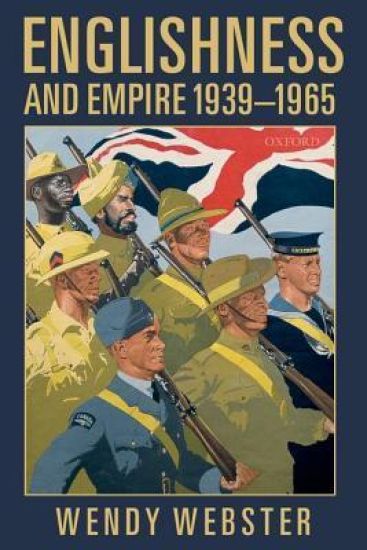
Did loss of imperial power and the end of empire have any significant impact on British culture and identity after 1945? Within a burgeoning literature on national identity and what it means to be British this is a question that has received surprisingly little attention. Englishness and Empire makes an important and original contribution to recent debates about the domestic consequences of the end of empire. Wendy Webster explores popular narratives of nation in the mainstream media archive - newspapers, newsreels, radio, film, and television. The contours of the study generally follow stories told through prolific filmic and television imagery: the Second World War, the Coronation and Everest, colonial wars of the 1950s, and Winston Churchill's funeral. The book analyses three main narratives that conflicted and collided in the period - a Commonwealth that promised to maintain Britishness as a global identity; siege narratives of colonial wars and immigration that showed a 'little England' threatened by empire and its legacies; and a story of national greatness, celebrating the martial masculinity of British officers and leaders, through which imperial identity leaked into narratives of the Second World War developed after 1945. The book also explores the significance of America to post-imperial Britain. Englishness and Empire considers how far, and in what contexts and unexpected places, imperial identity and loss of imperial power resonated in popular narratives of nataion. As the first monograph to investigate the significance of empire and its legacies in shaping national identity after 1945, this is an important study for all scholars interested in questions of national identity and their intersections with gender, race, empire, immigration, and decolonization.
Englishness and Empire 1939-1965

Englishness and Empire 1939-1965

Wendy Webster

Oxford University Press
2005
sidottu
Did loss of imperial power and the end of empire have any significant impact on metropolitan culture and identity after 1939? Within a burgeoning literature on national identity and Englishness, this is a question that has received surprisingly little attention. Drawing on extensive research in the media archive, Wendy Webster's highly readable study investigates popular narratives of nation, and the significance of empire and its legacies in shaping national identity after 1939. What were the tensions and uncertainties involved in defining a post-imperial nation? How did imperial legacies inform questions about who belonged in Britain and debates about race, immigration and nationality? What did the Commonwealth mean? What was the significance of America to the making of a post-imperial nation? Focusing on stories told through prolific filmic and television imagery - the Second World War, the Coronation and Everest, colonial wars of the 1950s, Winston Churchill's funeral - the book explores how far, and in what contexts and unexpected places, imperial identity and loss of imperial power resonated in popular narratives of nation. A novel thematic focus on empire and Englishness in the post-1945 period makes this an important study for scholars and students of modern British history, empire and Commonwealth, decolonisation, migration, gender, ethnicity, and race.
Gendering Migration

Gendering Migration

Wendy Webster

Ashgate Publishing Limited
2008
sidottu
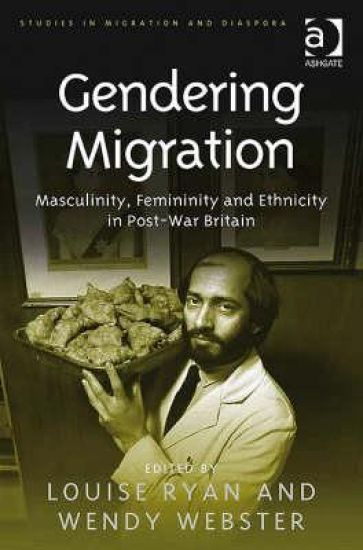
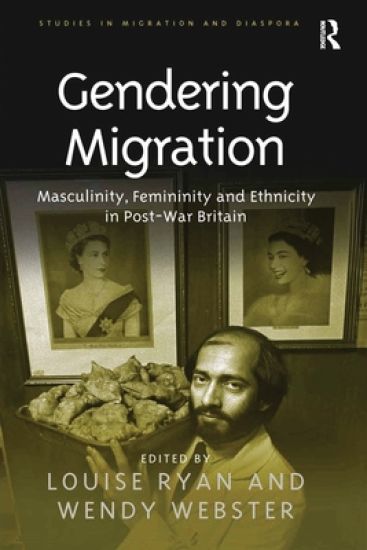
Gendering Migration demonstrates the significance of studying migration through the lens of gender and ethnicity and the contribution this perspective makes to migration histories. Through a consideration of the impact of migration on men and masculine identities as well as women and feminine identities, it extends our understanding of questions of gender and migration, focusing on the history of migration to Britain after the Second World War. The volume draws on oral narratives as well as documentary and archival research to demonstrate the important role played by gender and ethnicity, both in ideas and images of migrants and in migrants' own experiences. The contributors consider a range of migrant and refugee groups who came to Britain in the twentieth century: Caribbean, East-African Asian, German, Greek, Irish, Kurdish, Pakistani, Polish and Spanish. The fresh interpretations offered here make this an important new book for scholars and students of migration, ethnicity, gender and modern British history.
Imagining Home

Imagining Home

Wendy Webster

TAYLOR FRANCIS LTD
2022
nidottu
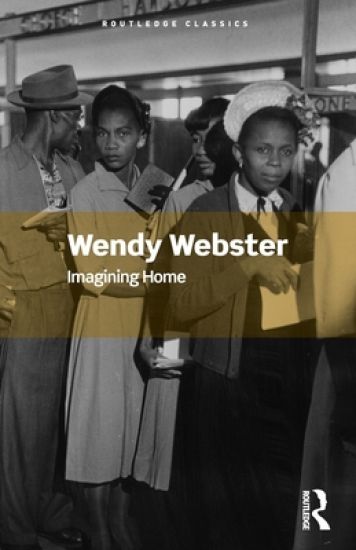
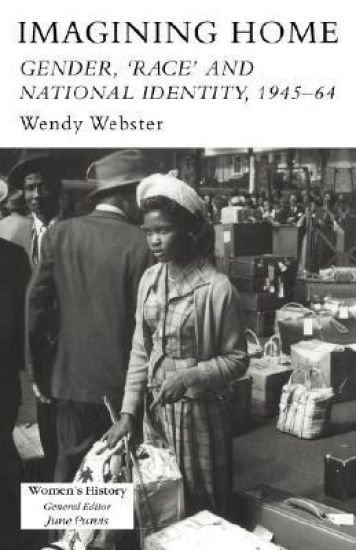
Imagining Home: Gender, Race and National Identity, 1945-1964 is a powerful examination of ideas and images of home in Britain during a period of national decline and loss of imperial power. Exploring the legacy of empire in imaginings of the nation during a period of decolonization after 1945, it is has become one of the outstanding books about the relationship between gender, race and national identity.Analyzing the role of colonialism and racism in shaping ideas of motherhood, employment and domesticity, it brilliantly traces the way in which Englishness became associated with domestic order and the very idea of home became white, exploring themes that reverberate strongly today as arguments around gender, race and feminism occupy the headlines.Drawing extensively on oral history and life-writing of politicians, journalists, churchmen, health professionals, novelists and film-makers, Wendy Webster examines the multiple meanings of home to women in narratives of belonging and unbelonging. Its focus on the complex interrelationships of white and black women's lives and identities offers a compelling new perspective on this period.This Routledge Classics edition includes a new Preface by the author.
Imagining Home

Imagining Home

Wendy Webster

TAYLOR FRANCIS LTD
2022
sidottu
Imagining Home: Gender, Race and National Identity, 1945-1964 is a powerful examination of ideas and images of home in Britain during a period of national decline and loss of imperial power. Exploring the legacy of empire in imaginings of the nation during a period of decolonization after 1945, it is has become one of the outstanding books about the relationship between gender, race and national identity.Analyzing the role of colonialism and racism in shaping ideas of motherhood, employment and domesticity, it brilliantly traces the way in which Englishness became associated with domestic order and the very idea of home became white, exploring themes that reverberate strongly today as arguments around gender, race and feminism occupy the headlines.Drawing extensively on oral history and life-writing of politicians, journalists, churchmen, health professionals, novelists and film-makers, Wendy Webster examines the multiple meanings of home to women in narratives of belonging and unbelonging. Its focus on the complex interrelationships of white and black women's lives and identities offers a compelling new perspective on this period.This Routledge Classics edition includes a new Preface by the author.
Gendering Migration

Gendering Migration

Wendy Webster

Routledge
2016
nidottu
Gendering Migration demonstrates the significance of studying migration through the lens of gender and ethnicity and the contribution this perspective makes to migration histories. Through a consideration of the impact of migration on men and masculine identities as well as women and feminine identities, it extends our understanding of questions of gender and migration, focusing on the history of migration to Britain after the Second World War. The volume draws on oral narratives as well as documentary and archival research to demonstrate the important role played by gender and ethnicity, both in ideas and images of migrants and in migrants' own experiences. The contributors consider a range of migrant and refugee groups who came to Britain in the twentieth century: Caribbean, East-African Asian, German, Greek, Irish, Kurdish, Pakistani, Polish and Spanish. The fresh interpretations offered here make this an important new book for scholars and students of migration, ethnicity, gender and modern British history.
Imagining Home

Imagining Home

Wendy Webster

Routledge
1998
sidottu
Imagining Home offers a unique examination of ideas and images of home in Britain during a period of national decline and loss of imperial power. In exploring the relationship between gender, 'race' and national identity, it higlights the continuing importance of empire in imaginings of the nation during a period of decolonization. Analyzing the significance of colonialism and racism in shaping ideas of motherhood, employment and domestictiy, it traces the process by which Englishness was increasingly associated with domestic order, and the home and family constructed as white.Drawing extensively on oral history and life-writing, Imagining Home examines the multiple meanings of home to women in narratives of beloning and unbelonging. Its focus on the complex interrelationships of white and black women's lives and identities offers a new perspective on this period.
Imagining Home

Imagining Home

Wendy Webster

Routledge
1998
nidottu
Imagining Home offers a unique examination of ideas and images of home in Britain during a period of national decline and loss of imperial power. In exploring the relationship between gender, 'race' and national identity, it higlights the continuing importance of empire in imaginings of the nation during a period of decolonization. Analyzing the significance of colonialism and racism in shaping ideas of motherhood, employment and domestictiy, it traces the process by which Englishness was increasingly associated with domestic order, and the home and family constructed as white.Drawing extensively on oral history and life-writing, Imagining Home examines the multiple meanings of home to women in narratives of beloning and unbelonging. Its focus on the complex interrelationships of white and black women's lives and identities offers a new perspective on this period.