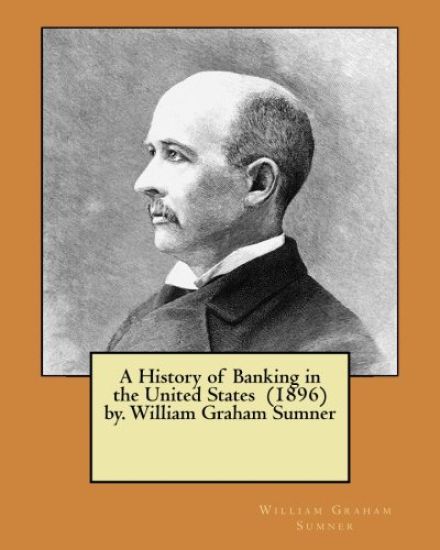
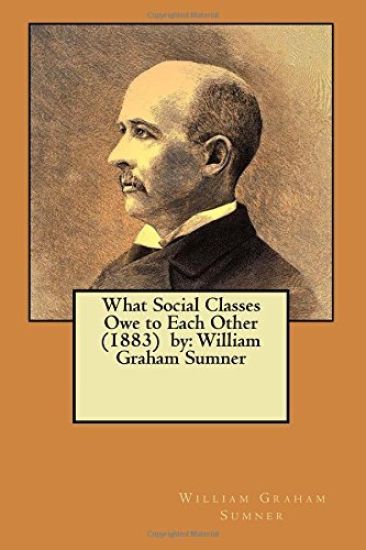
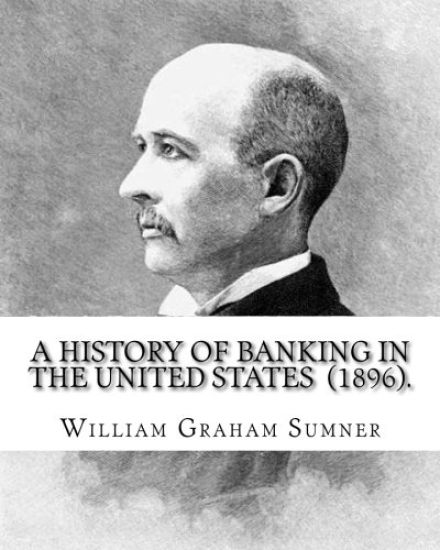
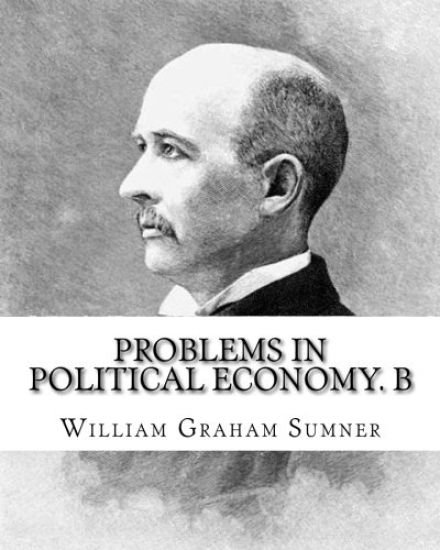
William Graham Sumner (October 30, 1840 - April 12, 1910) was a classical liberal (now a branch of "libertarianism" in American political philosophy) American social scientist. He taught social sciences at Yale, where he held the nation's first professorship in sociology. He was one of the most influential teachers at Yale or any major schools. Sumner was a polymath with numerous books and essays on American history, economic history, political theory, sociology, and anthropology. He supported laissez-faire economics, free markets, and the gold standard. He adopted the term "ethnocentrism" to identify the roots of imperialism, which he strongly opposed. He was a spokesman against imperialism and in favor of the "forgotten man" of the middle class, a term he coined. He had a long-term influence on conservatism in the United States.Sumner wrote an autobiographical sketch for the fourth of the histories of the Class of 1863 Yale College. In 1925, Rev. Harris E. Starr, class of 1910 Yale Department of Theology, published the first full length biography of Sumner. A second full length biography by Bruce Curtis was published in 1981. Other authors have included biographical information about Sumner as shown by citations in this "Biography" section.Sumner was born in Paterson, New Jersey, on October 30, 1840. His father, Thomas Sumner, was born in England and immigrated to the United States in 1836. His mother, Sarah Graham, was also born in England. She was brought to the United States in 1825 by her parents. Sumner's mother died when he was eight.In 1841, Sumner's father went prospecting as far west as Ohio, but came back east to New England and settled in Hartford, Connecticut, in about 1845. Sumner wrote about his high regard for his father: "His principles and habits of life were the best possible." Earlier in his life, Sumner said, that he accepted from others "views and opinions" different from his father's. However, "at the present time," Sumner wrote, "in regard to those matters, I hold with him and not with the others." Sumner did not name the "matters". Sumner was educated in the Hartford public schools. After graduation, he worked for two years as a clerk in a store before going to Yale College from which he graduated in 1863. 5] Sumner achieved an impressive record at Yale as a scholar and orator. He was elected to the Phi Beta Kappa Society in his junior year and in his senior year to the secretive Skull and Bones society. Sumner avoided being drafted to fight in the American Civil War by paying a "substitute" $250, given to him by a friend, to enlist for three years. This and money given to him by his father and friends allowed Sumner to go to Europe for further studies. He spent his first year in the University of Geneva studying Latin and Hebrew and the following two years in the University of G ttingen studying ancient languages, history and Biblical science.All told, in his formal education, Sumner learned Hebrew, Greek, Latin, French, and German. In addition, after middle age he taught himself Dutch, Spanish, Portuguese, Italian, Russian, Polish, Danish, and Swedish. In May 1866, he went to Oxford University to study theology. At Oxford, Henry Thomas Buckle planted the sociology seed in Sumner's mind. However, Herbert Spencer was to have the "dominating influence upon Sumner's thought"....
William Graham Sumner (October 30, 1840 - April 12, 1910) was a classical liberal (now a branch of "libertarianism" in American political philosophy) American social scientist. He taught social sciences at Yale, where he held the nation's first professorship in sociology. He was one of the most influential teachers at Yale or any major schools. Sumner was a polymath with numerous books and essays on American history, economic history, political theory, sociology, and anthropology. He supported laissez-faire economics, free markets, and the gold standard. He adopted the term "ethnocentrism" to identify the roots of imperialism, which he strongly opposed. He was a spokesman against imperialism and in favor of the "forgotten man" of the middle class, a term he coined. He had a long-term influence on conservatism in the United States.Sumner wrote an autobiographical sketch for the fourth of the histories of the Class of 1863 Yale College. In 1925, Rev. Harris E. Starr, class of 1910 Yale Department of Theology, published the first full length biography of Sumner. A second full length biography by Bruce Curtis was published in 1981. Other authors have included biographical information about Sumner as shown by citations in this "Biography" section.Sumner was born in Paterson, New Jersey, on October 30, 1840. His father, Thomas Sumner, was born in England and immigrated to the United States in 1836. His mother, Sarah Graham, was also born in England. She was brought to the United States in 1825 by her parents. Sumner's mother died when he was eight.In 1841, Sumner's father went prospecting as far west as Ohio, but came back east to New England and settled in Hartford, Connecticut, in about 1845. Sumner wrote about his high regard for his father: "His principles and habits of life were the best possible." Earlier in his life, Sumner said, that he accepted from others "views and opinions" different from his father's. However, "at the present time," Sumner wrote, "in regard to those matters, I hold with him and not with the others." Sumner did not name the "matters". Sumner was educated in the Hartford public schools. After graduation, he worked for two years as a clerk in a store before going to Yale College from which he graduated in 1863. Sumner achieved an impressive record at Yale as a scholar and orator. He was elected to the Phi Beta Kappa Society in his junior year and in his senior year to the secretive Skull and Bones society. Sumner avoided being drafted to fight in the American Civil War by paying a "substitute" $250, given to him by a friend, to enlist for three years. This and money given to him by his father and friends allowed Sumner to go to Europe for further studies. He spent his first year in the University of Geneva studying Latin and Hebrew and the following two years in the University of G ttingen studying ancient languages, history and Biblical science.All told, in his formal education, Sumner learned Hebrew, Greek, Latin, French, and German. In addition, after middle age he taught himself Dutch, Spanish, Portuguese, Italian, Russian, Polish, Danish, and Swedish. In May 1866, he went to Oxford University to study theology. At Oxford, Henry Thomas Buckle planted the sociology seed in Sumner's mind. However, Herbert Spencer was to have the "dominating influence upon Sumner's thought"....
William Graham Sumner (October 30, 1840 - April 12, 1910) was a classical liberal (now a branch of "libertarianism" in American political philosophy) American social scientist. He taught social sciences at Yale, where he held the nation's first professorship in sociology. He was one of the most influential teachers at Yale or any major schools. Sumner was a polymath with numerous books and essays on American history, economic history, political theory, sociology, and anthropology. He supported laissez-faire economics, free markets, and the gold standard. He adopted the term "ethnocentrism" to identify the roots of imperialism, which he strongly opposed. He was a spokesman against imperialism and in favor of the "forgotten man" of the middle class, a term he coined. He had a long-term influence on conservatism in the United States.Sumner wrote an autobiographical sketch for the fourth of the histories of the Class of 1863 Yale College. In 1925, Rev. Harris E. Starr, class of 1910 Yale Department of Theology, published the first full length biography of Sumner. A second full length biography by Bruce Curtis was published in 1981. Other authors have included biographical information about Sumner as shown by citations in this "Biography" section.Sumner was born in Paterson, New Jersey, on October 30, 1840. His father, Thomas Sumner, was born in England and immigrated to the United States in 1836. His mother, Sarah Graham, was also born in England. She was brought to the United States in 1825 by her parents. Sumner's mother died when he was eight.In 1841, Sumner's father went prospecting as far west as Ohio, but came back east to New England and settled in Hartford, Connecticut, in about 1845. Sumner wrote about his high regard for his father: "His principles and habits of life were the best possible." Earlier in his life, Sumner said, that he accepted from others "views and opinions" different from his father's. However, "at the present time," Sumner wrote, "in regard to those matters, I hold with him and not with the others." Sumner did not name the "matters". Sumner was educated in the Hartford public schools. After graduation, he worked for two years as a clerk in a store before going to Yale College from which he graduated in 1863. Sumner achieved an impressive record at Yale as a scholar and orator. He was elected to the Phi Beta Kappa Society in his junior year and in his senior year to the secretive Skull and Bones society. Sumner avoided being drafted to fight in the American Civil War by paying a "substitute" $250, given to him by a friend, to enlist for three years. This and money given to him by his father and friends allowed Sumner to go to Europe for further studies. He spent his first year in the University of Geneva studying Latin and Hebrew and the following two years in the University of G ttingen studying ancient languages, history and Biblical science.All told, in his formal education, Sumner learned Hebrew, Greek, Latin, French, and German. In addition, after middle age he taught himself Dutch, Spanish, Portuguese, Italian, Russian, Polish, Danish, and Swedish. In May 1866, he went to Oxford University to study theology. At Oxford, Henry Thomas Buckle planted the sociology seed in Sumner's mind. However, Herbert Spencer was to have the "dominating influence upon Sumner's thought"....
William Graham Sumner (October 30, 1840 - April 12, 1910) was a classical liberal (now a branch of "libertarianism" in American political philosophy) American social scientist. He taught social sciences at Yale, where he held the nation's first professorship in sociology. He was one of the most influential teachers at Yale or any major schools. Sumner was a polymath with numerous books and essays on American history, economic history, political theory, sociology, and anthropology. He supported laissez-faire economics, free markets, and the gold standard. He adopted the term "ethnocentrism" to identify the roots of imperialism, which he strongly opposed. He was a spokesman against imperialism and in favor of the "forgotten man" of the middle class, a term he coined. He had a long-term influence on conservatism in the United States.Sumner wrote an autobiographical sketch for the fourth of the histories of the Class of 1863 Yale College. In 1925, Rev. Harris E. Starr, class of 1910 Yale Department of Theology, published the first full length biography of Sumner. A second full length biography by Bruce Curtis was published in 1981. Other authors have included biographical information about Sumner as shown by citations in this "Biography" section.Sumner was born in Paterson, New Jersey, on October 30, 1840. His father, Thomas Sumner, was born in England and immigrated to the United States in 1836. His mother, Sarah Graham, was also born in England. She was brought to the United States in 1825 by her parents. Sumner's mother died when he was eight.In 1841, Sumner's father went prospecting as far west as Ohio, but came back east to New England and settled in Hartford, Connecticut, in about 1845. Sumner wrote about his high regard for his father: "His principles and habits of life were the best possible." Earlier in his life, Sumner said, that he accepted from others "views and opinions" different from his father's. However, "at the present time," Sumner wrote, "in regard to those matters, I hold with him and not with the others." Sumner did not name the "matters". Sumner was educated in the Hartford public schools. After graduation, he worked for two years as a clerk in a store before going to Yale College from which he graduated in 1863. Sumner achieved an impressive record at Yale as a scholar and orator. He was elected to the Phi Beta Kappa Society in his junior year and in his senior year to the secretive Skull and Bones society. Sumner avoided being drafted to fight in the American Civil War by paying a "substitute" $250, given to him by a friend, to enlist for three years. This and money given to him by his father and friends allowed Sumner to go to Europe for further studies. He spent his first year in the University of Geneva studying Latin and Hebrew and the following two years in the University of G ttingen studying ancient languages, history and Biblical science.All told, in his formal education, Sumner learned Hebrew, Greek, Latin, French, and German. In addition, after middle age he taught himself Dutch, Spanish, Portuguese, Italian, Russian, Polish, Danish, and Swedish. In May 1866, he went to Oxford University to study theology. At Oxford, Henry Thomas Buckle planted the sociology seed in Sumner's mind. However, Herbert Spencer was to have the "dominating influence upon Sumner's thought"....
William Graham Sumner (October 30, 1840 - April 12, 1910) was a classical liberal (now a branch of "libertarianism" in American political philosophy) American social scientist. He taught social sciences at Yale, where he held the nation's first professorship in sociology. He was one of the most influential teachers at Yale or any major schools. Sumner was a polymath with numerous books and essays on American history, economic history, political theory, sociology, and anthropology. He supported laissez-faire economics, free markets, and the gold standard. He adopted the term "ethnocentrism" to identify the roots of imperialism, which he strongly opposed. He was a spokesman against imperialism and in favor of the "forgotten man" of the middle class, a term he coined. He had a long-term influence on conservatism in the United States.Sumner wrote an autobiographical sketch for the fourth of the histories of the Class of 1863 Yale College. In 1925, Rev. Harris E. Starr, class of 1910 Yale Department of Theology, published the first full length biography of Sumner. A second full length biography by Bruce Curtis was published in 1981. Other authors have included biographical information about Sumner as shown by citations in this "Biography" section.Sumner was born in Paterson, New Jersey, on October 30, 1840. His father, Thomas Sumner, was born in England and immigrated to the United States in 1836. His mother, Sarah Graham, was also born in England. She was brought to the United States in 1825 by her parents. Sumner's mother died when he was eight.In 1841, Sumner's father went prospecting as far west as Ohio, but came back east to New England and settled in Hartford, Connecticut, in about 1845. Sumner wrote about his high regard for his father: "His principles and habits of life were the best possible." Earlier in his life, Sumner said, that he accepted from others "views and opinions" different from his father's. However, "at the present time," Sumner wrote, "in regard to those matters, I hold with him and not with the others." Sumner did not name the "matters". Sumner was educated in the Hartford public schools. After graduation, he worked for two years as a clerk in a store before going to Yale College from which he graduated in 1863. Sumner achieved an impressive record at Yale as a scholar and orator. He was elected to the Phi Beta Kappa Society in his junior year and in his senior year to the secretive Skull and Bones society. Sumner avoided being drafted to fight in the American Civil War by paying a "substitute" $250, given to him by a friend, to enlist for three years. This and money given to him by his father and friends allowed Sumner to go to Europe for further studies. He spent his first year in the University of Geneva studying Latin and Hebrew and the following two years in the University of G ttingen studying ancient languages, history and Biblical science.All told, in his formal education, Sumner learned Hebrew, Greek, Latin, French, and German. In addition, after middle age he taught himself Dutch, Spanish, Portuguese, Italian, Russian, Polish, Danish, and Swedish. In May 1866, he went to Oxford University to study theology. At Oxford, Henry Thomas Buckle planted the sociology seed in Sumner's mind. However, Herbert Spencer was to have the "dominating influence upon Sumner's thought"....
William Graham Sumner (October 30, 1840 - April 12, 1910) was a classical liberal (now a branch of "libertarianism" in American political philosophy) American social scientist. He taught social sciences at Yale, where he held the nation's first professorship in sociology. He was one of the most influential teachers at Yale or any major schools. Sumner was a polymath with numerous books and essays on American history, economic history, political theory, sociology, and anthropology. He supported laissez-faire economics, free markets, and the gold standard. He adopted the term "ethnocentrism" to identify the roots of imperialism, which he strongly opposed. He was a spokesman against imperialism and in favor of the "forgotten man" of the middle class, a term he coined. He had a long-term influence on conservatism in the United States.Sumner wrote an autobiographical sketch for the fourth of the histories of the Class of 1863 Yale College. In 1925, Rev. Harris E. Starr, class of 1910 Yale Department of Theology, published the first full length biography of Sumner. A second full length biography by Bruce Curtis was published in 1981. Other authors have included biographical information about Sumner as shown by citations in this "Biography" section.Sumner was born in Paterson, New Jersey, on October 30, 1840. His father, Thomas Sumner, was born in England and immigrated to the United States in 1836. His mother, Sarah Graham, was also born in England. She was brought to the United States in 1825 by her parents. Sumner's mother died when he was eight.In 1841, Sumner's father went prospecting as far west as Ohio, but came back east to New England and settled in Hartford, Connecticut, in about 1845. Sumner wrote about his high regard for his father: "His principles and habits of life were the best possible." Earlier in his life, Sumner said, that he accepted from others "views and opinions" different from his father's. However, "at the present time," Sumner wrote, "in regard to those matters, I hold with him and not with the others." Sumner did not name the "matters". Sumner was educated in the Hartford public schools. After graduation, he worked for two years as a clerk in a store before going to Yale College from which he graduated in 1863. Sumner achieved an impressive record at Yale as a scholar and orator. He was elected to the Phi Beta Kappa Society in his junior year and in his senior year to the secretive Skull and Bones society. Sumner avoided being drafted to fight in the American Civil War by paying a "substitute" $250, given to him by a friend, to enlist for three years. This and money given to him by his father and friends allowed Sumner to go to Europe for further studies. He spent his first year in the University of Geneva studying Latin and Hebrew and the following two years in the University of G ttingen studying ancient languages, history and Biblical science.All told, in his formal education, Sumner learned Hebrew, Greek, Latin, French, and German. In addition, after middle age he taught himself Dutch, Spanish, Portuguese, Italian, Russian, Polish, Danish, and Swedish. In May 1866, he went to Oxford University to study theology. At Oxford, Henry Thomas Buckle planted the sociology seed in Sumner's mind. However, Herbert Spencer was to have the "dominating influence upon Sumner's thought"....
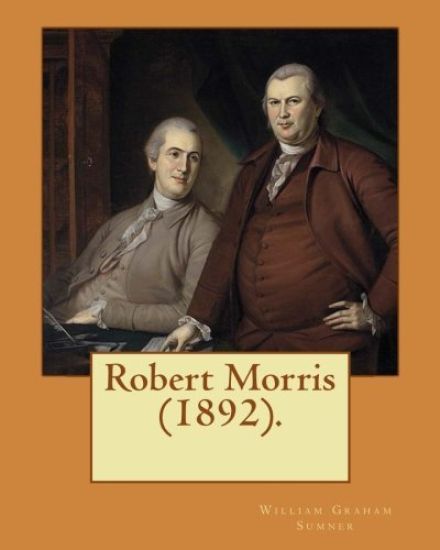
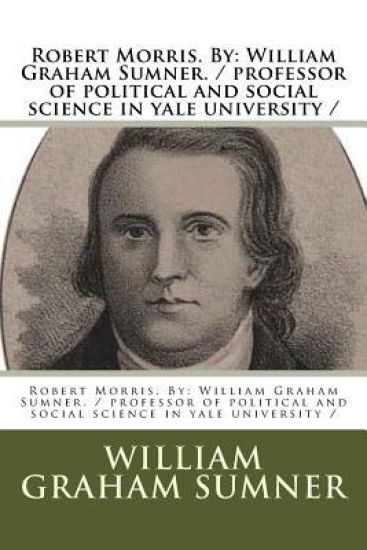
Robert Morris, Jr. ((January 20, 1734 - May 8, 1806), a Founding Father of the United States, was a Liverpool-born American merchant who financed the American Revolution and signed the Declaration of Independence, the Articles of Confederation, and the United States Constitution. Along with Alexander Hamilton and Albert Gallatin, he is widely regarded as one of the founders of the financial system of the United States. Born in Liverpool, Morris migrated to the United States in his teens, quickly becoming a successful businessman. In the aftermath of the French and Indian War, Morris became a prominent opponent of unpopular British policies like the Stamp Act. He was elected to the Pennsylvania Assembly, became the Chairman of the Pennsylvania Committee of Safety, and was chosen as a delegate to the Second Continental Congress. He served as chairman of the "Secret Committee of Trade" and as a member of the Committee of Correspondence. Though reluctant to break with Britain, he ultimately came to support the independence movement and emerged as an important financier of the American Revolutionary War. From 1781 to 1784, he served as the Superintendent of Finance of the United States, a forerunner to the position of Secretary of the Treasury. As the central civilian in the government, Morris was, next to General George Washington, "the most powerful man in America." 1] His successful administration led to the sobriquet, "Financier of the Revolution." At the same time he was Agent of Marine, a position he took without pay, and from which he controlled the Continental Navy. He successfully proposed numerous reforms including the creation of a national bank, but many of his ideas were not enacted. In 1787, he was elected as a delegate to the Philadelphia Convention, which created a more powerful federal government.................. William Graham Sumner (October 30, 1840 - April 12, 1910) was a classical liberal (now a branch of "libertarianism" in American political philosophy) American social scientist. He taught social sciences at Yale, where he held the nation's first professorship in sociology. He was one of the most influential teachers at Yale or any major schools. Sumner was a polymath with numerous books and essays on American history, economic history, political theory, sociology, and anthropology. He supported laissez-faire economics, free markets, and the gold standard. He adopted the term "ethnocentrism" to identify the roots of imperialism, which he strongly opposed. He was a spokesman against imperialism and in favor of the "forgotten man" of the middle class, a term he coined. He had a long-term influence on conservatism in the United States.Sumner wrote an autobiographical sketch for the fourth of the histories of the Class of 1863 Yale College. In 1925, Rev. Harris E. Starr, class of 1910 Yale Department of Theology, published the first full length biography of Sumner. A second full length biography by Bruce Curtis was published in 1981. Other authors have included biographical information about Sumner as shown by citations in this "Biography" section.Sumner was born in Paterson, New Jersey, on October 30, 1840. His father, Thomas Sumner, was born in England and immigrated to the United States in 1836. His mother, Sarah Graham, was also born in England. She was brought to the United States in 1825 by her parents. Sumner's mother died when he was eight.In 1841, Sumner's father went prospecting as far west as Ohio, but came back east to New England and settled in Hartford, Connecticut, in about 1845. Sumner wrote about his high regard for his father: "His principles and habits of life were the best possible." Earlier in his life, Sumner said, that he accepted from others "views and opinions" different from his father's. However, "at the present time," Sumner wrote, "in regard to those matters, I hold with him and not with the others." Sumner did not name the "matters"....
William Graham Sumner (October 30, 1840 - April 12, 1910) was a classical liberal (now a branch of "libertarianism" in American political philosophy) American social scientist. He taught social sciences at Yale, where he held the nation's first professorship in sociology. He was one of the most influential teachers at Yale or any major schools. Sumner wrote widely within the social sciences, with numerous books and essays on American history, economic history, political theory, sociology, and anthropology. He supported laissez-faire economics, free markets, and the gold standard. He adopted the term "ethnocentrism" to identify the roots of imperialism, which he strongly opposed. He was a spokesman against imperialism and in favor of the "forgotten man" of the middle class, a term he coined. He had a long-term influence on conservatism in the United States.Sumner wrote an autobiographical sketch for the fourth of the histories of the Class of 1863 Yale College. In 1925, Rev. Harris E. Starr, class of 1910 Yale Department of Theology, published the first full length biography of Sumner.A second full length biography by Bruce Curtis was published in 1981. Other authors have included biographical information about Sumner as shown by citations in this "Biography" section.Sumner was born in Paterson, New Jersey, on October 30, 1840. His father, Thomas Sumner, was born in England and immigrated to the United States in 1836. His mother, Sarah Graham, was also born in England. She was brought to the United States in 1825 by her parents. Sumner's mother died when he was eight.
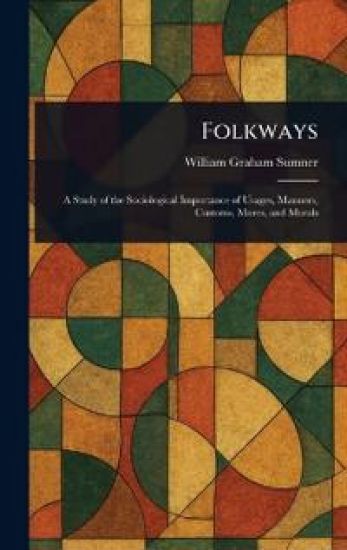
William Graham Sumner's "Folkways: A Study of the Sociological Importance of Usages, Manners, Customs, Mores, and Morals" remains a foundational text in the fields of sociology and cultural anthropology. This meticulously prepared edition allows readers to explore Sumner's groundbreaking analysis of social norms and their profound impact on human behavior. Delving into the origins and evolution of customs, "Folkways" examines how seemingly insignificant habits and traditions shape moral codes and societal structures. Sumner explores the power of "mores"-the deeply ingrained customs that dictate right and wrong-and their role in maintaining social order. His work provides insights into the development of ethical frameworks and the influence of cultural norms on individual lives. A cornerstone of social science, "Folkways" offers a comprehensive study of manners and customs, providing a framework for understanding the complex interplay between individual actions and collective beliefs. Discover the enduring relevance of Sumner's observations on the sociological importance of our everyday practices.This work has been selected by scholars as being culturally important, and is part of the knowledge base of civilization as we know it.This work is in the public domain in the United States of America, and possibly other nations. Within the United States, you may freely copy and distribute this work, as no entity (individual or corporate) has a copyright on the body of the work.Scholars believe, and we concur, that this work is important enough to be preserved, reproduced, and made generally available to the public. We appreciate your support of the preservation process, and thank you for being an important part of keeping this knowledge alive and relevant.
William Graham Sumner's "Folkways: A Study of the Sociological Importance of Usages, Manners, Customs, Mores, and Morals" remains a foundational text in the fields of sociology and cultural anthropology. This meticulously prepared edition allows readers to explore Sumner's groundbreaking analysis of social norms and their profound impact on human behavior. Delving into the origins and evolution of customs, "Folkways" examines how seemingly insignificant habits and traditions shape moral codes and societal structures. Sumner explores the power of "mores"-the deeply ingrained customs that dictate right and wrong-and their role in maintaining social order. His work provides insights into the development of ethical frameworks and the influence of cultural norms on individual lives. A cornerstone of social science, "Folkways" offers a comprehensive study of manners and customs, providing a framework for understanding the complex interplay between individual actions and collective beliefs. Discover the enduring relevance of Sumner's observations on the sociological importance of our everyday practices.This work has been selected by scholars as being culturally important, and is part of the knowledge base of civilization as we know it.This work is in the public domain in the United States of America, and possibly other nations. Within the United States, you may freely copy and distribute this work, as no entity (individual or corporate) has a copyright on the body of the work.Scholars believe, and we concur, that this work is important enough to be preserved, reproduced, and made generally available to the public. We appreciate your support of the preservation process, and thank you for being an important part of keeping this knowledge alive and relevant.