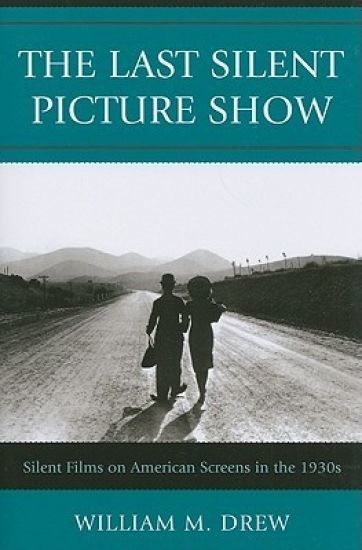
In 1927, The Jazz Singer heralded a revolution in the moviemaking industry with the advent of synchronized sound in full-length motion pictures. While movie studios adapted their production facilities to accommodate the new technology and movie theatres converted to sound, filmmakers continued to produce silents, albeit in dwindling numbers. And though talkies would overtake the industry and the public's demand soon enough, the silent motion picture did not disappear immediately. The Last Silent Picture Show: Silent Films on American Screens in the 1930s looks at this cultural shift. Drawing primarily on contemporary records, this book details the fate of an entire art form—the silent cinema—in the United States during the 1930s and how it managed to survive the onslaught of sound. Through the most diverse venues, from tent shows to universities, political meetings to picture palaces, ghetto theaters to art houses, the silent film continued to play an important role in American culture in the Depression years, culminating in the first efforts to chronicle and preserve cinema history. Through the voices of the audiences, critics, editors, and artists, Drew relates the impact of various silent films, whether new releases, reissues, or foreign imports, on the public and culture of the 30s—how they affected both the popular and intellectual environment and how they were promoted for their audiences. Providing an in-depth examination of the transitional period, which led to the birth of modern film studies, The Last Silent Picture Show is aimed not only at academics but also the large number of film devotees who will discover new information on a relatively neglected chapter of film history.