
Kirjahaku
Etsi kirjoja tekijän nimen, kirjan nimen tai ISBN:n perusteella.
22 kirjaa tekijältä William Mitchell Ross
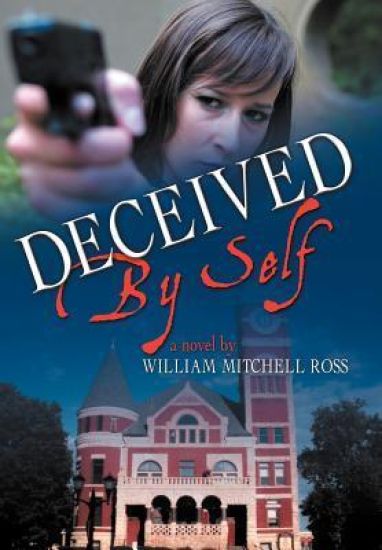


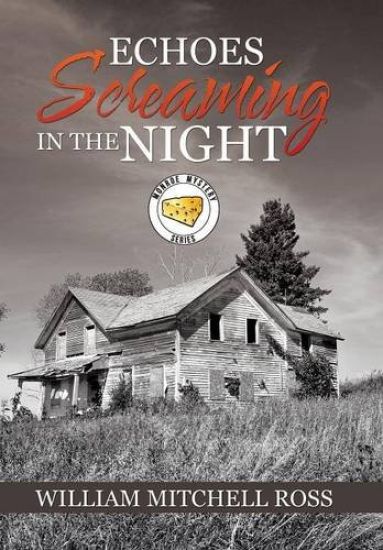
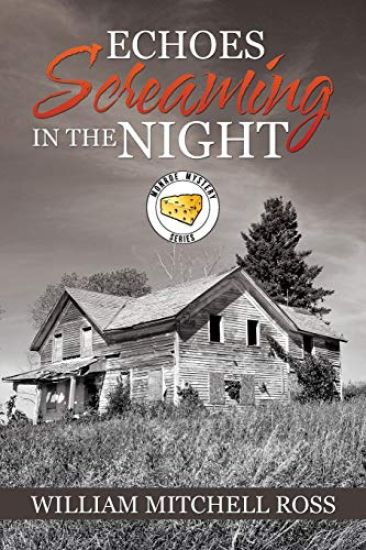
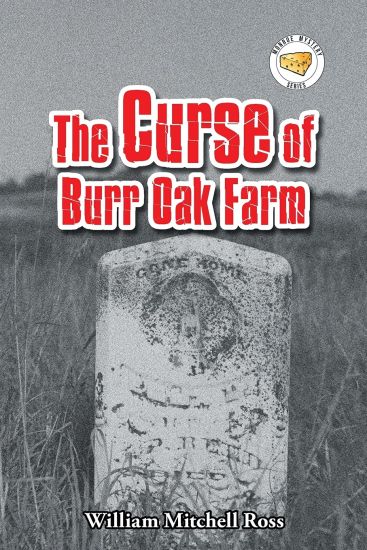
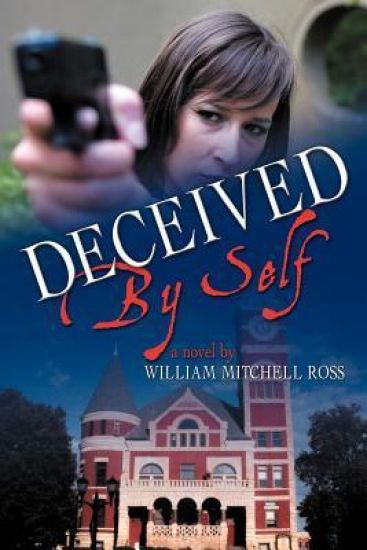
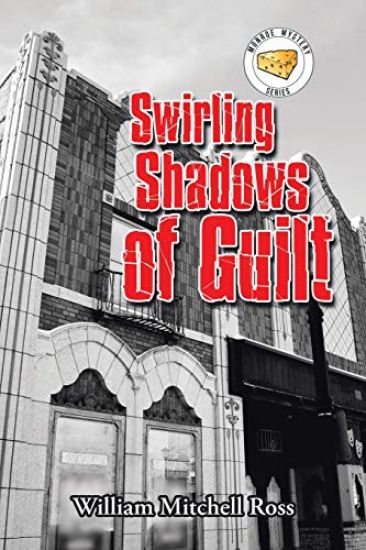
Since 1841, a farm place located off Exeter Crossing Road near New Glarus Wisconsin, has seen it's share of tragedy. A series of unnatural deaths and suicides have haunted the farm for decades. Superstition, ghosts and other paranormal activity is the legend of folklore surrounding the property. Over the years, hundreds of cars have slowly driven past the farm at dusk hoping to see a ghost or anything else to keep the myth alive. In May of 1974, a brutal murder occurred at the farm house. The wife of a prominent business man from Monroe was killed under suspicious circumstances. Green County Sheriff, Thomas Wahl, is understaffed and asked Monroe Police Chief, Brandon Johns, to handle the investigation. He agrees and along with Detective Samantha Gates begin to work their way through a maze of suspects, lies and deception in order to bring the killer to justice. At the same time, they must work through all the myths and folklore that swirls around the farm. Putting all the pieces of the puzzle together to find the killer has proved to be a very difficult challenge. As they get deeper into the investigation, their frustration grows. They seem to be missing that one piece of evidence that is hiding in plain sight. Will they find it and solve the case?
Since 1841, a farm place located off Exeter Crossing Road near New Glarus Wisconsin, has seen it's share of tragedy. A series of unnatural deaths and suicides have haunted the farm for decades. Superstition, ghosts and other paranormal activity is the legend of folklore surrounding the property. Over the years, hundreds of cars have slowly driven past the farm at dusk hoping to see a ghost or anything else to keep the myth alive. In May of 1974, a brutal murder occurred at the farm house. The wife of a prominent business man from Monroe was killed under suspicious circumstances. Green County Sheriff, Thomas Wahl, is understaffed and asked Monroe Police Chief, Brandon Johns, to handle the investigation. He agrees and along with Detective Samantha Gates begin to work their way through a maze of suspects, lies and deception in order to bring the killer to justice. At the same time, they must work through all the myths and folklore that swirls around the farm. Putting all the pieces of the puzzle together to find the killer has proved to be a very difficult challenge. As they get deeper into the investigation, their frustration grows. They seem to be missing that one piece of evidence that is hiding in plain sight. Will they find it and solve the case?
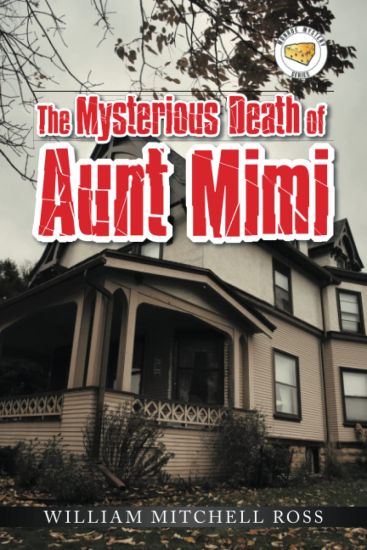
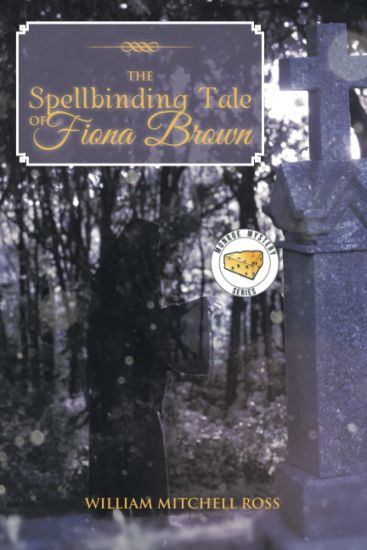
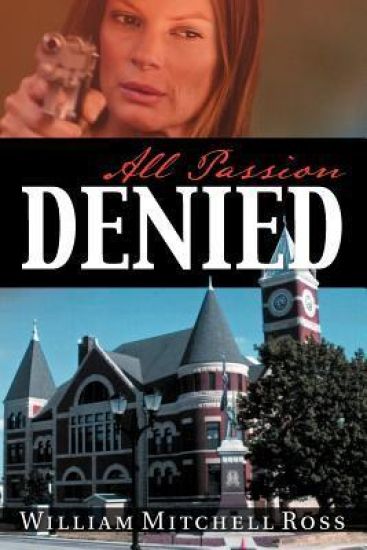
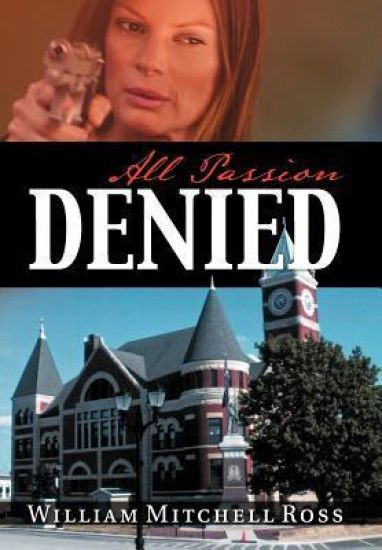
In the summer of 1977, in Monroe, Wisconsin, the sudden death of an elderly man who was living alone in his house looked like an accidental fall down a flight of stairs. However, Police Chief Brandon Johns and Det. Samantha Gates weren't totally convinced. Was it a suspicious death? A week later, a second victim, an elderly woman living alone in her house, met the same fate. Were the two deaths connected? Also, in 1977, the artifacts from the burned-out house of Fiona Brown went on sale at the local antiques store. In 1952, Fiona Brown had died in the suspected arson fire of her home. At the time, she had suffered under the moniker of being a witch because of her alternative lifestyle, brewing lotions and potions as medicinal remedies for health-related illnesses. The arsonist was never identified and prosecuted for her murder. Following the two mysterious deaths in 1977, the city was suddenly cast into a firestorm of rumors about both victims having purchased Fiona Brown's relics at the antiques store. Was that connection all the proof needed to show that Fiona's ghost was haunting the city, seeking revenge? This stampede of hysteria was hampering the police investigation. The murders were baffling the police, who were challenged and frustrated, trying to fit the pieces of the puzzle together. Then suddenly, the body of a third murder victim that summer was discovered. No immediate plausible explanation or link among the three recent deaths was apparent. Did the killer of Fiona Brown resurface? The police decided to reopen the cold case of Fiona Brown, looking for answers. Would they be able to unravel the mystery of her death and bring the killer or killers to justice for the other three deaths as well?
In the summer of 1977, in Monroe, Wisconsin, the sudden death of an elderly man who was living alone in his house looked like an accidental fall down a flight of stairs. However, Police Chief Brandon Johns and Det. Samantha Gates weren't totally convinced. Was it a suspicious death? A week later, a second victim, an elderly woman living alone in her house, met the same fate. Were the two deaths connected? Also, in 1977, the artifacts from the burned-out house of Fiona Brown went on sale at the local antiques store. In 1952, Fiona Brown had died in the suspected arson fire of her home. At the time, she had suffered under the moniker of being a witch because of her alternative lifestyle, brewing lotions and potions as medicinal remedies for health-related illnesses. The arsonist was never identified and prosecuted for her murder. Following the two mysterious deaths in 1977, the city was suddenly cast into a firestorm of rumors about both victims having purchased Fiona Brown's relics at the antiques store. Was that connection all the proof needed to show that Fiona's ghost was haunting the city, seeking revenge? This stampede of hysteria was hampering the police investigation. The murders were baffling the police, who were challenged and frustrated, trying to fit the pieces of the puzzle together. Then suddenly, the body of a third murder victim that summer was discovered. No immediate plausible explanation or link among the three recent deaths was apparent. Did the killer of Fiona Brown resurface? The police decided to reopen the cold case of Fiona Brown, looking for answers. Would they be able to unravel the mystery of her death and bring the killer or killers to justice for the other three deaths as well?
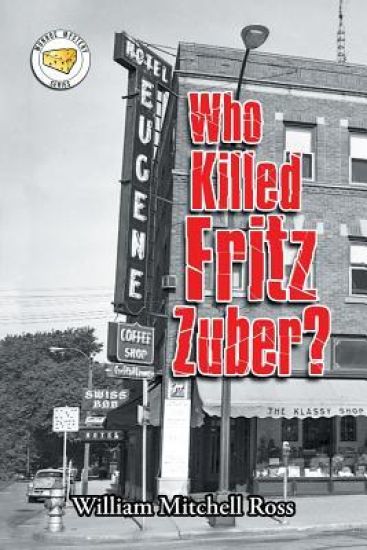
In March 1973, Norman Munz, a confessed killer, dies in prison from pneumonia. Twenty-two years earlier, he was arrested and sent to prison for the murder of Monroe police officer Gregory Figi. Over the years, his mother, Phyllis Munz, had petitioned the police and the governor to reopen the case. She was convinced that her son was innocent, and a grave injustice had occurred. Her determination and absolute belief in his innocence never wavered. Her son languishing in prison for a murder he didn't commit broke her heart. After his burial, Mrs. Munz was beside herself with grief. She owed it to herself and Norman to make one last plea to clear his name and to give her peace. She contacted Det. Samantha Gates at the Monroe PD to beg her to reopen the cold case to find justice for her son. At first, after hearing her concerns, Gates was intrigued but skeptical. The heartfelt, visceral emotions of Mrs. Munz wanting justice for her son resonated with the detective. Gates decided to look into the case, but a cold case is difficult being that it would rely heavily on faded memories, not to mention deceased witnesses. Nevertheless, Gates, who had never undertaken a cold case in her professional career, felt up to the challenge and immersed herself in the past. What surprises would she find as she works her way through a maze of entanglements in the past? Was Norman Munz was wrongfully convicted of murder and sent to prison? Only by lifting the veil concealing the true facts of the case and exposing the truth could her question be answered. Books by William Mitchell Ross in "Monroe Mystery Series" Deceived by Self All Passion Denied Love's Obsession Echoes Screaming in the Night A Greedy Vengeance Murder for Malice Who Killed Fritz Zuber? Swirling Shadows of Guilt
In March 1973, Norman Munz, a confessed killer, dies in prison from pneumonia. Twenty-two years earlier, he was arrested and sent to prison for the murder of Monroe police officer Gregory Figi. Over the years, his mother, Phyllis Munz, had petitioned the police and the governor to reopen the case. She was convinced that her son was innocent, and a grave injustice had occurred. Her determination and absolute belief in his innocence never wavered. Her son languishing in prison for a murder he didn't commit broke her heart. After his burial, Mrs. Munz was beside herself with grief. She owed it to herself and Norman to make one last plea to clear his name and to give her peace. She contacted Det. Samantha Gates at the Monroe PD to beg her to reopen the cold case to find justice for her son. At first, after hearing her concerns, Gates was intrigued but skeptical. The heartfelt, visceral emotions of Mrs. Munz wanting justice for her son resonated with the detective. Gates decided to look into the case, but a cold case is difficult being that it would rely heavily on faded memories, not to mention deceased witnesses. Nevertheless, Gates, who had never undertaken a cold case in her professional career, felt up to the challenge and immersed herself in the past. What surprises would she find as she works her way through a maze of entanglements in the past? Was Norman Munz was wrongfully convicted of murder and sent to prison? Only by lifting the veil concealing the true facts of the case and exposing the truth could her question be answered. Books by William Mitchell Ross in "Monroe Mystery Series" Deceived by Self All Passion Denied Love's Obsession Echoes Screaming in the Night A Greedy Vengeance Murder for Malice Who Killed Fritz Zuber? Swirling Shadows of Guilt