Kirjojen hintavertailu. Mukana 11 518 949 kirjaa ja 12 kauppaa.

Kirjahaku

Etsi kirjoja tekijän nimen, kirjan nimen tai ISBN:n perusteella.

8 kirjaa tekijältä Wilson Jeremiah Moses
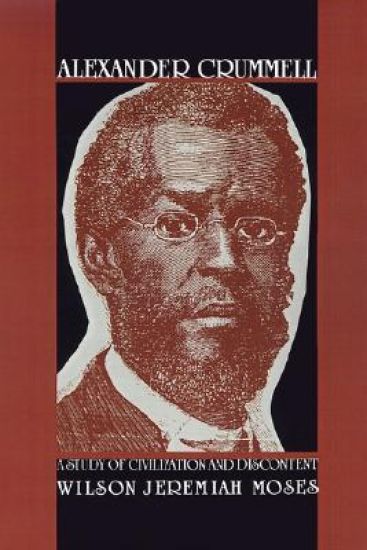
Alexander Crummell

Alexander Crummell

Wilson Jeremiah Moses

Oxford University Press Inc
1989
sidottu
Alexander Crummell (1819-1898) was one the most prominent Afro-American intellectuals of the nineteenth-century. This biography places Crummell's ideas within the context of his life and times.
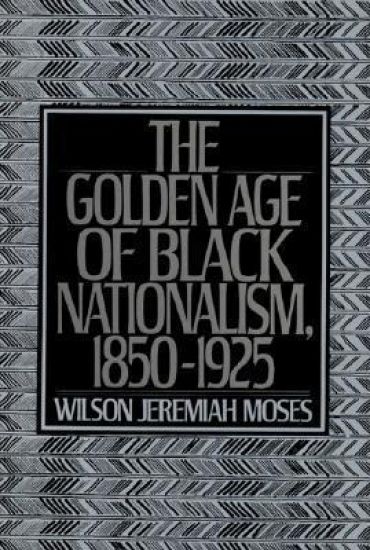
The Golden Age of Black Nationalism, 1850-1925

The Golden Age of Black Nationalism, 1850-1925

Wilson Jeremiah Moses

Oxford University Press Inc
1988
nidottu
In this controversial volume, Wilson Jeremiah Moses argues that by adopting European and American nationalist and separatist doctrines, black nationalism became, ironically, a vehicle for the assimilationist values among black American intellectuals. The book covers the period from the Compromise of 1850, with its Fugitive Slave Act, to the imprisonment of Marcus Garvey in 1925, and inc ludes a section on black nationalism in literature. 'This impressive study will stir controversy among black scholars and proponents of separatism. That Professor Moses, himself a black, regards the period a golden age is itself heretical in some eyes.' Publishers Weekly
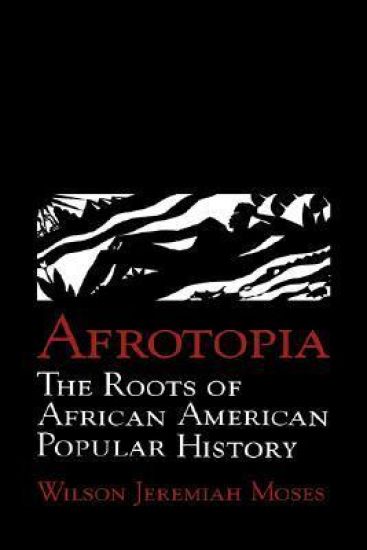
Afrotopia

Afrotopia

Wilson Jeremiah Moses

Cambridge University Press
1998
sidottu
Afrocentrism and its history has long been disputed and controversial. In this important book, Wilson Moses presents a critical and nuanced view of the issues. Tracing the origins of Afrocentrism since the eighteenth century, he examines the combination of various popular mythologies, some of them mystical and sentimental, others perfectly reasonable. This is a rich history of black intellectual life and the concept of race.
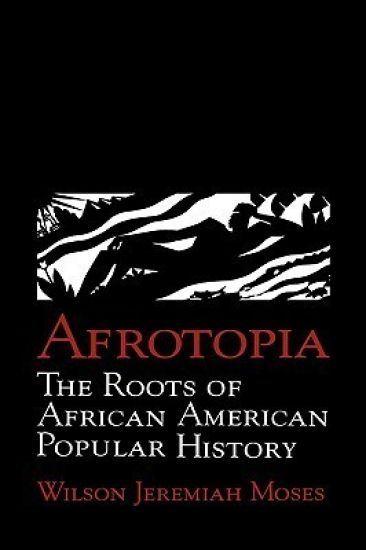
Afrotopia

Afrotopia

Wilson Jeremiah Moses

Cambridge University Press
1998
pokkari
Afrocentrism and its history has long been disputed and controversial. In this important book, Wilson Moses presents a critical and nuanced view of the issues. Tracing the origins of Afrocentrism since the eighteenth century, he examines the combination of various popular mythologies, some of them mystical and sentimental, others perfectly reasonable. This is a rich history of black intellectual life and the concept of race.
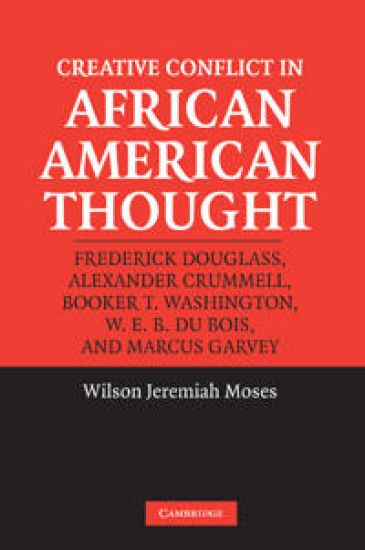
Creative Conflict in African American Thought

Creative Conflict in African American Thought

Wilson Jeremiah Moses

Cambridge University Press
2004
pokkari
Building upon his previous work and using Richard Hofstadter’s The American Political Tradition as a model, Professor Moses has revised and brought together in this book essays that focus on the complexity of, and contradictions in, the thought of five major African-American intellectuals: Frederick Douglass, Alexander Crummell, Booker T. Washington, W. E. B. DuBois and Marcus M. Garvey. In doing so, he challenges both popular and scholarly conceptions of them as villains or heroes. In analyzing the intellectual struggles and contradictions of these five dominant personalities with regard to individual morality and collective reform, Professor Moses shows how they contributed to strategies for black improvement and puts them within the context of other currents of American thought, including Jeffersonian and Jacksonian democracy, Social Darwinism, and progressivism.
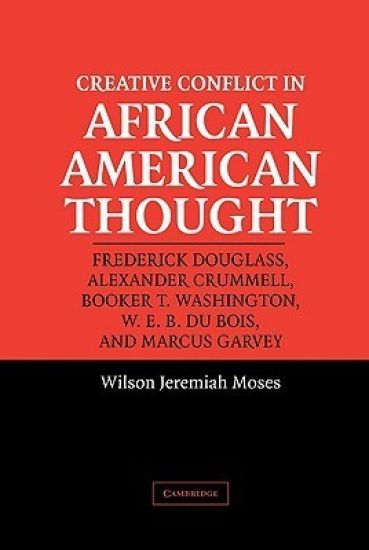
Creative Conflict in African American Thought

Creative Conflict in African American Thought

Wilson Jeremiah Moses

Cambridge University Press
2004
sidottu
Building upon his previous work and using Richard Hofstadter's The American Political Tradition as a model, Professor Moses has revised and brought together in this book essays that focus on the complexity of, and contradictions in, the thought of five major African-American intellectuals: Frederick Douglass, Alexander Crummell, Booker T. Washington, W. E. B. DuBois and Marcus M. Garvey. In doing so, he challenges both popular and scholarly conceptions of them as villains or heroes. In analyzing the intellectual struggles and contradictions of these five dominant personalities with regard to individual morality and collective reform, Professor Moses shows how they contributed to strategies for black improvement and puts them within the context of other currents of American thought, including Jeffersonian and Jacksonian democracy, Social Darwinism, and progressivism.
Thomas Jefferson

Thomas Jefferson

Wilson Jeremiah Moses

Cambridge University Press
2023
pokkari
In Thomas Jefferson: A Modern Prometheus, Wilson Jeremiah Moses provides a critical assessment of Thomas Jefferson and the Jeffersonian influence. Scholars of American history have long debated the legacy of Thomas Jefferson. However, Moses deviates from other interpretations by positioning himself within an older, 'Federalist' historiographic tradition, offering vigorous and insightful commentary on Jefferson, the man and the myth. Moses specifically focuses on Jefferson's complexities and contradictions. Measuring Jefferson's political accomplishments, intellectual contributions, moral character, and other distinguishing traits against contemporaries like George Washington and Benjamin Franklin but also figures like Machiavelli and Frederick the Great, Moses contends that Jefferson fell short of the greatness of others. Yet amid his criticism of Jefferson, Moses paints him as a cunning strategist, an impressive intellectual, and a consummate pragmatist who continually reformulated his ideas in a universe that he accurately recognized to be unstable, capricious, and treacherous.
Thomas Jefferson

Thomas Jefferson

Wilson Jeremiah Moses

Cambridge University Press
2019
sidottu
In Thomas Jefferson: A Modern Prometheus, Wilson Jeremiah Moses provides a critical assessment of Thomas Jefferson and the Jeffersonian influence. Scholars of American history have long debated the legacy of Thomas Jefferson. However, Moses deviates from other interpretations by positioning himself within an older, 'Federalist' historiographic tradition, offering vigorous and insightful commentary on Jefferson, the man and the myth. Moses specifically focuses on Jefferson's complexities and contradictions. Measuring Jefferson's political accomplishments, intellectual contributions, moral character, and other distinguishing traits against contemporaries like George Washington and Benjamin Franklin but also figures like Machiavelli and Frederick the Great, Moses contends that Jefferson fell short of the greatness of others. Yet amid his criticism of Jefferson, Moses paints him as a cunning strategist, an impressive intellectual, and a consummate pragmatist who continually reformulated his ideas in a universe that he accurately recognized to be unstable, capricious, and treacherous.