Kirjojen hintavertailu. Mukana 11 244 527 kirjaa ja 12 kauppaa.

Kirjahaku

Etsi kirjoja tekijän nimen, kirjan nimen tai ISBN:n perusteella.

7 kirjaa tekijältä Yoel Cohen

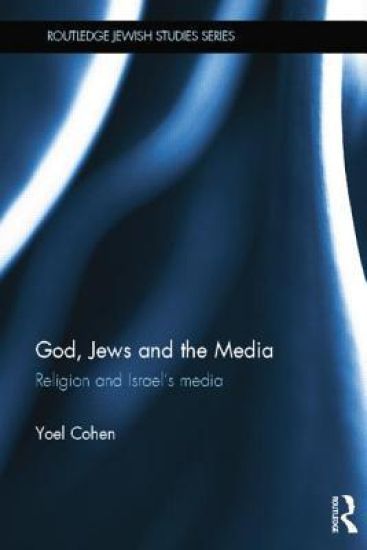
God, Jews and the Media

God, Jews and the Media

Yoel Cohen

Routledge
2012
sidottu
In order to understand contemporary Jewish identity in the twenty-first century, one needs to look beyond the Synagogue, the holy days and Jewish customs and law to explore such modern phenomena as mass media and their impact upon Jewish existence. This book delves into the complex relationship between Judaism and the mass media to provide a comprehensive examination of modern Jewish identity in the information age. Covering Israel as well as the Diaspora populations of the US and UK, the author looks at journalism, broadcasting, advertising and the internet to give a wide-ranging analysis of how the Jewish religion and Jewish people have been influenced by the media age. He tackles questions such as: What is the impact of Judaism on mass media? How is the religion covered in the secular Israeli media? Does the coverage strengthen religious identity? What impact does the media have upon secular-religious tensions? Chapters explore how the impact of Judaism is to be found particularly in the religious media in Israel – haredi and modern Orthodox – and looks at the evolution of new patterns of religious advertising, the growth and impact of the internet on Jewish identity, and the very legitimacy of certain media in the eyes of religious leaders. Also examined are such themes as the marketing of rabbis, the `Holyland’ dimension in foreign media reporting from Israel, and the media’s role in the Jewish Diaspora. An important addition to the existing literature on the nature of Jewish identity in the modern world, this book will be of great interest to scholars of media studies, media and religion, sociology, Jewish studies, religion and politics, as well as to the broader Jewish and Israeli communities.
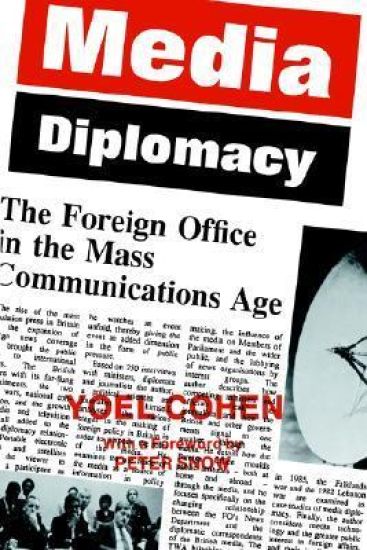
Whistleblowers and the Bomb

Whistleblowers and the Bomb

Yoel Cohen

Pluto Press
2005
pokkari
Mordechai Vanunu was a technician working at a nuclear arms research project who revealed to the world in 1986 that Israel was secretly producing nuclear armaments. After the disclosure of the affair by the Sunday Times, Vanunu was kidnapped by Mossad, tried behind closed doors and imprisoned for 18 years for treason. He was finally released in 2004. This authoritative account of the Vanunu affair uses first-hand material from the trial, and draws on an interview that the author has had with Vanunu since his release. The evidence presents a vivid account of the problems of nuclear secrecy in a democracy. It also provides a rare glimpse into official attitudes to nuclear secrecy in Israel. This is a new edition of a book that was hailed as an authoritative account of the Vanunu affair on its original release. It is now thoroughly revised and updated, to offer a timely reassessment of a world-famous whistleblower and the questions he has brought to light.
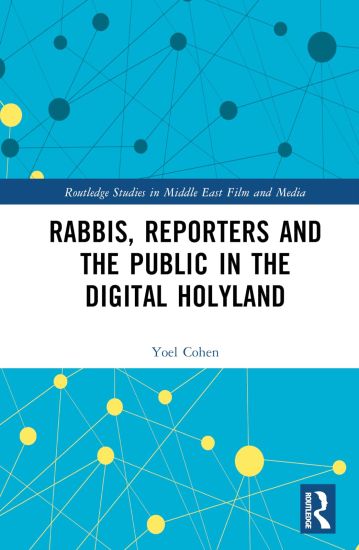
Rabbis, Reporters and the Public in the Digital Holyland
Focused on the triangular relationship between rabbis, journalists and the public, this book analyses each group’s role in influencing the agenda around religion in Israel.The book draws upon the author's original research, comprising an analysis of the coverage of religion on four Israeli news websites, a series of surveys of rabbis, journalists, and the public, as well as a large number of interviews conducted with a range of stakeholders: community rabbis, teacher rabbis, and religious court judges; reporters, editors, and spokespersons; and the Israeli Jewish public. Key questions include:What are rabbis’ philosophical views of the media?How does the media define news about Judaism?What aspect of news about religion and spirituality interest the public?How do spokespersons and rabbis influence the news agenda?How is the triangular relationship between rabbis, journalists and the public being altered by the digital age?Despite a lack of understanding about mass media behaviour among many rabbis, and, concurrently, a lack of knowledge about religion among many journalists, it is argued that there is shared interest between the two groups, both in support of mass-media values like the right to know and freedom of expression. It is further argued that the public's attitude to news about religion is significant in determining what journalists should publish.The book will be of interest to those studying mass communications, the media, Judaism and Israeli society, as well as researchers of media and religion.
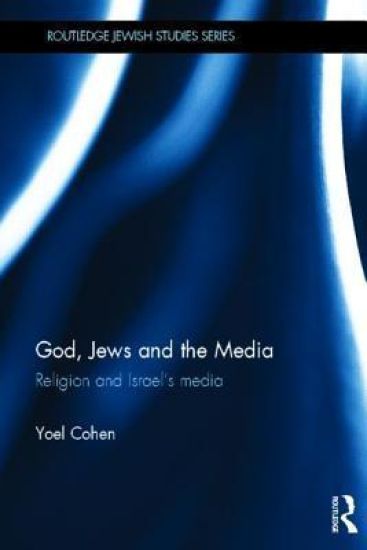
God, Jews and the Media

God, Jews and the Media

Yoel Cohen

Routledge
2015
nidottu
In order to understand contemporary Jewish identity in the twenty-first century, one needs to look beyond the Synagogue, the holy days and Jewish customs and law to explore such modern phenomena as mass media and their impact upon Jewish existence. This book delves into the complex relationship between Judaism and the mass media to provide a comprehensive examination of modern Jewish identity in the information age. Covering Israel as well as the Diaspora populations of the US and UK, the author looks at journalism, broadcasting, advertising and the internet to give a wide-ranging analysis of how the Jewish religion and Jewish people have been influenced by the media age. He tackles questions such as: What is the impact of Judaism on mass media? How is the religion covered in the secular Israeli media? Does the coverage strengthen religious identity? What impact does the media have upon secular-religious tensions? Chapters explore how the impact of Judaism is to be found particularly in the religious media in Israel – haredi and modern Orthodox – and looks at the evolution of new patterns of religious advertising, the growth and impact of the internet on Jewish identity, and the very legitimacy of certain media in the eyes of religious leaders. Also examined are such themes as the marketing of rabbis, the `Holyland’ dimension in foreign media reporting from Israel, and the media’s role in the Jewish Diaspora. An important addition to the existing literature on the nature of Jewish identity in the modern world, this book will be of great interest to scholars of media studies, media and religion, sociology, Jewish studies, religion and politics, as well as to the broader Jewish and Israeli communities.
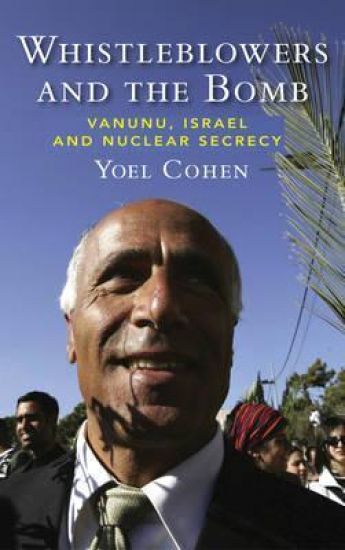
Rabbis, Reporters and the Public in the Digital Holyland
Focused on the triangular relationship between rabbis, journalists and the public, this book analyses each group’s role in influencing the agenda around religion in Israel.The book draws upon the author's original research, comprising an analysis of the coverage of religion on four Israeli news websites, a series of surveys of rabbis, journalists, and the public, as well as a large number of interviews conducted with a range of stakeholders: community rabbis, teacher rabbis, and religious court judges; reporters, editors, and spokespersons; and the Israeli Jewish public. Key questions include:What are rabbis’ philosophical views of the media?How does the media define news about Judaism?What aspect of news about religion and spirituality interest the public?How do spokespersons and rabbis influence the news agenda?How is the triangular relationship between rabbis, journalists and the public being altered by the digital age?Despite a lack of understanding about mass media behaviour among many rabbis, and, concurrently, a lack of knowledge about religion among many journalists, it is argued that there is shared interest between the two groups, both in support of mass-media values like the right to know and freedom of expression. It is further argued that the public's attitude to news about religion is significant in determining what journalists should publish.The book will be of interest to those studying mass communications, the media, Judaism and Israeli society, as well as researchers of media and religion.