Kirjahaku
Etsi kirjoja tekijän nimen, kirjan nimen tai ISBN:n perusteella.
535 kirjaa tekijältä August Strindberg
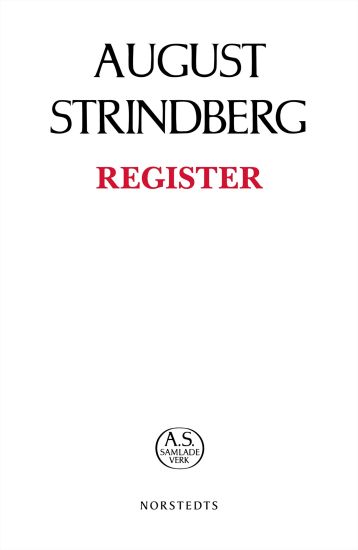
Nationalupplagan av August Strindbergs Samlade Verk innehåller alla texter som Strindberg författat - skådespel, romaner, noveller, dikter, essäer, uppsatser och tidningsartiklar etcetera. Utgivningen inleddes 1981 med I vårbrytningen och Röda rummet. De sista textvolymerna, Ockulta Dagboken och Hemsöborna, utgavs 2012.Registervolymen till Samlade Verk innehåller nödvändiga hjälpmedel för att få överblick över de drygt 20 000 sidor Strindbergstext som publicerats i nationalupplagan.Volymen omfattar ett alfabetiskt register till alla delar i utgåvan, en innehållsförteckning till samtliga delar, alla baksidestexter samt en kort historik över utgivningen av Samlade Verk från starten på 1970-talet till 2013.
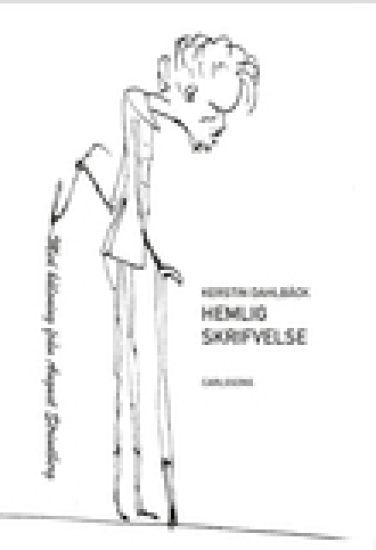
Till Härnäst! August Strindberg. Brev 18581912 i urval och med kommentarer av Kerstin Dahlbäck. Varför läser man gamla brev? Kanske för att slippa ut ur den bur det egna tidsrummet utgör och sätta ur spel det tillbakablickande perspektivet, som sorterar händelser och personer i fallande skala efter yngst till äldst, nära och långt ifrån. Varför läser man August Strindbergs brev? För att Strindberg är en av våra största författare och brevskrivare, som exponerar och artikulerar våra mänskliga erfarenheter av sorg, kärlek, glädje, vrede, småsinthet och avundsjuka. Så inleder Kerstin Dahlbäck sin bok om August Strindberg, Hemlig skrifvelse. Den är ett snabbspår genom Strindbergs liv och dikt. Läsaren kan förundras och förargas, hans idéer är inte sällan stolliga och hans tilltal ibland fräckt och utan empati. Men man kapitulerar alltid för hans språkliga vitalitet och stilistiska ekvilibristik. Kerstin Dahlbäck, professor emeritus i litteraturvetenskap vid Stockholms universitet, har i sin forskning fokuserat två av Sveriges största författarskap, August Strindbergs och Hjalmar Bergmans. Bredvid studier i deras verk har hon skrivit om dem som brevskrivare, kommenterat och givit ut brev, senast Hjalmar Bergman Brev I-IV, 1897-1930.
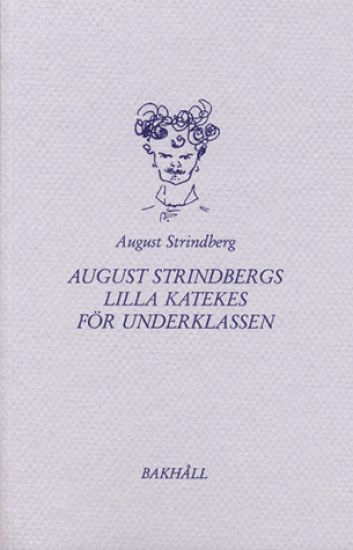
En liten bok med mycket upproriskt innehåll: August Strindbergs Lilla katekes för underklassen - en furiös stridsskrift slungad mot hela etablissemanget, en rallarsving mot hela samhällsbygget. Kontentan är att det mesta i samhällsordningen (lagen, moralen, politiken, religionen, kulturen osv) är konstruktioner som överklassen har skapat för att försäkra sig om makten. T ex "Vad är lagar? Svar: Överklassens uppfinning att på så kallad laglig väg hålla underklassen under sig", "Vad är ekonomi? Svar: En vetenskap uppfunnen av överklassen för att komma åt frukten av underklassens arbete."
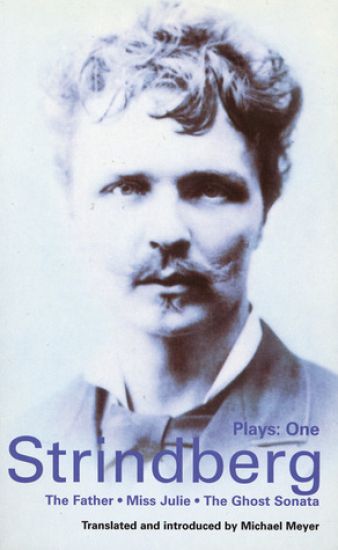
This volume contains three of Strindberg's most famous plays, spanning twenty years of prodigious creativity and recurrent personal crises: The Father, which displays Strindberg's suspicion of women at its most implacable, 'powerful and profound' (Guy de Maupassant); Miss Julie (1888), which he called his masterpiece, and in which he presents with startling modernity the conflict between sexual passion and social position; and The Ghost Sonata (1907), written in physical pain and spiritual torment, which is a phantasmagoric dream play, 'a direct source for the Theatre of the Absurd' (Martin Esslin)."Michael Meyer is the translator most actors turn to when seeking a definitive text" (Sunday Times)
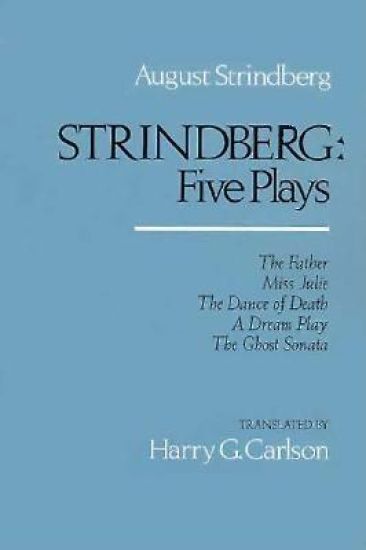
Strindberg's most important and most frequently performed plays - "The Father", "Miss Julie", "A Dream Play", "The Dance of Death", and "The Ghost Sonata" - are gathered together here in translations praised for their fluency and their elegance.
Strindberg's Queen Christina, Charles XII, Gustav III
August Strindberg
Literary Licensing, LLC
2011
nidottu
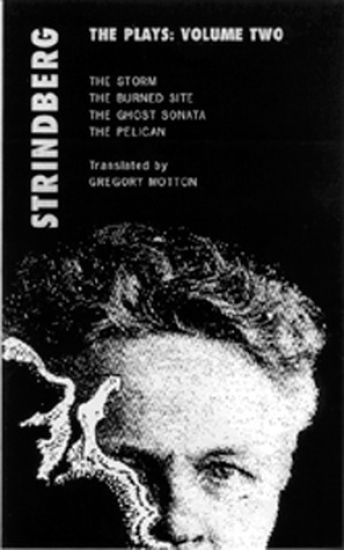
Includes The Chamber Plays (The Storm, The Burned Site, The Ghost Sonata, The Pelican, The Black Glove) and The Great Highway August Strindberg, the great Swedish dramatist and author, had a profound influence on European drama. His career was particularly marked by a desire to experiment with and redefine theatre. With roots in psychological naturalism, he was nevertheless fascinated by symbols, dreams and fantasies.His later plays anticipated and paved the way for surrealistic, expressionistic and absurdist theatre.This, the second volume of the plays of Strindberg publishedby Oberon Books, contains the Chamber Plays (The Storm, The Burned Site, The Ghost Sonata, The Pelican, The Black Glove) - some of the most characteristic and original of Strindberg's works - as well as Strindberg's last great play, written shortly before his death. This is The Great Highway, one of the expressionist masterpiecesof modern drama. A man walks the Alps encountering feuding millers, a hermit, a murderer, a Japanese man resolved to burn himself to death to cleanse him of his existence, and a little girl waiting for her father to return. In the end he seeks to justify his life to an unknown woman whilst coughing blood into his handkerchief. The Tempter himself arrives with an offer from the Grand Duke...Gregory Motton's translations combine an unprecedented faithfulness to Strindberg's original texts with the natural fluency of one of our most linguistically able contemporary playwrights.
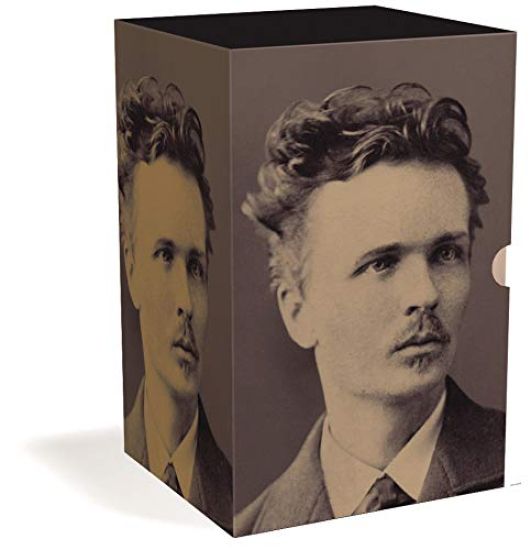
I boxen ingår följande titlar ut August Strindbergs produktion:Giftas, Inferno, En dåres försvarstal, Tjänstekvinnans son och Svarta fanor.

Djupt nere i Kungliga bibliotekets bergrum förvaras August Strindbergs efterlämnade papper i »Gröna säcken«. Ett myller av manuskript med anteckningar och utkast. Här presenteras ett urval från denna giftiga gröna skatt i urval av Magnus Florin och Ulf Olsson.
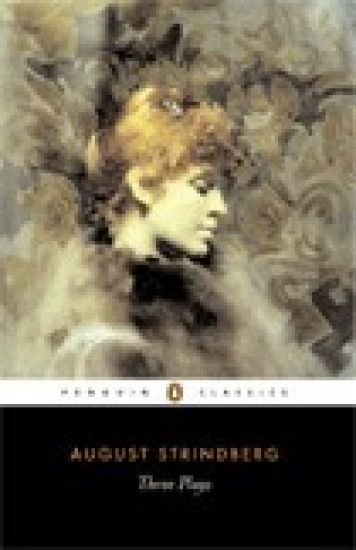
The three plays in this volume focus on the tumultuous relationships between men and women, whether they are father and daughter, brother and sister or lovers. Miss Julie is a ruthlessly realistic depiction of an upper class woman's seduction of a servant, emphasizing the differences and the antagonism between them. In The Father a man is brought to madness and driven out of his home by the suspicion that his daughter is not his own child, while Easter centres on a family in need of redemption for its sins and suffering, finding forgiveness at a season of rebirth. Strindberg's acute psychological analysis and his dramatization of naked emotion within a naturalistic domestic setting make him one of the great innovators of the modern theatre.
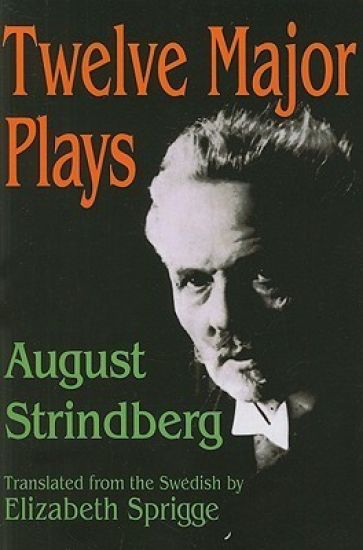
August Strindberg is one of the founders of the modern theater. George Bernard Shaw considered him "the only genuinely Shakespearian modern dramatist," Sean O'Casey called him "the greatest of them all." And to Eugene O'Neill he was "the greatest interpreter in the theater of the characteristic spiritual conflicts of our lives today." Twelve Major Plays includes the most famous and most characteristic Strindberg plays.This selection is particularly interesting in its depiction of the great range of Strindberg's moods and styles, from naturalism to expressionism, from ironic comedy to bitter tragedy. It displays his great gift for symbolic, mystical verse as well as his command of dramatic prose. In issues of sex and gender, Strindberg anticipated the modern temperament in society and drama alike.These translations gave American readers their first opportunity to know the true genius of Strindberg. Most previous versions in English had been based on existing German translations. Elizabeth Sprigge's unique achievement was to render the original Swedish texts into English that is at once fluent and accurate and that captures the full vigor and impact of the original plays.

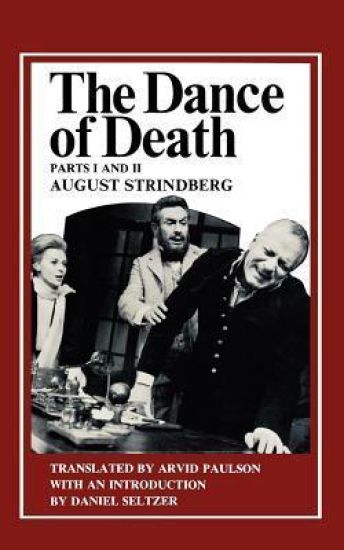
During the past two decades, The Dance of Death, Strindberg’s long and taxing family drama, has come to be considered his masterpiece. Produced by major companies in New York and London, filmed once with Erich von Stroheim and then with Sir Laurence Olivier in the lead, adapted by Friedrich Dürrenmatt as Play Strindberg, and a direct influence on Edward Albee’s Who’s Afraid of Virginia Woolf?, The Dance of Death has established itself as one of the key works of the modern theater.
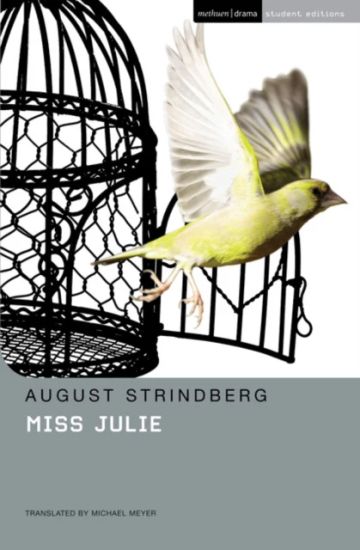
Miss Julie (1888), written in a fortnight, was regarded by Strindberg as his masterpiece, 'the first naturalistic tragedy of the Swedish drama'. Shocking in subject-matter, revolutionary in technique, it was fiercely attacked on publication for immorality. On Midsummer Eve, Miss Julie, the daughter of a count, sleeps with her father's valet, Jean. The subsequent conflict between sexual passion and social position, which leads to her suicide, is presented with startling modernity. The play's premiere at Strindberg's experimental theatre in Denmark in 1889 was banned by the censor and its first public production three years later in Berlin aroused such protests that it was withdrawn after one performance. Miss Julie has since become one of Strindberg's most popular and frequently performed plays. Commentary and notes by David Thomas and Jo Taylor.
One of the greatest classics of modern theater — the fateful drama of a willful young aristocrat's seduction of her father's valet during a Midsummer's Eve celebration. Inspired by the new ideas of naturalism and psychology that swept Europe in the late 19th century, the play is reprinted here complete with Strindberg's critical preface.
'There is a sordid and disgusting atmosphere,which makes the immorality of the play glaring and crude. There is the very questionable theme in these days of the relationship between masters and servants, which this play tends to undermine.' Lord Cromer, who banned performances of Miss Julie from the English stage in October 1925It's Midsummer's Eve in the kitchen of a nobleman's house and his haughty daughter Julie flirts and plays with Jean, her father's manservant. But it's a dangerous game and once she has been seduced by him he holds the upper hand.Miss Julie, Strindberg's mighty play on power, sex and class is presented here in a coruscating version by Frank McGuinness.