Kirjahaku
Etsi kirjoja tekijän nimen, kirjan nimen tai ISBN:n perusteella.
44 kirjaa tekijältä Emily Post


101 Common Mistakes in Etiquette and How to Avoid Them
Emily Post
Literary Licensing, LLC
2013
nidottu
Etiquette: In Society, In Business, In Politics, and at Home
Emily Post
Createspace Independent Publishing Platform
2014
nidottu
Etiquette in Society, in Business, in Politics, and at Home (1922)
Emily Post
Literary Licensing, LLC
2014
sidottu
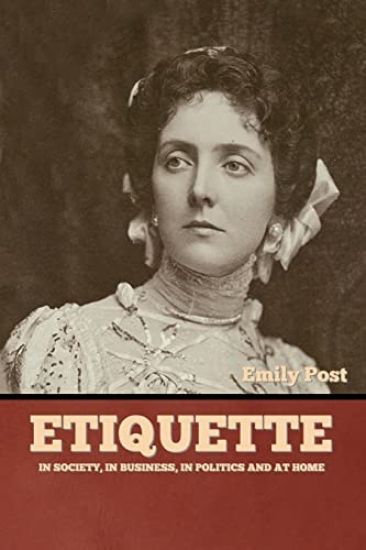
Etiquette In Society, In Business, In Politics, And At Home is a classic guide to proper behavior and social graces written by Emily Post and first published in 1922. The book covers a wide range of topics related to etiquette, including introductions, conversation, dress codes, table manners, gift-giving, weddings, funerals, and more. It offers practical advice on how to navigate various social situations with grace and poise, and emphasizes the importance of good manners in both personal and professional settings. The book also includes sections on etiquette in the workplace, in politics, and in international settings, making it a comprehensive guide for anyone looking to improve their social skills and navigate the complexities of modern society. With its timeless advice and elegant prose, Etiquette In Society, In Business, In Politics, And At Home remains a valuable resource for anyone seeking to master the art of social graces.This Is A New Release Of The Original 1922 Edition.This scarce antiquarian book is a facsimile reprint of the old original and may contain some imperfections such as library marks and notations. Because we believe this work is culturally important, we have made it available as part of our commitment for protecting, preserving, and promoting the world's literature in affordable, high quality, modern editions, that are true to their original work.




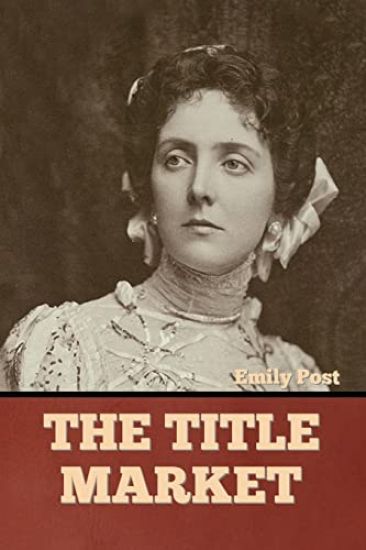
Emily Post (n e Price; c. October 27, 1872 - September 25, 1960) was an American author, novelist, and socialite, famous for writing about etiquette.Post began to write once her two sons were old enough to attend boarding school. Her early work included humorous travel books, newspaper articles on architecture and interior design, and magazine serials for Harper's, Scribner's, and The Century. She wrote five novels: Flight of a Moth (1904), Purple and Fine Linen (1905), Woven in the Tapestry (1908), The Title Market (1909), and The Eagle's Feather (1910). In 1916, she published By Motor to the Golden Gate - a recount of a road trip she made from New York to San Francisco with her son Edwin and another companion.Post wrote her first etiquette book Etiquette in Society, in Business, in Politics, and at Home (1922, frequently referenced as Etiquette) when she was 50. It became a best-seller with numerous editions over the following decades. After 1931, Post spoke on radio programs and wrote a column on good taste for the Bell Syndicate. The column appeared daily in over 200 newspapers after 1932.In her review of Claridge's 2008 biography of Post, The New York Times' Dinitia Smith explains the keys to Post's popularity: Such books had always been popular in America: the country's exotic mix of immigrants and newly rich were eager to fit in with the establishment. Men had to be taught not to blow their noses into their hands or to spit tobacco onto ladies' backs. Arthur M. Schlesinger, who wrote "Learning How to Behave: A Historical Study of American Etiquette Books" in 1946, said that etiquette books were part of "the leveling-up process of democracy," an attempt to resolve the conflict between the democratic ideal and the reality of class. But Post's etiquette books went far beyond those of her predecessors. They read like short-story collections with recurring characters, the Toploftys, the Eminents, the Richan Vulgars, the Gildings and the Kindharts.In 1946, Post founded The Emily Post Institute, which continues her work. (wikipedia.org)
Emily Post (n e Price; c. October 27, 1872 - September 25, 1960) was an American author, novelist, and socialite, famous for writing about etiquette.Post began to write once her two sons were old enough to attend boarding school. Her early work included humorous travel books, newspaper articles on architecture and interior design, and magazine serials for Harper's, Scribner's, and The Century. She wrote five novels: Flight of a Moth (1904), Purple and Fine Linen (1905), Woven in the Tapestry (1908), The Title Market (1909), and The Eagle's Feather (1910). In 1916, she published By Motor to the Golden Gate - a recount of a road trip she made from New York to San Francisco with her son Edwin and another companion.Post wrote her first etiquette book Etiquette in Society, in Business, in Politics, and at Home (1922, frequently referenced as Etiquette) when she was 50. It became a best-seller with numerous editions over the following decades. After 1931, Post spoke on radio programs and wrote a column on good taste for the Bell Syndicate. The column appeared daily in over 200 newspapers after 1932.In her review of Claridge's 2008 biography of Post, The New York Times' Dinitia Smith explains the keys to Post's popularity: Such books had always been popular in America: the country's exotic mix of immigrants and newly rich were eager to fit in with the establishment. Men had to be taught not to blow their noses into their hands or to spit tobacco onto ladies' backs. Arthur M. Schlesinger, who wrote "Learning How to Behave: A Historical Study of American Etiquette Books" in 1946, said that etiquette books were part of "the leveling-up process of democracy," an attempt to resolve the conflict between the democratic ideal and the reality of class. But Post's etiquette books went far beyond those of her predecessors. They read like short-story collections with recurring characters, the Toploftys, the Eminents, the Richan Vulgars, the Gildings and the Kindharts.In 1946, Post founded The Emily Post Institute, which continues her work. (wikipedia.org)
CONTENTS Introduction I What Is Best SocietyII Introductions III Greetings IV Salutations Of Courtesy V On The Street And In Public VI At Public Gatherings VII Conversation VIII Words, Phrases And Pronunciation IX One's Position In The Community X Cards And Visits XI Invitations, Acceptances And Regrets XII The Well-Appointed House XIII Teas And Other Afternoon Parties XIV Formal Dinners XV Dinner-Giving With Limited Equipment XVI Luncheons, Breakfasts And Suppers XVII Balls And Dances XVIII The D butante XIX The Chaperon And Other Conventions XX Engagements XXI First Preparations Before A Wedding XXII The Day Of The Wedding XXIII Christenings XXIV Funerals XXV The Country House And Its Hospitality XXVI The House Party In Camp XXVII Notes And Shorter Letters XXVIII Longer Letters XXIX The Fundamentals Of Good Behavior XXX Clubs And Club Etiquette XXXI Games And Sports XXXII Etiquette In Business And Politics XXXIII Dress XXXIV The Clothes Of A Gentleman XXXV The Kindergarten Of Etiquette XXXVI Every-Day Manners At Home XXXVII Traveling At Home And Abroad XXXVIII The Growth Of Good Taste In America
CONTENTS Introduction I What Is Best SocietyII Introductions III Greetings IV Salutations Of Courtesy V On The Street And In Public VI At Public Gatherings VII Conversation VIII Words, Phrases And Pronunciation IX One's Position In The Community X Cards And Visits XI Invitations, Acceptances And Regrets XII The Well-Appointed House XIII Teas And Other Afternoon Parties XIV Formal Dinners XV Dinner-Giving With Limited Equipment XVI Luncheons, Breakfasts And Suppers XVII Balls And Dances XVIII The D butante XIX The Chaperon And Other Conventions XX Engagements XXI First Preparations Before A Wedding XXII The Day Of The Wedding XXIII Christenings XXIV Funerals XXV The Country House And Its Hospitality XXVI The House Party In Camp XXVII Notes And Shorter Letters XXVIII Longer Letters XXIX The Fundamentals Of Good Behavior XXX Clubs And Club Etiquette XXXI Games And Sports XXXII Etiquette In Business And Politics XXXIII Dress XXXIV The Clothes Of A Gentleman XXXV The Kindergarten Of Etiquette XXXVI Every-Day Manners At Home XXXVII Traveling At Home And Abroad XXXVIII The Growth Of Good Taste In America