
Kirjahaku
Etsi kirjoja tekijän nimen, kirjan nimen tai ISBN:n perusteella.
24 kirjaa tekijältä Jonathan Trigg
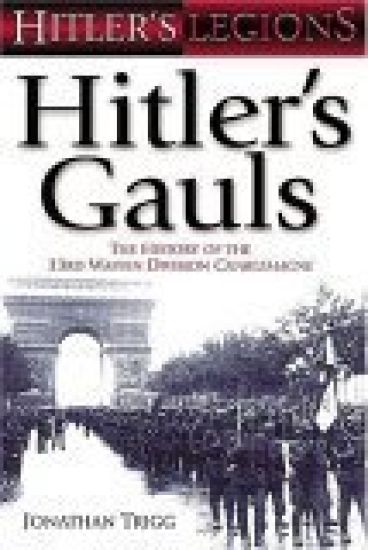
A major work of military history - the first new study of one of the least known of the foreign Waffen-SS contingents to appear in many years in the English language, based on primary sources including eyewitness accounts, analysed and interpreted by a military mind, and narrated in an exciting and fresh style concentrating on the formations fighting record. In the burning ruins of Berlin in April 1945 a ragged band of SS grenadiers defied the might of the Red Army until the very end - these men were not Germans, but Frenchmen. This book tells the story of the thousands of Frenchmen who, for many different reasons, volunteered to wear the SS double lightning flashes and serve alongside their erstwhile conquerors. The author tells the story of the pre-war politics of France that led to the collapse of 1940 and the era of French collaboration with the Germans. Precursor French formations such as the Legion des Volontaires Francais contre les bolchevisme and the SS-Sturmbrigade Frankreich are covered in detail, including their campaigns in Russia and Galicia. The battles of the Charlemagne in snow bound Pomerania and the rubble of Berlin are covered in great detail. The author draws on eyewitness accounts from veterans about their experiences of combat in the hell of the Russian Front and assesses the military impact they had.
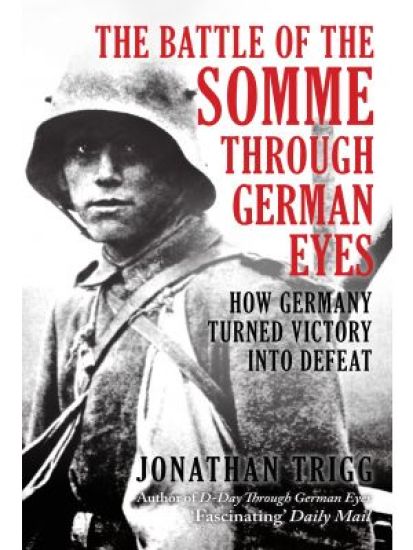
'We knew that this time we were on the verge of a battle such as the world had never seen. Soon our excited talk rose to a pitch that would have rejoiced the hearts of any freebooters, or of Frederick’s grenadiers. A few days later there were very few of that party still alive.' Everyone is familiar with the story of the Battle of the Somme: on the morning of Saturday 1 July 1916 the finest army that Great Britain ever produced climbed out of their trenches and jauntily walked towards the German lines. In a few terrible, blood-soaked minutes they were mown down in their tens of thousands by merciless German machine-gun fire – the flower of an entire generation lost, lions led by donkeys. The Somme was the worst defeat Britain ever suffered, a tragic lesson in history – but is this true? If it was then why did one German staff officer of the time write: “The Somme was the muddy grave of the German field army.” In truth the battle of the Somme didn’t end on that fateful Saturday, it continued on for over four months as the astounding German victory of 1 July gradually evolved into a shattering defeat that would alter German strategy for the rest of the war. it would see the core of their army in the West gradually ground into the mud. The mass of histories on the battle have focused on the British experience and especially on the tragedy of 1 July, but the German side has been largely forgotten. This is the story of the German soldiers who manned those deadly machine-guns on 1 July and who were then forced to fight a losing battle until its remorseless end.
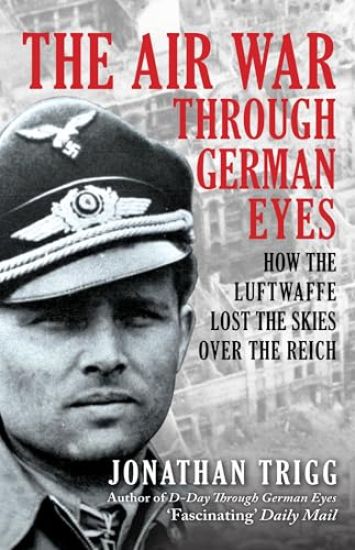
Starting with leaflet drops in 1940, the aerial offensive against the Nazis’ homeland grew into a huge armada that pulverised much of Germany, seriously damaging her ability to make war and killing hundreds of thousands. By day, the Flying Fortresses of the Mighty Eighth US Airforce confronted the day fighters of Luftflotte Reich, and then it was the turn of Bomber Command’s Lancasters to fight off the deadly predators of the Nachtjagd (night hunters). The tactics and technology of Allied escort fighters evolved quickly though the war years, as they did for the defending German fighters. For the Allied airmen who fought this war the price was frighteningly high, for those who opposed them – in the air and on the ground – it was even higher. As the bombing increased, Nazi high command was forced to devote more and more resources to try and defeat the Allied campaign, just when those same resources were desperately needed elsewhere, both on the Russian Front and, after D-Day on 6 June 1944, on the new Western Front. Written from the ‘other side’ and told as much as possible through the words of the veterans, this is an important book on one of the most controversial campaigns of the Second World War.