Fly away with Bill and Edward as they follow a flock of Swifts into the unknown and beyond Bill returns with a sense of wonder, before realising that Swifts are even more mysterious than he first thought "Bill and Edward were now heading into unknown territory. The mystery deepened. They could see the sea, and they were moving toward it."
Discover how Jack the bat overcomes the biggest challenge he will ever face A story rooted in the ecology of the rare Greater Horseshoe bat in England and Wales.
Discover how Jack the bat overcomes the biggest challenge he will ever face! A story rooted in the ecology of the rare Greater horseshoe bat in England and Wales.
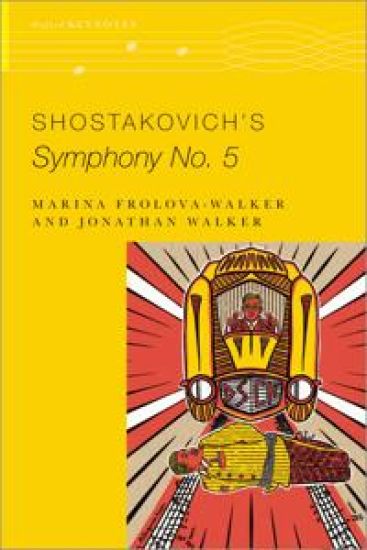
The book is devoted to Shostakovich's most controversial symphony, composed at the height of Stalin's Purges. It rescued Shostakovich from official disfavour and deeply moved audiences. The critics recognized it as a masterpiece, but they were perplexed by its ambiguities, especially at the end of the Symphony: some imagined it as the joyful final victory of socialism, while others heard the triumph instead of a sinister and oppressive force. The second interpretation was pushed into the background, but the controversy persisted, with the further complication of two very different tempo markings for the closing section, both of which seemed to be approved by the composer. The authors give an authoritative account of the tempo controversy and the effect of the different tempos on the reception of the work in the West. Shostakovich's Symphony No. 5 delves into the history of the work's composition, the pressures Shostakovich experienced at the time, and the cultural environment from the time the composer began work on Symphony through to the settling of its official critical reception. At the center of this exploration is the musical score itself, which is full of secrets that have taken decades to uncover, the most colorful of which is the case for Shostakovich's extensive references to Bizet's Carmen, and the connection between these and Shostakovich's lover of the mid-30s, Lala Carmen (Elena Konstantinovskaya). The authors show how Shostakovich largely (but not entirely) set aside his influences from Mahler and German modernists, and in replacement absorbed Beethoven and Tchaikovsky with the same ingenuity as his previous influences. Shostakovich decided to make a virtue of a necessity, and created one of the richest of symphonic scores, allowing himself to retain his artistic pride while winning the official approval necessary for regaining his livelihood. These events all unfolded in the atmosphere of terror created by Stalin's "Great Purge". This book is the first to be devoted to this watershed symphony, and includes secrets of the score that took decades to uncover.
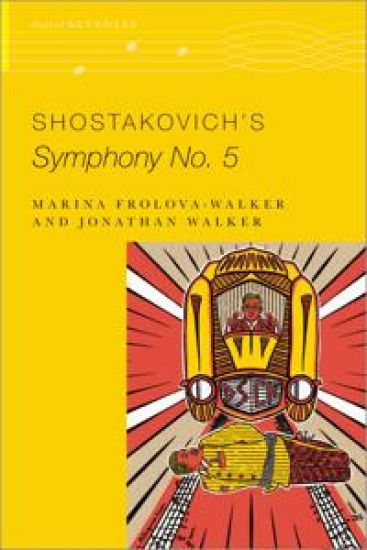
The book is devoted to Shostakovich's most controversial symphony, composed at the height of Stalin's Purges. It rescued Shostakovich from official disfavour and deeply moved audiences. The critics recognized it as a masterpiece, but they were perplexed by its ambiguities, especially at the end of the Symphony: some imagined it as the joyful final victory of socialism, while others heard the triumph instead of a sinister and oppressive force. The second interpretation was pushed into the background, but the controversy persisted, with the further complication of two very different tempo markings for the closing section, both of which seemed to be approved by the composer. The authors give an authoritative account of the tempo controversy and the effect of the different tempos on the reception of the work in the West. Shostakovich's Symphony No. 5 delves into the history of the work's composition, the pressures Shostakovich experienced at the time, and the cultural environment from the time the composer began work on Symphony through to the settling of its official critical reception. At the center of this exploration is the musical score itself, which is full of secrets that have taken decades to uncover, the most colorful of which is the case for Shostakovich's extensive references to Bizet's Carmen, and the connection between these and Shostakovich's lover of the mid-30s, Lala Carmen (Elena Konstantinovskaya). The authors show how Shostakovich largely (but not entirely) set aside his influences from Mahler and German modernists, and in replacement absorbed Beethoven and Tchaikovsky with the same ingenuity as his previous influences. Shostakovich decided to make a virtue of a necessity, and created one of the richest of symphonic scores, allowing himself to retain his artistic pride while winning the official approval necessary for regaining his livelihood. These events all unfolded in the atmosphere of terror created by Stalin's "Great Purge". This book is the first to be devoted to this watershed symphony, and includes secrets of the score that took decades to uncover.
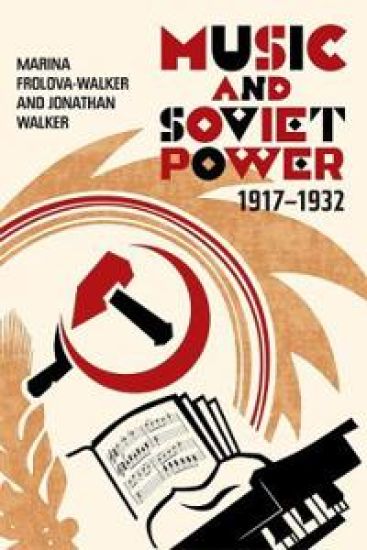
The book offers unprecedented access to primary sources that have been unavailable in English, or which lay unknown on archival shelves. Music and Soviet Power offers cultural history told through documents - both colourfuland representative - with an extensive commentary and annotation throughout. The October Revolution of 1917 tore the fabric of Russian musical life: institutions collapsed, and leading composers emigrated or fell into silence. But in 1932, at the outset of the 'socialist realist' period, a new Stalinist music culture was emerging. Between these two dates lies a turbulent period of change which this book charts year by year. It sheds light on the vicious power struggles and ideological wars, the birth of new aesthetic credos, and the gradual increase of Party and state control over music, in the opera houses, the concert halls, the workers' clubs, and on the streets. The book not only provides a detailed and nuanced depiction of the early Soviet musical landscape, but brings it to life by giving voice to the leading actors and commentators of the day. The vibrant public discourse on music is presented through a selection of press articles, reviews and manifestos, all suppliedwith ample commentary. These myriad sources offer a new context for our understanding of Shostakovich, Prokofiev and Myaskovsky, while also showing how Western music was received in the USSR. This, however, is only half the story.The other half emerges from the private dimension of this cultural upheaval, traced through the letters, diaries and memoirs left by composers and other major players in the music world. These materials address the beliefs, motivations and actions of the Russian musical intelligentsia during the painful period of their adjustment to the changing demands of the new state. While following the twists and turns of official policies on music, the authors also offer their own explanations for the outcomes. The book offers unprecedented access to primary sources that have been unavailable in English, or which lay unknown on archival shelves. Music and Soviet Power offers cultural history told through documents - both colourful and representative - with an extensive commentary and annotation throughout. MARINA FROLOVA-WALKER is Professor in Music History at the University of Cambridge anda Fellow of Clare College, Cambridge. JONATHAN WALKER, who has a PhD in Musicology, is a freelance writer, teacher and pianist.
The book offers unprecedented access to primary sources that have been unavailable in English, or which lay unknown on archival shelves. Music and Soviet Power offers cultural history told through documents - both colourfuland representative - with an extensive commentary and annotation throughout. The October Revolution of 1917 tore the fabric of Russian musical life: institutions collapsed, and leading composers emigrated or fell into silence. But in 1932, at the outset of the "socialist realist" period, a new Stalinist music culture was emerging. Between these two dates lies a turbulent period of change which this book charts year by year. It sheds light on the vicious power struggles and ideological wars, the birth of new aesthetic credos, and the gradual increase of Party and state control over music, in the opera houses, the concert halls, the workers' clubs, and on the streets. The book not only provides a detailed and nuanced depiction of the early Soviet musical landscape, but brings it to life by giving voice to the leading actors and commentators of the day. The vibrant public discourse on music is presented through a selection of press articles, reviews and manifestos, all suppliedwith ample commentary. These myriad sources offer a new context for our understanding of Shostakovich, Prokofiev and Myaskovsky, while also showing how Western music was received in the USSR. This, however, is only half the story.The other half emerges from the private dimension of this cultural upheaval, traced through the letters, diaries and memoirs left by composers and other major players in the music world. These materials address the beliefs, motivations and actions of the Russian musical intelligentsia during the painful period of their adjustment to the changing demands of the new state. While following the twists and turns of official policies on music, the authors also offer their own explanations for the outcomes. The book offers unprecedented access to primary sources that have been unavailable in English, or which lay unknown on archival shelves. Music and Soviet Power offers cultural history told through documents - both colourful and representative - with an extensive commentary and annotation throughout. MARINA FROLOVA-WALKER is Reader in Music History at the University of Cambridge and Fellow of Clare College, Cambridge; JONATHAN WALKER, who has a PhD in Musicology, is a freelance writer, teacher and pianist.