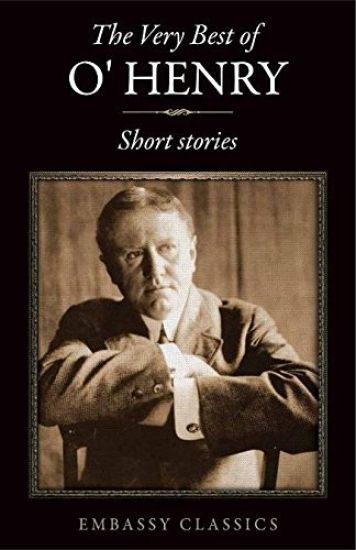
A collection of 22 short stories: Roads of Destiny, The Guardian of the Accolade, The Discounters of Money, The Enchanted Profile, "Next to Reading Matter," Art and the Bronco, Phoebe, A Double-dyed Deceiver, The Passing of Black Eagle, A Retrieved Reformation, Cherchez la Femme, Friends in San Rosario, The Fourth in Salvador, The Emancipation of Billy, The Enchanted Kiss, A Departmental Case, The Renaissance at Charleroi, On Behalf of the Management, Whistling Dick's Christmas Stocking, The Halberdier of the Little Rheinschloss, Two Renegades & The Lonesome Road
Written in 1906 when roughly four million people lived in New York City, it opens with a reference to Ward McAllister's "assertion that there were only "400" people in New York City who were really worth noticing. To O. Henry, however, everyone in New York counted. He had an obvious affection for the city, which he called "Bagdad-on-the-Subway".
Cabbages and Kings is a 1904 novel written by O. Henry, set in a fictitious Central American country called the Republic of Anchuria. 1] It takes its title from the poem "The Walrus and the Carpenter", featured in Lewis Carroll's Through the Looking Glass. Its plot contains famous elements in the poem: shoes and ships and sealing wax, cabbages and kings. The novel contains various short stories, all of which occur in Anchuria, and are connected to each other. Chapters: THE PROEM: BY THE CARPENTER "FOX-IN-THE-MORNING" THE LOTUS AND THE BOTTLE SMITH IV. CAUGHT CUPID'S EXILE NUMBER TWO THE PHONOGRAPH AND THE GRAFT MONEY MAZE THE ADMIRAL THE FLAG PARAMOUNT THE SHAMROCK AND THE PALM THE REMNANTS OF THE CODE SHOES SHIPS MASTERS OF ARTS DICKY ROUGE ET NOIR TWO RECALLS THE VITAGRAPHOSCOPE William Sydney Porter (September 11, 1862 - June 5, 1910), known by his pen name O. Henry, was an American short story writer. His stories are known for their surprise endings. Early life: William Sidney Porter was born on September 11, 1862, in Greensboro, North Carolina. He changed the spelling of his middle name to Sydney in 1898. His parents were Dr. Algernon Sidney Porter (1825-88), a physician, and Mary Jane Virginia Swaim Porter (1833-65). William's parents had married on April 20, 1858. When William was three, his mother died from tuberculosis, and he and his father moved into the home of his paternal grandmother. As a child, Porter was always reading, everything from classics to dime novels; his favorite works were Lane's translation of One Thousand and One Nights and Burton's Anatomy of Melancholy. Porter graduated from his aunt Evelina Maria Porter's elementary school in 1876. He then enrolled at the Lindsey Street High School. His aunt continued to tutor him until he was fifteen. In 1879, he started working in his uncle's drugstore and in 1881, at the age of nineteen, he was licensed as a pharmacist. At the drugstore, he also showed off his natural artistic talents by sketching the townsfolk.Porter traveled with Dr. James K. Hall to Texas in March 1882, hoping that a change of air would help alleviate a persistent cough he had developed. He took up residence on the sheep ranch of Richard Hall, James' son, in La Salle County and helped out as a shepherd, ranch hand, cook, and baby-sitter. While on the ranch, he learned bits of Spanish and German from the mix of immigrant ranch hands. He also spent time reading classic literature. Porter's health did improve and he traveled with Richard to Austin in 1884, where he decided to remain and was welcomed into the home of the Harrells, who were friends of Richard's. Porter took a number of different jobs over the next several years, first as pharmacist then as a draftsman, bank teller, and journalist. He also began writing as a sideline. Porter led an active social life in Austin, including membership in singing and drama groups. He was a good singer and musician. He played both the guitar and mandolin. He became a member of the "Hill City Quartet", a group of young men who sang at gatherings and serenaded young women of the town. Porter met and began courting Athol Estes, then seventeen years old and from a wealthy family. Her mother objected to the match because Athol was ill, suffering from tuberculosis. On July 1, 1887, Porter eloped with Athol to the home of Reverend R. K. Smoot, where they were married.The couple continued to participate in musical and theater groups, and Athol encouraged her husband to pursue his writing. Athol gave birth to a son in 1888, who died hours after birth, and then a daughter, Margaret Worth Porter, in September 1889. Porter's friend Richard Hall became Texas Land Commissioner and offered Porter a job. Porter started as a draftsman at the Texas General Land Office (GLO) in 1887 at a salary of $100 a month, drawing maps from surveys and fieldnotes. The salary was enough to support his family, but he continued his contributions to magazines and news
The Four Million is the second published collection of short stories by O. Henry originally released in 1906. There are twenty five stories of various lengths including several of his best known works such as "The Gift of the Magi" and "The Cop and the Anthem". The book's title refers to the then population of New York City where many of the stories are set. Contents edit] Tobin's Palm The Gift of the Magi A Cosmopolite in a Cafe Between Rounds The Skylight Room A Service of Love The Coming-Out of Maggie Man About Town The Cop and the Anthem An Adjustment of Nature Memoirs of a Yellow Dog The Love-Philtre of Ikey Schoenstein Mammon and the Archer Springtime la Carte The Green Door From the Cabby's Seat An Unfinished Story The Caliph, Cupid and the Clock Sisters of the Golden Circle The Romance of a Busy Broker After Twenty Years Lost on Dress Parade By Courier The Furnished Room The Brief Debut of Tildy William Sydney Porter (September 11, 1862 - June 5, 1910), known by his pen name O. Henry, was an American short story writer. His stories are known for their surprise endings. Early life: William Sidney Porter was born on September 11, 1862, in Greensboro, North Carolina. He changed the spelling of his middle name to Sydney in 1898. His parents were Dr. Algernon Sidney Porter (1825-88), a physician, and Mary Jane Virginia Swaim Porter (1833-65). William's parents had married on April 20, 1858. When William was three, his mother died from tuberculosis, and he and his father moved into the home of his paternal grandmother. As a child, Porter was always reading, everything from classics to dime novels; his favorite works were Lane's translation of One Thousand and One Nights and Burton's Anatomy of Melancholy. Porter graduated from his aunt Evelina Maria Porter's elementary school in 1876. He then enrolled at the Lindsey Street High School. His aunt continued to tutor him until he was fifteen. In 1879, he started working in his uncle's drugstore and in 1881, at the age of nineteen, he was licensed as a pharmacist. At the drugstore, he also showed off his natural artistic talents by sketching the townsfolk...........
William Sydney Porter (September 11, 1862 - June 5, 1910), known by his pen name O. Henry, was an American short story writer. His stories are known for their surprise endings. Early life: William Sidney Porter was born on September 11, 1862, in Greensboro, North Carolina. He changed the spelling of his middle name to Sydney in 1898. His parents were Dr. Algernon Sidney Porter (1825-88), a physician, and Mary Jane Virginia Swaim Porter (1833-65). William's parents had married on April 20, 1858. When William was three, his mother died from tuberculosis, and he and his father moved into the home of his paternal grandmother. As a child, Porter was always reading, everything from classics to dime novels; his favorite works were Lane's translation of One Thousand and One Nights and Burton's Anatomy of Melancholy. Porter graduated from his aunt Evelina Maria Porter's elementary school in 1876. He then enrolled at the Lindsey Street High School. His aunt continued to tutor him until he was fifteen. In 1879, he started working in his uncle's drugstore and in 1881, at the age of nineteen, he was licensed as a pharmacist. At the drugstore, he also showed off his natural artistic talents by sketching the townsfolk.Porter traveled with Dr. James K. Hall to Texas in March 1882, hoping that a change of air would help alleviate a persistent cough he had developed. He took up residence on the sheep ranch of Richard Hall, James' son, in La Salle County and helped out as a shepherd, ranch hand, cook, and baby-sitter. While on the ranch, he learned bits of Spanish and German from the mix of immigrant ranch hands. He also spent time reading classic literature. Porter's health did improve and he traveled with Richard to Austin in 1884, where he decided to remain and was welcomed into the home of the Harrells, who were friends of Richard's. Porter took a number of different jobs over the next several years, first as pharmacist then as a draftsman, bank teller, and journalist. He also began writing as a sideline. Porter led an active social life in Austin, including membership in singing and drama groups. He was a good singer and musician. He played both the guitar and mandolin. He became a member of the "Hill City Quartet", a group of young men who sang at gatherings and serenaded young women of the town. Porter met and began courting Athol Estes, then seventeen years old and from a wealthy family. Her mother objected to the match because Athol was ill, suffering from tuberculosis. On July 1, 1887, Porter eloped with Athol to the home of Reverend R. K. Smoot, where they were married................
William Sydney Porter (September 11, 1862 - June 5, 1910), known by his pen name O. Henry, was an American short story writer. His stories are known for their surprise endings. Early life: William Sidney Porter was born on September 11, 1862, in Greensboro, North Carolina. He changed the spelling of his middle name to Sydney in 1898. His parents were Dr. Algernon Sidney Porter (1825-88), a physician, and Mary Jane Virginia Swaim Porter (1833-65). William's parents had married on April 20, 1858. When William was three, his mother died from tuberculosis, and he and his father moved into the home of his paternal grandmother. As a child, Porter was always reading, everything from classics to dime novels; his favorite works were Lane's translation of One Thousand and One Nights and Burton's Anatomy of Melancholy. Porter graduated from his aunt Evelina Maria Porter's elementary school in 1876. He then enrolled at the Lindsey Street High School. His aunt continued to tutor him until he was fifteen. In 1879, he started working in his uncle's drugstore and in 1881, at the age of nineteen, he was licensed as a pharmacist. At the drugstore, he also showed off his natural artistic talents by sketching the townsfolk. Move to Texas: Porter traveled with Dr. James K. Hall to Texas in March 1882, hoping that a change of air would help alleviate a persistent cough he had developed. He took up residence on the sheep ranch of Richard Hall, James' son, in La Salle County and helped out as a shepherd, ranch hand, cook, and baby-sitter. While on the ranch, he learned bits of Spanish and German from the mix of immigrant ranch hands. He also spent time reading classic literature. Porter's health did improve and he traveled with Richard to Austin in 1884, where he decided to remain and was welcomed into the home of the Harrells, who were friends of Richard's. Porter took a number of different jobs over the next several years, first as pharmacist then as a draftsman, bank teller, and journalist. He also began writing as a sideline. Porter led an active social life in Austin, including membership in singing and drama groups. He was a good singer and musician. He played both the guitar and mandolin. He became a member of the "Hill City Quartet", a group of young men who sang at gatherings and serenaded young women of the town. Porter met and began courting Athol Estes, then seventeen years old and from a wealthy family. Her mother objected to the match because Athol was ill, suffering from tuberculosis. On July 1, 1887, Porter eloped with Athol to the home of Reverend R. K. Smoot, where they were married.The couple continued to participate in musical and theater groups, and Athol encouraged her husband to pursue his writing. Athol gave birth to a son in 1888, who died hours after birth, and then a daughter, Margaret Worth Porter, in September 1889. Porter's friend Richard Hall became Texas Land Commissioner and offered Porter a job. Porter started as a draftsman at the Texas General Land Office (GLO) in 1887 at a salary of $100 a month, drawing maps from surveys and fieldnotes. The salary was enough to support his family, but he continued his contributions to magazines and newspapers. In the GLO building, he began developing characters and plots for such stories as "Georgia's Ruling" (1900), and "Buried Treasure" (1908). The castle-like building he worked in was even woven into some of his tales such as "Bexar Scrip No. 2692" (1894).............
The Voice of the City (1908), short stories: "The Voice of the City", "The Complete Life of John Hopkins", "A Lickpenny Lover", "Dougherty's Eye-opener", "'Little Speck in Garnered Fruit'", "The Harbinger", "While the Auto Waits", "A Comedy in Rubber", "One Thousand Dollars", "The Defeat of the City", "The Shocks of Doom", "The Plutonian Fire", "Nemesis and the Candy Man", "Squaring the Circle", "Roses, Ruses and Romance", "The City of Dreadful Night", "The Easter of the Soul", "The Fool-killer", "Transients in Arcadia", "The Rathskeller and the Rose", "The Clarion Call", "Extradited from Bohemia", "A Philistine in Bohemia", "From Each According to His Ability", "The Memento" William Sydney Porter (September 11, 1862 - June 5, 1910), known by his pen name O. Henry, was an American short story writer. His stories are known for their surprise endings. Early life: William Sidney Porter was born on September 11, 1862, in Greensboro, North Carolina. He changed the spelling of his middle name to Sydney in 1898. His parents were Dr. Algernon Sidney Porter (1825-88), a physician, and Mary Jane Virginia Swaim Porter (1833-65). William's parents had married on April 20, 1858. When William was three, his mother died from tuberculosis, and he and his father moved into the home of his paternal grandmother. As a child, Porter was always reading, everything from classics to dime novels; his favorite works were Lane's translation of One Thousand and One Nights and Burton's Anatomy of Melancholy. Porter graduated from his aunt Evelina Maria Porter's elementary school in 1876. He then enrolled at the Lindsey Street High School. His aunt continued to tutor him until he was fifteen. In 1879, he started working in his uncle's drugstore and in 1881, at the age of nineteen, he was licensed as a pharmacist. At the drugstore, he also showed off his natural artistic talents by sketching the townsfolk. Move to Texas: Porter traveled with Dr. James K. Hall to Texas in March 1882, hoping that a change of air would help alleviate a persistent cough he had developed. He took up residence on the sheep ranch of Richard Hall, James' son, in La Salle County and helped out as a shepherd, ranch hand, cook, and baby-sitter. While on the ranch, he learned bits of Spanish and German from the mix of immigrant ranch hands. He also spent time reading classic literature. Porter's health did improve and he traveled with Richard to Austin in 1884, where he decided to remain and was welcomed into the home of the Harrells, who were friends of Richard's. Porter took a number of different jobs over the next several years, first as pharmacist then as a draftsman, bank teller, and journalist. He also began writing as a sideline. Porter led an active social life in Austin, including membership in singing and drama groups. He was a good singer and musician. He played both the guitar and mandolin. He became a member of the "Hill City Quartet", a group of young men who sang at gatherings and serenaded young women of the town. Porter met and began courting Athol Estes, then seventeen years old and from a wealthy family. Her mother objected to the match because Athol was ill, suffering from tuberculosis. On July 1, 1887, Porter eloped with Athol to the home of Reverend R. K. Smoot, where they were married.The couple continued to participate in musical and theater groups, and Athol encouraged her husband to pursue his writing. Athol gave birth to a son in 1888, who died hours after birth, and then a daughter, Margaret Worth Porter, in September 1889.......
Roads of Destiny (1909), short stories: "Roads of Destiny", "The Guardian of the Accolade", "The Discounters of Money", "The Enchanted Profile", "Next to Reading Matter", "Art and the Bronco", "Phoebe", "A Double-dyed Deceiver", "The Passing of Black Eagle", "A Retrieved Reformation", "Cherchez la Femme", "Friends in San Rosario", "The Fourth in Salvador", "The Emancipation of Billy", "The Enchanted Kiss", "A Departmental Case", "The Renaissance at Charleroi", "On Behalf of the Management", "Whistling Dick's Christmas Stocking", "The Halberdier of the Little Rheinschloss", "Two Renegades", "The Lonesome Road"......... William Sydney Porter (September 11, 1862 - June 5, 1910), known by his pen name O. Henry, was an American short story writer. His stories are known for their surprise endings. Early life: William Sidney Porter was born on September 11, 1862, in Greensboro, North Carolina. He changed the spelling of his middle name to Sydney in 1898. His parents were Dr. Algernon Sidney Porter (1825-88), a physician, and Mary Jane Virginia Swaim Porter (1833-65). William's parents had married on April 20, 1858. When William was three, his mother died from tuberculosis, and he and his father moved into the home of his paternal grandmother. As a child, Porter was always reading, everything from classics to dime novels; his favorite works were Lane's translation of One Thousand and One Nights and Burton's Anatomy of Melancholy. Porter graduated from his aunt Evelina Maria Porter's elementary school in 1876. He then enrolled at the Lindsey Street High School. His aunt continued to tutor him until he was fifteen. In 1879, he started working in his uncle's drugstore and in 1881, at the age of nineteen, he was licensed as a pharmacist. At the drugstore, he also showed off his natural artistic talents by sketching the townsfolk. Move to Texas: Porter traveled with Dr. James K. Hall to Texas in March 1882, hoping that a change of air would help alleviate a persistent cough he had developed. He took up residence on the sheep ranch of Richard Hall, James' son, in La Salle County and helped out as a shepherd, ranch hand, cook, and baby-sitter. While on the ranch, he learned bits of Spanish and German from the mix of immigrant ranch hands. He also spent time reading classic literature. Porter's health did improve and he traveled with Richard to Austin in 1884, where he decided to remain and was welcomed into the home of the Harrells, who were friends of Richard's. Porter took a number of different jobs over the next several years, first as pharmacist then as a draftsman, bank teller, and journalist. He also began writing as a sideline. Porter led an active social life in Austin, including membership in singing and drama groups. He was a good singer and musician. He played both the guitar and mandolin. He became a member of the "Hill City Quartet", a group of young men who sang at gatherings and serenaded young women of the town. Porter met and began courting Athol Estes, then seventeen years old and from a wealthy family. Her mother objected to the match because Athol was ill, suffering from tuberculosis. On July 1, 1887, Porter eloped with Athol to the home of Reverend R. K. Smoot, where they were married.The couple continued to participate in musical and theater groups, and Athol encouraged her husband to pursue his writing. Athol gave birth to a son in 1888, who died hours after birth, and then a daughter, Margaret Worth Porter, in September 1889. Porter's friend Richard Hall became Texas Land Commissioner and offered Porter a job. Porter started as a draftsman at the Texas General Land Office (GLO) in 1887 at a salary of $100 a month, drawing maps from surveys and fieldnotes. ....
Options (1909), short stories: "'The Rose of Dixie'", "The Third Ingredient", "The Hiding of Black Bill", "Schools and Schools", "Thimble, Thimble", "Supply and Demand", "Buried Treasure", "To Him Who Waits", "He Also Serves", "The Moment of Victory", "The Head-hunter", "No Story", "The Higher Pragmatism", "Best-seller", "Rus in Urbe", "A Poor Rule" "The Third Ingredient" is a short story by O. Henry, notable for its ironic take on the "Stone Soup" theme. The story was originally published in 1908 in Everybody's Magazine with illustrations by Frederic Dorr Steele. 1] The next year it was included in O. Henry's collection Options. As reported by O. Henry's good friend and biographer C. Alphonso Smith, The Third Ingredient was inspired by a real experience: ... in one of his first months in New York he was living in very humble lodgings and one evening found him without funds. He became so hungry that he could not finish the story on which he was working, and he walked up and down the landing between the rooms. The odor of cooking in one of the rooms increased his pangs, and he was beside himself when the door opened and a young girl said to him, "Have you had your supper? I've made hazlett stew and it's too much for me. It won't keep, so come and help me eat it." He was grateful for the invitation and partook of the stew which, she told him, was made from the liver, kidneys, and heart of a calf. The girl was a feather curler and, during the meal, she explained her work and showed him the peculiar kind of dull blade which was used in it. A few days later he rapped at her door to ask her to a more substantial dinner, but he found that she had gone and left no address. 2] It is possible that O. Henry arrived at his final composition independently of the Stone Soup tradition. Unlike many other examples, it does not involve an element of trickery. Instead, the emphasis is on companionship: it may be argued that the "third ingredient" is heart (as it is literally in Smith's description above), which could explain the departure from tradition.The story follows Hetty Pepper, a lower-class woman who has lost her job at a department store. Bargaining with a rib of beef (her last bit of food) she befriends a neighbor and a love interest, who donate ingredients for a stew greater than the sum of its parts. Early in the story the waggish narrator remarks, "You can make oyster soup without oysters, turtle soup without turtles, coffee-cake without coffee, but you can't make beef stew without potatoes and onions," casting the beef rib in much the same role as the stone in "Stone Soup"........... William Sydney Porter (September 11, 1862 - June 5, 1910), known by his pen name O. Henry, was an American short story writer. His stories are known for their surprise endings. Early life: William Sidney Porter was born on September 11, 1862, in Greensboro, North Carolina. He changed the spelling of his middle name to Sydney in 1898. His parents were Dr. Algernon Sidney Porter (1825-88), a physician, and Mary Jane Virginia Swaim Porter (1833-65). William's parents had married on April 20, 1858. When William was three, his mother died from tuberculosis, and he and his father moved into the home of his paternal grandmother. As a child, Porter was always reading, everything from classics to dime novels; his favorite works were Lane's translation of One Thousand and One Nights and Burton's Anatomy of Melancholy...........
Strictly Business (1910), short stories: "Strictly Business", "The Gold That Glittered", "Babes in the Jungle", "The Day Resurgent", "The Fifth Wheel", "The Poet and the Peasant", "The Robe of Peace", "The Girl and the Graft", "The Call of the Tame", "The Unknown Quantity", "The Thing's the Play", "A Ramble in Aphasia", "A Municipal Report", "Psyche and the Pskyscraper", "A Bird of Bagdad", "Compliments of the Season", "A Night in New Arabia", "The Girl and the Habit", "Proof of the Pudding", "Past One at Rooney's", "The Venturers", "The Duel", "'What You Want'"............ William Sydney Porter (September 11, 1862 - June 5, 1910), known by his pen name O. Henry, was an American short story writer. His stories are known for their surprise endings. Early life: William Sidney Porter was born on September 11, 1862, in Greensboro, North Carolina. He changed the spelling of his middle name to Sydney in 1898. His parents were Dr. Algernon Sidney Porter (1825-88), a physician, and Mary Jane Virginia Swaim Porter (1833-65). William's parents had married on April 20, 1858. When William was three, his mother died from tuberculosis, and he and his father moved into the home of his paternal grandmother. As a child, Porter was always reading, everything from classics to dime novels; his favorite works were Lane's translation of One Thousand and One Nights and Burton's Anatomy of Melancholy. Porter graduated from his aunt Evelina Maria Porter's elementary school in 1876. He then enrolled at the Lindsey Street High School. His aunt continued to tutor him until he was fifteen. In 1879, he started working in his uncle's drugstore and in 1881, at the age of nineteen, he was licensed as a pharmacist. At the drugstore, he also showed off his natural artistic talents by sketching the townsfolk. Move to Texas: Porter traveled with Dr. James K. Hall to Texas in March 1882, hoping that a change of air would help alleviate a persistent cough he had developed. He took up residence on the sheep ranch of Richard Hall, James' son, in La Salle County and helped out as a shepherd, ranch hand, cook, and baby-sitter. While on the ranch, he learned bits of Spanish and German from the mix of immigrant ranch hands. He also spent time reading classic literature. Porter's health did improve and he traveled with Richard to Austin in 1884, where he decided to remain and was welcomed into the home of the Harrells, who were friends of Richard's. Porter took a number of different jobs over the next several years, first as pharmacist then as a draftsman, bank teller, and journalist. He also began writing as a sideline. Porter led an active social life in Austin, including membership in singing and drama groups. He was a good singer and musician. He played both the guitar and mandolin. He became a member of the "Hill City Quartet", a group of young men who sang at gatherings and serenaded young women of the town. Porter met and began courting Athol Estes, then seventeen years old and from a wealthy family. Her mother objected to the match because Athol was ill, suffering from tuberculosis. On July 1, 1887, Porter eloped with Athol to the home of Reverend R. K. Smoot, where they were married.The couple continued to participate in musical and theater groups, and Athol encouraged her husband to pursue his writing. Athol gave birth to a son in 1888, who died hours after birth, and then a daughter, Margaret Worth Porter, in September 1889. Porter's friend Richard Hall became Texas Land Commissioner and offered Porter a job. Porter started as a draftsman at the Texas General Land Office (GLO) in 1887 at a salary of $100 a month, drawing maps from surveys and fieldnotes. The salary was enough to support his family, but he continued his contributions to magazines and newspapers....
Whirligigs (1910), short stories: "The World and the Door", "The Theory and the Hound", "The Hypotheses of Failure", "Calloway's Code", "A Matter of Mean Elevation", "Girl", "Sociology in Serge and Straw", "The Ransom of Red Chief", "The Marry Month of May", "A Technical Error", "Suite Homes and Their Romance", "The Whirligig of Life", "A Sacrifice Hit", "The Roads We Take", "A Blackjack Bargainer, "The Song and the Sergeant", "One Dollar's Worth", "A Newspaper Story", "Tommy's Burglar", "A Chaparral Christmas Gift", "A Little Local Colour", "Georgia's Ruling", "Blind Man's Holiday", "Madame Bo-Peep of the Ranches"............. "The Ransom of Red Chief" is a 1910 short story by O. Henry first published in The Saturday Evening Post. It follows two men who kidnap and attempt to ransom a wealthy Alabaman's son; eventually, the men are driven crazy by the boy's spoiled and hyperactive behavior, and end up having to pay the boy's father to take him back. The story and its main idea have become a part of popular culture, with many children's television programs using a version of the story as one of their episodes. The tale is a light-hearted example of the ultimate in "poetic justice" and fortuitous intervention for the public good: the crooks had intended to use the ransom money to fund an even larger and much more elaborate scam that would likely have caused widespread monetary damage to the local populace, and so having their plans "foiled in their infancy" by Red Chief's shrewd father saves countless other honest folks from financial ruin. It has also been often used as a classic example of two ultimate comic ironies-a supposed "hostage" actually liking his abductors and enjoying being captured, and his captors getting their just deserts by having the tables turned on them, and being compelled to pay to be rid of him.Two small-time criminals, Bill and Sam, kidnap Johnny (10 years old), the red-haired son of an important citizen named Ebenezer Dorset, and hold him for ransom. But the moment they arrive at their hideout with the boy, the plan begins to unravel. Calling himself Red Chief, the boy proceeds to drive his captors to distraction with his unrelenting chatter, malicious pranks, and demands that they play wearying games with him. Growing tired of the boy, the criminals desperately write a letter to the boy's father to get rid of him, stating that they will lower the ransom. The father, who knows his son well and realizes how intolerable he will be to his captors and how desirous they will soon be to rid themselves of the delinquent child, rejects their demand and offers to take the boy off their hands only if they pay him. The men hand over the money and the howling boy-who had actually been happier being away from his stricter father and thus does not want to be "rescued" from his more-lenient captors-and flee after the father threatens to turn his son loose on them...... William Sydney Porter (September 11, 1862 - June 5, 1910), known by his pen name O. Henry, was an American short story writer. His stories are known for their surprise endings. Early life: William Sidney Porter was born on September 11, 1862, in Greensboro, North Carolina. He changed the spelling of his middle name to Sydney in 1898. His parents were Dr. Algernon Sidney Porter (1825-88), a physician, and Mary Jane Virginia Swaim Porter (1833-65). William's parents had married on April 20, 1858. When William was three, his mother died from tuberculosis, and he and his father moved into the home of his paternal grandmother. As a child, Porter was always reading, everything from classics to dime novels; his favorite works were Lane's translation of One Thousand and One Nights and Burton's Anatomy of Melancholy....
Sixes and Sevens (1911), short stories: "The Last of the Troubadours", "The Sleuths", "Witches' Loaves", "The Pride of the Cities", "Holding Up a Train", "Ulysses and the Dogman", "The Champion of the Weather", "Makes the Whole World Kin", "At Arms with Morpheus", "A Ghost of a Chance", "Jimmy Hayes and Muriel", "The Door of Unrest", "The Duplicity of Hargraves", "Let Me Feel Your Pulse", "October and June", "The Church with an Overshot-Wheel", "New York by Camp Fire Light", "The Adventures of Shamrock Jolnes", "The Lady Higher Up", "The Greater Coney", "Law and Order", "Transformation of Martin Burney", "The Caliph and the Cad", "The Diamond of Kali", "The Day We Celebrate".. "Makes the Whole World Kin" is a short story written by O. Henry (a pen name for William Sydney Porter), allegedly at Pete's Tavern on Irving Place in New York City.he story starts with a young thief walking through a neighbourhood, scouting for his next house. The thief is described as an ordinary man, with no extreme tendencies. The burglar wore a blue sweater. The police would have been baffled had they attempted to classify him. They have not yet heard of the respectable, unassuming burglar who is neither above nor below his station. He wore no masks, dark lanterns, or gum shoes. This burglar of the third class began to prowl. He carried a 88-calibre revolver in his pocket, and he chewed peppermint gum thoughtfully.Once he finds a respectable house, the thief climbs inside through an open window. Once inside, he scouts for valuable items. He discovers, to his amazement, that a light had been left on inside one of the bedrooms. As he walks inside, he finds an old man lying in bed, asleep. The thief wakes the man and instructs him to raise his hands. The old man can only lift one arm and proceeds to inform the thief that he suffers from rheumatism. The thief, shocked at what he hears, lowers the gun and tells his victim that he as well, suffers from the disease. They proceed to exchange words of comfort about the haunting pain, and the young thief asks for tips to dull the swellings. Though both are filled with hope, the old man warns the thief that the pain only gets worse and he must find a way to cope with it, in his later years. The old man, suggests that he have a drink. The young thief invites the old man for a drink at the local pub. He helps the old man get dressed and the two make their way for the bar. Outside the house, the old man realises that he has no money with him - the thief, kindly, offers to pay for the drinks......... "The Duplicity of Hargraves" is a short story by the American writer William Sydney Porter, better known by his pen name: O. Henry. The story was featured in The Junior Munsey, February 1902, and republished in the volume Sixes and Sevens (1911). Summary: Sixty-eight-year-old Major Pendleton Talbot and his practical spinster daughter Lydia move to Washington D.C. The Talbots have fallen from their aristocratic past in the South before the American Civil War and are now quite poor. The pair stay at a boarding house in the nation's capital. There they become acquainted with Henry Hopkins Hargraves, an ambitious actor in vaudeville. Hargraves is seemingly spellbound by the Major's tales of his happier past (of which he is writing a book).Eventually, the Talbots become behind on their rent. The Major seeks the help of their congressman in getting his book published, but to little avail....... William Sydney Porter (September 11, 1862 - June 5, 1910), known by his pen name O. Henry, was an American short story writer. His stories are known for their surprise endings.
The ultimate O. Henry: an annotated edition of classic tales by America's master storyteller O. Henry, born William Sidney Porter, is best known today for his short story The Gift of the Magi. But that legacy doesn't begin to capture the genius and the extraordinary range of a gifted humorist who deserves to be ranked among the best in our literature, alongside Ring Lardner and James Thurber. As Carl Van Doren wrote in 1917, no writer in the language seems clever immediately after one has been reading O. Henry. Here are 101 of O. Henry's very best short stories--selected and expertly annotated by best-selling author Ben Yagoda--including not only such favorites as The Ransom of Red Chief and The Last of the Troubadours but also The Caballero's Way, which created the character of The Cisco Kid, a murderous desperado in O. Henry's telling, and The Cop and the Anthem. This volume represents stories from all of O. Henry's collections, including the Honduras stories, drawn from his experiences in Central America while on the run from an embezzlement indictment, as well as the most generous selection ever published of O. Henry's New York (which he called Baghdad-on-the-Subway) and Texas stories. Also gathered here are previously uncollected stories, and three published here for the first time.
THE PERFECT GIFT FOR BOOK LOVERS: Get all 7 of O. Henry's classic Thanksgiving and Christmas stories, including "The Gift of the Magi," in one short story collection Complete with helpful notes about each short story's biographical and cultural contexts "There are just as many real Christmas stories as ever, if we would only dig 'em up," wrote William Sydney Porter. The first short story he published under the pen name O. Henry was a holiday tale ("Whistling Dick's Christmas Stocking"), while his best-known work, "The Gift of the Magi," has inspired countless Yuletide movies and television episodes. Library of America presents all seven of his seasonal offerings--including two about Thanksgiving, the "one day that is purely American" The Purple Dress Two Thanksgiving Day GentlemenWhistling Dick's Christmas StockingA Chaparral Christmas GiftChristmas by InjunctionThe Gift of the MagiCompliments of the SeasonYou'll meet characters only O. Henry could have imagined: Maida, a shop clerk who scrimps and saves for a new dress to wear to the employee holiday party. Stuffy Pete, a homeless man who suffers through the generosity of back-to-back Thanksgiving dinners. The Frio Kid, a murderous outlaw who unexpectedly commits a single act of generosity. Whistling Dick, a tramp who stumbles upon a potentially lethal act of arson and robbery. Cherokee, a gold prospector who strikes it rich and decides to play Santa Claus. And Fuzzy, an alcoholic "soldier of misfortune," who stumbles upon the lost rag doll belonging to a millionaire's five-year-old daughter. Always witty, often outrageously funny, and filled with O. Henry's famous plot twists, these stories take readers from New Mexico and Texas, through New Orleans, and to New York City to find the holiday spirit all across America.
Do you Want to Learn German Language the Fast and Fun Way and Build up Your Vocabulary while Reading?Practice Your German With These Romantic Short Stories with Good Morals This collection consists of best captivating stories of the American writer O.Henry in german. It is adapted and is written in simple and easy language for German learners. These stories are slightly shortened, difficult phrases in the book are replaced by colloquial ones.You will find the following love stories here: GirlWitches' LoavesThe Gift oft he MagiThe Count and the Wedding GuestThe Trimmed LampThis book HELPS you: to read American classic literature in German and enjoy it;to learn and improve german vocabulary the easy way;to check your own reading with the exercises after each story;to check your comprehension of german language;to practice speaking skills.Each story of this book has a vocabulary list at the end of each page. You will also find exercises after each story, which are oriented on text comprehension, checking vocabulary and grammar rules and practicing of spoken german language and discussion.Are you Looking for an Easy Way to Practice German? This Book Will Help you So what are you waiting for?Scroll to the top of the page and select the BUY NOW button.
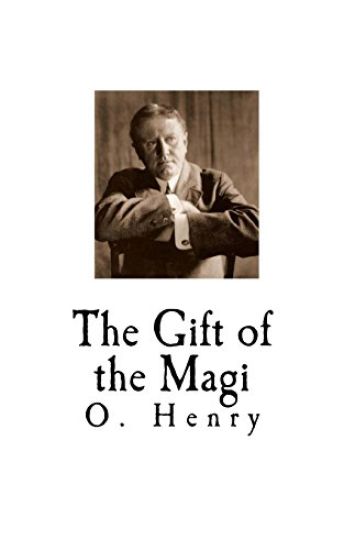
The Gift of the Magi by O. Henry. "The Gift of the Magi" is a short story, written by O. Henry (a pen name for William Sydney Porter), about a young husband and wife and how they deal with the challenge of buying secret Christmas gifts for each other with very little money. As a sentimental story with a moral lesson about gift-giving, it has been popular for adaptation, especially for presentation at Christmas time. The plot and its twist ending are well-known, and the ending is generally considered an example of comic irony. It was allegedly written at Pete's Tavern on Irving Place in New York City. The story was initially published in The New York Sunday World under the title "Gifts of the Magi" on December 10, 1905. It was first published in book form in the O. Henry Anthology The Four Million in April 1906.
Embark on a captivating journey with O. Henry's timeless short stories. This collection showcases the genius of the master storyteller, filled with unexpected twists, vivid characters, and heartwarming narratives. Dive into this Deluxe Edition and experience the magic of O. Henry's literary world. Deluxe edition featuring a collection of O. Henry's unforgettable short stories Immerse yourself in the captivating narratives and surprising plot twists Experience the brilliance of O. Henry's storytelling and vivid character portrayals Perfect for fans of classic literature and short story enthusiasts A treasured addition to any bookshelf, offering endless moments of literary delight.