

Kirjahaku
Etsi kirjoja tekijän nimen, kirjan nimen tai ISBN:n perusteella.
42 kirjaa tekijältä Patrick Moore


A never-before-seen look at the striking thematic parallels between KAWS and Andy Warhol, two of the most iconic artists of our time As celebrated artists that draw from popular culture, KAWS and Andy Warhol are known for creating art that is approachable beyond the confines of the traditional art world. While at first glance, both artists’ works often appear celebratory and joyful, they share a number of dark common threads beneath the surface: tragedy as spectacle and meditations on death and dying. When these two bold bodies of work are juxtaposed, that connection is made explicit and powerful. This book highlights the artistic intersection of KAWS and Warhol, featuring their takes on death and disaster, advertising, nostalgia, abstraction, skulls, and self-portraiture. Accompanying a major exhibition at The Andy Warhol Museum that will travel internationally, it presents some of the most standout and analogous works from two of the most popular artists of all time.

Slightly torn pages from the loose hands of a madman
Patrick Moore
Createspace Independent Publishing Platform
2018
nidottu
Slightly torn pages from the loose hands of a madman is the debut poetry book by Chicago based beat poet, Patrick Moore. Raw, real, working class poetry. Iron Lung Press
Have you ever wondered how the constellations got their names? Or wanted to know the stories of the gods and heroes immortalised in the night sky? In Legends of the Stars, Patrick Moore, Britain's best-loved astronomer and presenter of The Sky at Night for over fifty years, re-tells some of the stories behind these star-groups, and explains how to look for them in the heavens. From the great hunter Orion to his nemesis the Scorpion, and from Pegasus the flying horse to Jason's ship the Argo, he guides the reader through the celestial picture book, bringing alive some of greatest tales ever told. In an age when the ancient myths are seldom taught in schools, this is an ideal book for anyone who has ever gazed at the stars and asked themselves how the names of the constellations came about.
any popular books upon astronomy have been written during the Mpast few years, but most of them cater either for the casual dabbler who is content to learn from the depths of his armchair or else for the serious amateur who already knows the main facts.What I have done, or tried to do, is to strike a happy mean. This book has been aimed at the needs of the beginner who knows nothing whatsoever,but who is nevertheless anxious to make a start with what equipment he can collect at limited cost. All astronomers,professional or amateur,were beginners once,and all have had to draw upon the experience of those who have learned before them.I feel some dif?dence about offering myself as a guide,but at least I have one quali?cation: in my early days as an observer I made almost every mistake that it is possible to make! This explains the frequent occurrence of such phrases as “I once saw.…”and “I rem- ber that when I.…” I hope therefore that what I have written may prevent others from falling into the same ridiculous traps.
any popular books upon astronomy have been written during the Mpast few years, but most of them cater either for the casual dabbler who is content to learn from the depths of his armchair or else for the serious amateur who already knows the main facts.What I have done, or tried to do, is to strike a happy mean. This book has been aimed at the needs of the beginner who knows nothing whatsoever,but who is nevertheless anxious to make a start with what equipment he can collect at limited cost. All astronomers,professional or amateur,were beginners once,and all have had to draw upon the experience of those who have learned before them.I feel some dif?dence about offering myself as a guide,but at least I have one quali?cation: in my early days as an observer I made almost every mistake that it is possible to make! This explains the frequent occurrence of such phrases as “I once saw.…”and “I rem- ber that when I.…” I hope therefore that what I have written may prevent others from falling into the same ridiculous traps.

Have you ever wondered what it would feel like to have the keen eye-sight, speed and agility of a Jaguar? Being able to see horrible and unlawful events take place, but in a mere instance have the capability of making sure that these events stopped in the eye of danger? If so, Max Rockafellor has an epic tale of how he became Jag-Man, Inquisitor of the Night
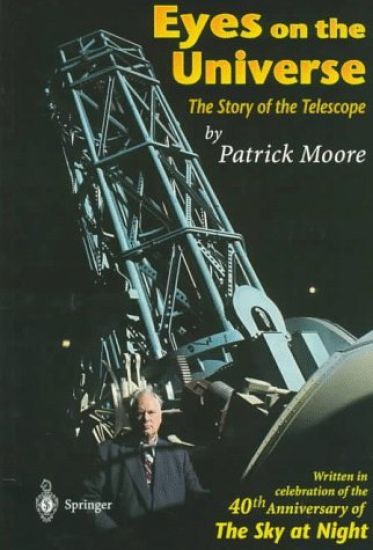
Eyes on the Universe is an illustrated history of the telescope, beginning with pre-telescopic observatories and the refractors of Galileo, Lippershey and Digges, and ending with the most modern instruments including - of course - the Hubble Space Telescope. Written by Dr Patrick Moore CBE, to celebrate the 40th Anniversary of the world's longest-running television programme, the BBC's The Sky at Night, the book takes an enthusiastic look at the development of astronomical telescopes. It provides its readers with a fascinating overview of the way astronomical telescopes have evolved with technology during the past 450 years. Amateur and professional astronomers alike will find this book both entertaining and instructive.
Ci sono 365 notti in un anno (366 se bisestile) e per l’astrofilo non ce ne sono mai due uguali. Il cielo ogni notte propone un suo show che ha per protagonisti migliaia di oggetti come stelle, costellazioni, pianeti, nebulose, da riconoscere uno ad uno, da ammirare e studiare. Sir Patrick Moore – celeberrimo conduttore televisivo inglese, astrofilo e divulgatore noto in tutto il mondo – ha scritto questo libro per suggerire all’amante del cielo quali oggetti di particolare interesse possono essere osservati in ciascuna diversa notte dell’anno. Vengono proposte mappe stellari di facile interpretazione, mentre il testo tratta di fisica, delle stelle e della loro storia, di sistemi binari, galassie, della Luna e dei pianeti: di tutto ciò che la volta celeste offre all’astrofilo curioso. Cosa hanno detto della prima edizione: "…ben scritto e pieno di entusiasmo." New Scientist "Patrick Moore si è ripetuto. Che libro eccellente è questo." Astronomy and Space

Om inte drastiska åtgärder vidtas snarast kommer de av människan orsakade klimatförändringarna att leda till en gigantisk klimatkris som hotar livet på planeten ... Så kan den konventionella visdomen* om klimatet formuleras. Enligt denna uppfattning kommer klimatförändringarna, om inget görs, att få bland annat följande konsekvenser: Kraftigt högre temperaturer. Mer torka och fler bränder. Snabbt stigande havsnivåer. Ökad havsförsurning som dödar merparten av marint liv. Artutrotning och skogsdöd i massiv skala. Korallrevens utplåning. Missväxt och matbrist. Miljarder flyktingar.Men allt fler forskare och debattörer ifrågasätter denna dystra syn på klimatet och framtiden. En av dem är den kanadensiske ekologen och grundaren av Greenpeace, Patrick Moore. I sin bok visar han hur många påståenden och förutsägelser om klimatförändringarna och dess effekter är helt eller delvis felaktiga. Även de två mest centrala antagandena att koldioxid spelar en nyckelroll för jordens uppvärmning och att en ökad koldioxidhalt är av ondo saknar vetenskaplig grund, menar författaren.Patrick Moore är en kanadensisk doktor i ekologi som sedan slutet av 1960-talet varit verksam i den internationella miljörörelsen. Bland annat var han med och grundade Greenpeace 1971 där han innehade ledande positioner fram till 1986. Han stod i spetsen för Greenpeaces kampanjer för att rädda valarna, hejda masslakt av sälungar och stoppa kärnvapenprovsprängningar. År 1986 lämnade Patrick Moore Greenpeace då han kommit att inse att organisationen hade övergivit ett vetenskapligt grundat synsätt. År 2015 var han med och bildade CO2 Coalition, en organisation med syftet att upplysa om koldioxidens fördelar för livet på jorden.* En allmänt accepterad och utbredd föreställning om någonting som inte nödvändigtvis är sann. I modern tid introducerades begreppet av nationalekonomen John Kenneth Galbraith. Synonymer: allmän kunskap, majoritetsuppfattning, truism, dominerande ideologi, ortodoxi, plattityd, partilinje.»För en tid sedan gick det upp för mig att merparten av de skräckscenarier som målas upp om planetens tillstånd grundar sig på sådant som antingen är osynligt, som koldioxid och radioaktiv strålning, eller är extremt avlägset, som isbjörnar och korallrev. Detta faktum omöjliggör för de allra flesta människor att ta ställning till om de påståenden som görs i scenariorna är sanna eller inte. I stället tvingas vi sätta vår lit till att aktivister, journalister, politiker och forskare ger oss sanningen, trots att dessa grupper kan ha stora ekonomiska och/eller politiska intressen att försvara. Möjligheten öppnas därmed för att narrativ helt enkelt hittas på. Detta är vad som har skett med påståendet att koldioxidutsläpp i samband med förbränning av fossila bränslen orsakar en klimatkris.« Patrick Moore »Sammanfattningsvis är idén om att människan orsakar en dramatisk ökning av den globala temperaturen genom att förbränna fossila bränslen helt enkelt inte sann. Människans lilla bidrag till koldioxidhalten ett spårämne i jordens atmosfär är i själva verket mycket fördelaktigt. Föreställningen att det skulle vara skadligt eller farligt är falsk. Patrick Moore visar oss varför det är så i denna klarsynta, välskrivna och upplysande bok. Författaren har lagt ned ett enormt arbete på boken som är mycket välillustrerad och fullproppad med information.« Nicholas Dykes »Om du har unga intelligenta människor i din närhet som tror på den konventionella visdomen om klimatförändringarna, men vars övertygelse ännu inte är huggen i sten, är Patrick Moores bok den du ska sätta i händerna på dem. Förvisso finns redan ett antal utmärkta böcker som vederlägger teorierna om ett nära förestående klimat-harmageddon, men Moores bok är särskilt kraftfull och övertygande. Utan omsvep hävdar han att varje påstående från klimatetablissemanget är falskt. Enligt sin egen definition är han en kättare alltså någon som förnekar en teoris underliggande antaganden snarare än en skeptiker som förkastar en teoris slutsatser. Författaren behärskar sitt material på ett imponerande vis och han skriver övertygande, koncist och, när så är befogat, vasst.« Rael Jean Isaac»Osynliga katastrofer och falska hot om jordens undergång är en underbar bok. I kapitel efter kapitel demonterar Patrick Moore med förödande logik de falska påståendena som görs om klimatet. Han visar också mod när han pläderar för att vi lever i en tid som i framtiden mycket väl kan komma att betraktas som en period av kollektiv galenskap. Jag rekommenderar boken varmt.« David Mason-Jones
Patrick Moore introduces the stars and the night sky to complete beginners and children in this brand new, highly illustrated guide. Using simple terms, he brings the mysteries of the sky to a new audience. 'Are you interested in the stars? If so, I will try and help you make a start. Look up in the daytime, when there are no clouds. The sky is blue and the Sun is very bright. Do not look at the Sun for long, or you will hurt your eyes. At night you will see the stars, and for many nights each month you will see the moon too. You cannot see stars in the daytime, because the sky is too bright. The Sun is a star, and seems so bright and hot only because it is much closer than the other stars. If it were just as far away, it would be just like the other stars. The Sun is much larger than the Earth. It is not solid and rocky. Like all stars it is made up of hot gas. Some of the stars you see at night are really much bigger and hotter than the Sun ...'
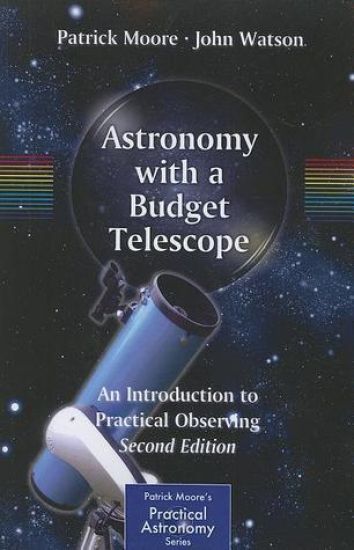
Astronomy with a Budget Telescope
Patrick Moore; John Watson
Springer-Verlag New York Inc.
2012
nidottu
Astronomy with a Budget Telescope, 2nd Edition is a complete introduction to buying and using a low-cost amateur astronomical telescope. It provides essential hints and tips about what to look for when buying on a budget - the best are now excellent value, but they all lack an astronomer's advice about setting them up and using them.Astronomy with a Budget Telescope was first published in 2003, since then technology has moved on substantially. The main factors are first the availability of fairly inexpensive computer-controlled "go-to" telescopes which after setting up can automatically locate any celestial objects with reasonable accuracy. Second, digital cameras have now almost completely displaced "wet" film cameras, and some of them are particularly well-suited to astronomical use. Third, prices are down and quality is up!This new edition is revised and extended to include using a low-cost "go-to" telescope - there are various pitfalls to be avoided - and how this class of instrument can make amateur astronomy more accessible to those with limited time at their disposal. It also discusses the new breed of mid-range digital cameras that include powerful on-board processing and image enhancement software that used to be available only to people with advanced astronomical CCD cameras. Finally, there are detailed reviews and test reports on some of the budget telescopes that are available on Main Street and by mail order.
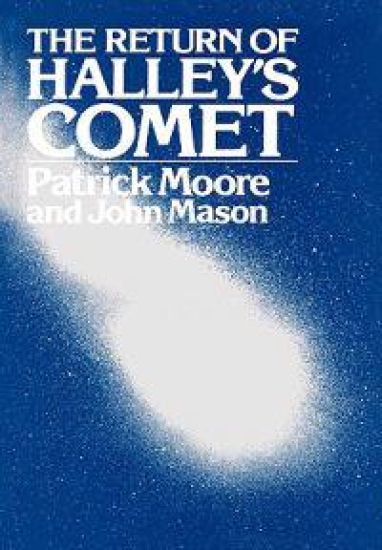
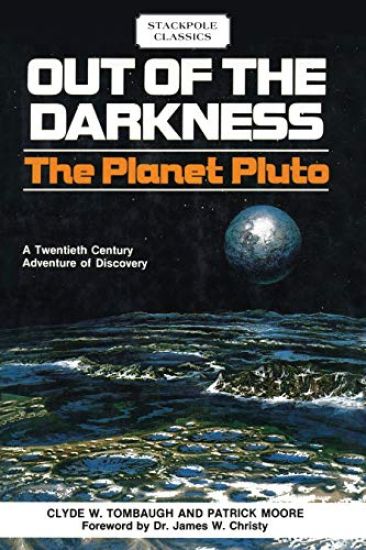
An adventure in scientific discovery Pluto, the farthermost planet in the solar system, some 3,673 million mites from the Sun, was discovered by Clyde Tombaugh at the Lowell Observatory in 1930. The fiftieth anniversary of Pluto's discovery will be celebrated in 1980 and OUT OF THE DARKNESS: THE PLANET PLUTO tells the exciting scientific story of the twenty-five year search for a planet X beyond Neptune, and its discovery-the only planet found in the twentieth century. The planets Mercury, Venus. Mars, Jupiter, and Saturn were all known since antiquity. Then Sir William Herschel discovered Uranus in 1781, and 65 years later, in 1846, Johann Calle and Urbain le Verner discovered Neptune. Variations in orbital perturbations of the planets and theoretical astronomy were responsible for predicting and discovering the three outermost planets (Uranus, Neptune, and Pluto) and so Pluto's story is also, to some extent, the story of its planetary neighbors. What kind of world is Pluto? Much is still a mystery (its

Although transits of planets across the Sun are rare (only Mercury and Venus orbit the Sun closer than us, and so can transit the Sun's disc) amateur astronomers can observe, record and image other kinds of transit, which are very much more frequent. Transit is in two parts, the first telling the fascinating story of the early scientific expeditions to observe transits. The second part is for practical observers, and explains how to observe transits of all sorts - even transits of aircraft as they fly between the observer and the Sun!
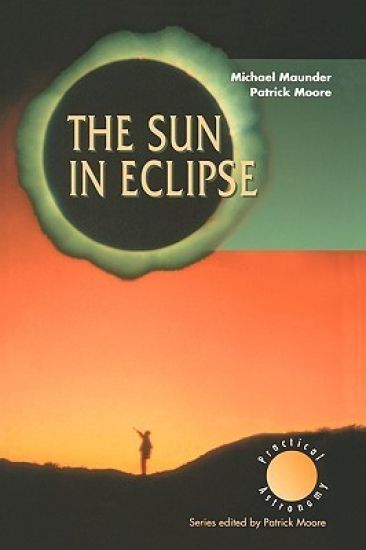
The Sun in Eclipse
Michael Maunder; Patrick Moore
Springer-Verlag Berlin and Heidelberg GmbH Co. K
1997
nidottu
A total eclipse of the Sun is due in August 1999. It will attract alot of interest because - unusually - it will be visible in much of Europe and the UK. A total Solar Eclipse is always fascinating. This book is for everyone that wants to know 1. What a Solar Eclipse is 2. The phenomena one can expect to see 3. How to photograph an eclipse using a variety of methods 4. How to plan for an eclipse expedition. The book not only covers the 1999 eclipse but also past and future eclipses which we can look forward to. This book is also interesting to "armchair astronomers" as it contains alot of historical and anecdotal information. There's even a final chapter on "Eclipse Mishaps and Oddities" including the American eclipse expedition of 1780 that missed the total eclipse because they went to the wrong location!