Kirjojen hintavertailu. Mukana 12 297 242 kirjaa ja 12 kauppaa.

Kirjahaku

Etsi kirjoja tekijän nimen, kirjan nimen tai ISBN:n perusteella.

180 kirjaa tekijältä Seneca

Enchiridion of Seneca: A New Translation

Enchiridion of Seneca: A New Translation

Gerald Adams; Seneca

Portia Press
2022
nidottu
I wish you will be your own master - Seneca A practical adaptation of Seneca's teachings, translated for modern readers. Seneca will teach you the art of living like a Stoic. His work has taught people for almost two thousand years. In the Enchiridion of Seneca, you will find his most valuable teaching and reflection about all aspects of life. Just like the Enchiridion of Epictetus, this Enchiridion brings concise and practical aphorisms about how to live life. Seneca focuses on practical solutions and how to be happy even when things are chaotic, and he will teach how to achieve the things you want. The Enchiridion of Seneca is a concise and essential guide to Stoicism and the good life. From the introduction: The emperor of Rome, Nero, ordered a man to commit suicide. Seneca was his name. He was born around 4 BC in Cordoba, which was part of the Roman Empire. He went to Rome when he was young, but he became very sick and had to leave Rome for a long period. He studied philosophy a lot and wrote a lot, and gained some fame for it. He returned to Rome in 31 AD during great a political upheaval and was banished from Rome by the Emperor in 41 AD. In 49 AD, he was recalled to Rome to become an adviser and tutor to a young man named Nero. Nero became emperor and slowly went mad. He came to believe that Seneca was part of a conspiracy against him and ordered him to commit suicide. When he received the order, he complied and died.Seneca wrote many works of philosophy. One of his works is the Letters from a Stoic. In this work, he tries to teach Stoicism. It is wonderfully educative and stylistic, but also very long. Taking inspiration from the Enchiridion of Epictetus, I have selected and translated Letters from a Stoic to create this book. The aim of the book is the same as all the other Enchiridions: to teach about Stoic ideas and to help apply those ideas. I hope Seneca's thoughts and my selection and translation serve you well.
The Stoics: The Philosophy of Seneca, Epictetus and Marcus Aurelius

The Stoics: The Philosophy of Seneca, Epictetus and Marcus Aurelius

Marcus Aurelius; Epicurus; Seneca

Sirius Entertainment
2025
sidottu
This luxurious hardback edition brings together four classic essays on Stoic philosophy from the Ancient Greek world, beautifully presented with gold embossing and stenciled page edges. Is there an answer to the question 'How does one lead a happy life' Certainly one ancient Greek school of philosophy believed that there was: lead a life of virtue, one in harmony with nature and do not be swayed by fortune or misfortune. First propounded by Zeno of Citium, Stoicism has resonated through the ages and, today, it seems even more pertinent as we look for ways to combat the constant bombardment of our lives by outside forces, whether they be the effects of current affairs, our work, family issues, economic problems or social pressures. Collected together in this volume are four key works that explain the key tenets of Stoicism, each one offering mindful lessons about how to face both the best and the worst things and find your path through life. Contains: - On the Shortness of Life by Seneca- Of Peace of Mind by Seneca- The Enchridion of Epictetus by Epictetus- Meditations by Marcus Aurelius. This deluxe edition features gold foil cover embossing, stencilled page-edges and full-color endpapers, making a true collector's item. Also included is an introduction that explores the tenets of Stoicism and explains how crucial these works are to understanding this school of philosophical thought.
Four Tragedies and Octavia

Four Tragedies and Octavia

Seneca

Penguin Classics
2005
isokokoinen pokkari
Based on the legends used in Greek drama, Seneca's plays are notable for the exuberant ruthlessness with which disastrous events are foretold and then pursued to their tragic and often bloodthirsty ends. Thyestes depicts the menace of an ancestral curse hanging over two feuding brothers, while Phaedra portrays a woman tormented by fatal passion for her stepson. In The Trojan Women, the widowed Hecuba and Andromache await their fates at the hands of the conquering Greeks, and Oedipus follows the downfall of the royal House of Thebes. Octavia is a grim commentary on Nero's tyrannical rule and the execution of his wife, with Seneca himself appearing as an ineffective counsellor attempting to curb the atrocities of the emperor.
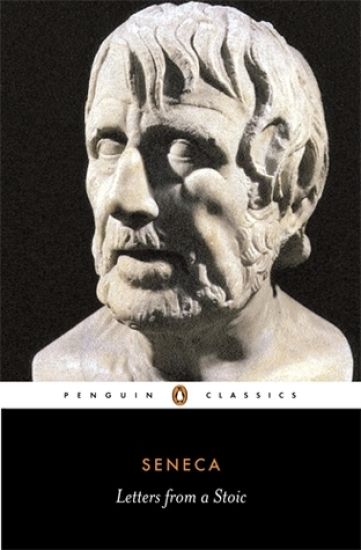
Letters from a Stoic

Letters from a Stoic

Seneca

Penguin Classics
2004
pokkari
'It is philosophy that has the duty of protecting us ... without it no one can lead a life free of fear or worry'For several years of his turbulent life, in which he was dogged by ill health, exile and danger, Seneca was the guiding hand of the Roman Empire. This selection of Seneca's letters shows him upholding the ideals of Stoicism - the wisdom of the self-possessed person immune to life's setbacks - while valuing friendship and courage, and criticizing the harsh treatment of slaves and the cruelties in the gladiatorial arena. The humanity and wit revealed in Seneca's interpretation of Stoicism is a moving and inspiring declaration of the dignity of the individual mind.Selected and translated with an Introduction by Robin Campbell
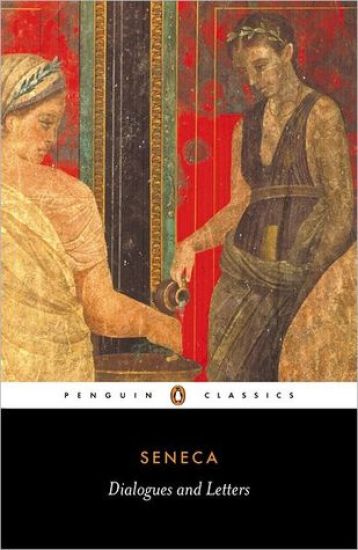
Dialogues and Letters

Dialogues and Letters

Seneca

Penguin Classics
1997
pokkari
A major writer and a leading figure in the public life of Rome, Seneca (c. 4BC-AD 65) ranks among the most eloquent and influential masters of Latin prose. This selection explores his thoughts on philosophy and the trials of life. In the Consolation to Helvia he strives to offer solace to his mother, following his exile in AD 41, while On the Shortness of Life and On Tranquillity of Mind are lucid and compelling explorations of Stoic thought. Witty and self-critical, the Letters - written to his young friend Lucilius - explore Seneca's struggle to acquire philosophical wisdom. A fascinating insight into one of the greatest minds of Ancient Rome, these works inspired writers and thinkers including Montaigne, Rousseau, and Bacon, and continue to intrigue and enlighten.
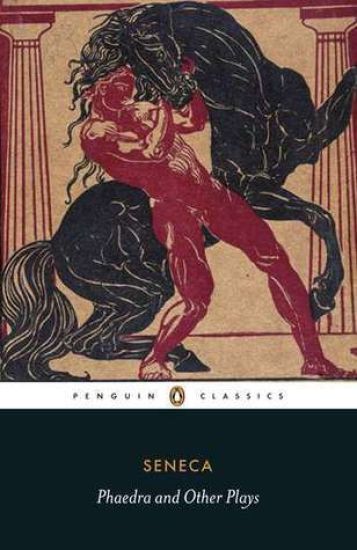
Phaedra and Other Plays

Phaedra and Other Plays

Seneca

Penguin Classics
2011
pokkari
Living in Rome under Caligula and later a tutor to Nero, Seneca witnessed the extremes of human behaviour. His shocking and bloodthirsty plays not only reflect a brutal period of history but also show how guilt, sorrow, anger and desire lead individuals to violence. The hero of Hercules Insane saves his own family from slaughter, only to commit further atrocities when he goes mad. The horrifying death of Astyanax is recounted in Trojan Women, and Phaedra deals with forbidden love. In Oedipus a nervous man discovers himself, while Thyestes recounts the bitter family struggle for a crown. Of uncertain authorship, Octavia dramatizes Nero's divorce from his wife and her deportation. The only Latin tragedies to have survived complete, these plays are masterpieces of vibrant, muscular language and psychological insight.
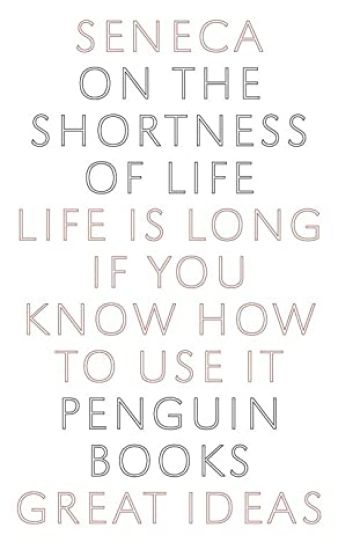
On the Shortness of Life

On the Shortness of Life

Seneca

Penguin Books Ltd
2004
nidottu
Timeless advice on the art of living well, from the celebrated Penguin Great Ideas seriesThe writings of the ancient Roman philosopher Seneca offer powerful insights into stoicism, morality and the importance of reason, and continue to provide profound guidance to many through their eloquence, lucidity and wisdom.Throughout history, some books have changed the world. They have transformed the way we see ourselves - and each other. They have inspired debate, dissent, war and revolution. They have enlightened, outraged, provoked and comforted. They have enriched lives - and destroyed them. The Penguin Great Ideas series brings you the works of the great thinkers, pioneers, radicals and visionaries whose ideas shook civilization, and helped make us who we are.
Letters from a Stoic

Letters from a Stoic

Seneca

Penguin Classics
2014
sidottu
Selected from the Epistulae Morales ad Lucilium, Seneca's Letters from a Stoic are a set of 'essays in disguise' from one of the most insightful philosophers of the Silver Age of Roman literature. This Penguin Classics edition is translated from the Latin with an introduction by Robin Campbell.A philosophy that saw self-possession as the key to an existence lived 'in accordance with nature', Stoicism called for the restraint of animal instincts and the severing of emotional ties. These beliefs were formulated by the Athenian followers of Zeno in the fourth century BC, but it was in Seneca that the Stoics found their most eloquent advocate. Stoicism, as expressed in the Letters, helped ease pagan Rome's transition to Christianity, for it upholds upright ethical ideals and extols virtuous living, as well as expressing disgust for the harsh treatment of slaves and the inhumane slaughters witnessed in the Roman arenas. Seneca's major contribution to a seemingly unsympathetic creed was to transform it into a powerfully moving and inspiring declaration of the dignity of the individual mind.Robin Campbell's lucid translation captures Seneca's humour and tautly aphoristic style. In his introduction, he discusses the tensions between Seneca's philosophy and his turbulent career as adviser to the tyrannical emperor Nero.Lucius Annaeus Seneca (c.4BC - AD65) was born in Spain but was raised according to the traditional values of the republic of Rome. In AD48 he became tutor to the future emperor Nero and became his principal civil advisor when he took power. His death was eventually ordered by Nero in AD65, but Seneca anticipated the emperor's decree and committed suicide.If you enjoyed Letters from a Stoic, you might like Marcus Aurelius's Meditations, also available in Penguin Classics.
On the Shortness of Life: Life Is Long If You Know How to Use It
Throughout history, some books have changed the world. They have transformed the way we see ourselves--and each other. They have inspired debate, dissent, war and revolution. They have enlightened, outraged, provoked and comforted. They have enriched lives--and destroyed them. Now, Penguin brings you the works of the great thinkers, pioneers, radicals and visionaries whose ideas shook civilization, and helped make us who we are. Penguin's Great Ideas series features twelve groundbreaking works by some of history's most prodigious thinkers, and each volume is beautifully packaged with a unique type-drive design that highlights the bookmaker's art. Offering great literature in great packages at great prices, this series is ideal for those readers who want to explore and savor the Great Ideas that have shaped the world.The Stoic writings of the philosopher Seneca, who lived from c. 5 BC to AD 65, offer powerful insights into the art of living, the importance of reason and morality, and continue to provide profound guidance to many through their eloquence, lucidity and timeless wisdom. This selection of Seneca's orks was taken from the Penguin Classics edition of Dialogues and Letters, translated by C.D.N. Costa, and includes the essays On the Shortness of Life, Consolation to Helvia, and On Tranquility of Mind.
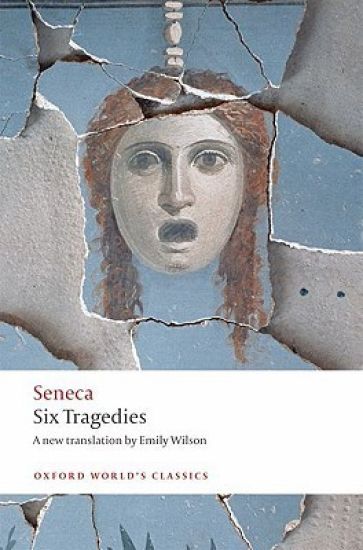
Six Tragedies

Six Tragedies

Seneca

Oxford University Press
2010
nidottu
Phaedra * Oedipus * Medea * Trojan Women * Hercules Furens * Thyestes Seneca's plays are the product of a sensational, frightening, and oppressive period of history. Tutor to the emperor Nero, Seneca lived through uncertain and violent times, and his dramas depict the extremes of human behaviour. Rape, suicide, child-killing, incestuous love, madness and mutilation afflict the characters, who are obsessed and destroyed by their feelings. Passion is constantly set against reason, and passion wins out. Seneca forces us to think about the difference between compromise and hypocrisy, about what happens when emotions overwhelm judgement, and about how, if at all, a person can be good, calm, or happy in a corrupt society and under constant threat of death. Seneca was one of the most prolific, versatile, and influential of all classical Latin writers, and the only tragic playwright from ancient Rome whose work survives. This new edition of his six best plays captures Seneca's style in a verse translation that is both lively and accurate. ABOUT THE SERIES: For over 100 years Oxford World's Classics has made available the widest range of literature from around the globe. Each affordable volume reflects Oxford's commitment to scholarship, providing the most accurate text plus a wealth of other valuable features, including expert introductions by leading authorities, helpful notes to clarify the text, up-to-date bibliographies for further study, and much more.
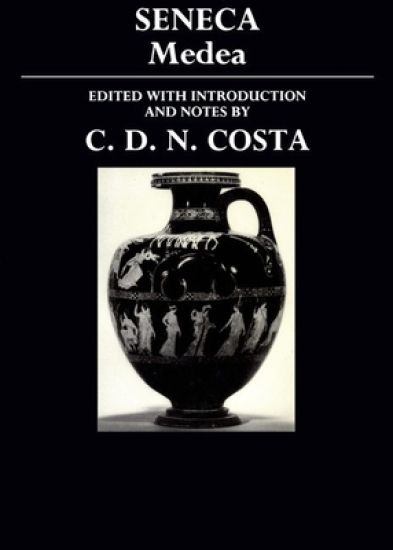
Medea

Medea

Seneca

Clarendon Press
1989
nidottu
This paperback edition of the Medea is the first full-scale edition with introduction, text, apparatus criticus, and commentary, of any play by Seneca. Its purpose is primarily to elucidate the play itself, but at the same time it is easily accessible to students of English and French literature since Costa clarifies several of the links between the ancient play and the work of later European playwrights. That Seneca's work influenced European literature is well attested, but his Medea is particularly interesting as it was preceded by Euripides' version and followed by many plays on the subject in English, French, and German, derived more or less closely from Seneca's.
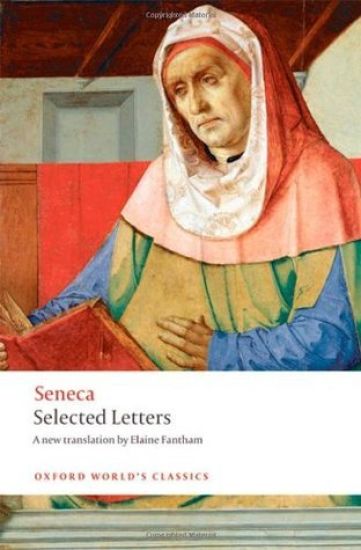
Selected Letters

Selected Letters

Seneca

Oxford University Press
2010
nidottu
'You ask what is the proper measure of wealth? The best measure is to have what is necessary, and next best, to have enough. Keep well!' The letters written by the Stoic philosopher and tragedian Seneca to his friend Lucilius are in effect moral essays, whose purpose is to reinforce Lucilius' struggle to achieve wisdom and serenity, uninfluenced by worldly emotions. Seneca advises his friend on how to do without what is superfluous, whether on the subject of happiness, riches, reputation, or the emotions. The letters include literary critical discussions, moral exhortation, exemplary heroes and episodes from Roman history, and a lurid picture of contemporary luxury. We learn about Seneca's household and estates and about life in the time of Nero; the topic of death is never far away. This readable new translation is the largest selection of Seneca's letters currently available. Accompanied by an invaluable introduction and notes, it opens a window on to Seneca's world. ABOUT THE SERIES: For over 100 years Oxford World's Classics has made available the widest range of literature from around the globe. Each affordable volume reflects Oxford's commitment to scholarship, providing the most accurate text plus a wealth of other valuable features, including expert introductions by leading authorities, helpful notes to clarify the text, up-to-date bibliographies for further study, and much more.
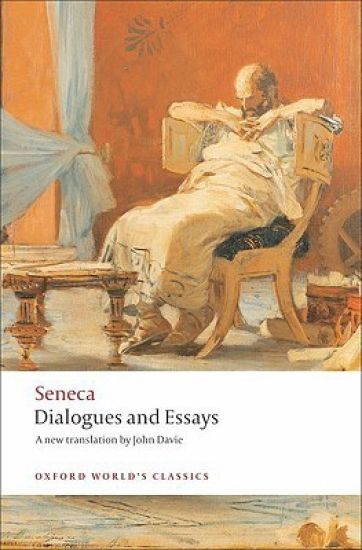
Dialogues and Essays

Dialogues and Essays

Seneca

Oxford University Press
2008
nidottu
'No man is crushed by misfortune unless he has first been deceived by prosperity.' In these dialogues and essays the Stoic philosopher Seneca outlines his thoughts on how to live in a troubled world. Tutor to the young emperor Nero, Seneca wrote exercises in practical philosophy that draw upon contemporary Roman life and illuminate the intellectual concerns of the day. They also have much to say to the modern reader, as Seneca ranges widely across subjects such as the shortness of life, tranquillity of mind, anger, mercy, happiness, and grief at the loss of a loved one. Seneca's accessible, aphoristic style makes his writing especially attractive as an introduction to Stoic philosophy, and belies its reputation for austerity and dogmatism. This edition combines a clear and modern translation with an introduction to Seneca's life and philosophical interests, and helpful notes. ABOUT THE SERIES: For over 100 years Oxford World's Classics has made available the widest range of literature from around the globe. Each affordable volume reflects Oxford's commitment to scholarship, providing the most accurate text plus a wealth of other valuable features, including expert introductions by leading authorities, helpful notes to clarify the text, up-to-date bibliographies for further study, and much more.
On the Shortness of Life
From the author of Letters from a Stoic (Epistulae Morales), comes another brilliant, timeless guide to living well.This new edition of Seneca's On the Shortness of Life (De Brevitate Vitae) from The Augustine Press has been revised with footnotes by author Damian Stevenson.
On the Shortness of Life
From the author of Letters from a Stoic (Epistulae Morales), comes another brilliant, timeless guide to living well. This new edition of Seneca's On the Shortness of Life (De Brevitate Vitae) from The Augustine Press has been revised with footnotes by author Damian Stevenson.
Epistles, Volume I
Meditative missives.Seneca, Lucius Annaeus, born at Corduba (Cordova) ca. 4 BC, of a prominent and wealthy family, spent an ailing childhood and youth at Rome in an aunt’s care. He became famous in rhetoric, philosophy, money-making, and imperial service. After some disgrace during Claudius’ reign he became tutor and then, in AD 54, advising minister to Nero, some of whose worst misdeeds he did not prevent. Involved (innocently?) in a conspiracy, he killed himself by order in 65. Wealthy, he preached indifference to wealth; evader of pain and death, he preached scorn of both; and there were other contrasts between practice and principle. We have Seneca’s philosophical or moral essays (ten of them traditionally called Dialogues)—on providence, steadfastness, the happy life, anger, leisure, tranquility, the brevity of life, gift-giving, forgiveness—and treatises on natural phenomena. Also extant are 124 epistles, in which he writes in a relaxed style about moral and ethical questions, relating them to personal experiences; a skit on the official deification of Claudius, Apocolocyntosis (in LCL 15); and nine rhetorical tragedies on ancient Greek themes. Many epistles and all his speeches are lost. The 124 epistles are collected in Volumes IV–VI of the Loeb Classical Library’s ten-volume edition of Seneca.
Epistles, Volume II
Meditative missives.Seneca, Lucius Annaeus, born at Corduba (Cordova) ca. 4 BC, of a prominent and wealthy family, spent an ailing childhood and youth at Rome in an aunt’s care. He became famous in rhetoric, philosophy, money-making, and imperial service. After some disgrace during Claudius’ reign he became tutor and then, in AD 54, advising minister to Nero, some of whose worst misdeeds he did not prevent. Involved (innocently?) in a conspiracy, he killed himself by order in 65. Wealthy, he preached indifference to wealth; evader of pain and death, he preached scorn of both; and there were other contrasts between practice and principle. We have Seneca’s philosophical or moral essays (ten of them traditionally called Dialogues)—on providence, steadfastness, the happy life, anger, leisure, tranquility, the brevity of life, gift-giving, forgiveness—and treatises on natural phenomena. Also extant are 124 epistles, in which he writes in a relaxed style about moral and ethical questions, relating them to personal experiences; a skit on the official deification of Claudius, Apocolocyntosis (in LCL 15); and nine rhetorical tragedies on ancient Greek themes. Many epistles and all his speeches are lost. The 124 epistles are collected in Volumes IV–VI of the Loeb Classical Library’s ten-volume edition of Seneca.