Kirjojen hintavertailu. Mukana 11 627 469 kirjaa ja 12 kauppaa.

Kirjahaku

Etsi kirjoja tekijän nimen, kirjan nimen tai ISBN:n perusteella.

31 kirjaa tekijältä Todd May

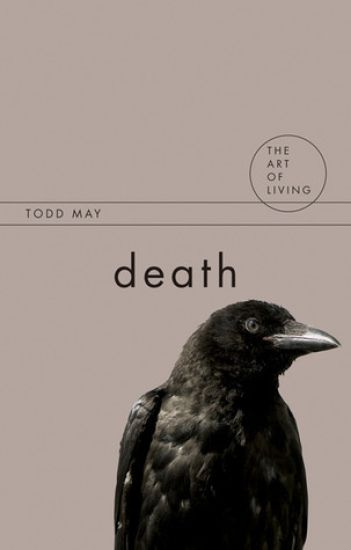
Death

Death

Todd May

Routledge
2016
sidottu
The fact that we will die, and that our death can come at any time, pervades the entirety of our living. There are many ways to think about and deal with death. Among those ways, however, a good number of them are attempts to escape its grip. In this book, Todd May seeks to confront death in its power. He considers the possibility that our mortal deaths are the end of us, and asks what this might mean for our living. What lessons can we draw from our mortality? And how might we live as creatures who die, and who know we are going to die?In answering these questions, May brings together two divergent perspectives on death. The first holds that death is not an evil, or at least that immortality would be far worse than dying. The second holds that death is indeed an evil, and that there is no escaping that fact. May shows that if we are to live with death, we need to hold these two perspectives together. Their convergence yields both a beauty and a tragedy to our living that are inextricably entwined.Drawing on the thoughts of many philosophers and writers - ancient and modern - as well as his own experience, May puts forward a particular view of how we might think about and, more importantly, live our lives in view of the inescapability of our dying. In the end, he argues, it is precisely the contingency of our lives that must be grasped and which must be folded into the hours or years that remain to each of us, so that we can live each moment as though it were at once a link to an uncertain future and yet perhaps the only link we have left.
Kenneth Lonergan

Kenneth Lonergan

Todd May

Bloomsbury Academic
2020
sidottu
Kenneth Lonergan’s three films—You Can Count on Me (2000), Margaret (2011), and Manchester by the Sea (2016)—are rife with philosophical complexities. They challenge simple philosophical approaches to central issues of human behaviour. In particular, they ask questions about how to cope with suffering that one cannot overcome, the role that self- deception plays in people’s lives and how to think about characters who do not embody simplistic moral ideas of virtue and vice. By philosophically engaging with these themes as they unfold in Lonergan’s films, we are then able to formulate a more nuanced answer to the questions they pose. Kenneth Lonergan: Philosophical Filmmaker will draw from Lonergan’s films and plays, along with the philosophical literature on the topics that they explore. The rich history of philosophical reflection surrounding these areas enables the reader to determine how the themes central to Lonergan’s work have combined to create a rich cinematic oeuvre.
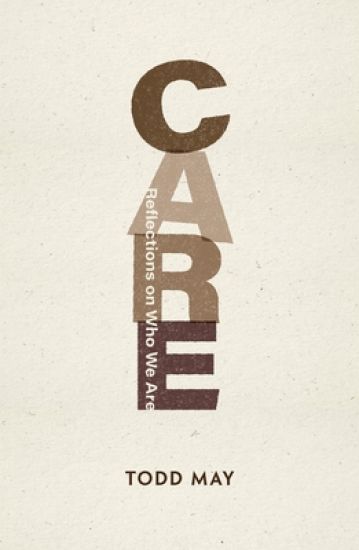
Care

Care

Todd May

AGENDA PUBLISHING
2023
sidottu
Caring is a central aspect of our being. Without it, we would just float along in the world, attaching ourselves superficially to one activity after another as they came up. Caring anchors us to the world and to each other. And yet, understanding what caring is and how it operates in our lives is a challenge. Todd May meets that challenge, canvassing various approaches to care and offering an overview of the key role it plays in our lives. With wit and insight, May addresses the difficulties between understanding care as a reflective attitude and as an emotion, between care and love, between caring for humans and for non-human animals, between self-care and concern for others, and between care and vulnerability.
Care

Care

Todd May

AGENDA PUBLISHING
2023
nidottu
Caring is a central aspect of our being. Without it, we would just float along in the world, attaching ourselves superficially to one activity after another as they came up. Caring anchors us to the world and to each other. And yet, understanding what caring is and how it operates in our lives is a challenge. Todd May meets that challenge, canvassing various approaches to care and offering an overview of the key role it plays in our lives. With wit and insight, May addresses the difficulties between understanding care as a reflective attitude and as an emotion, between care and love, between caring for humans and for non-human animals, between self-care and concern for others, and between care and vulnerability.
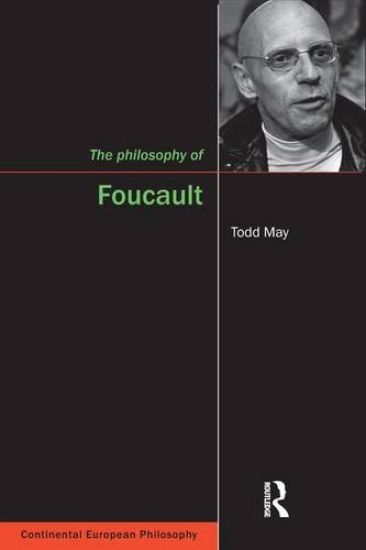
The Philosophy of Foucault

The Philosophy of Foucault

Todd May

Acumen Publishing Ltd
2006
sidottu
Michel Foucault's historical and philosophical investigations have gone through many phases: the archaeological, the genealogical, and the ethical among them. What remains constant, however, is the question that motivates them: who are we? Todd May follows Foucault's itinerary from his early history of madness to his posthumously published College de France lectures and shows how the question of who we are shifts and changes but remains constantly at or just below the surface of his writings. By approaching Foucault's work in this way, May is able to offer readers an engaging and illuminating way to understand Foucault. Each of Foucault's key works - "Madness and Civilization," "The Archaeology of Knowledge," "The Order of Things," "Discipline and Punish" and the multi-volume "History of Sexuality" - are examined in detail and situated in an historical context that makes effective use of comparisons with other thinkers such as Freud, Nietzsche and Sartre. Throughout this book May strikes a balance between sympathetic presentation and criticism of Foucault's ideas and in so doing exposes Foucault's contributions of lasting value. "The Philosophy of Foucault" is an accessible and stimulating introduction to one of the most popular and influential thinkers of recent years and will be welcomed by students studying Foucault as part of politics, sociology, history and philosophy courses.
The Philosophy of Foucault

The Philosophy of Foucault

Todd May

Acumen Publishing Ltd
2006
nidottu
Michel Foucault's historical and philosophical investigations have gone through many phases: the archaeological, the genealogical, and the ethical among them. What remains constant, however, is the question that motivates them: who are we? Todd May follows Foucault's itinerary from his early history of madness to his posthumously published College de France lectures and shows how the question of who we are shifts and changes but remains constantly at or just below the surface of his writings. By approaching Foucault's work in this way, May is able to offer readers an engaging and illuminating way to understand Foucault. Each of Foucault's key works - "Madness and Civilization," "The Archaeology of Knowledge," "The Order of Things," "Discipline and Punish" and the multi-volume "History of Sexuality" - are examined in detail and situated in an historical context that makes effective use of comparisons with other thinkers such as Freud, Nietzsche and Sartre. Throughout this book May strikes a balance between sympathetic presentation and criticism of Foucault's ideas and in so doing exposes Foucault's contributions of lasting value. "The Philosophy of Foucault" is an accessible and stimulating introduction to one of the most popular and influential thinkers of recent years and will be welcomed by students studying Foucault as part of politics, sociology, history and philosophy courses.
Death

Death

Todd May

Acumen Publishing Ltd
2009
nidottu
The fact that we will die, and that our death can come at any time, pervades the entirety of our living. There are many ways to think about and deal with death. Among those ways, however, a good number of them are attempts to escape its grip. In this book, Todd May seeks to confront death in its power. He considers the possibility that our mortal deaths are the end of us, and asks what this might mean for our living. What lessons can we draw from our mortality? And how might we live as creatures who die, and who know we are going to die?In answering these questions, May brings together two divergent perspectives on death. The first holds that death is not an evil, or at least that immortality would be far worse than dying. The second holds that death is indeed an evil, and that there is no escaping that fact. May shows that if we are to live with death, we need to hold these two perspectives together. Their convergence yields both a beauty and a tragedy to our living that are inextricably entwined.Drawing on the thoughts of many philosophers and writers - ancient and modern - as well as his own experience, May puts forward a particular view of how we might think about and, more importantly, live our lives in view of the inescapability of our dying. In the end, he argues, it is precisely the contingency of our lives that must be grasped and which must be folded into the hours or years that remain to each of us, so that we can live each moment as though it were at once a link to an uncertain future and yet perhaps the only link we have left.
Emerging Trends in Continental Philosophy

Emerging Trends in Continental Philosophy

Todd May

Acumen Publishing Ltd
2013
sidottu
"Emerging Trends in Continental Philosophy" presents a comprehensive and accessible analysis of the most recent developments in European thought. From feminist thought to environmental philosophy to analytic themes in Continental philosophy to recent discussions of citizenship, "Emerging Trends" offers an overview of the currents animating contemporary Continental philosophy. The volume focuses on thematic developments rather than individual figures, allowing the reader to follow the threads that weave different thinkers together. Each essay is written by an expert in the area covered, displaying the passion of these experts for the fields they discuss without lapsing into jargon. The volume provides a broad map of the landscape of recent European thought as well as the latest thinking from leading scholars on key themes.
Emerging Trends in Continental Philosophy

Emerging Trends in Continental Philosophy

Todd May

Acumen Publishing Ltd
2013
nidottu
"Emerging Trends in Continental Philosophy" presents a comprehensive and accessible analysis of the most recent developments in European thought. From feminist thought to environmental philosophy to analytic themes in Continental philosophy to recent discussions of citizenship, "Emerging Trends" offers an overview of the currents animating contemporary Continental philosophy. The volume focuses on thematic developments rather than individual figures, allowing the reader to follow the threads that weave different thinkers together. Each essay is written by an expert in the area covered, displaying the passion of these experts for the fields they discuss without lapsing into jargon. The volume provides a broad map of the landscape of recent European thought as well as the latest thinking from leading scholars on key themes.
Kenneth Lonergan

Kenneth Lonergan

Todd May

Bloomsbury Academic
2020
nidottu
Kenneth Lonergan’s three films—You Can Count on Me (2000), Margaret (2011), and Manchester by the Sea (2016)—are rife with philosophical complexities. They challenge simple philosophical approaches to central issues of human behaviour. In particular, they ask questions about how to cope with suffering that one cannot overcome, the role that self- deception plays in people’s lives and how to think about characters who do not embody simplistic moral ideas of virtue and vice. By philosophically engaging with these themes as they unfold in Lonergan’s films, we are then able to formulate a more nuanced answer to the questions they pose. Kenneth Lonergan: Philosophical Filmmaker will draw from Lonergan’s films and plays, along with the philosophical literature on the topics that they explore. The rich history of philosophical reflection surrounding these areas enables the reader to determine how the themes central to Lonergan’s work have combined to create a rich cinematic oeuvre.