Title: Descriptive and historical notices of some remarkable Northumbrian Castles, Churches and Antiquities, in a series of visits to the ruined Priory of Finchale, the Abbey Church of Hexham, etc. With biographical notices of eminent persons. Series 1.Publisher: British Library, Historical Print EditionsThe British Library is the national library of the United Kingdom. It is one of the world's largest research libraries holding over 150 million items in all known languages and formats: books, journals, newspapers, sound recordings, patents, maps, stamps, prints and much more. Its collections include around 14 million books, along with substantial additional collections of manuscripts and historical items dating back as far as 300 BC.The GENERAL HISTORICAL collection includes books from the British Library digitised by Microsoft. This varied collection includes material that gives readers a 19th century view of the world. Topics include health, education, economics, agriculture, environment, technology, culture, politics, labour and industry, mining, penal policy, and social order. ++++The below data was compiled from various identification fields in the bibliographic record of this title. This data is provided as an additional tool in helping to insure edition identification: ++++ British Library Gibson, William; 1848. 8 . 797.k.6.
The rise of Golda Meir from impoverished Russian schoolgirl to Prime Minister of Israel is one of the most amazing stories of the 20th century. Now her life has been transformed into a one-woman play of overwhelming power and triumph by William Gibson author of ÊThe Miracle WorkerÊ. ÊGolda's BalconyÊ earned actress Tovah Feldshuh a 2003 Drama Desk award.Þ Enlightening ... Now hearing from someone who was there at the birth of the country who sacrificed to make that happen helps remind us where the Middle East standoff came from and why it never seems to end. Þä ÊThe New York TimesÊÞ A valentine to the famously tough prime minister. Þä ÊNew York PostÊ
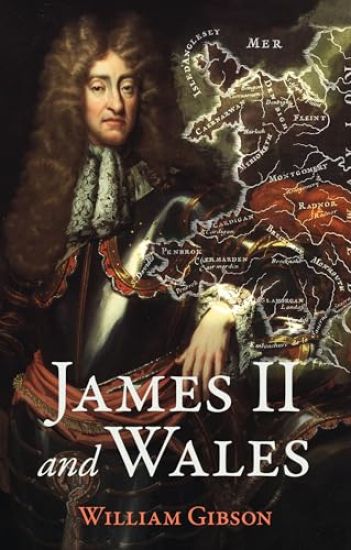
The reign of James II was a dramatic failure in Wales. He became King when Welsh loyalty to the crown and church was strong. But his attacks on the church and his own adherents in Wales meant that loyalty to him quickly drained away. James’s treatment of the Welsh gentry, lawyers and politicians stimulated a spirit of opposition that strengthened as his Catholicising policies became more strident. Clergy members were at the forefront of resistance to the King; Bishop William Lloyd of St Asaph became one of the conspirators who sought to overthrow James and replace him with William of Orange; and, when it came, the Revolution of 1688 was much more turbulent in Wales than in England. This comprehensive study of a ruined reign shows the ways in which opinion turned against James in Wales, providing an account of a neglected period in Welsh history.
This book considers how Early Modern England was transformed from a turbulent and rebellious kingdom into a peaceable land. By considering the history of Taunton, Somerset, the most rebellious town in the kingdom, it is possible to see how the emerging features of the Enlightenment - moderation, reason and rational theology - effected that transformation. The experience of Taunton in the seventeenth century was marked by economic fluctuations of the cloth trade and military struggles in the Civil War, the Monmouth Rebellion and the Glorious Revolution. The primary motivation for the citizens was zealous Puritanism. It inspired support for Parliament and rebellion against James II. But in the final quarter of the century a new rational and moderate Protestantism emerged from the largest Nonconformist congregation in the country and from a distinguished dissenting academy. The study shows that both the militancy of the seventeenth century and the enlightened moderation of the eighteenth century were principally inspired by religious rather than secular values. This book contributes to our understanding of England's transformation and of the religious factors that stimulated it.

![Reminiscences of Dollar, Tillicoultry, and Other Districts Adjoining the Ochils, with Notes on Progress, Scientific Discovery, and Invention of New Spinning Machinery, During the Last Hundred Years ... Second Edition. [With Plates.]](/covers/9781241117757.jpg)