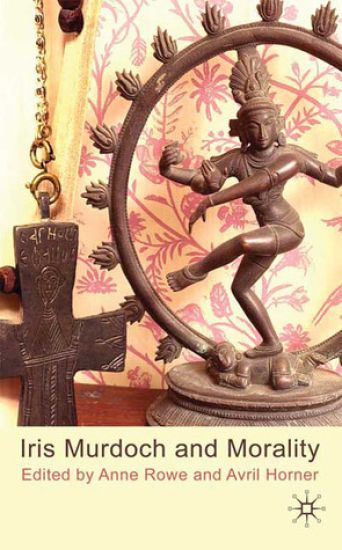
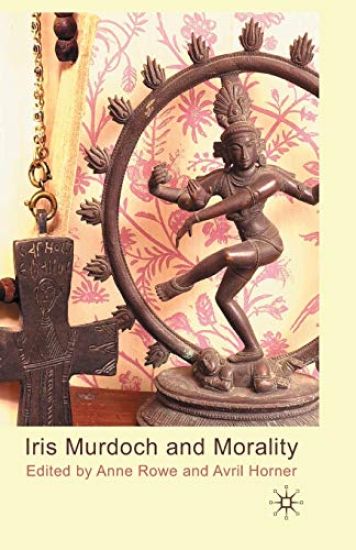
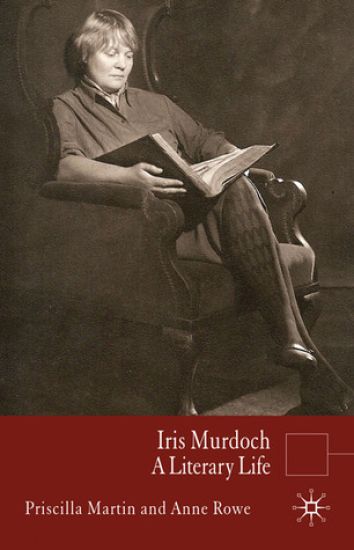
Iris Murdoch and Morality provides a close focus on moral issues in Murdoch's novels, philosophy and theology. It situates Murdoch within current theoretical debates and develops an understanding of her work as a crucial link between twentieth and twenty-first century writing and theory.
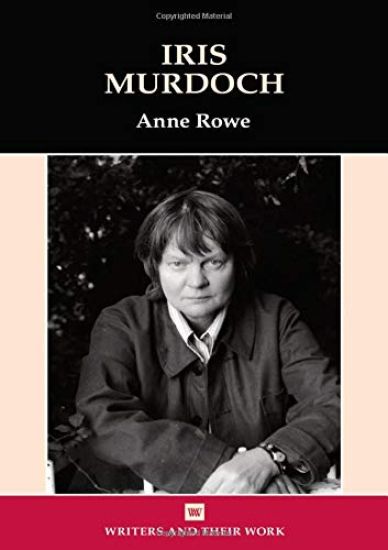
Reviews ‘Anne Rowe, a scrupulous Murdoch scholar of many years’ standing, has written a slim but comprehensive overview of the writer’s career, attending successively to aspects of her output in both genres, encompassing matters intellectual, spiritual, experiential and geographical.’ Stuart Walton, The London Magazine
Iris Murdoch and Morality provides a close focus on moral issues in Murdoch's novels, philosophy and theology. It situates Murdoch within current theoretical debates and develops an understanding of her work as a crucial link between twentieth and twenty-first century writing and theory.
Reviews ‘Anne Rowe, a scrupulous Murdoch scholar of many years’ standing, has written a slim but comprehensive overview of the writer’s career, attending successively to aspects of her output in both genres, encompassing matters intellectual, spiritual, experiential and geographical.’ Stuart Walton, The London Magazine
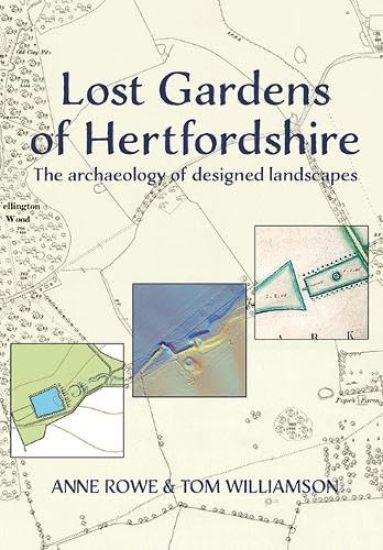
Archaeology can transform our knowledge of the history of gardens and designed landscapes. Terraces, viewing mounts, pools and other features of the great gardens laid out around elite residences at various times in the past can leave impressive earthwork traces; long-lost walls and garden buildings may be revealed by aerial photography or remote sensing techniques such as Lidar. Landscape parks, moreover, often contain the fossilised traces of the working countryside that was swept away when they were created, providing important information about the ‘genius of the place’ which was consulted when they were first designed. Hertfordshire is particularly rich in such remains. Proximity to London ensured, from an early date, an active land market and a rapid turn-over of properties: where estates were amalgamated with neighbours and mansions demolished, traces of their gardens were often preserved under grass or woodland. And the county’s moderately undulating terrain provided opportunities for - in some cases necessitated - large schemes of earth movement to provide level areas for lawns and parterres, or to create terraces. In this fascinating and innovative study - the outcome of several decades of research - systematic field survey and the analysis of aerial photographs and Lidar images are combined with the evidence of early maps and documents to reconstruct the appearance and history of more than twenty of Hertfordshire’s ‘lost gardens’. An archaeological approach also allows us to see garden history in new ways, revealing aspects of design and patterns of development not readily apparent in the kinds of evidence conventionally employed by garden historians. Clearly and accessibly written, and richly illustrated with a wealth of archaeological plans, aerial photographs, archive maps and early engravings and paintings, this book will be essential reading for all those interested in Hertfordshire’s archaeology and garden history, as well as for students of garden and landscape history more generally.
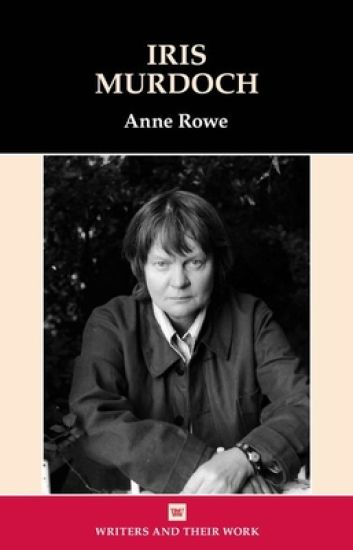
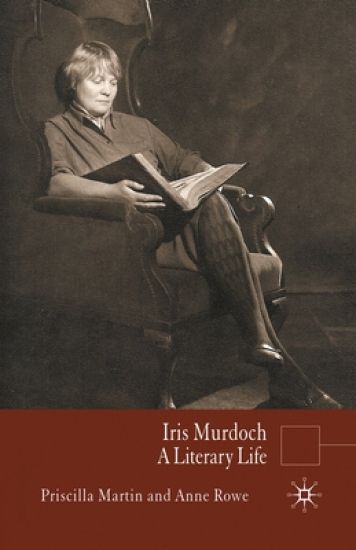
This largely chronological study of Iris Murdoch's literary life begins with her fledgling publications at Badminton School and Oxford, and her Irish heritage. It moves through the novels of the next four decades and concludes with an account of the biographical, critical and media attention given to her life and work since her death in 1999.
This largely chronological study of Iris Murdoch's literary life begins with her fledgling publications at Badminton School and Oxford, and her Irish heritage. It moves through the novels of the next four decades and concludes with an account of the biographical, critical and media attention given to her life and work since her death in 1999.
Will Willimon; Rachel Pieh Jones; Anne-Sophie Constant; Mike Rowe; Stephanie Saldaña; Scott Beauchamp; Nathan Schneider; Phil Christman; Michael Brendan Dougherty; Julian Peters
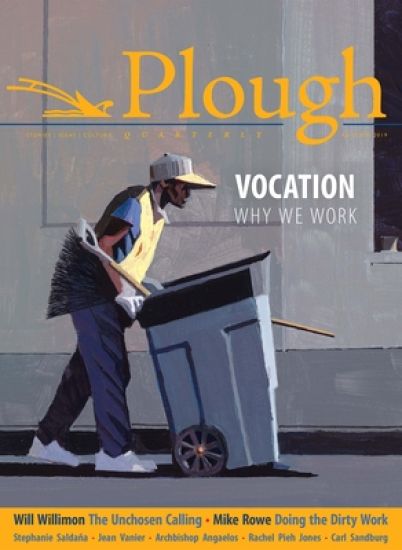
Your job is not your vocation. Everyone hungers for work that has meaning and purpose. But what gives work meaning? Vocation, or “calling,” is the answer Protestant Christianity offers: each person is called by God to serve the common good in a particular line of work. Your vocation, evidently, might be almost anything: as a nurse, a wilderness guide, a calligrapher, a missionary, an activist, a venture capitalist, a politician, an executioner… Yet, as Will Willimon writes in this issue, the New Testament knows only one form of vocation: discipleship. And discipleship is far more likely to mean leaving father and mother, houses and land, than it is to mean embracing one’s identity as a fisherman or tax collector. This issue of Plough focuses on people who lived their lives with that sense of vocation. Such a life demands self-sacrifice and a willingness to recognize one’s own supposed strengths as weaknesses, as it did for the Canadian philosopher Jean Vanier. It involves a lifelong commitment to a flesh-and-blood church, as Coptic Archbishop Angaelos describes. It may even require a readiness to give up one’s life, as it did for Annalena Tonelli, an Italian humanitarian who pioneered the treatment of tuberculosis in the Horn of Africa. But as these stories also testify, it brings a gladness deeper than any self-chosen path. Also in this issue: - Scott Beauchamp on mercenaries - Nathan Schneider on cryptocurrencies - Stephanie Saldaña on Syrian refugee art - Peter Biles on loneliness at college - Phil Christman on Bible translation - Michael Brendan Dougherty on fatherhood - Insights on vocation from C. S. Lewis, Thérèse of Lisieux, Mother Teresa, Eberhard Arnold, Dorothy Sayers, Jean Vanier, and Gerard Manley Hopkins - poetry by Devon Balwit and Carl Sandburg - reviews of books by Robert Alter, Edwidge Danticat, Matthew D. Hockenos, Amy Waldman, and Jeremy Courtney - art and photography by Pola Rader, Dean Mitchell, Mark Freear, Timothy Jones, Pawel Filipczak, Mary Pal, Harley Manifold, Sami Lalu Jahola, Marc Chagall, and Russell Bain. Plough Quarterly features stories, ideas, and culture for people eager to put their faith into action. Each issue brings you in-depth articles, interviews, poetry, book reviews, and art to help you put Jesus’ message into practice and find common cause with others.
1914: war has broken out across Europe and beyond. Nothing will ever be the same again for those caught up in the conflict. This collection of short stories explores how the First World War changed and shaped the lives of women forever. A courageous nurse risks her life on the Front Line; a young woman uncovers a spy in wartime London; and a grief-stricken sister comes to understand the heroism and sacrifice of the forgotten Indian soldiers. Through these and other tales, War Girls presents a moving portrait of loss and grief, and of hope overcoming terrible odds. Cover art by Garry Walton