The novel opens after midnight on a hot summer night, when many of the residents of the Jago, likened to "great rats", prefer to sleep in the street to avoid the oppressive heat and stench of the closely packed houses. A man lured into a dwelling by a woman is brutally coshed, robbed and dragged unconscious into the street where others remove his boots. Dicky Perrott, 8 or 9 years old (the uncertainty is telling) makes his way home to the single room in which his family dwells, where he finds his mother, Hannah Perrott and flea-bitten baby sister, Looey, but only a crust of bread to eat. As dawn breaks his father, Josh Perrott, returns home with a club sticky with blood and hair, suggesting another robbery.
Being Some Further Chronicles of Martin Hewitt, Investigator. 6 short detective stories: The affair of Samuel's diamonds, The case of Mr. Jacob Mason, The case of the Lever Key, The case of the burnt barn, The case of the Admiralty code & The adventure of Channel Marsh.
Arthur George Morrison (1 November 1863 - 4 December 1945) was an English writer and journalist known for his realistic novels and stories about working-class life in London's East End, and for his detective stories, featuring the detective Martin Hewitt. He also collected Japanese art and published several works on the subject. He left a large collection of paintings and other works of art to the British Museum after his death in 1945. Morrison's best known work of fiction is his novel A Child of the Jago (1896).
Arthur George Morrison (1 November 1863 - 4 December 1945) was an English writer and journalist known for his realistic novels and stories about working-class life in London's East End, and for his detective stories, featuring the detective Martin Hewitt. He also collected Japanese art and published several works on the subject. He left a large collection of paintings and other works of art to the British Museum after his death in 1945.Morrison's best known work of fiction is his novel A Child of the Jago (1896).
Arthur George Morrison (1 November 1863 - 4 December 1945) was an English writer and journalist known for his realistic novels and stories about working-class life in London's East End, and for his detective stories, featuring the detective Martin Hewitt. He also collected Japanese art and published several works on the subject. He left a large collection of paintings and other works of art to the British Museum after his death in 1945.Morrison's best known work of fiction is his novel A Child of the Jago (1896).
Arthur George Morrison (1 November 1863 - 4 December 1945) was an English writer and journalist known for his realistic novels and stories about working-class life in London's East End, and for his detective stories, featuring the detective Martin Hewitt. He also collected Japanese art and published several works on the subject. He left a large collection of paintings and other works of art to the British Museum after his death in 1945.Morrison's best known work of fiction is his novel A Child of the Jago (1896).
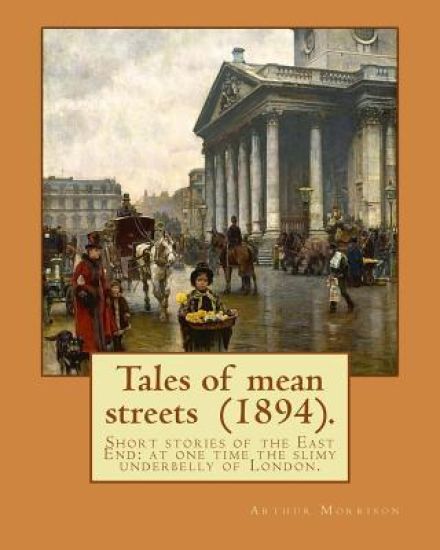
Short stories of the East End: at one time the slimy underbelly of London. The stories vary in style: from the gritty, no-holds-barred tale of Lizerunt, to the light humor of That Brute Simmons. "The greater number of these stories and studies were first printed in The National Observer; the introduction, in a slightly different form, in Macmillan's Magazine; "That Brute Simmons" and "A Conversion" have been published in The Pall Mall Budget; and "The Red Cow Group" is new."... Arthur George Morrison (1 November 1863 - 4 December 1945) was an English writer and journalist known for his realistic novels and stories about working-class life in London's East End, and for his detective stories, featuring the detective Martin Hewitt. He also collected Japanese art and published several works on the subject. He left a large collection of paintings and other works of art to the British Museum after his death in 1945.Morrison's best known work of fiction is his novel A Child of the Jago (1896). Early life: Morrison was born in Poplar, in the East End of London, on 1 November 1863. His father George was an engine fitter at the London Docks. George died in 1871 of tuberculosis, leaving his wife Jane with three children including Arthur. Arthur spent his youth in the East End. In 1879 he began working as an office boy in the Architect's Department of the London School Board. He later remembered frequenting used bookstores in Whitechapel Road around this time. In 1880 Arthur's mother took over a shop in Grundy Street. Morrison published his first work, a humorous poem, in the magazine Cycling in 1880, and took up cycling and boxing. He continued to publish works in various cycling journals. Career: In 1885 Morrison published his first serious journalistic work in the newspaper The Globe. In 1886, after having worked his way up to the rank of a third-class clerk, he was appointed to a position at the People's Palace, in Mile End. In 1888 he was given reading privileges at the British Museum. In the same year he published a collection of thirteen sketches entitled Cockney Corner, describing life and conditions in several London districts including Soho, Whitechapel, and Bow Street. In 1889 he became an editor of the paper Palace Journal, reprinting some of his Cockney Corner sketches, and writing commentaries on books and other subjects including the life of London poor people. In 1890 he left this job and joined the editorial staff of The Globe and moved to lodgings in the Strand. In 1891 he published his first book The Shadows Around Us, a collection of supernatural stories. In October 1891 his short story A Street was published in Macmillan's Magazine. In 1892 he collaborated with illustrator J. A. Sheppard on a collection of animal sketches, one entitled My Neighbors' Dogs, for The Strand Magazine. Later that year he married Elizabeth Thatcher at Forest Gate. He befriended writer and editor William Ernest Henley around this time, publishing stories of working-class life in Henley's National Observer between 1892-94. His son Guy Morrison was born in 1893. In 1894 Morrison published his first detective story featuring the detective Martin Hewitt. In November he published his short story collection Tales of Mean Streets, dedicating the work to Henley. The collection was reviewed in 1896 in America by Jacob Riis. Morrison later said that the work was publicly banned. Reviewers of the collection objected to his story Lizerunt, causing Morrison to write a response in 1895. Later in 1894 he published Martin Hewitt, Investigator. In 1895 he was invited by writer and clergyman Reverend A. O. M. Jay to visit the Old Nichol Street Rookery....
Arthur George Morrison (1 November 1863 - 4 December 1945) was an English writer and journalist known for his realistic novels and stories about working-class life in London's East End, and for his detective stories, featuring the detective Martin Hewitt. He also collected Japanese art and published several works on the subject. He left a large collection of paintings and other works of art to the British Museum after his death in 1945.Morrison's best known work of fiction is his novel A Child of the Jago (1896). Early life: Morrison was born in Poplar, in the East End of London, on 1 November 1863. His father George was an engine fitter at the London Docks. George died in 1871 of tuberculosis, leaving his wife Jane with three children including Arthur. Arthur spent his youth in the East End. In 1879 he began working as an office boy in the Architect's Department of the London School Board. He later remembered frequenting used bookstores in Whitechapel Road around this time. In 1880 Arthur's mother took over a shop in Grundy Street. Morrison published his first work, a humorous poem, in the magazine Cycling in 1880, and took up cycling and boxing. He continued to publish works in various cycling journals. Career: In 1885 Morrison published his first serious journalistic work in the newspaper The Globe. In 1886, after having worked his way up to the rank of a third-class clerk, he was appointed to a position at the People's Palace, in Mile End. In 1888 he was given reading privileges at the British Museum. In the same year he published a collection of thirteen sketches entitled Cockney Corner, describing life and conditions in several London districts including Soho, Whitechapel, and Bow Street. In 1889 he became an editor of the paper Palace Journal, reprinting some of his Cockney Corner sketches, and writing commentaries on books and other subjects including the life of London poor people. In 1890 he left this job and joined the editorial staff of The Globe and moved to lodgings in the Strand. In 1891 he published his first book The Shadows Around Us, a collection of supernatural stories. In October 1891 his short story A Street was published in Macmillan's Magazine. In 1892 he collaborated with illustrator J. A. Sheppard on a collection of animal sketches, one entitled My Neighbors' Dogs, for The Strand Magazine. Later that year he married Elizabeth Thatcher at Forest Gate. He befriended writer and editor William Ernest Henley around this time, publishing stories of working-class life in Henley's National Observer between 1892-94. His son Guy Morrison was born in 1893. In 1894 Morrison published his first detective story featuring the detective Martin Hewitt. In November he published his short story collection Tales of Mean Streets, dedicating the work to Henley. The collection was reviewed in 1896 in America by Jacob Riis. Morrison later said that the work was publicly banned. Reviewers of the collection objected to his story Lizerunt, causing Morrison to write a response in 1895. Later in 1894 he published Martin Hewitt, Investigator. In 1895 he was invited by writer and clergyman Reverend A. O. M. Jay to visit the Old Nichol Street Rookery. Morrison continued to develop his interest in Japanese art, which he had been introduced to by a friend in 1890. Morrison began writing his novel A Child of the Jago in early 1896. The novel was published in November by Henley. It described in graphic detail living conditions in the East End, including the permeation of violence into everyday life (it was a barely fictionalised account of life in the Old Nichol Street Rookery). Morrison also published The Adventures of Martin Hewitt in 1896. A second edition of A Child of the Jago came out in 1897............
Arthur George Morrison (1 November 1863 - 4 December 1945) was an English writer and journalist known for his realistic novels and stories about working-class life in London's East End, and for his detective stories, featuring the detective Martin Hewitt. He also collected Japanese art and published several works on the subject. He left a large collection of paintings and other works of art to the British Museum after his death in 1945.Morrison's best known work of fiction is his novel A Child of the Jago (1896). Early life: Morrison was born in Poplar, in the East End of London, on 1 November 1863. His father George was an engine fitter at the London Docks. George died in 1871 of tuberculosis, leaving his wife Jane with three children including Arthur. Arthur spent his youth in the East End. In 1879 he began working as an office boy in the Architect's Department of the London School Board. He later remembered frequenting used bookstores in Whitechapel Road around this time. In 1880 Arthur's mother took over a shop in Grundy Street. Morrison published his first work, a humorous poem, in the magazine Cycling in 1880, and took up cycling and boxing. He continued to publish works in various cycling journals. Career: In 1885 Morrison published his first serious journalistic work in the newspaper The Globe. In 1886, after having worked his way up to the rank of a third-class clerk, he was appointed to a position at the People's Palace, in Mile End. In 1888 he was given reading privileges at the British Museum. In the same year he published a collection of thirteen sketches entitled Cockney Corner, describing life and conditions in several London districts including Soho, Whitechapel, and Bow Street. In 1889 he became an editor of the paper Palace Journal, reprinting some of his Cockney Corner sketches, and writing commentaries on books and other subjects including the life of London poor people. In 1890 he left this job and joined the editorial staff of The Globe and moved to lodgings in the Strand. In 1891 he published his first book The Shadows Around Us, a collection of supernatural stories. In October 1891 his short story A Street was published in Macmillan's Magazine. In 1892 he collaborated with illustrator J. A. Sheppard on a collection of animal sketches, one entitled My Neighbors' Dogs, for The Strand Magazine. Later that year he married Elizabeth Thatcher at Forest Gate. He befriended writer and editor William Ernest Henley around this time, publishing stories of working-class life in Henley's National Observer between 1892-94. His son Guy Morrison was born in 1893. In 1894 Morrison published his first detective story featuring the detective Martin Hewitt. In November he published his short story collection Tales of Mean Streets, dedicating the work to Henley. The collection was reviewed in 1896 in America by Jacob Riis. Morrison later said that the work was publicly banned. Reviewers of the collection objected to his story Lizerunt, causing Morrison to write a response in 1895. Later in 1894 he published Martin Hewitt, Investigator. In 1895 he was invited by writer and clergyman Reverend A. O. M. Jay to visit the Old Nichol Street Rookery. Morrison continued to develop his interest in Japanese art, which he had been introduced to by a friend in 1890. Morrison began writing his novel A Child of the Jago in early 1896. The novel was published in November by Henley. It described in graphic detail living conditions in the East End, including the permeation of violence into everyday life (it was a barely fictionalised account of life in the Old Nichol Street Rookery). Morrison also published The Adventures of Martin Hewitt in 1896. A second edition of A Child of the Jago came out in 1897. In 1897 Morrison published seven short stories detailing the exploits of Horace Dorrington.........
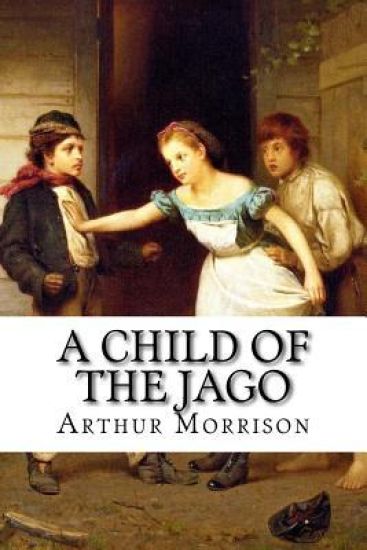
The novel opens after midnight on a hot summer night, when many of the residents of the Jago, likened to "great rats", prefer to sleep in the street to avoid the oppressive heat and stench of the closely packed houses. A man lured into a dwelling by a woman is brutally coshed, robbed and dragged unconscious into the street where others remove his boots. Dicky Perrott, 8 or 9 years old (the uncertainty is telling) makes his way home to the single room in which his family dwells, where he finds his mother, Hannah Perrott and flea-bitten baby sister, Looey, but only a crust of bread to eat. As dawn breaks his father, Josh Perrott, returns home with a club sticky with blood and hair, suggesting another robbery. Looking for cake and tea Dicky visits the East End Elevation Mission where well-intentioned middle-class 'missionaries' seek to educate and civilise. He dodges the young man on the door and takes the opportunity to steal a gold watch from a bishop. Returning home he proudly hands it to his father, who beats him for stealing but keeps the watch to sell for himself. Two families, the Ranns and the Learys, dominate the Jago, and one of their periodic violent confrontations breaks out. Sally Green, of the Leary clan, whose method of fighting is to hold down her opponent and chew viciously on the back of the neck, triumphs over the Rann's female champion, Nora Walsh, and proudly displays a bunch of her clotted hair as a trophy. Hannah Perrott, taking Looey out with her to buy food, is attacked by Sally Green and only rescued when Nora Walsh breaks a bottle and repeatedly stabs Sally in the face. Elsewhere there is a murder in the street when Fag Dawson is stabbed and the police descend in force on the Jago. Josh Perrott vows to fight Sally Green's brother, Billy Leary. Dicky encounters Aaron Weech, proprietor of a local coffee shop and a 'fence', a handler of stolen goods. Weech has heard about Dicky stealing the watch, and the punishment he received, and offers him coffee and cake. Weech suggests that in future Dicky should bring what he steals straight to him, and points out that Dicky is now in debt to him for the refreshments. Returning home, Dicky passes a clergyman, who, he imagines, has only ventured into the Jago because the police are present. Looey is ill but disregarded by her mother. Dicky sees that the door to the Roper family's room opposite is open, and ventures inside. He steals their clock, but as he descends the stairs he is confronted by the Roper's son, Bobby, and the two struggle before Dicky breaks free and takes the clock to Mr Weech. Other residents of the house also enter the Ropers' room and steal their belongings. The Ropers, already despised and resented due to their perceived relative gentility, return and are attacked by the Jagos, until they are saved by the intervention of the clergyman, Father Sturt, who cows the crowd and retrieves the stolen property. Dicky feels sorry for the Ropers and resolves to replace their clock with something. He steals a music box and is chased back to the Jago, narrowly avoiding capture. Father Sturt arranges for the Ropers to take up lodging in nearby Dove Lane and Dicky secretes the music box in the cart carrying away their belongings. Josh Perrott defeats Billy Leary in their fight, winning 5 in prize money and bets, and celebrates with Hannah in a pub. Looey dies whilst left behind in their room, and as Dicky sobs over his sister's corpse, Josh and Hannah return to the pub. Four years pass. Father Sturt plans to build a church on Jago Court. Although by now a hardened thief who has received a birching, Dicky occasionally attends school. He returns home one day to see the Ropers' clock on the family mantlepiece. Weech has given this to Josh in return for stolen tobacco. Another child has been born, and Looey is "forgotten"........
Arthur George Morrison (1 November 1863 - 4 December 1945) was an English writer and journalist known for his realistic novels and stories about working-class life in London's East End, and for his detective stories, featuring the detective Martin Hewitt. He also collected Japanese art and published several works on the subject. He left a large collection of paintings and other works of art to the British Museum after his death in 1945.Morrison's best known work of fiction is his novel A Child of the Jago (1896). Early life: Morrison was born in Poplar, in the East End of London, on 1 November 1863. His father George was an engine fitter at the London Docks. George died in 1871 of tuberculosis, leaving his wife Jane with three children including Arthur. Arthur spent his youth in the East End. In 1879 he began working as an office boy in the Architect's Department of the London School Board. He later remembered frequenting used bookstores in Whitechapel Road around this time. In 1880 Arthur's mother took over a shop in Grundy Street. Morrison published his first work, a humorous poem, in the magazine Cycling in 1880, and took up cycling and boxing. He continued to publish works in various cycling journals. Career: In 1885 Morrison published his first serious journalistic work in the newspaper The Globe. In 1886, after having worked his way up to the rank of a third-class clerk, he was appointed to a position at the People's Palace, in Mile End. In 1888 he was given reading privileges at the British Museum. In the same year he published a collection of thirteen sketches entitled Cockney Corner, describing life and conditions in several London districts including Soho, Whitechapel, and Bow Street. In 1889 he became an editor of the paper Palace Journal, reprinting some of his Cockney Corner sketches, and writing commentaries on books and other subjects including the life of London poor people. In 1890 he left this job and joined the editorial staff of The Globe and moved to lodgings in the Strand. In 1891 he published his first book The Shadows Around Us, a collection of supernatural stories. In October 1891 his short story A Street was published in Macmillan's Magazine. In 1892 he collaborated with illustrator J. A. Sheppard on a collection of animal sketches, one entitled My Neighbors' Dogs, for The Strand Magazine. Later that year he married Elizabeth Thatcher at Forest Gate. He befriended writer and editor William Ernest Henley around this time, publishing stories of working-class life in Henley's National Observer between 1892-94. His son Guy Morrison was born in 1893. In 1894 Morrison published his first detective story featuring the detective Martin Hewitt. In November he published his short story collection Tales of Mean Streets, dedicating the work to Henley. The collection was reviewed in 1896 in America by Jacob Riis. Morrison later said that the work was publicly banned. Reviewers of the collection objected to his story Lizerunt, causing Morrison to write a response in 1895. Later in 1894 he published Martin Hewitt, Investigator. In 1895 he was invited by writer and clergyman Reverend A. O. M. Jay to visit the Old Nichol Street Rookery. Morrison continued to develop his interest in Japanese art, which he had been introduced to by a friend in 1890. Morrison began writing his novel A Child of the Jago in early 1896. The novel was published in November by Henley. It described in graphic detail living conditions in the East End, including the permeation of violence into everyday life (it was a barely fictionalised account of life in the Old Nichol Street Rookery). Morrison also published The Adventures of Martin Hewitt in 1896. A second edition of A Child of the Jago came out in 1897...
Arthur George Morrison (1 November 1863 - 4 December 1945) was an English writer and journalist known for his realistic novels and stories about working-class life in London's East End, and for his detective stories, featuring the detective Martin Hewitt. He also collected Japanese art and published several works on the subject. He left a large collection of paintings and other works of art to the British Museum after his death in 1945.Morrison's best known work of fiction is his novel A Child of the Jago (1896). Early life: Morrison was born in Poplar, in the East End of London, on 1 November 1863. His father George was an engine fitter at the London Docks. George died in 1871 of tuberculosis, leaving his wife Jane with three children including Arthur. Arthur spent his youth in the East End. In 1879 he began working as an office boy in the Architect's Department of the London School Board. He later remembered frequenting used bookstores in Whitechapel Road around this time. In 1880 Arthur's mother took over a shop in Grundy Street. Morrison published his first work, a humorous poem, in the magazine Cycling in 1880, and took up cycling and boxing. He continued to publish works in various cycling journals. Career: In 1885 Morrison published his first serious journalistic work in the newspaper The Globe. In 1886, after having worked his way up to the rank of a third-class clerk, he was appointed to a position at the People's Palace, in Mile End. In 1888 he was given reading privileges at the British Museum. In the same year he published a collection of thirteen sketches entitled Cockney Corner, describing life and conditions in several London districts including Soho, Whitechapel, and Bow Street. In 1889 he became an editor of the paper Palace Journal, reprinting some of his Cockney Corner sketches, and writing commentaries on books and other subjects including the life of London poor people. In 1890 he left this job and joined the editorial staff of The Globe and moved to lodgings in the Strand. In 1891 he published his first book The Shadows Around Us, a collection of supernatural stories. In October 1891 his short story A Street was published in Macmillan's Magazine. In 1892 he collaborated with illustrator J. A. Sheppard on a collection of animal sketches, one entitled My Neighbors' Dogs, for The Strand Magazine. Later that year he married Elizabeth Thatcher at Forest Gate. He befriended writer and editor William Ernest Henley around this time, publishing stories of working-class life in Henley's National Observer between 1892-94. His son Guy Morrison was born in 1893. In 1894 Morrison published his first detective story featuring the detective Martin Hewitt. In November he published his short story collection Tales of Mean Streets, dedicating the work to Henley. The collection was reviewed in 1896 in America by Jacob Riis. Morrison later said that the work was publicly banned. Reviewers of the collection objected to his story Lizerunt, causing Morrison to write a response in 1895. Later in 1894 he published Martin Hewitt, Investigator. In 1895 he was invited by writer and clergyman Reverend A. O. M. Jay to visit the Old Nichol Street Rookery. Morrison continued to develop his interest in Japanese art, which he had been introduced to by a friend in 1890. Morrison began writing his novel A Child of the Jago in early 1896. The novel was published in November by Henley. It described in graphic detail living conditions in the East End, including the permeation of violence into everyday life (it was a barely fictionalised account of life in the Old Nichol Street Rookery). ....
Arthur George Morrison (1 November 1863 - 4 December 1945) was an English writer and journalist known for his realistic novels and stories about working-class life in London's East End, and for his detective stories, featuring the detective Martin Hewitt. He also collected Japanese art and published several works on the subject. He left a large collection of paintings and other works of art to the British Museum after his death in 1945.Morrison's best known work of fiction is his novel A Child of the Jago (1896). Early life: Morrison was born in Poplar, in the East End of London, on 1 November 1863. His father George was an engine fitter at the London Docks. George died in 1871 of tuberculosis, leaving his wife Jane with three children including Arthur. Arthur spent his youth in the East End. In 1879 he began working as an office boy in the Architect's Department of the London School Board. He later remembered frequenting used bookstores in Whitechapel Road around this time. In 1880 Arthur's mother took over a shop in Grundy Street. Morrison published his first work, a humorous poem, in the magazine Cycling in 1880, and took up cycling and boxing. He continued to publish works in various cycling journals. Career: In 1885 Morrison published his first serious journalistic work in the newspaper The Globe. In 1886, after having worked his way up to the rank of a third-class clerk, he was appointed to a position at the People's Palace, in Mile End. In 1888 he was given reading privileges at the British Museum. In the same year he published a collection of thirteen sketches entitled Cockney Corner, describing life and conditions in several London districts including Soho, Whitechapel, and Bow Street. In 1889 he became an editor of the paper Palace Journal, reprinting some of his Cockney Corner sketches, and writing commentaries on books and other subjects including the life of London poor people. In 1890 he left this job and joined the editorial staff of The Globe and moved to lodgings in the Strand. In 1891 he published his first book The Shadows Around Us, a collection of supernatural stories. In October 1891 his short story A Street was published in Macmillan's Magazine. In 1892 he collaborated with illustrator J. A. Sheppard on a collection of animal sketches, one entitled My Neighbors' Dogs, for The Strand Magazine. Later that year he married Elizabeth Thatcher at Forest Gate. He befriended writer and editor William Ernest Henley around this time, publishing stories of working-class life in Henley's National Observer between 1892-94. His son Guy Morrison was born in 1893. In 1894 Morrison published his first detective story featuring the detective Martin Hewitt. In November he published his short story collection Tales of Mean Streets, dedicating the work to Henley. The collection was reviewed in 1896 in America by Jacob Riis. Morrison later said that the work was publicly banned. Reviewers of the collection objected to his story Lizerunt, causing Morrison to write a response in 1895. Later in 1894 he published Martin Hewitt, Investigator. In 1895 he was invited by writer and clergyman Reverend A. O. M. Jay to visit the Old Nichol Street Rookery. Morrison continued to develop his interest in Japanese art, which he had been introduced to by a friend in 1890. Morrison began writing his novel A Child of the Jago in early 1896. The novel was published in November by Henley. It described in graphic detail living conditions in the East End, including the permeation of violence into everyday life (it was a barely fictionalised account of life in the Old Nichol Street Rookery). Morrison also published The Adventures of Martin Hewitt in 1896. A second edition of A Child of the Jago came out in 1897..............
This, the first critical biography of Arthur Morrison (1863-1945), presents his East End writing as the counter-myth to the cultural production of the East End in late-Victorian realism. Morrison’s works, particularly Tales of Mean Streets (1894) and A Child of the Jago (1896), are often discussed as epitomes of slum fictions of the 1890s as well as prime examples of nineteenth-century realism, but their complex contemporary reception reveals the intricate paradoxes involved in representing the turn-of-the-century city. Arthur Morrison and the East End examines how an understanding of the East End in the Victorian cultural imagination operates in Morrison’s own writing. Engaging with the contemporary vogue for slum fiction, Morrison redressed accounts written by outsiders, positioning himself as uniquely knowledgeable about a place considered unknowable. His work provides a vigorous challenge to the fictionalised East End created by his predecessors, whilst also paying homage to Charles Dickens, George Gissing, Walter Besant and Guy de Maupassant. Examining the London sites which Morrison lived in and wrote about, this book is an excursion not into the Victorian East End, but into the fictions constructed around it.
This, the first critical biography of Arthur Morrison (1863-1945), presents his East End writing as the counter-myth to the cultural production of the East End in late-Victorian realism. Morrison’s works, particularly Tales of Mean Streets (1894) and A Child of the Jago (1896), are often discussed as epitomes of slum fictions of the 1890s as well as prime examples of nineteenth-century realism, but their complex contemporary reception reveals the intricate paradoxes involved in representing the turn-of-the-century city. Arthur Morrison and the East End examines how an understanding of the East End in the Victorian cultural imagination operates in Morrison’s own writing. Engaging with the contemporary vogue for slum fiction, Morrison redressed accounts written by outsiders, positioning himself as uniquely knowledgeable about a place considered unknowable. His work provides a vigorous challenge to the fictionalised East End created by his predecessors, whilst also paying homage to Charles Dickens, George Gissing, Walter Besant and Guy de Maupassant. Examining the London sites which Morrison lived in and wrote about, this book is an excursion not into the Victorian East End, but into the fictions constructed around it.
In 1896, author Arthur Morrison gained notoriety for his bleak and violent A Child of the Jago, a slum novel that captured the desperate struggle to survive among London’s poorest. When a reviewer accused Morrison of exaggerating the depravity of the neighborhood on which the Jago was based, he incited the era’s most contentious public debate about the purpose of realism and the responsibilities of the novelist. In his self-defense and in his wider body of work, Morrison demonstrated not only his investments as a formal artist, but also his awareness of social questions. As the first critical essay collection on Arthur Morrison and the East End, this book assesses Morrison’s contributions to late-Victorian culture, especially discourses around English working-class life. Chapters evaluate Morrison in the context of Victorian criminality, child welfare, disability, housing, professionalism, and slum photography. Morrison’s works are also reexamined in the light of writings by Sir Walter Besant, Clementina Black, Charles Booth, Charles Dickens, George Gissing, and Margaret Harkness. This volume features an introduction and 11 chapters by preeminent and emerging scholars of the East End. They employ a variety of critical methodologies, drawing on their respective expertise in literature, history, art history, sociology, and geography. Critical Essays on Arthur Morrison and the East End throws fresh new light on this innovative novelist of poverty and urban life.
In 1896, author Arthur Morrison gained notoriety for his bleak and violent A Child of the Jago, a slum novel that captured the desperate struggle to survive among London’s poorest. When a reviewer accused Morrison of exaggerating the depravity of the neighborhood on which the Jago was based, he incited the era’s most contentious public debate about the purpose of realism and the responsibilities of the novelist. In his self-defense and in his wider body of work, Morrison demonstrated not only his investments as a formal artist, but also his awareness of social questions. As the first critical essay collection on Arthur Morrison and the East End, this book assesses Morrison’s contributions to late-Victorian culture, especially discourses around English working-class life. Chapters evaluate Morrison in the context of Victorian criminality, child welfare, disability, housing, professionalism, and slum photography. Morrison’s works are also reexamined in the light of writings by Sir Walter Besant, Clementina Black, Charles Booth, Charles Dickens, George Gissing, and Margaret Harkness. This volume features an introduction and 11 chapters by preeminent and emerging scholars of the East End. They employ a variety of critical methodologies, drawing on their respective expertise in literature, history, art history, sociology, and geography. Critical Essays on Arthur Morrison and the East End throws fresh new light on this innovative novelist of poverty and urban life.