
Kirjahaku
Etsi kirjoja tekijän nimen, kirjan nimen tai ISBN:n perusteella.
113 tulosta hakusanalla Bankimchandra Chatterjee
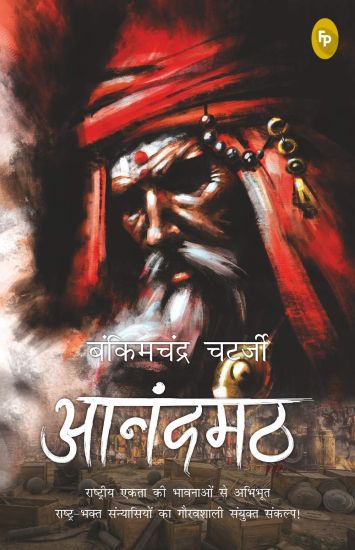
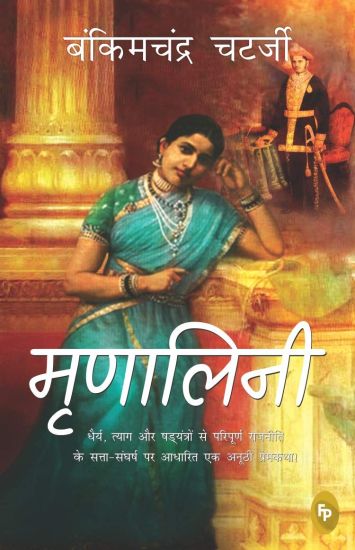

आनन्द मठ बांग्ला भाषा का एक उपन्यास है जिसकी रचना बंकिम चन्द्र चट्टोपाध्याय ने १८८२ में की थी। इस कृति का भारतीय स्वतन्त्रता संग्राम और स्वतन्त्रता के क्रान्तिकारियों पर बहुत गहरा प्रभाव पड़ा। भारत का राष्ट्रीय गीत वन्दे मातरम् इसी उपन्यास से लिया गया है। छपते ही यह पुस्तक अपने कथानक के चलते पहले बंगाल और कालान्तर में समूचे भारतीय साहित्य व समाज पर छा गई। आनन्दमठ राजनीतिक उपन्यास है। इस उपन्यास में उत्तर बंगाल में 1773 के सन्यासी विद्रोह का वर्णन किया गया है। इस पुस्तक में देशभक्ति की भावना है। अंग्रेजों ने इस ग्रन्थ पर प्रतिबन्ध लगा दिया था। भारत के स्वतन्त्र होने के बाद १९४७ में इससे प्रतिबन्ध हटाया गया। 'आनंदमठ' के तब से अब तक न जाने कितनी भाषाओं में कितने संस्करण छप चुके हैं। उपन्यास की कथा सन् १७७० के बंगाल के भीषण अकाल तथा सन्यासी विद्रोह पर आधारित है। इसमें वर्ष 1770 से 1774 तक के बंगाल का चित्र खींचा गया है। कथानक की दृष्टि से यह उपन्यास या ऐतिहासिक उपन्यास से बढ़कर है। महर्षि बंकिम ने अप्रशिक्षित किन्तु अनुशासित संन्यासी सैनिकों की कल्पना की है जो अनुभवी ब्रिटिश सैनिकों से संघर्ष करते हैं और उन्हें पराजित करते हैं।
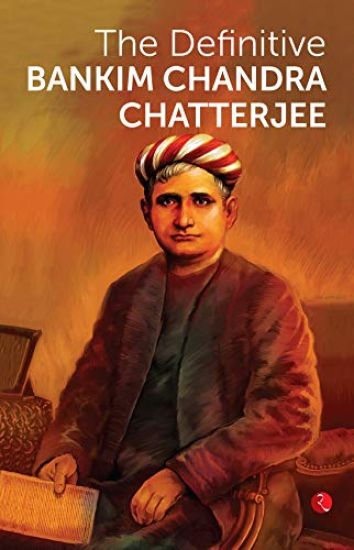
Featuring some of Bankim Chandra's most prominent works like the Poison Tree, Rajmohan's Wife, Durgesh Nandini and Kapalkundala, the Definitive Bankim Chandra Chatterjee is a valuable collection for literary connoisseurs and avid readers alike. This magisterial book encompasses the best of Bankim's writings reflecting Indian ethos, values and storytelling in its most pure and pristine form.


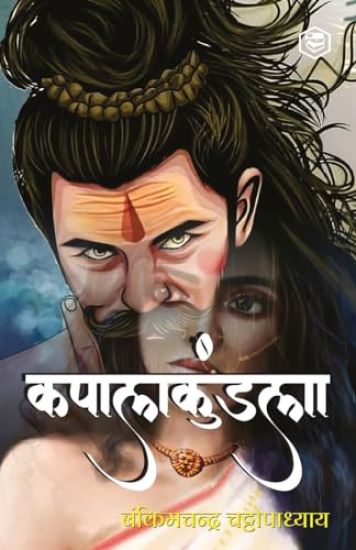
Kapalkundala (1866) is a novel by Bankim Chandra Chatterjee. Set in Dariapur, Contai, Kapalkundala was Chatterjee’s second novel. Recognized as a pioneering work of Bengali literature with universal romantic themes, Kapalkundala has been adapted several times for film and television, most recently for a popular Indian Bengali soap opera of the same name. On his way home to Saptagram from a pilgrimage to Gangasagar, Nabakumar encounters a Tantric sage in the forest. After exchanging their greetings, the sage captures the young gentleman in order to sacrifice him to the goddess Shamshaan Kali. Rescued by the sage’s foster daughter, the beautiful Kapalkundala, Nabakumar marries her the next day. Despite their happiness, the past refuses to let them live in peace. As the sage plots his revenge, Nabakumar’s first wife, who left him after converting to Islam, has returned seeking forgiveness. As doubt begins to penetrate their bond, Nabakumar and Kapalkundala lose sight of the only thing that matters: each other. Tragic and timeless, Kapalkundala is a brilliant romance from a legendary figure in Bengali literature. With a beautifully designed cover and professionally typeset manuscript, this edition of Bankim Chandra Chatterjee’s Kapalkundala is a classic of Bengali literature and utopian science fiction reimagined for modern readers.
The Poison Tree (1873) is a novel by Bankim Chandra Chatterjee. Originally serialized in Bangadarshan, a popular literary magazine founded by Chatterjee in 1872 and later edited by Rabindranath Tagore, The Poison Tree is a story that engages with the subject of widow remarriage. “The river flowed smoothly on—leaped, danced, cried out, restless, unending, playful. On shore, herdsmen were grazing their oxen—one sitting under a tree singing, another smoking, some fighting, others eating. Inland, husbandmen were driving the plough, beating the oxen, lavishing abuse upon them, in which the owner shared.” With his wife’s blessing, Nagendra sets out on a journey by boat down the river. When a sudden storm forces him to leave his boat for safety, he comes across the ruined home of Kundanandini, a young widow caring for her father in his final days. When the old man dies, Kundanandini begs him to take her to Calcutta. As he begins to fall for the beautiful woman, he struggles with the demands of family, religion, and tradition, knowing that love wields power over them all. Tragic and timeless, The Poison Tree is a brilliant romance from a legendary figure in Bengali literature. With a beautifully designed cover and professionally typeset manuscript, this edition of Bankim Chandra Chatterjee’s The Poison Tree is a classic of Bengali literature and utopian science fiction reimagined for modern readers.

Chandra Shekhar (1875) is a novel by Bankim Chandra Chatterjee. Recognized as a pioneering work of Bengali literature with universal romantic themes, Chandra Shekhar is a story that engages with the subjects of marriage, suicide, and heredity in Hindu culture. “On the bank of the Ganges, there was seated a boy under the green mantles of the mango groves, enjoying the evening melody of the flowing Bhagirathi. Under his feet lay, on the green bed of grass, a little girl, casting upon his face her lingering glances—silent and motionless.” Along the banks of the sacred river, two star-crossed lovers count the boats as they pass. Although they love one another, Pratap and Shaibalini cannot marry—they are distant relatives, and such a match is forbidden. Distraught, Pratap proposes they commit suicide together by slipping into the slow, silent water, disappearing in a marriage of death. As his head goes under, Shaibalini begins to have doubts, surfacing just in time to see the gallant Chandra Shekhar dive in to save Pratap. Unaware of his intentions, the older man makes sure the younger is alright, then sets his sights on the lovely Shaibalini. Tragic and timeless, Chandra Shekhar is a brilliant romance from a legendary figure in Bengali literature. With a beautifully designed cover and professionally typeset manuscript, this edition of Bankim Chandra Chatterjee’s Chandra Shekhar is a classic of Bengali literature and utopian science fiction reimagined for modern readers.
Krishna Kanta’s Will (1878) is a novel by Bankim Chandra Chatterjee. Recognized as a pioneering work of Bengali literature with universal romantic themes, Krishna Kanta’s Will is a story that engages with the subjects of widow remarriage, land ownership, and heredity in Hindu culture. “If Krishna Kanta had ever desired to cheat his brother's son, and appropriate the entire property, there was now no obstacle in his way. But he had no such evil intention. He placed Gobind Lâl with his own family, and treated him in all respects like his own sons; he determined to draw up a will bequeathing to Gobind Lâl the half-share justly belonging to Râm Kânta Râi.” Raised in a loving home, orphan Gobind Lâl hopes to carry on his father’s legacy while honoring his uncle, who could have cut him out of the will entirely. Married to the beautiful Bhramar, he seems to have a life of fortune ahead of him. Meanwhile, Krishna Kanta’s sons, outraged at their father’s generosity, hatch a plan to switch the will with one they have written, employing the seductive widow Rohini to do their dirty work. Tragic and timeless, Krishna Kanta’s Will is a brilliant romance from a legendary figure in Bengali literature. With a beautifully designed cover and professionally typeset manuscript, this edition of Bankim Chandra Chatterjee’s Krishna Kanta’s Will is a classic of Bengali literature and utopian science fiction reimagined for modern readers.
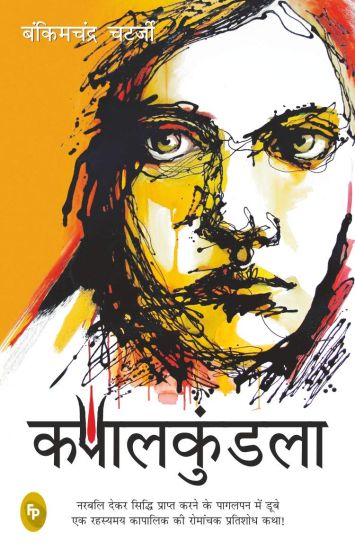
While returning from a lengthy pilgrimage, Nabakumar encounters a wicked Tantric sage who intends to sacrifice him to the goddess Shamshaan Kali. Freed by Kapalkundala, a beautiful young forest dweller, Nabakumar marries her the next day. Despite their happiness, he soon encounters his first wife, who has secretly joined forces with the sage. Kapalkundala is a novel by Bankim Chandra Chatterjee.

Rajmohan's Wife and Sultana's Dream
Bankim Chandra Chatterjee; Rokeya Sakhawa Hossain
Graphic Arts Books
2021
pokkari
Rajmohan’s Wife and Sultana’s Dream (1864/1908) features the debut novel of Indian writer Bankim Chandra Chatterjee and a story by Bengali writer, feminist, and educator Rokeya Sakhawat Hossain. Rajmohan’s Wife, Chattopadhyay’s only work in English, launched his career as a leading Bengali intellectual and political figure. Written in English, Sultana’s Dream originated as a way of passing time for its young author while her husband was away on work. Initially published in The Indian Ladies Magazine, Sultana’s Dream helped establish Rokeya’s reputation as a leading figure in Bengali arts and culture. Rajmohan’s Wife is the story of Matangini, a beautiful woman married to a violent, jealous man. Unable to marry the man she loves—who happens to be her own sister’s husband—she settles for the villainous Rajmohan, an abusive man who rules his middle-class Bengali household with an iron fist. With the help of her friend Kanak, Matangini does her best to avoid her husband’s wrath, illuminating the importance of solidarity among women faced with oppression. Vindictive and cruel, Rajmohan secretly enacts a plan to rob Madhav, his brother-in-law, in order to obtain and invalidate a will. Sultana’s Dream is set in Ladyland is a feminist utopia ruled by women, a perfect civilization with no need for men, who remain secluded and without power. Free to develop their own society, women have invented flying cars, perfected farming to the point where no one must work, and harnessed the energy of the sun. With men under control, there is no longer fear, crime, or violence. Ultimately, Ladyland is a world made to mirror our own, a satirical exploration of the absolute power wielded by men over women, and a political critique of Bengali society at large. Sultana’s Dream is more than a science fiction story; it is an act of resistance made by a woman who would shape the lives of her people through advocacy, education, and activism for generations to come. With a beautifully designed cover and professionally typeset manuscript, this edition of Bankim Chandra Chatterjee and Rokeya Sakhawat Hossain’s Rajmohan’s Wife and Sultana’s Dream is a classic of Bengali literature and utopian science fiction reimagined for modern readers.

Kapalkundala (1866) is a novel by Bankim Chandra Chatterjee. Set in Dariapur, Contai, Kapalkundala was Chatterjee’s second novel. Recognized as a pioneering work of Bengali literature with universal romantic themes, Kapalkundala has been adapted several times for film and television, most recently for a popular Indian Bengali soap opera of the same name. On his way home to Saptagram from a pilgrimage to Gangasagar, Nabakumar encounters a Tantric sage in the forest. After exchanging their greetings, the sage captures the young gentleman in order to sacrifice him to the goddess Shamshaan Kali. Rescued by the sage’s foster daughter, the beautiful Kapalkundala, Nabakumar marries her the next day. Despite their happiness, the past refuses to let them live in peace. As the sage plots his revenge, Nabakumar’s first wife, who left him after converting to Islam, has returned seeking forgiveness. As doubt begins to penetrate their bond, Nabakumar and Kapalkundala lose sight of the only thing that matters: each other. Tragic and timeless, Kapalkundala is a brilliant romance from a legendary figure in Bengali literature. With a beautifully designed cover and professionally typeset manuscript, this edition of Bankim Chandra Chatterjee’s Kapalkundala is a classic of Bengali literature and utopian science fiction reimagined for modern readers.
The Poison Tree (1873) is a novel by Bankim Chandra Chatterjee. Originally serialized in Bangadarshan, a popular literary magazine founded by Chatterjee in 1872 and later edited by Rabindranath Tagore, The Poison Tree is a story that engages with the subject of widow remarriage. “The river flowed smoothly on—leaped, danced, cried out, restless, unending, playful. On shore, herdsmen were grazing their oxen—one sitting under a tree singing, another smoking, some fighting, others eating. Inland, husbandmen were driving the plough, beating the oxen, lavishing abuse upon them, in which the owner shared.” With his wife’s blessing, Nagendra sets out on a journey by boat down the river. When a sudden storm forces him to leave his boat for safety, he comes across the ruined home of Kundanandini, a young widow caring for her father in his final days. When the old man dies, Kundanandini begs him to take her to Calcutta. As he begins to fall for the beautiful woman, he struggles with the demands of family, religion, and tradition, knowing that love wields power over them all. Tragic and timeless, The Poison Tree is a brilliant romance from a legendary figure in Bengali literature. With a beautifully designed cover and professionally typeset manuscript, this edition of Bankim Chandra Chatterjee’s The Poison Tree is a classic of Bengali literature and utopian science fiction reimagined for modern readers.

Chandra Shekhar (1875) is a novel by Bankim Chandra Chatterjee. Recognized as a pioneering work of Bengali literature with universal romantic themes, Chandra Shekhar is a story that engages with the subjects of marriage, suicide, and heredity in Hindu culture. “On the bank of the Ganges, there was seated a boy under the green mantles of the mango groves, enjoying the evening melody of the flowing Bhagirathi. Under his feet lay, on the green bed of grass, a little girl, casting upon his face her lingering glances—silent and motionless.” Along the banks of the sacred river, two star-crossed lovers count the boats as they pass. Although they love one another, Pratap and Shaibalini cannot marry—they are distant relatives, and such a match is forbidden. Distraught, Pratap proposes they commit suicide together by slipping into the slow, silent water, disappearing in a marriage of death. As his head goes under, Shaibalini begins to have doubts, surfacing just in time to see the gallant Chandra Shekhar dive in to save Pratap. Unaware of his intentions, the older man makes sure the younger is alright, then sets his sights on the lovely Shaibalini. Tragic and timeless, Chandra Shekhar is a brilliant romance from a legendary figure in Bengali literature. With a beautifully designed cover and professionally typeset manuscript, this edition of Bankim Chandra Chatterjee’s Chandra Shekhar is a classic of Bengali literature and utopian science fiction reimagined for modern readers.
Krishna Kanta’s Will (1878) is a novel by Bankim Chandra Chatterjee. Recognized as a pioneering work of Bengali literature with universal romantic themes, Krishna Kanta’s Will is a story that engages with the subjects of widow remarriage, land ownership, and heredity in Hindu culture. “If Krishna Kanta had ever desired to cheat his brother's son, and appropriate the entire property, there was now no obstacle in his way. But he had no such evil intention. He placed Gobind Lâl with his own family, and treated him in all respects like his own sons; he determined to draw up a will bequeathing to Gobind Lâl the half-share justly belonging to Râm Kânta Râi.” Raised in a loving home, orphan Gobind Lâl hopes to carry on his father’s legacy while honoring his uncle, who could have cut him out of the will entirely. Married to the beautiful Bhramar, he seems to have a life of fortune ahead of him. Meanwhile, Krishna Kanta’s sons, outraged at their father’s generosity, hatch a plan to switch the will with one they have written, employing the seductive widow Rohini to do their dirty work. Tragic and timeless, Krishna Kanta’s Will is a brilliant romance from a legendary figure in Bengali literature. With a beautifully designed cover and professionally typeset manuscript, this edition of Bankim Chandra Chatterjee’s Krishna Kanta’s Will is a classic of Bengali literature and utopian science fiction reimagined for modern readers.