Find a small cruising sailboat and restore it to pristine condition on a budget that won't sink your budgetSmall, trailererable cruising sailboats are more popular than ever as mooring spaces dwindle and marina dockage and winter storage costs soar. Fix It and Sail helps you discover boatloads of fun far less than a single ski weekend or golf club membership. Veteran sailor and journalist Brian Gilbert shows you how to select and inspect a boat, then restore it from keel to rigging.Gilbert's clear, step-by-step instructions guide you through every phase of the restoration process from repairing keels, hulls, ports, and cabins to painting, wiring, and sealing. You'll learn how to evaluate, repair and replace hardware, upholstery, canvaswork, and more. Profusely illustrated appendices give you a vivid picture of the costs, tasks, and labor involved in an actual restoration project.
A soup-to-nuts introduction to small, economical sailing craftTrailer sailers--the smallest, most economical sailboats with sleeping accommodations--are a popular platform for learning the basics of sailing and are often considered to be the entry level to cruising under sail. Author Brian Gilbert shows how trailer sailers can be the ideal craft for a lifetime of enjoyment, including serious, long-distance cruising. This book covers all the bases, including how to inspect, buy, and equip a boat; how to trailer, sail, navigate, and cruise in small boats; how to use communications andnavigation equipment; and more.
This book is today's complete knowledge guide for anyone involved in or that wants to be involved in music production or the music business, period. It is also for those involved in any alternative audio productions outside of music (like audiobook creation). What exactly will you gain from this book? Well, to cut straight to the chase, you will become more competitive and have the knowledge to achieve success on your own, so you're not waiting on anyone else to do it for you In other words, if you want to press forward with a music career with or without signing a "deal," this book is for you. It is designed to align with today's digital age and exploits the new possibilities available to make a living as a musician. It was written for anyone who is a novice to an expert that wants to be or already is an entrepreneur in the music business. The business knowledge in this book can also be applied to any other business types (outside of music). Artists, producers, musicians, and anyone involved in the music production process will benefit most from this book.What you get...Today's complete fast track guide to working in the music industry and understanding music business AND production.The holy grail of music production and business best practices streamlined and combined into a single solution.Hard-learned industry knowledge that empowers you so you don't have to make amateur mistakes that can cost you big time.The organized repository of how-to's, tidbits, hot tips, real examples, real budgets, real solutions, awesome tools (like access to real contracts, Grammy-nominated engineer mix and master references, business operation tools, and audio samples), and other content-rich resources right at your fingertips.What are you waiting for?
Blaise Pascal wrote the Pens es to his skeptical and restless friends to move them to seek God. The Pens es are widely regarded as one of the most exhilarating and effective defenses of the Christian faith ever written, particularly for today's readers who resemble Pascal's friends. This comprehensive guided tour of Pascal's Pens es, plus biography of Pascal's courageous life, aims to benefit seekers and believers by conveying Pascal's insights into: (1) Why a human being is miserable without God; (2) Why Christianity uniquely offers a winsome and efficacious cure; and (3) Why Christianity, despite modern objections, is plausibly true. The greatest significance of Pascal's Pens es may be their compelling articulation of the unique relevance of Christ's gospel for our time. In T.S. Eliot's words, "But I can think of no Christian writer, not Newman even, more to be commended than Pascal to those who doubt, but who have the mind to conceive, and the sensibility to feel, the disorder, the futility, the meaninglessness, the mystery of life and suffering, and who can only find peace through a satisfaction of the whole being." Pascal's signature Pens e undergirding the themes of this guided tour is number 148: "What else does this craving proclaim but that there was once in man a true state of happiness, of which all that now remains is the empty print and trace? This he tries in vain to fill with everything around him though none can help, since this infinite abyss can be filled only with an infinite and immutable object, in other words by God himself." Through this Pens e and many others Pascal wakes us up to appreciate that we may have a God-shaped vacuum in our heart, as suggested, for example, by our affinity for diversions and indifference as ways to avoid addressing our grimmest problems such as our impending deaths, unhappiness, and unjust self-absorption. The Pens es in particular address how a person this side of the technological revolution can seriously consider Christian truth and life in the face of contemporary countervailing currents including scientism, cynicism, and entertainment culture. Pascal's case for why to seek and believe is especially relevant for today because he wrote to modern secular society, to ambitious pursuers of career success, to the bored and indifferent, to intellectual skeptics. In contrast, classical rational apologetics hardly penetrate this group, because they neglect the readers' psychology, mistakenly pre-supposing they are open to seeking God. By combining style, wit, and reasoned arguments to move both the heart and mind, Pascal's Pens es are known for setting his listeners on fire to take up an interest in seeking. The Pens es will appeal to those who enjoy brilliant writing and wish to gain deeper insight into the human condition. As Professor Henry Phillips put it, "Pascal offers a portrait of the human condition that provokes questions whose answers will be found only in the Christian religion." The Pens es are especially on target for readers who struggle with how a reasonable person living in today's technological era can be a Christian; for these Pascal is indispensible reading and the ultimate mentor. In addition to helping seekers work out their doubts about belief, this guided tour aims to make Pascal's thoughts practically helpful for a Christian to live life congruently with the gospel, and in particular to better weather modern doubts and criticisms. This book was inspired by the excellent guided tour of the Pens es (Christianity for Modern Pagans, 1993) by Professor Peter Kreeft, and from learning that many fellow Christians count the Pens es as one of their all-time most helpful reads. Given the stature of Pascal as a colossal Christian thinker, it is surprising that very few comprehensive guided tours with objective to help modern seekers and believers have been published, and this book helps fill this space. Forward by Reve
One of the most striking features of the twelfth-century Church was the growing desire of women for a greater role in the monastic life. Contemporary monastic reformers responded to his demand in various ways: some focused their appeal on women, others actively discouraged all contact; but all were agreed on the need to regularise religious life for women. In England this phenomenon is most clearly seen in the emergence of the Gilbertine order, founded by the Lincolnshire priest, Gilbert of Sempringham. The Gilbertines were the only native monastic order in medieval England, and were highly unusual in their provision for both nuns and canons. In the first full-scale study since 1902, Brian Golding provides a comprehensive account of the history of the order from its mid-twelfth century origins up to the early fourteenth century. His detailed analysis of the economy of the Gilbertines reveals much about monastic revenue and organization, and about the order's relations with their lay patrons and benefactors. Dr Golding goes on to show that by 1300 the Gilbertine experiment was largely dead. The founding ideals of a structure in which men and women could live in harmony and order had given way to male domination and the marginalization of the nuns. This stimulating and informative study will be essential reading for all historians of medieval monasticism.
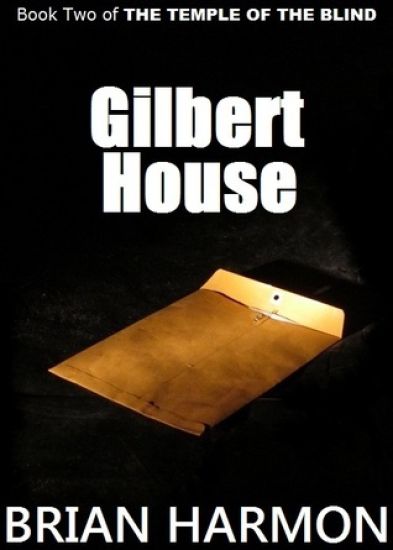
What nightmares lie waiting beneath the cellar door? Far beneath the streets of Briar Hills lies an enormous temple of stone. Ancient secrets are buried within its walls...along with countless and unspeakable horrors. But it's not the only location in the city that knows terror. ...and it all began with a wooden box...A little more than a year ago, Albert and Brandy discovered a fantastic labyrinth hidden deep beneath the streets of Briar Hills, Missouri. Now, strange telephone messages are stirring up the memories of those dark passages and it seems that it may be time for them to return to that perilous, underground world to finish what they started. But when a strange envelope finds its way into his hands, Albert realizes that he's being steered not toward the university's steam tunnels, where he began his last journey, but to the bizarre ruins of an old men's dormitory in the woods north of the campus. Together with Brandy and her best friend, Nicole, Albert ventures into the forest in search of answers. There, amid the crumbling walls and overgrown brush, they encounter Wayne, who was also lured to these ruins by a mysterious envelope. Banding together, the four of them descend into the recently opened cellar door and discover the nightmarish secrets that have long been hidden within the terrible hallways of Gilbert House.
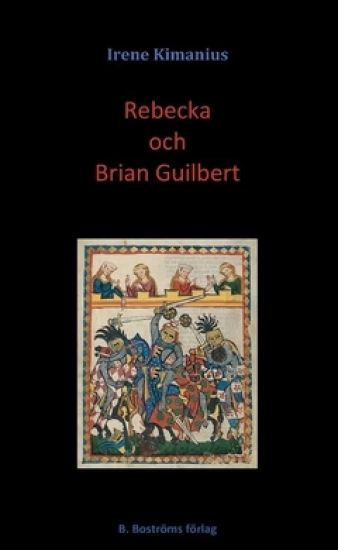
Rebecka och Brian Guilbert bygger på sir Walter Scotts roman Ivanhoe och är en medeltida riddarberättelse som utspelas på Stadsholmen, det som vi i dag kallar för Gamla stan i Stockholm. Precis som i Ivanhoe är detta en berättelse om makt, tornerspel, syndiga begär och medeltida slag, men utspelar sig i Sverige. Annorlunda är också slutet som skiljer sig helt från originalet. För den som någon gång har undrat vad som hade hänt om han inte ”valt fel” så kommer här svaret.
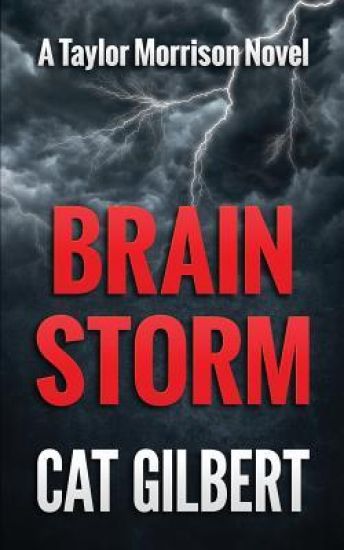
Is she insane or psychically gifted? Private investigator Taylor Morrison has just managed to put her life back together after the death of her husband when strange things begin to happen around her. Things that can't be explained. Taylor begins her search for answers only to discover that someone else knows what she is capable of - and they will stop at nothing to possess it. As Taylor's once ordered world erupts into violence and chaos, she is forced to go on the run, fighting to protect the people she loves, even as she struggles to control the power she doesn't understand.
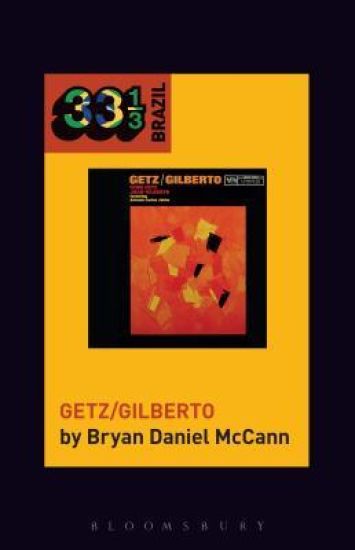
Most die-hard Brazilian music fans would argue that Getz/Gilberto, the iconic 1964 album featuring "The Girl from Ipanema," is not the best bossa nova record. Yet we've all heard "The Girl from Ipanema" as background music in a thousand anodyne settings, from cocktail parties to telephone hold music. So how did Getz/Gilberto become the Brazilian album known around the world, crossing generational and demographic divides? Bryan McCann traces the history and making of Getz/Gilberto as a musical collaboration between leading figure of bossa nova João Gilberto and Philadelphia-born and New York-raised cool jazz artist Stan Getz. McCann also reveals the contributions of the less-understood participants (Astrud Gilberto's unrehearsed, English-language vocals; Creed Taylor's immaculate production; Olga Albizu's arresting, abstract-expressionist cover art) to show how a perfect balance of talents led to not just a great album, but a global pop sensation. And he explains how Getz/Gilberto emerged from the context of Bossa Nova Rio de Janeiro, the brief period when the subtle harmonies and aching melodies of bossa nova seemed to distill the spirit of a modernizing, sensuous city.33 1/3 Global, a series related to but independent from 33 1/3, takes the format of the original series of short, music-based books and brings the focus to music throughout the world. With initial volumes focusing on Japanese and Brazilian music, the series will also include volumes on the popular music of Australia/Oceania, Europe, Africa, the Middle East, and more.
Most die-hard Brazilian music fans would argue that Getz/Gilberto, the iconic 1964 album featuring "The Girl from Ipanema," is not the best bossa nova record. Yet we've all heard "The Girl from Ipanema" as background music in a thousand anodyne settings, from cocktail parties to telephone hold music. So how did Getz/Gilberto become the Brazilian album known around the world, crossing generational and demographic divides? Bryan McCann traces the history and making of Getz/Gilberto as a musical collaboration between leading figure of bossa nova João Gilberto and Philadelphia-born and New York-raised cool jazz artist Stan Getz. McCann also reveals the contributions of the less-understood participants (Astrud Gilberto's unrehearsed, English-language vocals; Creed Taylor's immaculate production; Olga Albizu's arresting, abstract-expressionist cover art) to show how a perfect balance of talents led to not just a great album, but a global pop sensation. And he explains how Getz/Gilberto emerged from the context of Bossa Nova Rio de Janeiro, the brief period when the subtle harmonies and aching melodies of bossa nova seemed to distill the spirit of a modernizing, sensuous city.33 1/3 Global, a series related to but independent from 33 1/3, takes the format of the original series of short, music-based books and brings the focus to music throughout the world. With initial volumes focusing on Japanese and Brazilian music, the series will also include volumes on the popular music of Australia/Oceania, Europe, Africa, the Middle East, and more.
Anne Green Gilbert’s Brain-Compatible Dance Education, Second Edition, strikes the perfect balance between hard science and practicality, making it an ideal resource for dance educators working with dancers of all ages and abilities. Gilbert presents the latest brain research and its implications for dance educators and dancers. She makes the research findings accessible and easy to digest, always connecting the science to the teaching and learning that takes place in classrooms and studios. This new edition of Brain-Compatible Dance Education features Gilbert’s unique BrainDance warm-up, made up of eight developmental movement patterns for people of all ages, from birth to older adults. This BrainDance warm-up helps dancers improve focus and productivity as it invigorates their minds and bodies and gets their synapses firing. In addition, this edition offers the following new material: 24 new lesson plans geared to all age groups, from birth on up New tips and tools to strengthen your teaching skills and provide a foundation for advocating for dance in schools and communities A new web resource that includes 11 video clips of BrainDance with variations for diverse audiences, as well as printable lesson plans, posters, charts, and assessment templates (The web resource is included with all new print books and some ebooks. For ebook formats that don’t provide access, the web resource is available separately.) The video clips on the web resource are great teaching aids that show you real-world examples of how the movements are done. The clips show dancers from infants to seniors, from beginners to advanced students, and those with special needs. The text is organized into three parts. Part I presents the theory behind brain-compatible dance education, offering an overview of the latest brain research, outlining the 10 principles of brain-compatible dance education, and exploring how to plan engaging lessons and use tools to assess your dancers. Part II describes the lesson plan elements in depth, including warming up, exploring concepts, developing skills, creating, and cooling down. In part III, Gilbert offers her new sequential and holistic lesson plans for ages 0 through 4, 5 through 8, 9 through 18, and adults. Brain-Compatible Dance Education, Second Edition, will revitalize your dance classes by improving your students’ focus as they perform the repetitions that are so necessary for skill development. It will help you understand the vital link between movement and cognition, develop holistic lesson plans for any age and population, and bring the joy of movement into students’ lives. Human Kinetics is proud to publish this book in association with SHAPE America, the national organization that defines excellence for school-based health and physical education professionals across the United States.
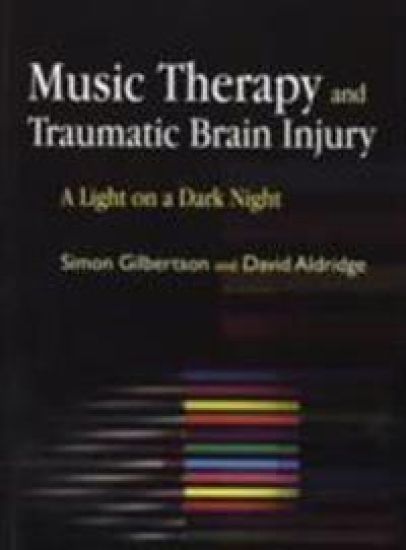
Musical improvisation is an increasingly recognised rehabilitative therapy for people who have experienced traumatic brain injury initially thought to be 'unreachable' or 'non-responsive'.Music Therapy and Traumatic Brain Injury demonstrates how music therapy can be used to attend to the holistic, rather than purely functional, needs of people affected by severe head trauma. Divided into three parts, the first section provides an introduction to the effects brain injury has on a person's livelihood. The second is a comprehensive review of available literature on the use of music therapy in the neurorehabilitative setting. The final section examines three case studies designed according to 'therapeutic narrative analysis', an adaptive research method that uses interviewing and video, which focuses on the unique relationship between the professional and the patient.This book will give clinicians key notes for practice and a vision of the integral role music therapy can have in the successful rehabilitation from brain injury.
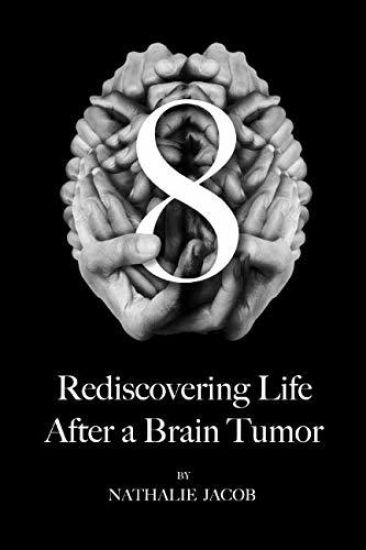
Imagine only seeing a single number. Everywhere you look, all you can see is eight. You can't spell your name. You can only draw a circle. You can't add two plus three.This was Nathalie Jacob's life after an invasive brain surgery. Nathalie hadn't realized anything was wrong. She held a high-level job as a marketing executive and was discussing beginning a family with her husband when the doctors gave her the bad news. She had an intraventricular meningioma. She would need brain surgery.In the aftermath of the operation, Nathalie experienced everything like a small child. She had to relearn how to do the simplest of tasks. In this inspirational memoir, Nathalie captures her unique delight at the simple wonders of life. She also candidly discusses some of the tragic consequences of the surgery and how she found a place of healing in the midst of all the negative news. Nathalie includes a chapter written by her husband and directed toward caretakers of patients in the same situation. Nathalie's memoir offers valuable insight into a complicated recovery process and shows the strength you can find in the darkest of circumstances.
Chronic stress, a factor in everyday life, leads to several dysfunctions of the mind and body, resulting in disorders ranging from addictions to cancers. We are now aware of the emotional brain, its role in brain biology, and the devastation it causes when it dysfunctions. "Your Happy Brain-Why and How to Hug it" presents specific and practical steps which combat stress and nurture the Insula, the emotional center in the brain. The book explains how the 5 senses, especially the sense of touch, reduces stress, prevents many psycho-social disorders, makes people happy, and improves the immune system. It is estimated that in a year, 25% of adults and 20% of children are diagnosed with a mental illness. These statistics make mental illness the third leading health-care problem, affecting all ages. An alarming number of young people are diagnosed with ADHD and addictions; while seniors often suffer from the many "proteinopathies" such as Parkinson's, dementia and Alzheimer's. Mental health statistics do not include social issues such as anger, divorce, truancy, and poor school performance which leads to student drop-out. Yet, as the book points out, all these may have a biological basis. The mental health topics may seem unrelated, but they are linked by the lack of arousal of "Touch Receptors" in the skin and the Insula. The book presents the biological basis for how the touch sensation reduces stress and helps the immune system. This information will hopefully inspire individuals and families to lead happy, fulfilled lives, and contribute towards a more content society with fewer mental health issues. Addiction is a vexing social problem. Nicotine, drugs and alcohol lead the list of chemical addictive agents. There are also behavioral addictions such as binge-eating and gambling, as well as compulsive disorders such as incessant texting, checking social media, and playing video games, etc. These addictions can lead to depression and suicide. The latter is the second most common cause of death in young adults. Behavioral troubles can have their roots in infancy, and the book discusses ways to nurture a child's brain at this critical period of life. Your Happy Brain describes how different parts of the brain can be modulated to work in concert, the factors that influence brain growth, and the vital role a positive childhood plays in lifelong happiness. Readers who will benefit from this book: -Work in the medical and allied-medical fields. -Are interested in behavioral issues, including those involved in criminal justice, law and order, and social work. -Are parents, grandparents and educators interested in understanding the maturation of the brain in children and teenagers. -Seek to improve balance in seniors and prevent common falls and hip fractures. -Recognize the biological effects of stress on humans. -Understanding student drop-out and behavioral issues. -Comprehend the biology of emotional distancing, which is a prelude to divorce. The authors take readers through brain biology and evolution, and provide well-labeled diagrams of relevant areas of the brain. Pictorial models are included to point out how various components of the brain work together, and how to maximize the synergy to produce a Happy Brain. In an easy-to-understand manner, the book describes brain development in general, and the emotional brain in particular. It presents information in a lucid and easy-to-read format, and takes the reader through the blue-print of how evolution designed our emotional and subconscious brain to function in a happy state of mind. The non-medical reader will gain insight into the serious social and medical problems we face today, especially the potential neurological issues we create for ourselves. Some of the biological basis for our common social practices will provide the reader with an "Aha Now I understand " moment. More information on the book is available at yourhappy
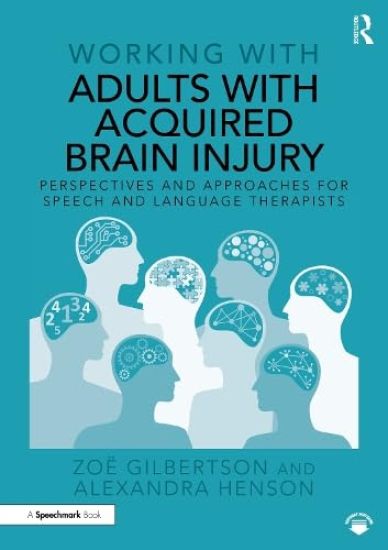
Working with Adults with Acquired Brain Injury is for clinicians who wish to transcend diagnostic labels and work in a patient centred way to achieve individuals’ goals. In it, practising speech and language therapists share their experience of applying theory to practice when working with adults who have sustained brain injuries that require post-acute rehabilitation. The text introduces key overarching themes which influence every area of clinical work with adults with brain injury; working with diversity, outcome measurement, mental capacity, and use of technology in speech and language therapy. It continues with chapters on core clinical caseloads and treatment approaches for communication and swallowing including: goal setting prolonged disorders of consciousness managing behaviours that challenge functional neurological disorder project working therapy groups communication partner training. Each chapter includes four sections: a summary of current evidence on treatment, practical guidance on assessment and treatment, a worked example and signposting to further resources. A book by clinicians for clinicians, writing from experience of what they wish they had access to when they started out in this field. It is essential reading for students through to specialist speech and language therapists looking for practical guidance and recommendations to integrate current evidence into therapy.
Working with Adults with Acquired Brain Injury is for clinicians who wish to transcend diagnostic labels and work in a patient centred way to achieve individuals’ goals. In it, practising speech and language therapists share their experience of applying theory to practice when working with adults who have sustained brain injuries that require post-acute rehabilitation. The text introduces key overarching themes which influence every area of clinical work with adults with brain injury; working with diversity, outcome measurement, mental capacity, and use of technology in speech and language therapy. It continues with chapters on core clinical caseloads and treatment approaches for communication and swallowing including: goal setting prolonged disorders of consciousness managing behaviours that challenge functional neurological disorder project working therapy groups communication partner training. Each chapter includes four sections: a summary of current evidence on treatment, practical guidance on assessment and treatment, a worked example and signposting to further resources. A book by clinicians for clinicians, writing from experience of what they wish they had access to when they started out in this field. It is essential reading for students through to specialist speech and language therapists looking for practical guidance and recommendations to integrate current evidence into therapy.