Kirjojen hintavertailu. Mukana 11 627 064 kirjaa ja 12 kauppaa.

Kirjahaku

Etsi kirjoja tekijän nimen, kirjan nimen tai ISBN:n perusteella.

1000 tulosta hakusanalla Bryan Kenneth Moss

Paulette Marie the West Virginia Holler Booger!

Paulette Marie the West Virginia Holler Booger!

Bryan Kenneth Moss

Independently Published
2020
nidottu
A fictitious story and main character. A nosy body who is mean spirited, jealous, totally judgmental and self-righteous towards those who she doesn't even know. Living in beautiful West Virginia, in a impoverished situation because she is lazy and doesn't want to work but feeding off of the system instead. A big 8.5 x 11 inch adult coloring book. The author does all of his own artwork from cover to interior. NO stock photos used from the net For adults only please
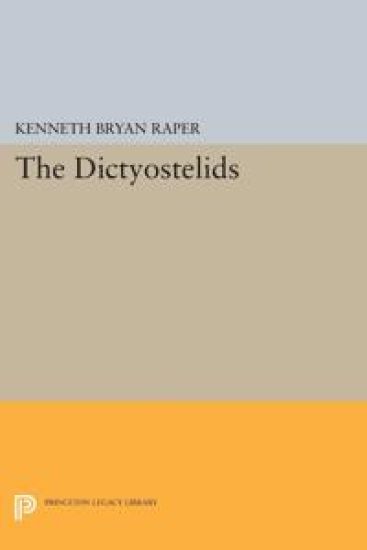
The Dictyostelids

The Dictyostelids

Kenneth Bryan Raper

Princeton University Press
2014
pokkari
Kenneth Raper tells how dictyostelids are isolated, cultivated, and conserved in the laboratory; how myxamoebae aggregate to form multicellular pseudoplasmodia; how fructifications arise by transformation of amoeboid cells into stalk cells and spores; and how similar cells can, under certain conditions, enter a sexual phase. For each known dictyostelid Professor Raper includes a complete description and photographic illustrations; one new species is described. Originally published in 1984. The Princeton Legacy Library uses the latest print-on-demand technology to again make available previously out-of-print books from the distinguished backlist of Princeton University Press. These editions preserve the original texts of these important books while presenting them in durable paperback and hardcover editions. The goal of the Princeton Legacy Library is to vastly increase access to the rich scholarly heritage found in the thousands of books published by Princeton University Press since its founding in 1905.
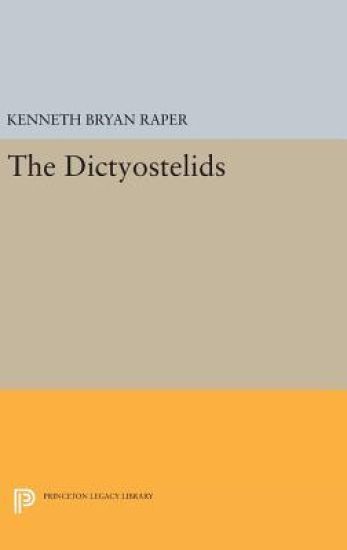
The Dictyostelids

The Dictyostelids

Kenneth Bryan Raper

Princeton University Press
2016
sidottu
Kenneth Raper tells how dictyostelids are isolated, cultivated, and conserved in the laboratory; how myxamoebae aggregate to form multicellular pseudoplasmodia; how fructifications arise by transformation of amoeboid cells into stalk cells and spores; and how similar cells can, under certain conditions, enter a sexual phase. For each known dictyostelid Professor Raper includes a complete description and photographic illustrations; one new species is described. Originally published in 1984. The Princeton Legacy Library uses the latest print-on-demand technology to again make available previously out-of-print books from the distinguished backlist of Princeton University Press. These editions preserve the original texts of these important books while presenting them in durable paperback and hardcover editions. The goal of the Princeton Legacy Library is to vastly increase access to the rich scholarly heritage found in the thousands of books published by Princeton University Press since its founding in 1905.
The Prodigal Sunflower

The Prodigal Sunflower

Kenneth Bryan Sexton

Xulon Press
2024
pokkari
The short story of the Prodigal Sunflower is based off Jesus' Parable of the Prodigal Son found in Luke 15:11-32 in the Bible. The young sunflower grows bored in his garden home and is curious of what lies beyond the fence of Parson Bird's garden. His journey takes him on an adventure in which he is exposed to unexpected dangers and situations that are not as fun as he hoped they would be. When exciting exploration turns into peril Parson Bird is always watching out for Sonny and intervenes to save him from harm. When Sonny finally realizes that he wants to go home he is rescued by Parson Bird and restored to the safety of his garden home. Kenneth "Bryan" Sexton Jr. is an Elder in the Global Methodist Church in North Carolina and a third generation minister of the gospel of Jesus Christ. Bryan earned his B. A. and M. Div. degrees from Duke University, has served as a pastor for over 36 years and writes from a wide range of life experiences including sports, military service, ministry, and family life. Bryan is married to Pattie Ann Dicksey and they have two children, a son-in-law and a granddaughter to whom this book is dedicated. He is inspired by the parables and teaching methods of the master storyteller himself, Jesus Christ. Nothing can compare to the joy of hearing and sharing the story of redemption. The love of the Father and of the Son, Jesus is the centerpiece of every redemption story. www.Parsonbirdandfriends.com
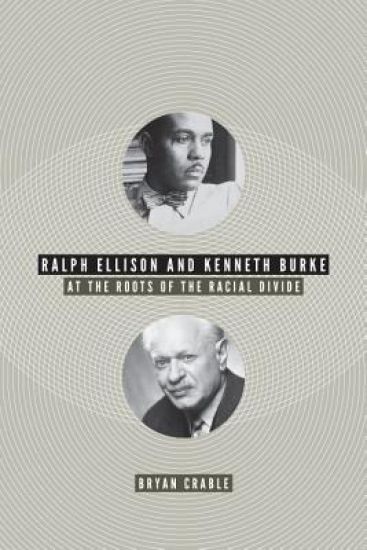
Ralph Ellison and Kenneth Burke

Ralph Ellison and Kenneth Burke

Bryan Crable

University of Virginia Press
2011
sidottu
Ralph Ellison and Kenneth Burke focuses on the little-known but important friendship between two canonical American writers. The story of this fifty-year friendship, however, is more than literary biography; Bryan Crable argues that the Burke-Ellison relationship can be interpreted as a microcosm of the American ""racial divide."" Through examination of published writings and unpublished correspondence, he reconstructs the dialogue between Burke and Ellison about race that shaped some of their most important works, including Burke's A Rhetoric of Motives and Ellison's Invisible Man. In addition, the book connects this dialogue to changes in American discourse about race. Crable shows that these two men were deeply connected, intellectually and personally, but the social division between white and black Americans produced hesitation, embarrassment, mystery, and estrangement where Ellison and Burke might otherwise have found unity. By using Ellison's non fiction and Burke's rhetorical theory to articulate a new vocabulary of race, the author concludes not with a simplistic ""healing"" of the divide but with a challenge to embrace the responsibility inherent to our social order.
Ralph Ellison and Kenneth Burke

Ralph Ellison and Kenneth Burke

Bryan Crable

University of Virginia Press
2011
nidottu
Ralph Ellison and Kenneth Burke focuses on the little-known but important friendship between two canonical American writers. The story of this fifty-year friendship, however, is more than literary biography; Bryan Crable argues that the Burke-Ellison relationship can be interpreted as a microcosm of the American ""racial divide."" Through examination of published writings and unpublished correspondence, he reconstructs the dialogue between Burke and Ellison about race that shaped some of their most important works, including Burke's A Rhetoric of Motives and Ellison's Invisible Man. In addition, the book connects this dialogue to changes in American discourse about race. Crable shows that these two men were deeply connected, intellectually and personally, but the social division between white and black Americans produced hesitation, embarrassment, mystery, and estrangement where Ellison and Burke might otherwise have found unity. By using Ellison's non fiction and Burke's rhetorical theory to articulate a new vocabulary of race, the author concludes not with a simplistic ""healing"" of the divide but with a challenge to embrace the responsibility inherent to our social order.