This cutting-edge synthesis of the archaeology of Nubia and Sudan from prehistory to the nineteenth century AD is the first major work on this area for over three decades. Drawing on results of the latest research and developing new interpretive frameworks, the area which has produced the most spectacular archaeology in sub-Saharan Africa is examined here by an author with extensive experience in this field.The geographical range of the book extends through the Nubian north, the Middle Nile Basin, and includes what has become the modern Sudan. Using period-based chapters, the region's long-term history is traced and a potential for a more broadly framed and inclusive 'historical archaeology' of Sudan's more recent past is explored.This text breaks new ground in its move beyond the Egyptocentric and more traditional culture-histories of Nubia, often isolated in Africanist research, and it relocates the early civilizations and their archaeology within their Sudanic Africa context. This is a captivating study of the area's history, and will inform and enthral all students and researchers of Archaeology and Egyptology.
This cutting-edge synthesis of the archaeology of Nubia and Sudan from prehistory to the nineteenth century AD is the first major work on this area for over three decades. Drawing on results of the latest research and developing new interpretive frameworks, the area which has produced the most spectacular archaeology in sub-Saharan Africa is examined here by an author with extensive experience in this field.The geographical range of the book extends through the Nubian north, the Middle Nile Basin, and includes what has become the modern Sudan. Using period-based chapters, the region's long-term history is traced and a potential for a more broadly framed and inclusive 'historical archaeology' of Sudan's more recent past is explored.This text breaks new ground in its move beyond the Egyptocentric and more traditional culture-histories of Nubia, often isolated in Africanist research, and it relocates the early civilizations and their archaeology within their Sudanic Africa context. This is a captivating study of the area's history, and will inform and enthral all students and researchers of Archaeology and Egyptology.
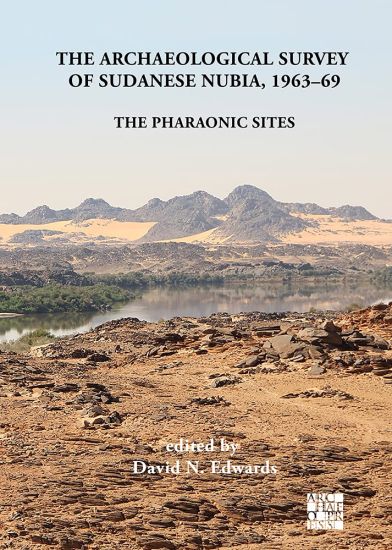
Of the Nubian Archaeological Campaigns responding to the construction of the Aswan High Dam, the survey and excavations carried out within Sudanese Nubia represent the most substantial achievement of the larger enterprise. Many components of the larger project of the UNESCO – Sudan Antiquities Service Survey have been published, in addition to the reports of a number of other major projects assigned separate concessions within the region. However, the results of one major element, the Archaeological Survey of Sudanese Nubia (ASSN) between the Second Cataract and the Dal Cataract remain largely unpublished. This volume, focusing on the pharaonic sites, is the first of a series which aims to bring to publication the records of the ASSN. These records represent a major body of data relating to a region largely now lost to flooding. This is also a region of very considerable importance for understanding the archaeology and history of Nubia more generally, not least in relation to the still often poorly understood relationships between Lower Nubia to the north and the surviving areas of Middle and Upper Nubia, to the south. The ASSN project fieldwork was undertaken over six years between 1963 and 1969, investigating c.130km of the river valley between Gemai, at the south end of the Second Cataract, and Dal.
David Abulafia; Ali Ansari; Richard Bratby; Mary Bridges; Caroline Burt; David Butterfield; Edward Chancellor; Marie Kawthar Daouda; Eloise Davies; Ulrike Franke; Francis J. Gavin; Magnus Henrekson; William Inboden; Shashank Joshi; Knut N. Kjaer; Kwasi Kwarteng; Charlie Laderman; Ian Leslie; Nicklas Berild Lundblad; Iain Martin; Jade McGlynn; Mario Pisani; Alina Polyakova; Sergey Radchenko; Mick Ryan; Paul Tucker; Rikard Westerberg; Adrian Wooldridge; David Wootton; Linda Yueh
Från det romerska torget till digitala valutor – hur har marknaden utvecklats under historiens gång och hur kan den komma att se ut i framtiden? Denna antologi gör en djupdykning i marknadsutvecklingen och tittar närmare på marknaders avgörande roll i att utforma samtiden men tar också upp den brännande frågan om hur vi ska navigera mot en hållbar framtid. I tankeväckande essäer skrivna av internationella forskare, politiker och andra sakkunniga utforskas marknadens dynamik. Med utgångspunkt i de antika torgen och i det medeltida Europas marknader undersöker författarna hur tekniska framsteg, konsumentbeteende och geopolitisk strategi – till exempel den politik som utövades under Reagan-eran – har format nutida marknader. Slutligen tar boken upp de utmaningar för stabiliteten på marknaden som utgörs av auktoritära stater och AI. Boken finns även i engelsk utgåva, The Market.
Aaron B Frank; Elizabeth M Bartels; Adam R Grissom; Jonathan S Blake; Gabrielle Tarini; Kelly Elizabeth Eusebi; Joseph N Mait; Elisa Jayne Bienenstock; Andrew M Parker; Steven W Popper; Paul K Davis; Edward Geist; Ben Connable; Zev Winkelman; Robert L Axtell; Justin Grana; Robert J Lempert; Kelly Klima; Sara Turner; James R Watson; Michael J Gaines; Yuna Huh Wong; Jasmin Léveillé; Timothy Marler
Today's American, hand-crafted furniture is bristling with originality. Blending art and functionality, David Ebner creates unique benches, tables, and chairs. This designer-craftsman's work subtly surpasses the limits of the furniture world and often crosses over into the realm of sculpture. Fine woods with interesting patterns are featured in his practical designs, which reflect natural elements of the places where he has worked in New York state. He fuses traditional and modern techniques and is well known for his scallion coat rack, Renwick benches, and Bellport chairs. See more than 340 color photos and sketches of Ebner's designs for diverse forms created with "twisted sticks," tubular metal, iron sections, and bamboo laminates. In his lifetime, he's made more than 1,400 pieces. Especially interesting are projects he continues to design today in his ever-evolving style.
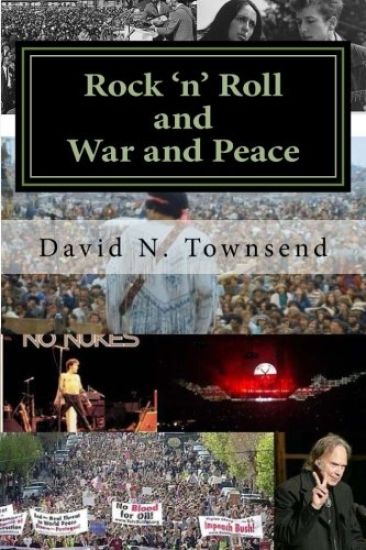
Rock 'n' Roll and War and Peace chronicles and examines the relationship between popular music in the Rock era and the politics and ideology of war and peace throughout the past half-century, with emphasis on the Vietnam War and Iraq War, among others. This is a topic that, while it's been touched on in a variety of ways, has never been deeply explored in a single coherent work, especially one that links the various eras and movements, from the 1960s through the 2000s.The book offers portraits of dozens of artists and insights into the meaning and impact of hundreds of songs across more than five decades.The focus of the first section, "Ending War," is the Vietnam War and the 1960s Woodstock Generation: the first time in history that popular music turned against an active American war effort. The author reviews all of the highlights of this period of vintage protest music, from Folk pioneers Pete Seeger and Bob Dylan, through Jimi Hendrix and Marvin Gaye, to John Lennon and Crosby, Stills, Nash, and Young. The dominance of these revolutionary artists, and of similar anti-war messages from a wide variety of musicians, represented a cultural and political shift of seismic proportions that would carry across generations.The second section, "Living in Peace," then chronicles the musical and social transformation that followed the end of Vietnam hostilities starting in the mid-1970s: the rise of Folk Rock and mellow singer-songwriters, and a new introspective, detached and melancholy ethos within the growing Rock/Pop culture. The likes of Neil Young, Joni Mitchell, and James Taylor carried forward the idealism of the '60s pacifist movements, but focused away from global geopolitics and inward on the dreams and insecurities of adulthood. A strain of peaceful Soft Rock came to dominate the post-War airwaves, which the chapter relives with insights into dozens of performers and songs of the period.Part 3 is then called "Returning to Battle," and highlights the renewed focus on anti-militarism of the next generations of Rock musicians and fans. If the Woodstock movement could help end an ill-conceived war, how would those '60s veterans' children respond when the next waves of war drums began to sound? The answers are found in a wealth of musical reactions to global events from the 1980s to the recent past: nuclear saber-rattling under Reagan and Thatcher; the unraveling of the Cold War and the Soviet empire; the first Gulf War; the 9/11 attacks; and the massive protests against the Iraq War.This latest period in particular has received relatively little attention compared with Vietnam era protest music, yet it yielded its own large body of diverse contributions: from major established stars (Springsteen, U2), highly popular newcomers (Green Day, Black-Eyed Peas), and senior veterans of the original movement (Neil Young). The story of these musical and ideological linkages, from the earliest roots of 1960s anti-war protests through the peaks of their revival in the 2000s, is one that will be of interest to a large audience of music fans, history buffs, and social activists alike.
A 200-page journal for tracking and new and clean fresh sounds that you find on streaming radio. Sounds and beats that provoke thought and a call to action. A great way to track new sounds from new artists.As new sounds are discovered, you can feel free to jot down those sounds and write about the beat and rhythm.
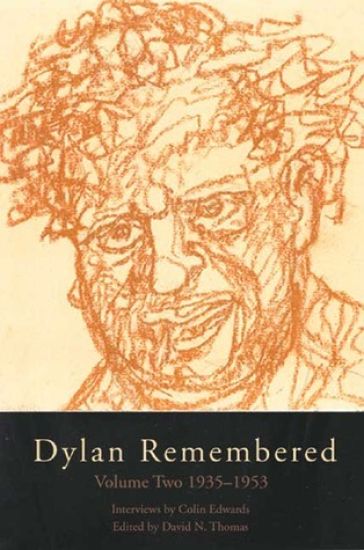
This is the second volume of transcribed interviews about the poet Dylan Thomas. Journalist, broadcaster, and author Colin Edwards interviewed numerous sources close to Thomas for a planned biography of the poet, but he was unable to begin work before his early death. The transcribed tapes have been edited into two collections. This volume contains interviews with Fred Janes, Mably Owen, Vernon Watkins, Glyn Jones, and the villagers of Dylan's stomping grounds of New Quay, South Leigh, and Laughern, as well as with many others, including Dylan's friends, colleagues, and acquaintances.
Who and what killed Dylan Thomas? The death of this iconic writer, in New York in November 1953, remains shrouded in mystery fifty-five years later. What might have been a triumphant new departure in his career and life with the first production of Under Milk Wood, and plans to work on operas with Igor Stravinsky and Samuel Barber turned instead into a requiem for man whose life spiralled out of control.Was it alcohol abuse, diabetes, a heart attack, medical incompetence – all reasons previously advanced? And was Thomas himself at fault? What part was played by his lover, Liz Reitell, her doctor Milton Feltenstein, hospital doctors McVeigh and Glibertson, the literary impressario John Malcolm Brinnin?Leading Dylan Thomas authority David N. Thomas draws on his extensive research, and uncovers startling new evidence, to produce the definitive answers in a superbly written account which balances historical context with forensic detail, Thomas' character with the demands made upon him by friends, lovers and his reading public. His verdict is a chilling study of a poet, a place and a death.David Thomas is the author of several books on Dylan Thomas, including Dylan Thomas: A Farm, Two Mansions and a Bungalow, an account of his life in wartime west Wales, which has been made into the film, The Edge of Love, starring Keira Knightly and Sienna Miller.
This great guide is packed with juicy tidbits on software and digital photography techniques. Get updates on new features and new technologies. Learn tips and techniques for transforming digital pictures, printing, improving detailed areas, shape configuring, and going beyond the basics with text, edges and filters. Whether you're a beginner or a pro, author David Plotkin has plenty of help for you.
How have the Jews survived? For millennia, they have defied odds by overcoming the travails of exile, persecution, and recurring plans for their annihilation. Many have attempted to explain this singular success as a result of divine intervention. In this engaging book, David N. Myers charts the long journey of the Jews through history. At the same time, it points to two unlikely-and decidedly this-worldly--factors to explain the survival of the Jews: antisemitism and assimilation. Usually regarded as grave dangers, these two factors have continually interacted with one other to enable the persistence of the Jews. At every turn in their history, not just in the modern age, Jews have adapted to new environments, cultures, languages, and social norms. These bountiful encounters with host societies have exercised the cultural muscle of the Jews, preventing the atrophy that would have occurred if they had not interacted so extensively with the non-Jewish world. It is through these encounters--indeed, through a process of assimilation--that Jews came to develop distinct local customs, speak many different languages, and cultivate diverse musical, culinary, and intellectual traditions. Left unchecked, the Jews' well-honed ability to absorb from surrounding cultures might have led to their disappearance. And yet, the route toward full and unbridled assimilation was checked by the nearly constant presence of hatred toward the Jew. Anti-Jewish expression and actions have regularly accompanied Jews throughout history. Part of the ironic success of antisemitism is its malleability, its talent in assuming new forms and portraying the Jew in diverse and often contradictory images--for example, at once the arch-capitalist and revolutionary Communist. Antisemitism not only served to blunt further assimilation, but, in a paradoxical twist, affirmed the Jew's sense of difference from the host society. And thus together assimilation and antisemitism (at least up to a certain limit) contribute to the survival of the Jews as a highly adaptable and yet distinct group.