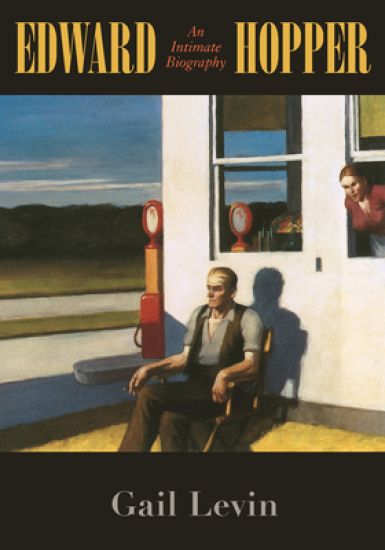
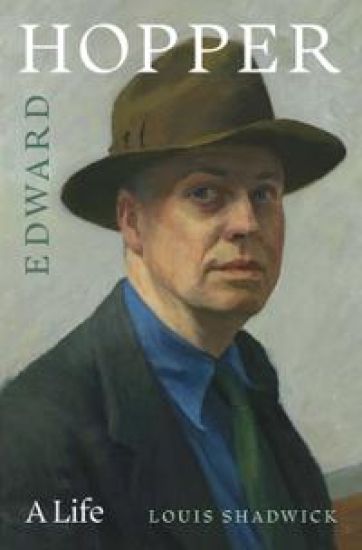
New York Times Notable BookLos Angeles Times Book Prize FinalistWall Street Journal—one of five best artist biographies Edward Hopper's canvasses are filled with stripped-down spaces and unrelenting light, evocative landscapes, and the lonely aspects of men and women seemingly isolated in their surroundings. What kind of man had this haunting vision, and what kind of life engendered this art? No one is better qualified to answer these questions than art historian Gail Levin, author and curator of the major studies and exhibitions of Hopper's work. In this intimate biography she reveals the true nature and personality of the man himself—and of the woman who shared his life, the artist Josephine Nivison.
Each poem in Catalan writer Ernest Farres' "Edward Hopper" is based on a painting by the American artist. Creating a narrative that follows a subject from small-town origins to big-city life, from youth to age, the story is Hopper's, yet it also belongs to Farres. The ventriloquist slips, revealing his larger concerns: Farres is using the paintings to tell a story of modernity. Lawrence Venuti's translations recreate the heterogeneous language of Farres' poetry in an American vernacular that samples Hopper's actual speech and writing. Farres' book becomes in English what it is for Catalan readers: remarkable in ambition, wit, and in its probing interpretations of the visual imagination.
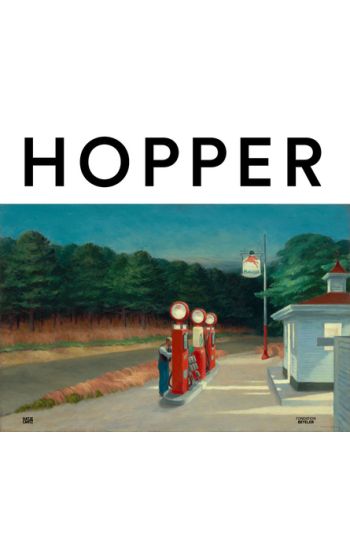
Edward Hopper’s world-famous paintings articulate an idiosyncratic view of modern life. With his impressive subjects, independent pictorial vocabulary, and virtuoso play of colors, Hopper continues to influence to this day the image of the United States in the first half of the twentieth century. He began his career as an illustrator and became famous around the globe for his oil paintings. They testify to his great interest in the effects of color and his mastery in depicting light and shadow. The Fondation Beyeler is devoting its large exhibition in the spring of 2020 to Hopper’s iconic images of the vast American landscape. The catalogue gathers together all of the paintings, watercolors, and drawings from the 1910s to the 1960s on display in the exhibition, and supplements them with essays focused on the subject of depicting landscape.
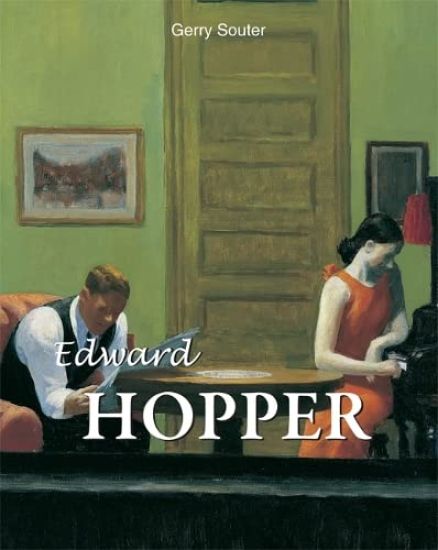
From his images of deserted small towns and solitary figures in empty offices to his cheerfully tranquil New England landscapes, Hopper's most famous compositions can be seen as products of a life spent observing human nature. Hopper's images evoke an enigmatic uncertainty, which speaks to the heart of the American experience. Hopper's talent for depicting multiple aspects of the post-war experience is the focus of this generously illustrated and engaging volume.
This groundbreaking graphic novel delves into the life of the acclaimed artist Edward Hooper, whose iconic works depict quintessentially American scenes and experiences. While many of Hopper's most acclaimed works have been embraced by American culture, the artist himself rejected much of the lyricism and romance that his audience imposed on his paintings. This unique overview of Hopper's life and career offers a fascinating and unflinching portrait of an artist trying to establish himself and define his own style. Using Hopper's own words as a jumping off point, the book traces his roots as an art student and commercial illustrator; his life-changing time in Europe; his rocky relationship with his wife Jo, and his incredible success later in life. It also shows how, as he became increasingly famous, he grew more taciturn and resolute in his disparagement of American society and the labels thrust on him. Using clean lines and a palette that mimics Hopper's own, the book's illustrations reflect the style and substance of the artist's life--and help create a refreshing reconsideration of a creative genius who never wavered from his vision.
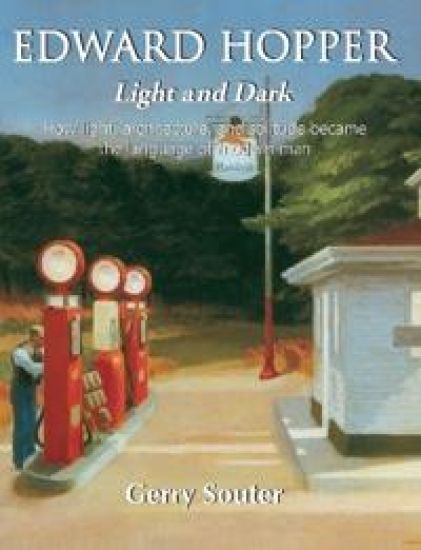
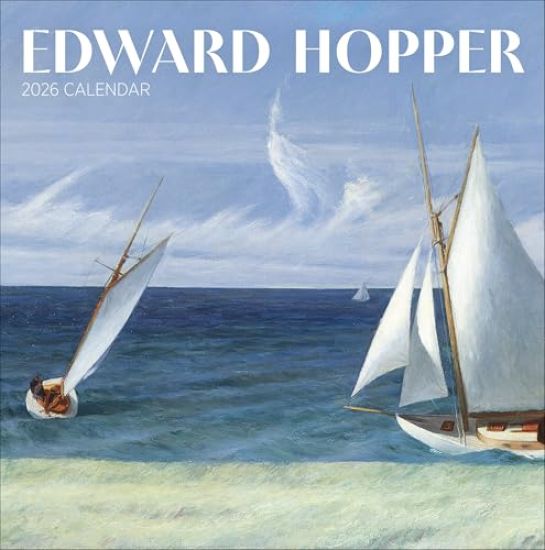
Edward Hopper built his paintings around light. Filled with quiet and solitude, they are often warmed by the sun: "I like long shadows and early and late sunlight. I am . . . trying to paint sunlight without eliminating the form under it, if I can." In this collection, the light that so fascinated the artist bathes New England land and sea as it enters indoor spaces with geometric intensity. Hopper spent nearly every summer of his prolific career in New England. However, he was born and raised in Nyack, New York, studied painting at the New York School of Art, and wintered in Greenwich Village. The outcome of this dual residency is a body of work rich in rural landscapes and seascapes, as well as studies of city life.
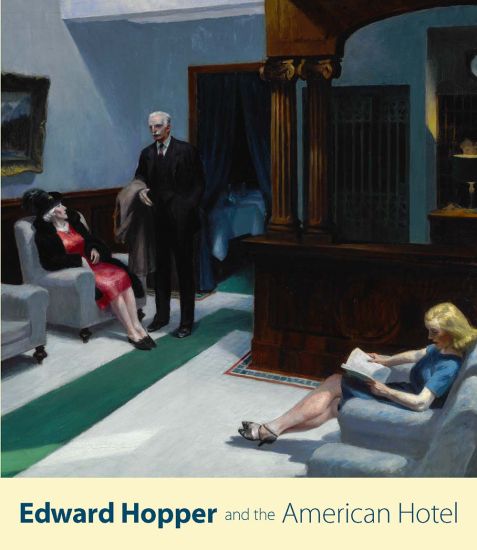
Using recreated itineraries, travel along with Edward Hopper on his various road trips and encounter hotels, staff, and guests as seen through the artist's eyes The painter, draftsman, and illustrator Edward Hopper (1882–1967) is one of America’s best-known and most frequently exhibited artists. Hotels, motels, and tourist homes are recurring motifs in his work, along with streets, lighthouses, and gas stations forming a visual vocabulary of transportation infrastructure. In ten essays, this fascinating volume explores Hopper’s lifelong investigation of such spaces, shedding light on both his professional practice and far-reaching changes in transportation and communications, which affected not only work and leisure but also dynamics of race, class, and gender. Hopper’s covers for the trade journal Hotel Management, in addition to other well-known works, invite reflection on the complicated roles of the nascent New Woman; the erasure of hotel work and workers; contemporary associations of the color white with cleanliness and purity; the watercolors Hopper made from hotel windows and rooftops in Mexico; and the broader context of transportation history. A final chapter then situates Hopper's contribution to the fascinating role that the hotel has played in the broader development of American art in the 20th century. As a unique feature, the book's backflap also holds two "TripTik"-like, removable maps that trace the journeys that Hopper and his wife, the artist Josephine “Jo” Nivison Hopper, took by car in the 1940s and 1950s; selected correspondence and quotations from Jo’s own diaries join reproductions of postcards and ephemera illuminating their—and fellow Americans’—shifting travel habits. Distributed for the Virginia Museum of Fine Arts Exhibition Schedule: Virginia Museum of Fine Arts, Richmond (October 26, 2019–February 23, 2020) Indianapolis Museum of Art at Newfields (June 4, 2020–September 13, 2020)
A revealing exploration of Edward Hopper’s inspired relationship to New York City through his paintings, drawings, prints, and never-before-published archival materials This engaging book delves into the iconic relationship between Edward Hopper (1882–1967) and New York City. This comprehensive look at an essential aspect of the revered American artist’s life reveals how Hopper’s experience of New York’s spaces, sensations, and architecture shaped his vision and served as a backdrop for his distillations of the urban experience. During sidewalk strolls and elevated train rides, Hopper sketched the city’s many windowed facades. Exterior views gave way to interior lives, forging one of Hopper’s defining preoccupations: the convergence of public and private. These permeable walls allowed Hopper to evoke the perplexing awareness of being alone in a crowd that is synonymous with modern urban life. Drawing on the vast resources of the Whitney Museum of American Art, the largest repository of Hopper’s work, and the recently acquired gift of the Sanborn Hopper Archive, this book features more than 300 illustrations and fresh insight from authoritative and emerging scholars.Distributed for the Whitney Museum of American ArtExhibition Schedule:Whitney Museum of American Art, New York (October 19, 2022–March 5, 2023)
In his ledger books, Edward Hopper recorded paintings produced and sold, payments made and received, materials used and subjects considered. Juxtaposing selected ledger pages with reproductions of the respective paintings, Edward Hopper: Paintings & Ledger Book Drawings documents the making of and fate of Hopper's most revered works.
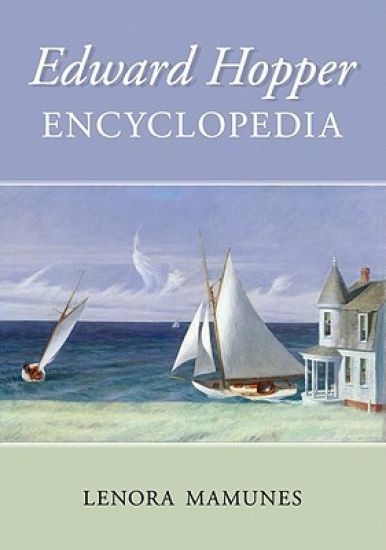
Edward Hopper was one of the most prominent American realist painters of the twentieth century. This comprehensive encyclopedia is a cross-referenced guide to Hopper's life and art. More than 200 entries focus on his oeuvre, including his most noteworthy oil paintings, watercolors and etchings. The remaining entries highlight individuals central to Hopper's life and career, places where he created art, as well as relevant art terminology. The 350 entries offer a quick and easy source for information for teachers, students, museum and gallery devotees, as well as anyone interested in learning about Hopper.
Edward Hopper built his paintings around light. Filled with quiet and solitude, they are often warmed by the sun: "I like long shadows and early and late sunlight. I am . . . trying to paint sunlight without eliminating the form under it, if I can". In this collection, the light that so fascinated the artist bathes New England land and sea as it enters indoor spaces with geometric intensity. Hopper spent nearly every summer of his prolific career in New England. However, he was born and raised in Nyack, New York, studied painting at the New York School of Art, and wintered in Greenwich Village. The outcome of this dual residency is a body of work rich in rural landscapes and seascapes, as well as studies of city life.