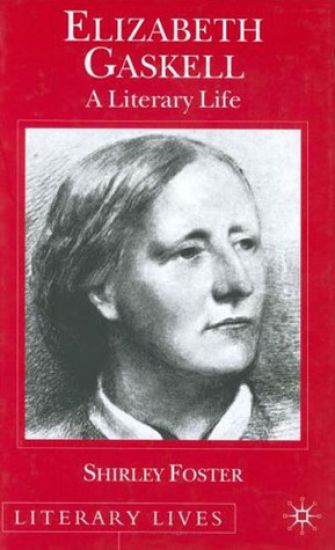
This literary biographical study examines the life and works of the mid-Victorian woman novelist, Elizabeth Gaskell, whose popularity is now well established. It places her writing in the context of her attitudes towards creative production, her relationship with publishers, and her literary friendships, as well as examining those events of her life which fed into her work. It pays particular attention to the ways in which she sought to reconcile the conflicting demands made upon her, as woman and as artist.
This literary biographical study examines the life and works of the mid-Victorian woman novelist, Elizabeth Gaskell, whose popularity is now well established. It places her writing in the context of her attitudes towards creative production, her relationship with publishers, and her literary friendships, as well as examining those events of her life which fed into her work. It pays particular attention to the ways in which she sought to reconcile the conflicting demands made upon her, as woman and as artist.
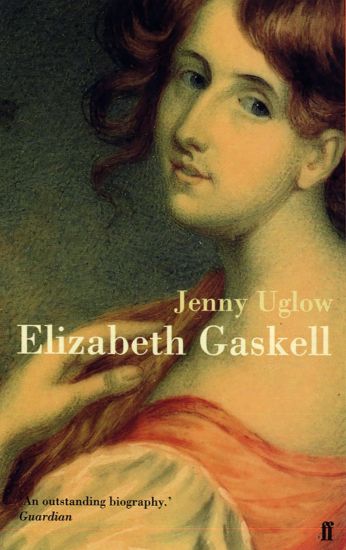
Elizabeth Gaskell won fame and notoriety as the author of "Mary Barton Ruth". This biography looks at Elizabeth's life and work, looking at how Elizabeth observed, from her Manchester home, the brutal but transforming impact of industry and writing down the truth of what she observed.
This pioneering study, described as ‘a model of feminist criticism’ (The Year’s Work in English Studies) on first publication, revealed Gaskell as an important social analyst who deliberately challenged the Victorian disjunction between public and private ethical values, who maintained a steady resistance to aggressive authority, advocating female friendship, rational motherhood and the power of speech as forces for social change.Since 1987, Gaskell’s work has risen from minor to major status. This new edition presents the original text (except for bibliographical updating) together with a new and extensive critical ‘Afterword’. This addition contains detailed evaluation of all the Gaskell criticism published between 1985 and 2004 which has a bearing on her thesis, and thus provides both a wide-ranging debate on the social implications of motherhood, and an invaluable survey of Gaskell criticism over the last twenty years. This study will bring a well-tried classic to a new audience, while also offering a uniquely comprehensive overview of current Gaskell studies.
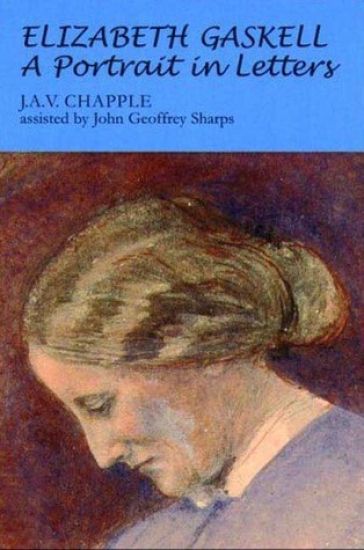
Elizabeth Gaskell is best known as a novelist and biographer, but she was also a lively and sensitive letter writer, with a vivacious interest in all that was going on around her.This selection from her letters, with a linking commentary provides a biography of Elizabeth Gaskell largely in her own words. It is in chronological order, with special chapters devoted to her family life, her travels, her charities and her life as an author who was also a wife and mother, in a period when Victorian society and culture were undergoing major changes--especially apparent in Manchester where she lived. Elizabeth Gaskell emerges as a woman of intelligence, integrity and grace, with an enchanting sense of humour, an insatiable curiosity about life, a deep regard for truth and a boundless sympathy for others.
This absorbing study of Elizabeth Gaskell’s early life up to her marriage in 1832 is based almost entirely on new evidence. Also, using parish records, marriage settlements, property transfers, wills, record office documents, letters, journals and private papers, John Chapple has recreated the background of one of the nineteenth century’s greatest novelists.The widely differing lives of her father, brother and the aunt who raised her are illuminated at length by these original documents. Chapple has discovered a number of letters written by close relations that shed new light on her upbringing, and he analyses three hitherto unknown travel journals buy her Knutsford cousins which prove that she grew up in a literary milieu.Other biographical accounts of Elizabeth Gaskell’s life have been compared and, where necessary, corrected, but Chapple’s main emphasis lies with the wealth of new material that he has discovered. This ensures that The early years will provide a secure basis for future criticism of her creative works, which so often rely on biographical details
This original study of Elizabeth Gaskell places the woman and her writings within their full Victorian context. Recent critical appraisal has focused both on her role as a novelist of industrial England, and on her awareness of the position of women and the problems of the woman writer in that society. Kate Flint’s perceptive book shows that for Elizabeth Gaskell the condition of women was inseparable from the broader issues of social change. Books such as Mary Barton, Cranford, North and South and Wives and Daughters continually analyse and interrogate questions of power, authority and the expression and transmission of human values, and challenge many widely-held pre-conceptions of the age. Dr Flint shows how recent feminist criticism and theories of narrative work together to illuminate the radical and experimental nature of Mrs Gaskell’s fiction.
A great deal has been written about Elizabeth Gaskell in the last decade. This extensively annotated guide to the literature builds upon Weyant's 1994 work on Gaskell that covered some 350 sources published between 1976-1991. This supplement identifies almost 600 new books, book chapters, journal articles, dissertations, masters theses and honors theses on the life and writings of Gaskell published since 1991. Contents include: — two appendices listing new editions of Gaskell's works in print, as well as digital, audio and video formats —A selection of Web sites appropriate for the undergraduate and beginning graduate student —citations of many brief articles in the Gaskell Newsletter that are ignored in the standard indexes —numerous sources that would otherwise be difficult or impossible to locate —an author index and an extensive subject index to facilitate locating relevant information
First published in 1979, this book looks at every aspect of the life and work of Elizabeth Gaskell, including her lesser known novels and writings — especially those concerning life in the industrial north of Victorian England. It shows how her work springs from a culture and society which pervades all she thought and wrote. An opening chapter explores her religion, culture, friendships and family. The major works are considered in turn and background material relevant to the novels’ industrial scenes is presented. The process of literary creation is charted in material drawn from letters and by examination of the manuscripts. Her short stories, journalism and letters are also considered.
First published in 1979, this book looks at every aspect of the life and work of Elizabeth Gaskell, including her lesser known novels and writings — especially those concerning life in the industrial north of Victorian England. It shows how her work springs from a culture and society which pervades all she thought and wrote. An opening chapter explores her religion, culture, friendships and family. The major works are considered in turn and background material relevant to the novels’ industrial scenes is presented. The process of literary creation is charted in material drawn from letters and by examination of the manuscripts. Her short stories, journalism and letters are also considered.
First published in 1970, this study demonstrates both the range and essential unity of the works of Mrs. Gaskell. The author analyses the novels of social criticism, the biography of Charlotte Brontë and the novels of country life as distinct expressions of her genius, commenting on recurrent themes, typical methods of presentation and consistent attitudes as they appear in each of the works. The differences of subject and intention between the three kinds of writing will be seen in the extracts which indicate the range of her ability and interests. The final section summarises her range and success and failure. This book will be of interest to students of literature and sociological history.
First published in 1970, this study demonstrates both the range and essential unity of the works of Mrs. Gaskell. The author analyses the novels of social criticism, the biography of Charlotte Brontë and the novels of country life as distinct expressions of her genius, commenting on recurrent themes, typical methods of presentation and consistent attitudes as they appear in each of the works. The differences of subject and intention between the three kinds of writing will be seen in the extracts which indicate the range of her ability and interests. The final section summarises her range and success and failure. This book will be of interest to students of literature and sociological history.
Elizabeth Cleghorn Gaskell, 29 September 1810 - 12 November 1865), often referred to as Mrs Gaskell, was an English novelist and short story writer during the Victorian era. Her novels offer a detailed portrait of the lives of many strata of society, including the very poor, and are of interest to social historians as well as lovers of literature. Her first novel, Mary Barton, was published in 1848. Gaskell's The Life of Charlotte Bront , published in 1857, was the first biography about Bront . Some of Gaskell's best known novels are Cranford (1851-53), North and South (1854-55), and Wives and Daughters (1865). Gaskell was born Elizabeth Cleghorn Stevenson on 29 September 1810 at 93 Cheyne Walk, Chelsea. She was the youngest of eight children; only she and her brother John survived infancy. Her father, William Stevenson, was a Scottish Unitarian minister at Failsworth, Lancashire, but resigned his orders on conscientious grounds and moved to London in 1806 with the intention of going to India after he was appointed private secretary to the Earl of Lauderdale, who was to become Governor General of India. That position did not materialise, however, and instead Stevenson was nominated Keeper of the Treasury Records. His wife, Elizabeth Holland, came from a family from the English Midlands that was connected with other prominent Unitarian families, including the Wedgwoods, the Martineaus, the Turners and the Darwins. When she died 13 months after giving birth to her youngest daughter, she left a bewildered husband who saw no alternative for Elizabeth but to be sent to live with her mother's sister, Hannah Lumb, in Knutsford, Cheshire. While she was growing up Elizabeth's future was uncertain, as she had no personal wealth and no firm home, though she was a permanent guest at her aunt and grandparents' house. Her father married Catherine Thomson in 1814 and they had a son, William (born 1815), and a daughter, Catherine (born 1816). Although Elizabeth spent several years without seeing her father and his new family, her older brother John often visited her in Knutsford. John was destined for the Royal Navy from an early age, like his grandfathers and uncles, but he had no entry and had to join the Merchant Navy with the East India Company's fleet. 3] John went missing in 1827 during an expedition to India. Much of Elizabeth's childhood was spent in Cheshire, where she lived with her aunt Hannah Lumb in Knutsford, a town she immortalised as Cranford. They lived in a large red-brick house called Heathwaite, on Heathside (now Gaskell Avenue), which faces the large open area of Knutsford Heath. From 1821 to 1826 she attended a school run by the Miss Byerlys at Barford House, and after that Avonbank in Stratford-on-Avon where she received the traditional education in arts, the classics, decorum and propriety given to young ladies at the time. Her aunts gave her the classics to read, and she was encouraged by her father in her studies and writing. Her brother John sent her modern books, and descriptions of his life at sea and his experiences abroad.
Elizabeth Cleghorn Gaskell, 29 September 1810 - 12 November 1865), often referred to as Mrs Gaskell, was an English novelist and short story writer during the Victorian era. Her novels offer a detailed portrait of the lives of many strata of society, including the very poor, and are of interest to social historians as well as lovers of literature. Her first novel, Mary Barton, was published in 1848. Gaskell's The Life of Charlotte Bront , published in 1857, was the first biography about Bront . Some of Gaskell's best known novels are Cranford (1851-53), North and South (1854-55), and Wives and Daughters (1865). Gaskell was born Elizabeth Cleghorn Stevenson on 29 September 1810 at 93 Cheyne Walk, Chelsea. She was the youngest of eight children; only she and her brother John survived infancy. Her father, William Stevenson, was a Scottish Unitarian minister at Failsworth, Lancashire, but resigned his orders on conscientious grounds and moved to London in 1806 with the intention of going to India after he was appointed private secretary to the Earl of Lauderdale, who was to become Governor General of India. That position did not materialise, however, and instead Stevenson was nominated Keeper of the Treasury Records. His wife, Elizabeth Holland, came from a family from the English Midlands that was connected with other prominent Unitarian families, including the Wedgwoods, the Martineaus, the Turners and the Darwins. When she died 13 months after giving birth to her youngest daughter, she left a bewildered husband who saw no alternative for Elizabeth but to be sent to live with her mother's sister, Hannah Lumb, in Knutsford, Cheshire. While she was growing up Elizabeth's future was uncertain, as she had no personal wealth and no firm home, though she was a permanent guest at her aunt and grandparents' house. Her father married Catherine Thomson in 1814 and they had a son, William (born 1815), and a daughter, Catherine (born 1816). Although Elizabeth spent several years without seeing her father and his new family, her older brother John often visited her in Knutsford. John was destined for the Royal Navy from an early age, like his grandfathers and uncles, but he had no entry and had to join the Merchant Navy with the East India Company's fleet. 3] John went missing in 1827 during an expedition to India. Much of Elizabeth's childhood was spent in Cheshire, where she lived with her aunt Hannah Lumb in Knutsford, a town she immortalised as Cranford. They lived in a large red-brick house called Heathwaite, on Heathside (now Gaskell Avenue), which faces the large open area of Knutsford Heath. From 1821 to 1826 she attended a school run by the Miss Byerlys at Barford House, and after that Avonbank in Stratford-on-Avon where she received the traditional education in arts, the classics, decorum and propriety given to young ladies at the time. Her aunts gave her the classics to read, and she was encouraged by her father in her studies and writing. Her brother John sent her modern books, and descriptions of his life at sea and his experiences abroad.
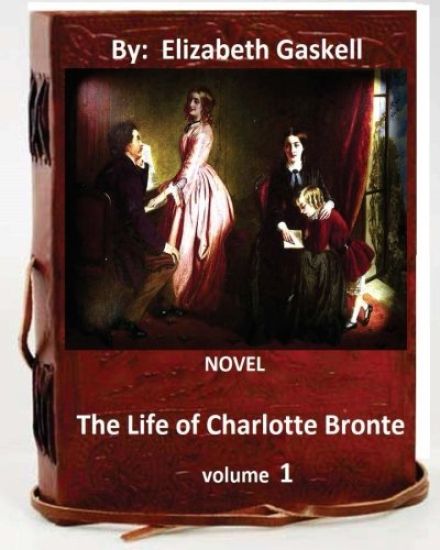
The Life of Charlotte Bront is the posthumous biography of Charlotte Bront by fellow novelist Elizabeth Gaskell. The first edition was published in 1857 by Smith, Elder & Co.. A major source was the hundreds of letters sent by Bront to her lifelong friend Ellen Nussey. Gaskell had to deal with some sensitive issues. She toned down some of her material: in the case of her description of the Clergy Daughters' School, attended by Charlotte and her sisters, this was to avoid legal action from the Rev. William Carus Wilson, the founder of the school. The published text does not go so far as to blame him for the deaths of two Bront sisters, but even so the Carus Wilson family published a rebuttal with the title "A refutation of the statements in 'The life of Charlotte Bronte, ' regarding the Casterton Clergy Daughters' School, when at Cowan Bridge". Although quite frank in many places, Gaskell suppressed details of Charlotte's love for Constantin H ger, a married man, on the grounds that it would be too great an affront to contemporary morals and a possible source of distress to Charlotte's still-living friends, father Patrick Bront and husband. 1] She also suppressed any reference to Charlotte's romance with George Smith, her publisher, who was also publishing the biographyElizabeth Cleghorn Gaskell, 29 September 1810 - 12 November 1865), often referred to as Mrs Gaskell, was an English novelist and short story writer during the Victorian era. Her novels offer a detailed portrait of the lives of many strata of society, including the very poor, and are of interest to social historians as well as lovers of literature. Her first novel, Mary Barton, was published in 1848. Gaskell's The Life of Charlotte Bront , published in 1857, was the first biography about Bront . Some of Gaskell's best known novels are Cranford (1851-53), North and South (1854-55), and Wives and Daughters (1865). Gaskell was born Elizabeth Cleghorn Stevenson on 29 September 1810 at 93 Cheyne Walk, Chelsea. She was the youngest of eight children; only she and her brother John survived infancy. Her father, William Stevenson, was a Scottish Unitarian minister at Failsworth, Lancashire, but resigned his orders on conscientious grounds and moved to London in 1806 with the intention of going to India after he was appointed private secretary to the Earl of Lauderdale, who was to become Governor General of India. That position did not materialise, however, and instead Stevenson was nominated Keeper of the Treasury Records. His wife, Elizabeth Holland, came from a family from the English Midlands that was connected with other prominent Unitarian families, including the Wedgwoods, the Martineaus, the Turners and the Darwins. When she died 13 months after giving birth to her youngest daughter, she left a bewildered husband who saw no alternative for Elizabeth but to be sent to live with her mother's sister, Hannah Lumb, in Knutsford, Cheshire. .
Elizabeth Cleghorn Gaskell, 29 September 1810 - 12 November 1865), often referred to as Mrs Gaskell, was an English novelist and short story writer during the Victorian era. Her novels offer a detailed portrait of the lives of many strata of society, including the very poor, and are of interest to social historians as well as lovers of literature. Her first novel, Mary Barton, was published in 1848. Gaskell's The Life of Charlotte Bront , published in 1857, was the first biography about Bront . Some of Gaskell's best known novels are Cranford (1851-53), North and South (1854-55), and Wives and Daughters (1865).Gaskell was born Elizabeth Cleghorn Stevenson on 29 September 1810 at 93 Cheyne Walk, Chelsea. She was the youngest of eight children; only she and her brother John survived infancy. Her father, William Stevenson, was a Scottish Unitarian minister at Failsworth, Lancashire, but resigned his orders on conscientious grounds and moved to London in 1806 with the intention of going to India after he was appointed private secretary to the Earl of Lauderdale, who was to become Governor General of India. That position did not materialise, however, and instead Stevenson was nominated Keeper of the Treasury Records. His wife, Elizabeth Holland, came from a family from the English Midlands that was connected with other prominent Unitarian families, including the Wedgwoods, the Martineaus, the Turners and the Darwins. When she died 13 months after giving birth to her youngest daughter, 1] she left a bewildered husband who saw no alternative for Elizabeth but to be sent to live with her mother's sister, Hannah Lumb, in Knutsford, Cheshire