Kirjahaku
Etsi kirjoja tekijän nimen, kirjan nimen tai ISBN:n perusteella.
1000 tulosta hakusanalla Gail R. Benjamin
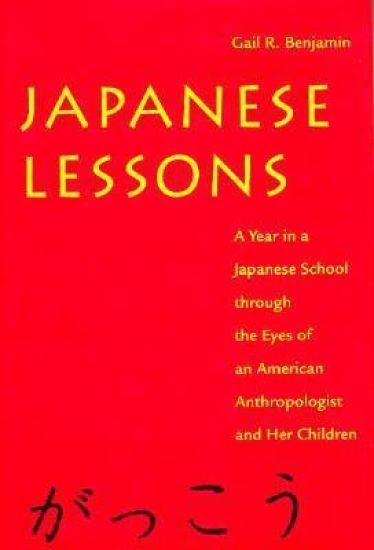
Benjamin dismantles Americans' preconceived notions of the Japanese education system "Gail R. Benjamin reaches beyond predictable images of authoritarian Japanese educators and automaton schoolchildren to show the advantages and disadvantages of a system remarkably different from the American one..."—The New York Times Book Review Americans regard the Japanese educational system and the lives of Japanese children with a mixture of awe and indignance. We respect a system that produces higher literacy rates and superior math skills, but we reject the excesses of a system that leaves children with little free time and few outlets for creativity and self-expression. In Japanese Lessons, Gail R. Benjamin recounts her experiences as a American parent with two children in a Japanese elementary school. An anthropologist, Benjamin successfully weds the roles of observer and parent, illuminating the strengths of the Japanese system and suggesting ways in which Americans might learn from it. With an anthropologist's keen eye, Benjamin takes us through a full year in a Japanese public elementary school, bringing us into the classroom with its comforting structure, lively participation, varied teaching styles, and non-authoritarian teachers. We follow the children on class trips and Sports Days and through the rigors of summer vacation homework. We share the experiences of her young son and daughter as they react to Japanese schools, friends, and teachers. Through Benjamin we learn what it means to be a mother in Japan--how minute details, such as the way mothers prepare lunches for children, reflect cultural understandings of family and education.
Gail R. Benjamin reaches beyond predictable images of authoritarian Japanese educators and automaton schoolchildren to show the advantages and disadvantages of a system remarkably different from the American one...--The New York Times Book Review Americans regard the Japanese educational system and the lives of Japanese children with a mixture of awe and indignance. We respect a system that produces higher literacy rates and superior math skills, but we reject the excesses of a system that leaves children with little free time and few outlets for creativity and self-expression. In Japanese Lessons, Gail R. Benjamin recounts her experiences as a American parent with two children in a Japanese elementary school. An anthropologist, Benjamin successfully weds the roles of observer and parent, illuminating the strengths of the Japanese system and suggesting ways in which Americans might learn from it. With an anthropologist's keen eye, Benjamin takes us through a full year in a Japanese public elementary school, bringing us into the classroom with its comforting structure, lively participation, varied teaching styles, and non-authoritarian teachers.We follow the children on class trips and Sports Days and through the rigors of summer vacation homework. We share the experiences of her young son and daughter as they react to Japanese schools, friends, and teachers. Through Benjamin we learn what it means to be a mother in Japan--how minute details, such as the way mothers prepare lunches for children, reflect cultural understandings of family and education. Table of Contents Acknowledgments 1. Getting Started 2. Why Study Japanese Education? 3. Day-to-Day Routines 4. Together at School, Together in Life 5. A Working Vacation and Special Events 6. The Three R's, Japanese Style 7. The Rest of the Day 8. Nagging, Preaching, and Discussions 9. Enlisting Mothers' Efforts 10. Education in Japanese Society 11. Themes and Suggestions 12. Sayonara Appendix. Reading and Writing in Japanese References Index
Public Policy and Private Education in Japan
Estelle James; Gail R Benjamin
Palgrave Macmillan
1988
nidottu
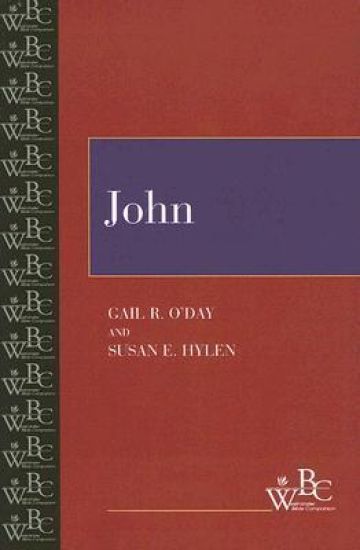
The Gospel of John is one of the most beloved books in the Christian canon. Its stories and images have long captured the imaginations of Christians. Not only is it one of the most popular writings of the New Testament, but many aspects of its style and outlook are distinctive. In this clear, thorough, and accessible commentary on the Gospel of John, scholars Gail O'Day and Susan Hylen explore and explain this Gospel's distinctive qualities.Books in the Westminster Bible Companion series assist laity in their study of the Bible as a guide to Christian faith and practice. Each volume explains the biblical book in its original historical context and explores its significance for faithful living today. These books are ideal for individual study and for Bible study classes and groups.
The intimate presence of God in Jesus can be found in the gospels of John and can transform sermons. But this Fourth Gospel is often difficult to preach because of its long dialogues and intertwined narrative and theology. Unlike the synoptic accounts of Jesus' life, John's gospel does not fit neatly into the rhythms of the lectionary cycle. Gail O'Day encourages preachers to take on the task of preaching Johannine texts, assimilating these frequently elusive texts into the vital life of the church. Through exegetical guidance, homiletical instruction, and sample sermons, she helps preachers to enter the texts, to be shaped by them, and then to proclaim their message in their fullness. O'Day invites preachers to preserve the unique voice of Johannine texts by defying the traditional tendency to reduce a scripture passage to a central point, and even to abandon such a reductionist approach to biblical texts in general. Completely revised and undated, The Word Disclosed focuses on four of the most popular texts in John (passages involving Nicodemaus, the Samaritan woman, the man born blind, and Lazarus) and includes new or extensively revised sermons on other lectionary texts from John and other parts of scripture.
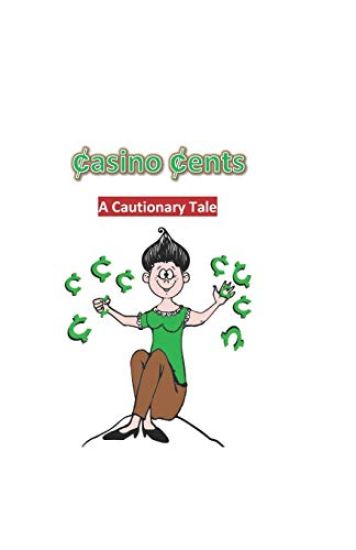
It's always fun if you win But are you really winning? In a world where gambling is becoming more acceptable, Casino Cents is a simply-stated illustrated cautionary tale softened by a humorous poetic tone. The two characters in Casino Cents do not seem to have any Casino sense. Unlike those of us who can have fun at a casino, control our spending and leave with no problem; they are led by their emotional ups and downs. Even though uncontrollable gambling is a very serious topic that can ruin peoples' lives, perhaps this book can help start a non-threatening conversation with a person you care about. At the very least, Casino Cents presents a serious topic in an easy-to-digest manner and may help people think twice if they are handling their money irresponsibly.
Alfred's parents have a parent-teacher conference with his third-grade homeroom teacher. His teacher shares that Alfred has a social problem. He doesn't get along with others. He doesn't follow directions, and he is always daydreaming in class and not paying attention but can be caught talking about his football practice during class. Afterward, Alfred's parents had a talk with him about his behavior in school and his grades. The other teachers complain that Alfred hits people and calls them names. He seems to be a good child, but won't volunteer to help, and there are issues that need to be addressed and behavior redirected. Alfred's teacher wants to put him on an intervention behavior plan. His teacher and parents agree that taking him off the football team until his behavior and grades improves would help. It will also show that there are consequences for bad behavior. They also believe it will help him bring out other issues that may be bothering him, so he can learn to deal with them in a positive manner. Alfred meets several kids who help him improve his behavior. They teach him using nine fruits of the spirit from Galatians 5:22-23: love, joy, peace, kindness, patience, goodness, faithfulness, gentleness, and self-control, the greatest fruit of all.
GET THAT GRANT! The Quick-Start Guide to Successful Proposals - SECOND EDITION
Gail R. Shapiro EdM; Carla C. Cataldo MPP
Booklocker Inc.,US
2009
pokkari
Scales for Identifying Gifted Students (SIGS-2)
Gail R. Ryser; Kathleen McConnell; Laila Y. Sanguras; Todd Kettler
TAYLOR FRANCIS INC
2021
irtolehti
Scales for Identifying Gifted Students (SIGS) is the most comprehensive observational instrument available for identifying gifted students ages 5–18. Used as part of a comprehensive process for identifying gifted children, the SIGS offers schools an instrument with extensive statistical and research support. This standardized, norm-referenced instrument is completed by teachers or parents and provides an effective method for identifying gifted children. The SIGS consists of two rating forms that can be used together or independently (a Home Rating Scale and a School Rating Scale). The SIGS is composed of seven scales: General Intellectual Ability, Language Arts, Mathematics, Science, Social Studies, Creativity, and Leadership. Each contains 12 items that are rated using a Likert-type scale. The items were chosen from a comprehensive body of research concerning the characteristics of gifted students. Nationally normed and standardized based on more than 65,000 completed scales and 250,000 item responses, the new SIGS-2 offers powerful statistical support for using the SIGS-2 as a tool for increased equity in gifted and talented programs. The SIGS offers schools several key benefits. The rating scale: is easily completed by teachers and parents, identifies ability in seven areas critical to meeting the federal definition of gifted and talented, features separate teacher and parent forms, is free of gender and ethnic group bias, has comprehensive and advanced statistical support, and is standardized and nationally normed. To explore the full collection of SIGS-2 print and online resources, please visit: https://www.routledge.com/go/scales-for-identifying-gifted-students-sigs.
Scales for Identifying Gifted Students (SIGS-2)
Gail R. Ryser; Kathleen McConnell; Laila Y. Sanguras; Todd Kettler
TAYLOR FRANCIS INC
2021
irtolehti
Scales for Identifying Gifted Students (SIGS) is the most comprehensive observational instrument available for identifying gifted students ages 5–18. Used as part of a comprehensive process for identifying gifted children, the SIGS offers schools an instrument with extensive statistical and research support. This standardized, norm-referenced instrument is completed by teachers or parents and provides an effective method for identifying gifted children. The SIGS consists of two rating forms that can be used together or independently (a Home Rating Scale and a School Rating Scale). The SIGS is composed of seven scales: General Intellectual Ability, Language Arts, Mathematics, Science, Social Studies, Creativity, and Leadership. Each contains 12 items that are rated using a Likert-type scale. The items were chosen from a comprehensive body of research concerning the characteristics of gifted students. Nationally normed and standardized based on more than 65,000 completed scales and 250,000 item responses, the new SIGS-2 offers powerful statistical support for using the SIGS-2 as a tool for increased equity in gifted and talented programs. The SIGS offers schools several key benefits. The rating scale: is easily completed by teachers and parents, identifies ability in seven areas critical to meeting the federal definition of gifted and talented, features separate teacher and parent forms, is free of gender and ethnic group bias, has comprehensive and advanced statistical support, and is standardized and nationally normed. To explore the full collection of SIGS-2 print and online resources, please visit: https://www.routledge.com/go/scales-for-identifying-gifted-students-sigs.
Scales for Identifying Gifted Students (SIGS-2)
Gail R. Ryser; Kathleen McConnell; Laila Y. Sanguras; Todd Kettler
TAYLOR FRANCIS INC
2021
irtolehti
Scales for Identifying Gifted Students (SIGS) is the most comprehensive observational instrument available for identifying gifted students ages 5–18. Used as part of a comprehensive process for identifying gifted children, the SIGS offers schools an instrument with extensive statistical and research support. This standardized, norm-referenced instrument is completed by teachers or parents and provides an effective method for identifying gifted children. The SIGS consists of two rating forms that can be used together or independently (a Home Rating Scale and a School Rating Scale). The SIGS is composed of seven scales: General Intellectual Ability, Language Arts, Mathematics, Science, Social Studies, Creativity, and Leadership. Each contains 12 items that are rated using a Likert-type scale. The items were chosen from a comprehensive body of research concerning the characteristics of gifted students. Nationally normed and standardized based on more than 65,000 completed scales and 250,000 item responses, the new SIGS-2 offers powerful statistical support for using the SIGS-2 as a tool for increased equity in gifted and talented programs. The SIGS offers schools several key benefits. The rating scale: is easily completed by teachers and parents, identifies ability in seven areas critical to meeting the federal definition of gifted and talented, features separate teacher and parent forms, is free of gender and ethnic group bias, has comprehensive and advanced statistical support, and is standardized and nationally normed. To explore the full collection of SIGS-2 print and online resources, please visit: https://www.routledge.com/go/scales-for-identifying-gifted-students-sigs.
Scales for Identifying Gifted Students (SIGS-2)
Gail R. Ryser; Kathleen McConnell; Laila Y. Sanguras; Todd Kettler
TAYLOR FRANCIS INC
2021
nidottu
Scales for Identifying Gifted Students–Second Edition (SIGS-2) offers the most comprehensive observational instrument available for identifying gifted students grades K–12. Used as part of a comprehensive process for identifying gifted children, SIGS-2 offers schools an instrument with extensive statistical and research support. This Examiner's Manual includes the information the examiner needs to administer, score, and interpret the SIGS-2. Information relating to the standardization, reliability, and validity of the SIGS-2 is also found in the manual. To explore the full collection of SIGS-2 print and online resources, please visit: https://www.routledge.com/go/scales-for-identifying-gifted-students-sigs.