Finally the greatest story about Christmas can be shared with your feline friends, Charles Dickens' "A Christmas Carol" has been translated so cats and kittens around the globe can understand how Scrooge's life was changed one night with the arrival of the Three Spirits. Joseph Corey has precisely transformed Dickens' text so cat guardians can read this uplifting holiday classic to their whiskered companions on a snowy night.
Walmart is hiring thousands of seasonal employees in time for Christmas - Do you want the Edge for the Holiday position?Ever dream about having the greatest job in the world? What could be better than spending your day hanging out at Walmart greeting people. But it turns out there's a lot more to being a Walmart People Greeter than what you imagine. Where can you get prepared for such an amazing career? The Seven Secrets used by Great Walmart People Greeters are identified. These seven secrets will help you land the position and insure happiness during your career as a People Greeter.The Seven Secrets will allow a potential People Greeter to understand their role and the demands of the job.The Seven Secrets of Great Walmart People Greeters is not an official publication of Walmart Stores Inc. Walmart Stores Inc. did not authorize, sanction, cooperate or contribute to the content of this book. Walmart is a registered trademark of Walmart Stores Inc. The Seven Secrets are not based on any known training material used by Walmart Stores Inc. Memorizing The Seven Secrets will not automatically guarantee the reader will be hired as a Walmart People Greeter. The Seven Secrets shouldn't hurt your chances of gaining the desired position. The Seven Secrets can be applied to any business that has a greeter position such as large hardware stores, megachurches and casinos.This book is the perfect gift to give upcoming retirees, recent college graduates, those about to get their high school diploma, football coaches that need firing, politicians about to lose an election and employees that need a fire lit under them to get them to understand the pink slip is next.
Contract Management and Administration for Contract and Project Management Professionals by Joseph J. Corey, Jr. 566 Pages ISBN-13: 978-1-5087-5108-3 ISBN-10: 1-5087-5108-0 LCCN: 2015903925Contract Management and Administration for Contract and Project Management Professionals is a comprehensive guide to and explanation of Contracts, the Contracting Process, and how to effectively and efficiently Plan, Prepare, Manage, Control, Administer, and Evaluate Contracts and Manage the Contracting Process and Contractors.This book introduces and discusses the author's unique and breakthrough concept of the Ten Stages of the Contracting Process; provides a comprehensive understanding of the theories, principles, and strategies of Contract Management and Administration; and discusses the legal basics of Contracts and Contracting. This book explains the Ten Stages of the Contracting Process from planning and structuring the Request for Proposal (RFP) to Contract Close Out and includes examples of 1) practical applications and best practices; 2) check lists, forms, and formats used to plan, prepare, manage, administer, and evaluate RFPs, contracts, and contractor performance; 3) contract types and applications; and 4) terms and conditions and definitions used in Contracts. The book also discusses 1) the integration of Contract and Project Management, 2) claims and the claims management and analysis processes, and 3) examples of successful and not so successful Contract Management and Administration situations. The Ten Stages of the Contracting Process is a practical breakdown of the Contracting Process into ten interdependent Stages providing contract and project management personnel with an understanding of each Stage allowing project personnel to plan, manage, prepare, negotiate, control, administer, and evaluate Contracts more effectively and efficiently. The author presents a Chapter integrating the Ten Stages of the Contracting Process with the Six Phases of the Project Management Process providing Project and Contract Managers, project staff, and project executives and sponsors with an understanding of how the Contracting Process supports each Phase of the Project Management Process and how to enhance the success of each Contract and Project. The author includes a Chapter discussing special insights on the theory, planning, managing, and administering large Cost Reimbursable Contracts with a special emphasis on the theory, mechanics, and the potential pitfalls of Target Cost and other Incentivized Cost Reimbursable Contracts. The author also includes a Chapter discussing Contracts for Engineering Services describing a Seven Phase Process with examples of formats and documents on how to structure, plan, and manage Engineering Services Contracts to efficiently plan and manage the scope of work and reduce delays and additional costs during the Engineering Process and project implementation. The author also candidly discusses contract incentives.This book focuses on improving the contract management skills of project and contract managers, contract administrators, project engineers and controls managers, and other personnel involved in planning and executing projects requiring large, complex contracts for services, materials, and design and fabrication of specially engineered components. The concepts, principles, strategies, and formats covered in this book are applicable to developing and managing all types of major contracts and both private and public contracts. Knowing and applying the materials presented in this book will result in developing more effective Contracts, effectively and efficiently managing and controlling the Contracting Process, improving contractor management, and increasing the assurance of completing contracts on time and on budget through sound Contract Management and Administration.
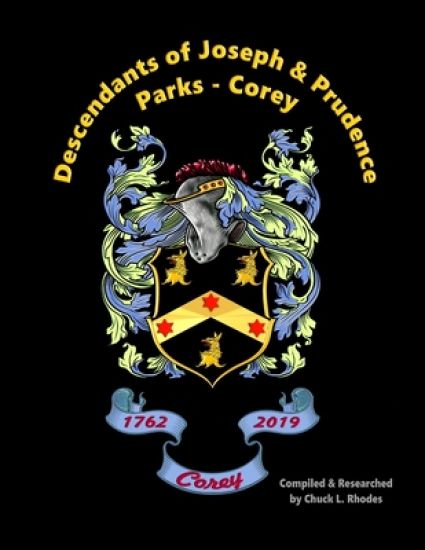
This family history book features ten generations of Joseph and Prudence Parks Corey from the year 1762 - 2019. Researched and compiled by their 4th great grandson, Chuck L. Rhodes.
David H. McElreath; Daniel Adrian Doss; Barbara Russo; Greg Etter; Jeffrey Van Slyke; Joseph Skinner; Michael Corey; Carl J. Jensen; Michael Wigginton; Robert Nations
Introduction to Homeland Security, Third Edition provides the latest developments in the policy and operations of domestic security efforts of the agencies under the U.S. Department of Homeland Security. This includes the FBI, Secret Service, FEMA, the Coast Guard, TSA and numerous other federal agencies responsible for critical intelligence, emergency response, and the safety and security of U.S. citizens at home and abroad. Changes in DHS and domestic security are presented from pre-September 11, 2001 days, to include the formation of DHS under President George W. Bush, all the way through to the current administration. Through this, the many transformative events are looked at through the lens of DHS’s original establishment, and the frequent changes to the various agencies, organization, reporting structure, funding, and policies that have occurred since. This new edition is completely updated and includes coverage of topics relevant to homeland security operations not covered in any other text currently available. This includes highlighting the geopolitical context and the nature of global terrorism—and their implications—specifically as they relate to threats to the United States. Partnerships and collaboration with global allies are highlighted in the context of their relevance to international trade, domestic policies, training, and security. The book ends with a look at emerging threats and potential new, creative solutions—and initiatives in-process within the government—to respond to and address such threats.Key Features: Explores the history and formation of the Department of Homeland Security, recent developments, as well as the role and core missions of core agencies within DHS Outlines man-made threats, intelligence challenges, and intra-agency communication, planning, and operations Looks critically at the role of geopolitical dynamics, key international allies, and their influence on domestic policy and decision-making Covers the latest developments in programs, legislation, and policy relative to all transportation and border security issues Examines current issues and emerging global threats associated with extremism and terrorism Addresses natural and man-made disasters and the emergency management cycle in preparing for, mitigating against, responding to, and recovering from such eventsIntroduction to Homeland Security, Third Edition remains the premier textbook for criminal justice, homeland security, national security, and intelligence programs in universities and an ideal reference for professionals as well as policy and research institutes.
David H. McElreath; Daniel Adrian Doss; Barbara Russo; Greg Etter; Jeffrey Van Slyke; Joseph Skinner; Michael Corey; Carl J. Jensen; Michael Wigginton; Robert Nations
Introduction to Homeland Security, Third Edition provides the latest developments in the policy and operations of domestic security efforts of the agencies under the U.S. Department of Homeland Security. This includes the FBI, Secret Service, FEMA, the Coast Guard, TSA and numerous other federal agencies responsible for critical intelligence, emergency response, and the safety and security of U.S. citizens at home and abroad. Changes in DHS and domestic security are presented from pre-September 11, 2001 days, to include the formation of DHS under President George W. Bush, all the way through to the current administration. Through this, the many transformative events are looked at through the lens of DHS’s original establishment, and the frequent changes to the various agencies, organization, reporting structure, funding, and policies that have occurred since. This new edition is completely updated and includes coverage of topics relevant to homeland security operations not covered in any other text currently available. This includes highlighting the geopolitical context and the nature of global terrorism—and their implications—specifically as they relate to threats to the United States. Partnerships and collaboration with global allies are highlighted in the context of their relevance to international trade, domestic policies, training, and security. The book ends with a look at emerging threats and potential new, creative solutions—and initiatives in-process within the government—to respond to and address such threats.Key Features: Explores the history and formation of the Department of Homeland Security, recent developments, as well as the role and core missions of core agencies within DHS Outlines man-made threats, intelligence challenges, and intra-agency communication, planning, and operations Looks critically at the role of geopolitical dynamics, key international allies, and their influence on domestic policy and decision-making Covers the latest developments in programs, legislation, and policy relative to all transportation and border security issues Examines current issues and emerging global threats associated with extremism and terrorism Addresses natural and man-made disasters and the emergency management cycle in preparing for, mitigating against, responding to, and recovering from such eventsIntroduction to Homeland Security, Third Edition remains the premier textbook for criminal justice, homeland security, national security, and intelligence programs in universities and an ideal reference for professionals as well as policy and research institutes.
This is a collection of theoretical papers, including contributions by Partha Dasgupta and three Nobel prize-winning economists: Kenneth Arrow, Amartya Sen, and Joseph Stiglitz. Originally published in 1982.
Andrew Agha; Ronald W. Anthony; Jodi A. Barnes; David J. Cranford; Katherine P. Gill; J. W. Joseph; Julia A. King; Jon Bernard Marcoux; Sarah E. Platt; Corey A. H. Sattes; Craig T. Sheldon; Scott M. Strickland; Martha A. Zierden
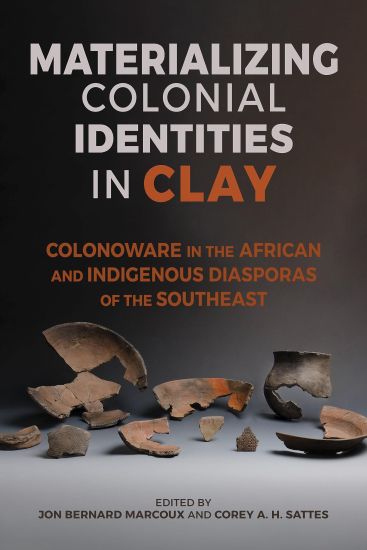
In Materializing Colonial Identities in Clay, Jon Bernard Marcoux, Corey A. H. Sattes, and contributors examine colonoware to explore the active roles that African Americans and Indigenous people played in constructing southern colonial culture and part of their shared history with Europeans. Colonoware was most likely produced by African and Indigenous potters and used by all colonial groups for cooking, serving, and storing food. It formed the foundation of colonial foodways in many settlements across the southeastern United States. Even so, compared with other ceramics from this period, less has been understood about its production and use because of the lack of documentation. This collection of essays fills this gap with valuable, recent archaeological data from which much may be surmised about the interaction among Europeans, Indigenous, and Africans, especially within the contexts of the African and Indigenous slave trade and plantation systems. The chapters represent the full range of colonoware research: from the beginning to the end of its production, from urban to rural contexts, and from its intraregional variation in the Lowcountry to the broad patterns of colonialism across the early American Southeast. The book summarizes current approaches in colonoware research and how these may bridge the gaps between broader colonial American studies, Indigenous studies, and African Diaspora studies. A concluding discussion contextualizes the chapters through the perspectives of intersectionality and Black feminist theory, drawing attention to the gendered and racialized meanings embodied in colonoware, and considering how colonialism and slavery have shaped these cultural dimensions and archaeologists’ study of them.
Andrew Agha; Ronald W. Anthony; Jodi A. Barnes; David J. Cranford; Katherine P. Gill; J. W. Joseph; Julia A. King; Jon Bernard Marcoux; Sarah E. Platt; Corey A. H. Sattes; Craig T. Sheldon; Scott M. Strickland; Martha A. Zierden
In Materializing Colonial Identities in Clay, Jon Bernard Marcoux, Corey A. H. Sattes, and contributors examine colonoware to explore the active roles that African Americans and Indigenous people played in constructing southern colonial culture and part of their shared history with Europeans. Colonoware was most likely produced by African and Indigenous potters and used by all colonial groups for cooking, serving, and storing food. It formed the foundation of colonial foodways in many settlements across the southeastern United States. Even so, compared with other ceramics from this period, less has been understood about its production and use because of the lack of documentation. This collection of essays fills this gap with valuable, recent archaeological data from which much may be surmised about the interaction among Europeans, Indigenous, and Africans, especially within the contexts of the African and Indigenous slave trade and plantation systems. The chapters represent the full range of colonoware research: from the beginning to the end of its production, from urban to rural contexts, and from its intraregional variation in the Lowcountry to the broad patterns of colonialism across the early American Southeast. The book summarizes current approaches in colonoware research and how these may bridge the gaps between broader colonial American studies, Indigenous studies, and African Diaspora studies. A concluding discussion contextualizes the chapters through the perspectives of intersectionality and Black feminist theory, drawing attention to the gendered and racialized meanings embodied in colonoware, and considering how colonialism and slavery have shaped these cultural dimensions and archaeologists’ study of them.
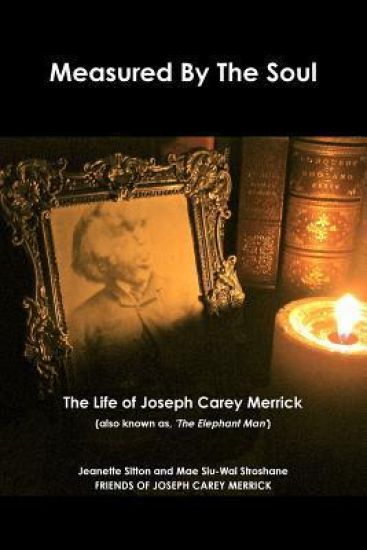
Joseph Merrick, the Elephant Man, was a 19th century Englishman who suffered disfigurement from an extremely rare disorder, which is believed to be Proteus Syndrome. Though his physical and mental suffering was great, he remained courageous. 'Measured by the Soul,' is lavishly illustrated with never-seen-before photographs of Joseph's life and Victorian times. This book also features interviews with modern patients who live with Proteus Syndrome, as well as exciting news from Dr. Leslie Biesecker of the National Institute of Health in Bethesda, Maryland. Thanks to Dr. Biesecker's research, there is hope for new treatment of Proteus Syndrome and its ultimate cure. Proceeds from this book will benefit Proteus Syndrome treatment and research.
Explains how to develop culinary skills through an understanding of five principal methods of cooking, in a guide that demonstrates each technique, provides some twenty-five recipes for each method, and shares a wealth of practical tips. Original.
The book "" By the Golden Gate; Or, San Francisco, the Queen City of the Pacific Coast With Scenes and Incidents Characteristic of its Life "" has been considered important throughout the human history, and so that this work is never forgotten we have made efforts in its preservation by republishing this book in a modern format for present and future generations. This whole book has been reformatted, retyped and designed. These books are not made of scanned copies and hence the text is clear and readable.