Kirjojen hintavertailu. Mukana 11 244 527 kirjaa ja 12 kauppaa.

Kirjahaku

Etsi kirjoja tekijän nimen, kirjan nimen tai ISBN:n perusteella.

1000 tulosta hakusanalla Julia Stapleton

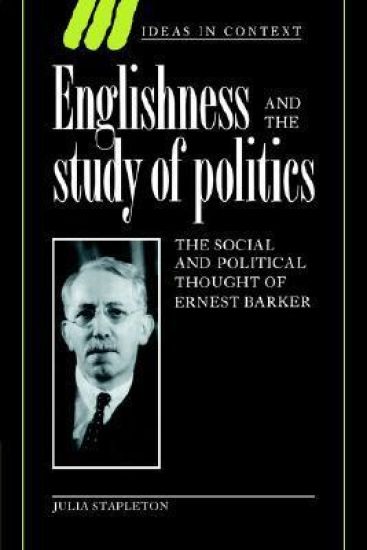
Englishness and the Study of Politics

Englishness and the Study of Politics

Julia Stapleton

Cambridge University Press
2006
pokkari
The definition of 'Englishness' has become the subject of considerable debate, and in this important contribution to Ideas in Context, Julia Stapleton looks at the work of one of the most wide-ranging and influential theorists of the English nation, Ernest Barker. The first holder of the Chair of Political Science at Cambridge, Barker wrote prolifically on the history of political thought and contemporary political theory, and his writings are notable for fusing three of the dominant strands of late nineteenth- and early twentieth-century political thought, Whiggism, Idealism and Pluralism. Infused with a strong cultural sense of nationhood, Barker's writings influenced a broad non academic audience, and their subsequent neglect graphically demonstrates the fate of a certain vision of Liberal England in the generation after World War One. With, however, the erosion of a particular sense of Englishness, Barker's ideas have begun to assume renewed resonance.
Englishness and the Study of Politics

Englishness and the Study of Politics

Julia Stapleton

Cambridge University Press
1994
sidottu
The definition of ‘Englishness’ has become the subject of considerable debate, and in this important contribution tto Ideas in Context Julia Stapleton looks at the work of one of the most wide-ranging and influential theorists of the English nation, Ernest Barker. The first holder of the Chair of Political Science at Cambridge, Barker wrote prolifically on the history of political thought and contemporary political theory, and his writings are notable for fusing three of the dominant strands of late-nineteenth and early-twentieth century political thought, Whiggism, Idealism and Pluralism. Infused with a strong cultural sense of nationhood, Barker’s writings influenced a broad non-academic audience, and their subsequent neglect graphically demonstrates the fate of a certain vision of Liberal England in the generation after World War One. With, however, the erosion of a particular sense of Englishness, Barker’s ideas have begun to assume renewed resonance.
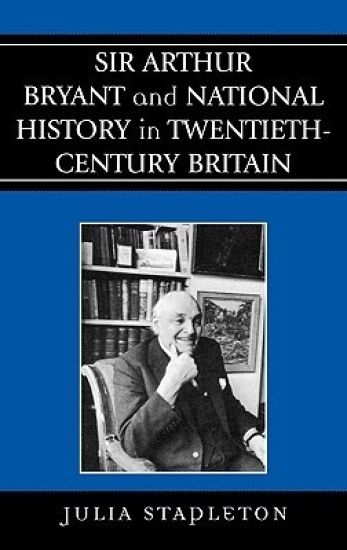
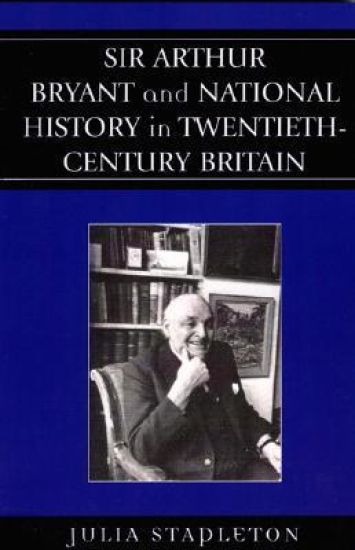
Sir Arthur Bryant and National History in Twentieth-Century Britain
Sir Arthur Bryant and National History in Twentieth-Century Britain is a significant new study of the work of the popular historian and journalist Sir Arthur Bryant (1899-1985). Since his death, scholarly interest in Bryant has focused on his Nazi sympathies in the late 1930s. Julia Stapleton broadens our understanding of the man and the writer. Stapleton illuminates Bryant's romantic ideal of his nation. She explores the historian's success in writing for a broad middlebrow audience, aided by his firsthand experience of two world wars; and she traces the decline of Bryant's authority beginning in the 1960s as the discipline of history diversified and new ties were forged between professional historians and popular readerships. Stapleton suggests that Bryant prefigured and sustained a form of nationalism that remained nascent within the British population (though not always its elites) deep into the twentieth century, as the Falklands episode and the recent resurgence of English national identity well illustrate. Twenty years after his death, when history has scaled new heights of popularity, a study of the historian whose work made perhaps the largest public impact in twentieth-century Britain could not be more timely.
Sir Arthur Bryant and National History in Twentieth-Century Britain
Sir Arthur Bryant and National History in Twentieth-Century Britain is a significant new study of the work of the popular historian and journalist Sir Arthur Bryant (1899-1985). Since his death, scholarly interest in Bryant has focused on his Nazi sympathies in the late 1930s. Julia Stapleton broadens our understanding of the man and the writer. Stapleton illuminates Bryant's romantic ideal of his nation. She explores the historian's success in writing for a broad middlebrow audience, aided by his firsthand experience of two world wars; and she traces the decline of Bryant's authority beginning in the 1960s as the discipline of history diversified and new ties were forged between professional historians and popular readerships. Stapleton suggests that Bryant prefigured and sustained a form of nationalism that remained nascent within the British population (though not always its elites) deep into the twentieth century, as the Falklands episode and the recent resurgence of English national identity well illustrate. Twenty years after his death, when history has scaled new heights of popularity, a study of the historian whose work made perhaps the largest public impact in twentieth-century Britain could not be more timely.
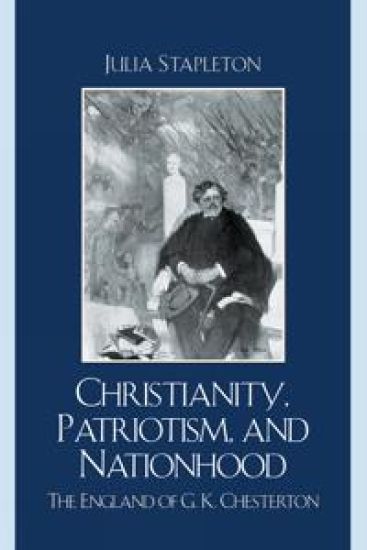
Christianity, Patriotism, and Nationhood

Christianity, Patriotism, and Nationhood

Julia Stapleton

Lexington Books
2009
sidottu
This book links the concepts of patriotism, Christianity, and nationhood in the journalistic writings of G.K. Chesterton and emphasizes their roots within the English attachments that were central to his political and spiritual persona. It further connects Chesterton to the vibrant debate about English national identity in the early years of the twentieth century, which was instrumental in shaping not only his political convictions, but also his religious convictions. Christianity, Patriotism and Nationhood explores his changing conception of the English people from an early, menacing account of their revolutionary potential in the face of plutocracy to the more complex portraits he drew of their character on recognizing their political passivity after the First World War. As Chesterton was above all a journalist, the study considers some of the varied outlets in which he expressed his ideas as a distinctly Edwardian man of letters of a strongly patriotic persuasion. His connection with The Illustrated London News over more than three decades proved pivotal in strengthening his patriotism and discourse of nationhood vilified elsewhere, not least in advanced Liberal organs such asThe Nation. Julia Stapleton shows that he was increasingly distanced by fellow Liberals before 1918, on account of the priority he gave nationhood over the state, and patriotism over citizenship. But she argues that his English loyalties were the last echo of an aspect of Victorian Liberalism that had been progressively eroded by loss of confidence among elites in the democratic aptitude of the English people. Christianity, Patriotism and Nationhood emphasizes that Chesterton upheld a cultural rather than racial conception of national homogeneity, in keeping with the Victorian sources of his thought and the popular patriotism of Edwardian England. It argues that his anti-semitism was ancillary, rather than integral to his understanding of England, and that it was matched by a similar conception of the ant
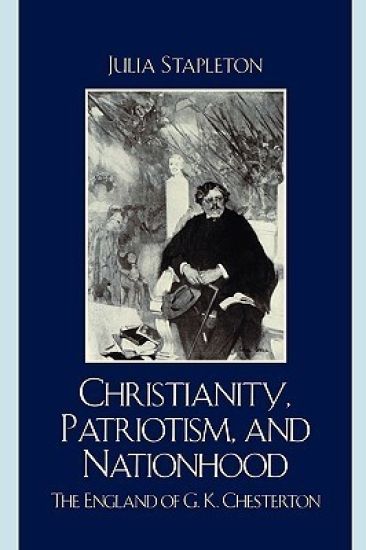
Christianity, Patriotism, and Nationhood

Christianity, Patriotism, and Nationhood

Julia Stapleton

Lexington Books
2009
nidottu
This book links the concepts of patriotism, Christianity, and nationhood in the journalistic writings of G.K. Chesterton and emphasizes their roots within the English attachments that were central to his political and spiritual persona. It further connects Chesterton to the vibrant debate about English national identity in the early years of the twentieth century, which was instrumental in shaping not only his political convictions, but also his religious convictions. Christianity, Patriotism and Nationhood explores his changing conception of the English people from an early, menacing account of their revolutionary potential in the face of plutocracy to the more complex portraits he drew of their character on recognizing their political passivity after the First World War. As Chesterton was above all a journalist, the study considers some of the varied outlets in which he expressed his ideas as a distinctly Edwardian man of letters of a strongly patriotic persuasion. His connection with The Illustrated London News over more than three decades proved pivotal in strengthening his patriotism and discourse of nationhood vilified elsewhere, not least in advanced Liberal organs such asThe Nation. Julia Stapleton shows that he was increasingly distanced by fellow Liberals before 1918, on account of the priority he gave nationhood over the state, and patriotism over citizenship. But she argues that his English loyalties were the last echo of an aspect of Victorian Liberalism that had been progressively eroded by loss of confidence among elites in the democratic aptitude of the English people. Christianity, Patriotism and Nationhood emphasizes that Chesterton upheld a cultural rather than racial conception of national homogeneity, in keeping with the Victorian sources of his thought and the popular patriotism of Edwardian England. It argues that his anti-semitism was ancillary, rather than integral to his understanding of England, and that it was matched by a similar conception of the antithesis between Islam and the patriotic ideal. Stapleton relates his abiding concern for national 'authenticity' to global imperialism, enhanced international co-ordination of states and civil society after 1918, and the increasing role of the British state in defining the nation. This book will be valuable to intellectual and political historians of early-twentieth-century England, as well as to scholars and students of English national identity in the twenty-first century. The author gratefully acknowledges the permission of A.P. Watt Ltd on behalf of the Royal Literary Fund to quote unpublished material in the Chesterton Papers, British Library.
G K Chesterton at the Daily News, Part I, vol 1
G K Chesterton (1874–1936) was an important figure in the Edwardian literary world. He engaged closely with the vibrant new influences in literature and reviewed a stream of new editions, biographies, and memoirs for the Daily News. This critical edition includes all of his contributions to the Daily News from 1901 to 1913.
G K Chesterton at the Daily News, Part I, vol 2
G K Chesterton (1874–1936) was an important figure in the Edwardian literary world. He engaged closely with the vibrant new influences in literature and reviewed a stream of new editions, biographies, and memoirs for the Daily News. This critical edition includes all of his contributions to the Daily News from 1901 to 1913.
G K Chesterton at the Daily News, Part I, vol 3
G K Chesterton (1874–1936) was an important figure in the Edwardian literary world. He engaged closely with the vibrant new influences in literature and reviewed a stream of new editions, biographies, and memoirs for the Daily News. This critical edition includes all of his contributions to the Daily News from 1901 to 1913.
G K Chesterton at the Daily News, Part I, vol 4
G K Chesterton (1874–1936) was an important figure in the Edwardian literary world. He engaged closely with the vibrant new influences in literature and reviewed a stream of new editions, biographies, and memoirs for the Daily News. This critical edition includes all of his contributions to the Daily News from 1901 to 1913.
G K Chesterton at the Daily News, Part II, vol 5
G K Chesterton (1874–1936) was an important figure in the Edwardian literary world. He engaged closely with the vibrant new influences in literature and reviewed a stream of new editions, biographies, and memoirs for the Daily News. This critical edition includes all of his contributions to the Daily News from 1901 to 1913.
G K Chesterton at the Daily News, Part II, vol 6
G K Chesterton (1874–1936) was an important figure in the Edwardian literary world. He engaged closely with the vibrant new influences in literature and reviewed a stream of new editions, biographies, and memoirs for the Daily News. This critical edition includes all of his contributions to the Daily News from 1901 to 1913.
G K Chesterton at the Daily News, Part II, vol 7
G K Chesterton (1874–1936) was an important figure in the Edwardian literary world. He engaged closely with the vibrant new influences in literature and reviewed a stream of new editions, biographies, and memoirs for the Daily News. This critical edition includes all of his contributions to the Daily News from 1901 to 1913.
G K Chesterton at the Daily News, Part II, vol 8
G K Chesterton (1874–1936) was an important figure in the Edwardian literary world. He engaged closely with the vibrant new influences in literature and reviewed a stream of new editions, biographies, and memoirs for the Daily News. This critical edition includes all of his contributions to the Daily News from 1901 to 1913.
G K Chesterton at the Daily News, Part I

G K Chesterton at the Daily News, Part I

Julia Stapleton

Pickering Chatto (Publishers) Ltd
2011
muu
G K Chesterton (1874–1936) was an important figure in the Edwardian literary world. He engaged closely with the vibrant new influences in literature and reviewed a stream of new editions, biographies, and memoirs for the Daily News. This critical edition includes all of his contributions to the Daily News from 1901 to 1913.
G K Chesterton at the Daily News, Part II

G K Chesterton at the Daily News, Part II

Julia Stapleton

Pickering Chatto (Publishers) Ltd
2012
muu
G K Chesterton (1874–1936) was an important figure in the Edwardian literary world. He engaged closely with the vibrant new influences in literature and reviewed a stream of new editions, biographies, and memoirs for the Daily News. This critical edition includes all of his contributions to the Daily News from 1901 to 1913.
Liberalism, Democracy

Liberalism, Democracy

Julia Stapleton

Thoemmes Continuum
1997
sidottu
"Primary Sources in Political Thought" makes available a number of important but, until now, inaccessible texts in the history of political thought. Many of these have been overshadowed by longer or more famous works by the same authors, lost in the obscurity of periodical publication, never translated into English, or overlooked or neglected by modern scholars. The series aims to present definitive editions of these texts. The five pieces reprinted here are part of the polemical literature in the last four decades of the 19th century. They illustrate a creed whose adherents were acutely aware of its recent achievements and further potential in shaping British society and politics.
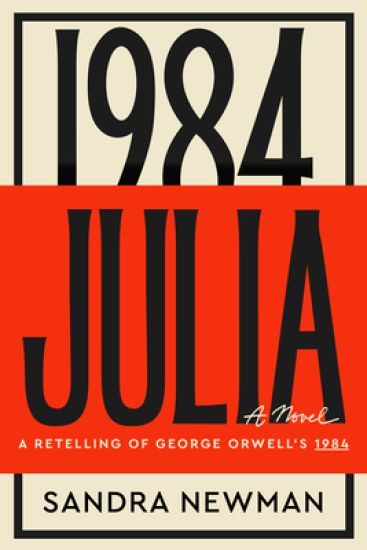
Julia

Julia

Sandra Newman

Mariner Books
2023
sidottu
A PEOPLE Magazine Must-Read Book for Fall 2023 An Esquire Best Book of Fall 2023 A Guardian Biggest New Book of 2023 A LitHub Most Anticipated Book of 2023An imaginative, feminist, and brilliantly relevant-to-today retelling of Orwell's 1984, from the point of view of Winston Smith's lover, Julia, by critically acclaimed novelist Sandra Newman.Julia Worthing is a mechanic, working in the Fiction Department at the Ministry of Truth. It's 1984, and Britain (now called Airstrip One) has long been absorbed into the larger trans-Atlantic nation of Oceania. Oceania has been at war for as long as anyone can remember, and is ruled by an ultra-totalitarian Party, whose leader is a quasi-mythical figure called Big Brother. In short, everything about this world is as it is in Orwell's 1984.All her life, Julia has known only Oceania, and, until she meets Winston Smith, she has never imagined anything else. She is an ideal citizen: cheerfully cynical, always ready with a bribe, piously repeating every political slogan while believing in nothing. She routinely breaks the rules, but also collaborates with the regime when necessary. Everyone likes Julia.Then one day she finds herself walking toward Winston Smith in a corridor and impulsively slips him a note, setting in motion the devastating, unforgettable events of the classic story. Julia takes us on a surprising journey through Orwell's now-iconic dystopia, with twists that reveal unexpected sides not only to Julia, but to other familiar figures in the 1984 universe. This unique perspective lays bare our own world in haunting and provocative ways, just as the original did almost seventy-five years ago.
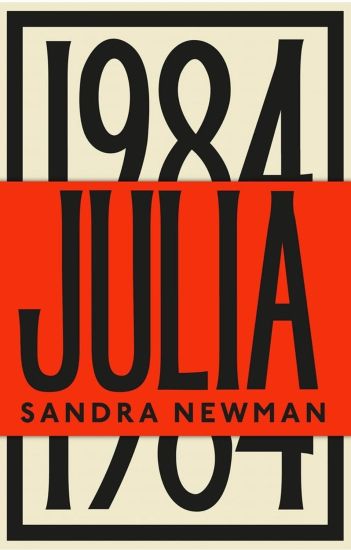
JULIA

JULIA

HARPERCOLLINS PUBLISHERS INC
2024
nidottu
A PEOPLE Magazine Must-Read Book for Fall 2023 An Esquire Best Book of Fall 2023 A Guardian Biggest New Book of 2023 A LitHub Most Anticipated Book of 2023An imaginative, feminist, and brilliantly relevant-to-today retelling of Orwell's 1984, from the point of view of Winston Smith's lover, Julia, by critically acclaimed novelist Sandra Newman.Julia Worthing is a mechanic, working in the Fiction Department at the Ministry of Truth. It's 1984, and Britain (now called Airstrip One) has long been absorbed into the larger trans-Atlantic nation of Oceania. Oceania has been at war for as long as anyone can remember, and is ruled by an ultra-totalitarian Party, whose leader is a quasi-mythical figure called Big Brother. In short, everything about this world is as it is in Orwell's 1984.All her life, Julia has known only Oceania, and, until she meets Winston Smith, she has never imagined anything else. She is an ideal citizen: cheerfully cynical, always ready with a bribe, piously repeating every political slogan while believing in nothing. She routinely breaks the rules, but also collaborates with the regime when necessary. Everyone likes Julia.Then one day she finds herself walking toward Winston Smith in a corridor and impulsively slips him a note, setting in motion the devastating, unforgettable events of the classic story. Julia takes us on a surprising journey through Orwell's now-iconic dystopia, with twists that reveal unexpected sides not only to Julia, but to other familiar figures in the 1984 universe. This unique perspective lays bare our own world in haunting and provocative ways, just as the original did almost seventy-five years ago.