Kirjahaku
Etsi kirjoja tekijän nimen, kirjan nimen tai ISBN:n perusteella.
1000 tulosta hakusanalla Maria Symeou
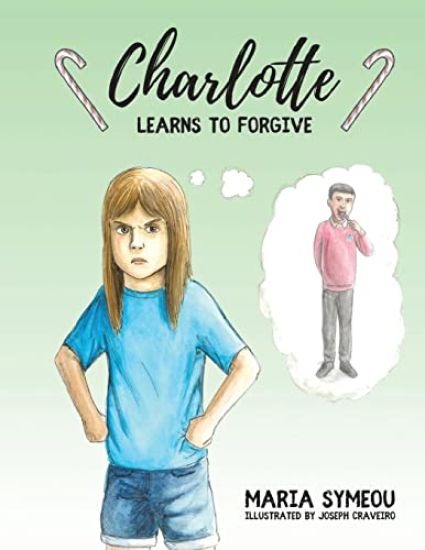
Charlotte is a spirited young girl who is creative, competitive, smart, and sporty. She loves exploring nature and particularly loves animals. She's popular because of her confidence. She likes to be independent and make her own decisions - but does she always make the right one? Be kind - it's what our parents always tell us. Treat others how you want to be treated. This is the lesson that Charlotte will learn along the way. This beautifully illustrated book, with a clever twist, is about the amazing strength and resilience of children when learning about forgiveness and how to make things right again.
In the story, Charlotte has been asked to share one of her two sunflower seeds with the new boy, Charlie. Charlotte knows this will reduce her chance of winning the sunflower competition, which she has been looking forward to the whole year! It's just not fair, why does she have to share her seed? This is causing her much upset! What happens when she reluctantly shares her sunflower seed? Does she become friends with the new boy, or does she dislike him even more? Who wins the sunflower competition? Can she learn that sharing is a gift which brings happiness to others? If you would like to know more about this collection and when the next book will be published, please visit: www.charlottelearningcollection.co.uk
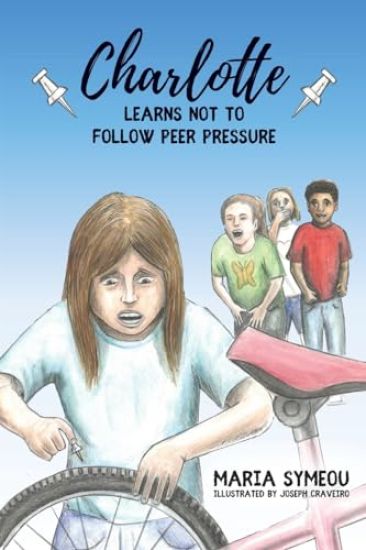
Charlotte is a spirited young girl who is creative, competitive, smart and sporty. She loves exploring nature and particularly loves animals. She's popular because of her confidence. She likes to be independent and make her own decisions - but does she always make the right one? In the story, Charlotte makes the decision to take the advice of her friend and deliberately causes damage to another child's bicycle, despite sensing it wasn't the right choice to make! How will Charlotte feel after she carries out the wrong advice and, more importantly, what will she tell her mum? How will she deal with the guilt of hurting another child by her actions? Can she learn from her mistake and make things right again?
A manifesto on european criminal procedure law : european criminal policy initiative
Petter Asp; Nikolaos Bitzilekis; Sergiu Bogdan; Thomas Elholm; Luigi Foffani; Dan Frände; Helmut Fuchs; Dan Helenius; Maria Kaiafa-Gbandi; Jocelyne Leblois-Happe; Adán Nieto-Martín; Helmut Satzger; Annika Souminen; Elisavet Symeonidou-Kastanidou; Ingeborg Zerbes; Frank Zimmermann
Jure Förlag
2014
nidottu
The European Criminal Policy Initiative (ECPI) proudly presents this volume, which contains "A Manifesto on European Criminal Procedure Law" in five different language versions (English, German, Spanish, Italian and Romanian) as well as short explanatory articles written by members of the ECPI. The manifesto focuses on the cooperation in criminal proceedings within the EU. In the manifesto the ECPI - which was founded in 2008 and is composed of 16 criminal law scholars from ten EU member states - presents a set of principles that should guide and be observed by different EU bodies when legislating in the field of criminal procedure law. The present manifesto follows the "Manifesto on European Criminal Policy" of 2009, which focused on similar guidelines for the European legislature as regards substantive criminal law.
"Maria", e uno dei primi racconti di Stefano Centrone. Autore emergente che vuole dire anche lui la sua attraverso i suoi racconti. Scrittore e poeta tra i piu giovani, entrato da poco nel mondo della letteratura, ha tanto da condividere attraverso i suoi pensieri. Ma qui lo troviamo in veste di scrittore. Attraverso questa veste vuole raccontare le sue storie, i suoi racconti: alcuni inventati, altri con una nota di realta.Il racconto "Maria", e uno di quest'ultimi: un misto di realta e fantasia, dove i personaggi e i luoghi fanno e hanno fatto parte della vita dell'autore.Infatti, il protagonista maschile Stefano non a caso porta il suo nome; mentre il personaggio femminile Maria e tratto dalla sua fantasia.In questo racconto, il terzo protagonista e l'amore, l'amore sotto ogni forma di positivita. Un amore che pero' viene interrotto in modo drammatico e che finira con la morte di uno dei due personaggi della storia.
Her story of a woman incarcerated in a madhouse by her abusive husband dramatizes the effect of the English marriage laws, which made women virtually the property of their husbands.
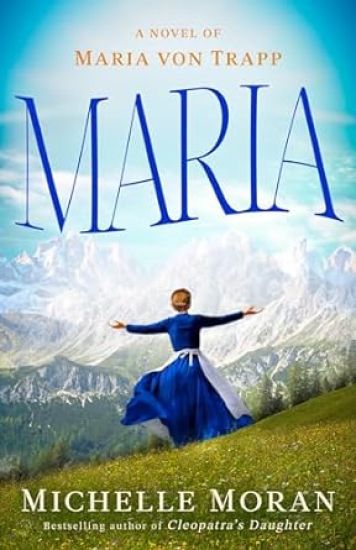
Maria von Trapp. You know the name and the iconic songs, but do you know her real story? This dramatic novel, based on the woman glamorized in The Sound of Music, brings Maria to life as never before. In the 1950s, Oscar Hammerstein is asked to write the lyrics to a musical based on the life of a woman named Maria von Trapp. He's intrigued to learn that she was once a novice who hoped to live quietly as an Austrian nun before her abbey sent her away to teach a widowed baron's sickly child. What should have been a ten-month assignment, however, unexpectedly turned into a marriage proposal. And when the family was forced to flee their home to escape the Nazis, it was Maria who instructed them on how to survive using nothing but the power of their voices. It's an inspirational story, to be sure, and as half of the famous Rodgers & Hammerstein duo, Hammerstein knows it has big Broadway potential. Yet much of Maria's life will have to be reinvented for the stage, and with the horrors of war still fresh in people's minds, Hammerstein can't let audiences see just how close the von Trapps came to losing their lives. But when Maria sees the script that is supposedly based on her life, she becomes so incensed that she sets off to confront Hammerstein in person. Told that he's busy, she is asked to express her concerns to his secretary, Fran, instead. The pair strike up an unlikely friendship as Maria tells Fran about her life, contradicting much of what will eventually appear in The Sound of Music. A tale of love, loss, and the difficult choices that we are often forced to make, Maria is a powerful reminder that the truth is usually more complicated--and certainly more compelling--than the stories immortalized by Hollywood.
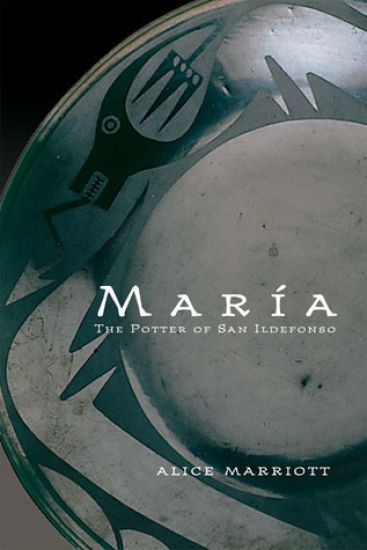
María: The Potter of San Ildefonso is the story of María Martínez and her husband, Julián, who revived the ancient Pueblo craft of pottery-making and stimulated interest in Southwestern Pueblo pottery among both white people and Indians.María Montoya Martínez, or Marie, as she sometimes signs her pottery, is a woman who has become in her own lifetime a legend. She lives in the pueblo of San Ildefonso, near Santa Fé, New Mexico, and although her life has been, as closely as she could make it, the normal life of a woman of her culture, her unusual qualities have set her apart and gained her fame throughout the world.Through her mastery of pottery-making, María brought economic gain to her family and her village. However, distressing problems accompanied success and fame. Liquor ultimately wrecked Julían. There was dissension within the pueblo. And there was the succession of admiring white people who invaded her home and interrupted her work. Not least, in María view, was the departure of her own children from many Pueblo customs.Inextricably woven into the story of María is the story of the pottery of the Southwestern Pueblos, a native craft that has become a national art interest, including the development of the unique black-on-black ware by Julián, the first of which is reproduced among the illustrations.Margaret Lefranc's many accurate drawings of actual pieces of pottery provide an almost complete documentary history of the craft and show some of the finest examples of María's art. Her skilled pen has also interpreted faithfully the spirit of María, the Pueblo Indians, and the pottery.
The 18th century was a wealth of knowledge, exploration and rapidly growing technology and expanding record-keeping made possible by advances in the printing press. In its determination to preserve the century of revolution, Gale initiated a revolution of its own: digitization of epic proportions to preserve these invaluable works in the largest archive of its kind. Now for the first time these high-quality digital copies of original 18th century manuscripts are available in print, making them highly accessible to libraries, undergraduate students, and independent scholars.Delve into what it was like to live during the eighteenth century by reading the first-hand accounts of everyday people, including city dwellers and farmers, businessmen and bankers, artisans and merchants, artists and their patrons, politicians and their constituents. Original texts make the American, French, and Industrial revolutions vividly contemporary.++++The below data was compiled from various identification fields in the bibliographic record of this title. This data is provided as an additional tool in helping to insure edition identification: ++++Library of CongressW026040Half-title: Maria: or, The wrongs of woman. Preface signed: W. Godwin. Error in paging: p. 203 misnumbered 165.Philadelphia: Printed by James Carey, no. 16, Chesnut-Street, 1799. xii, 1],14-232p.; 12