

Kirjahaku
Etsi kirjoja tekijän nimen, kirjan nimen tai ISBN:n perusteella.
1000 tulosta hakusanalla Robin Stow
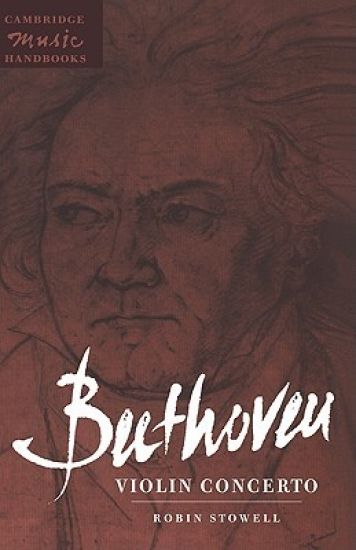
Beethoven’s Violin Concerto was the only significant work of this genre to appear between Mozart’s five concertos of 1775 and Mendelssohn’s E minor Concerto of 1844. This handbook explores the background to Beethoven’s work, its genesis, its place in the composer’s oeuvre and the influences which combined in its creation. It describes contemporary reactions to the work both in the musical press and in the concert hall during its first crucial years, and explains how it was eventually accepted into the repertory, spawning numerous recordings and editions. The principal sources and many of the work’s textual problems are considered, including discussion of the composer’s version for piano and orchestra, Op. 61a. A detailed account of the work itself is followed by a review of the wide variety of cadenzas that have been written to complement the concerto through its performance history.

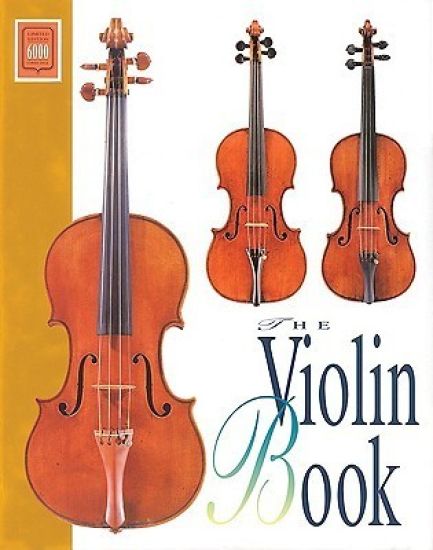
This lavish book features breathtaking color photos of the finest violins and bows from makers of every era -- from Stradivari and other Cremona masters to modern high-tech instruments. Detailed essays from international experts cover topics including profiles of the great players and their instruments; techniques of the classic builders; the marketplace of dealers, auction houses, and great collections; and the repertoire for the violin, with suggested classic recordings.
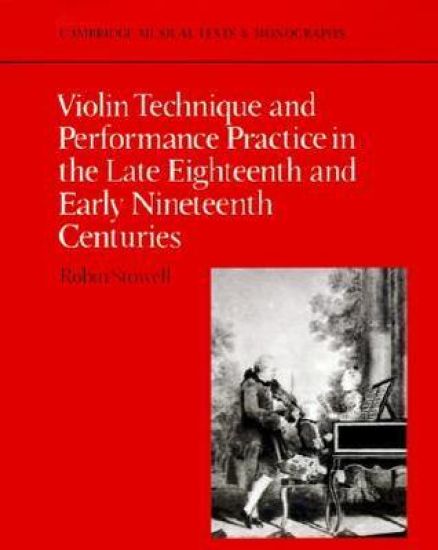
Violin Technique and Performance Practice in the Late Eighteenth and Early Nineteenth Centuries
Stowell Robin
Cambridge University Press
1990
pokkari
This volume is one of the first to examine in detail the numerous violin treatises of the late-eighteenth and early-nineteenth centuries. It provides a scholarly historical and technical guide to violin pedagogical method, technique and performance practice during the most critical period in the history of the instrument. Extracts in translation from the most significant and authoritative sources are presented with introductions, commentary, illustrations, extensive musical examples and a glossary of specific ornaments. It will be of interest and use to students, performers, and historians.
Beethoven’s Violin Concerto was the only significant work of this genre to appear between Mozart’s five concertos of 1775 and Mendelssohn’s E minor Concerto of 1844. This handbook explores the background to Beethoven’s work, its genesis, its place in the composer’s oeuvre and the influences which combined in its creation. It describes contemporary reactions to the work both in the musical press and in the concert hall during its first crucial years, and explains how it was eventually accepted into the repertory, spawning numerous recordings and editions. The principal sources and many of the work’s textual problems are considered, including discussion of the composer’s version for piano and orchestra, Op. 61a. A detailed account of the work itself is followed by a review of the wide variety of cadenzas that have been written to complement the concerto through its performance history.
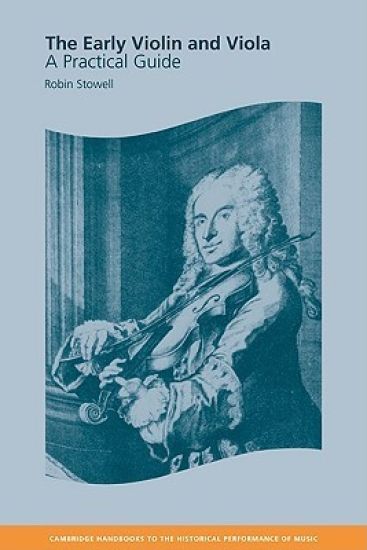
This practical guide is intended for all violinists and viola players who wish to give - or to understand and appreciate - historically aware performances of early music for their instruments. It comprises discussion of the literature, history and repertory of the violin and viola, the myriad relevant primary sources and their interpretation, and the various aspects of style and technique that combine to make up well-grounded, period performances. It also considers various related family instruments, contains practical advice on the acquisition of appropriate instruments, and offers suggestions for further reading and investigation. Many of the principles outlined are put into practice in case studies of six works composed c.1700–c.1900, the core period which forms this series’ principal (though not exclusive) focus. Music by Corelli, Bach, Haydn, Beethoven, Mendelssohn and Brahms is examined with a view to recreating performances as faithful as possible to the composer’s original intention.
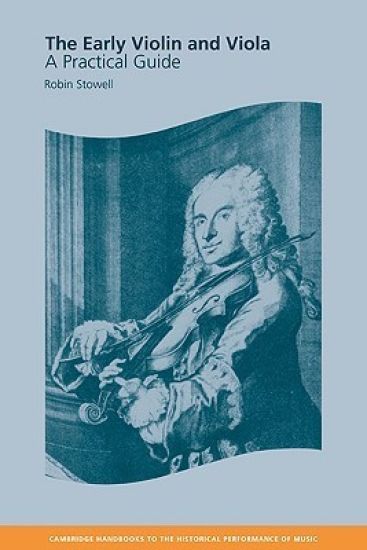
This practical guide is intended for all violinists and viola players who wish to give - or to understand and appreciate - historically aware performances of early music for their instruments. It comprises discussion of the literature, history and repertory of the violin and viola, the myriad relevant primary sources and their interpretation, and the various aspects of style and technique that combine to make up well-grounded, period performances. It also considers various related family instruments, contains practical advice on the acquisition of appropriate instruments, and offers suggestions for further reading and investigation. Many of the principles outlined are put into practice in case studies of six works composed c.1700–c.1900, the core period which forms this series’ principal (though not exclusive) focus. Music by Corelli, Bach, Haydn, Beethoven, Mendelssohn and Brahms is examined with a view to recreating performances as faithful as possible to the composer’s original intention.
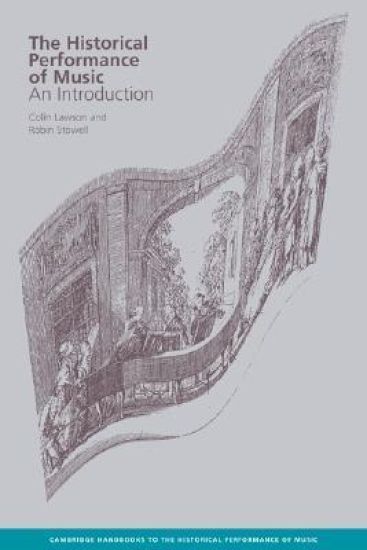
The Historical Performance of Music
Lawson Colin; Stowell Robin
Cambridge University Press
1999
sidottu
Offering students and performers a concise overview of historical performance, this book takes into account the many significant developments in the discipline, particularly during the last decade. It addresses practical matters rather than philosophical issues and guides readers towards further investigation and interpretation of the evidence provided, not only in the various early instrumental and vocal treatises, but also in examples from the mainstream repertory. Designed as a parent volume for the series Cambridge Handbooks to the Historical Performance of Music, this book provides an historical basis for artistic decision-making which has as its goal the re-creation of performances as close as possible to the composer’s original conception. It relates many of the issues discussed to major works by Bach, Mozart, Berlioz and Brahms, composed c. 1700–c. 1900, the core period which forms the principal (though not exclusive) focus for the whole series.
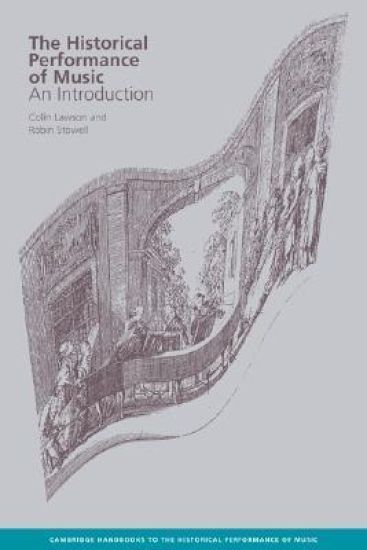
The Historical Performance of Music
Lawson Colin; Stowell Robin
Cambridge University Press
1999
pokkari
Offering students and performers a concise overview of historical performance, this book takes into account the many significant developments in the discipline, particularly during the last decade. It addresses practical matters rather than philosophical issues and guides readers towards further investigation and interpretation of the evidence provided, not only in the various early instrumental and vocal treatises, but also in examples from the mainstream repertory. Designed as a parent volume for the series Cambridge Handbooks to the Historical Performance of Music, this book provides an historical basis for artistic decision-making which has as its goal the re-creation of performances as close as possible to the composer’s original conception. It relates many of the issues discussed to major works by Bach, Mozart, Berlioz and Brahms, composed c. 1700–c. 1900, the core period which forms the principal (though not exclusive) focus for the whole series.

Cargo handling and stowage play a crucial role in the safe and efficient transportation of goods by sea. Ships are specifically designed to carry different types of cargoes, such as liquid cargoes like crude oil, diesel, LPG, LNG, lubricating oil, and naphtha. Each type of cargo requires specific handling techniques and stowage methods to ensure its safety during transport. Cargo handling involves a range of activities, from the initial loading of the cargo onto the vessel to its discharge at the destination port. This process requires careful planning, coordination, and adherence to safety protocols.The book covers a wide range of topics, from cargo planning and stowage principles to the latest industry regulations and best practices. With its practical insights and detailed illustrations, it serves as an indispensable resource for those involved in the transportation and management of goods at sea. This book is an essential reference work for professionals in the maritime and logistics industries.



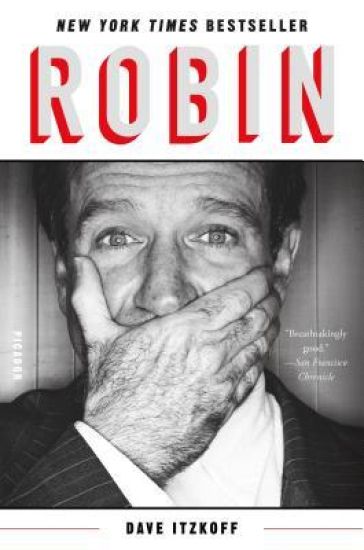
A NEW YORK TIMES BESTSELLER A NEW YORK TIMES BOOK REVIEW EDITOR'S CHOICEA SAN FRANCISCO CHRONICLE BEST BOOK OF THE YEARA VULTURE BEST BOOK OF THE YEAR "A generous, appreciative biography of Robin Williams by a New York Times culture reporter. The author, who had access to Williams and members of the comedian's family, is an unabashed fan but doesn't shy away from the abundant messiness in his subject's personal life."--The New York Times Book Review From New York Times culture reporter Dave Itzkoff, the definitive biography of Robin Williams - a compelling portrait of one of America's most beloved and misunderstood entertainers. From his rapid-fire stand-up comedy riffs to his breakout role in Mork & Mindy and his Academy Award-winning performance in Good Will Hunting, Robin Williams was a singularly innovative and beloved entertainer. He often came across as a man possessed, holding forth on culture and politics while mixing in personal revelations - all with mercurial, tongue-twisting intensity as he inhabited and shed one character after another with lightning speed. But as Dave Itzkoff shows in this revelatory biography, Williams's comic brilliance masked a deep well of conflicting emotions and self-doubt, which he drew upon in his comedy and in celebrated films like Dead Poets Society; Good Morning, Vietnam; The Fisher King; Aladdin; and Mrs. Doubtfire, where he showcased his limitless gift for improvisation to bring to life a wide range of characters. And in Good Will Hunting he gave an intense and controlled performance that revealed the true range of his talent. Itzkoff also shows how Williams struggled mightily with addiction and depression - topics he discussed openly while performing and during interviews - and with a debilitating condition at the end of his life that affected him in ways his fans never knew. Drawing on more than a hundred original interviews with family, friends, and colleagues, as well as extensive archival research, Robin is a fresh and original look at a man whose work touched so many lives.
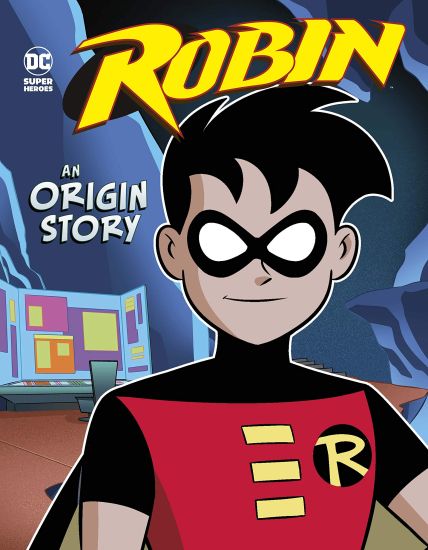
How did Robin become Batman's crime-fighting partner? Discover the story behind the Boy Wonder's journey from typical teenager to superhero sidekick, including the source of his acrobatic skills. With action-packed illustrations and easy-to-follow text, these early reader books are perfect for young superhero fans.
How did Robin become Batman's crime-fighting partner? Discover the story behind the Boy Wonder's journey from typical teenager to superhero sidekick, including the source of his acrobatic skills. With action-packed illustrations and easy-to-follow text, these early reader books are perfect for young superhero fans.