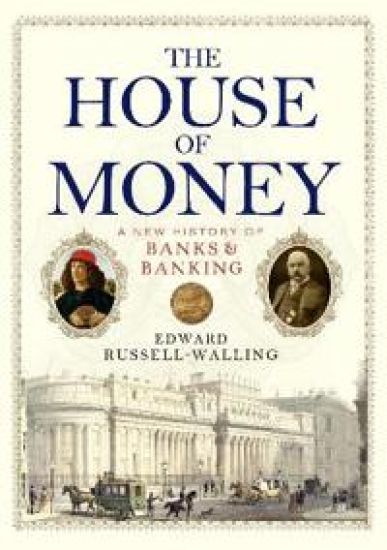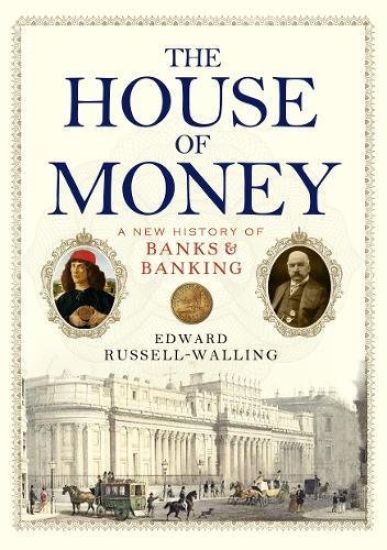
In the unfolding drama of the global financial crisis of 2007-2010, bankers have been cast in the role of the bad guys: greedy risk-takers whose speculative investments triggered the worst recession since the 1930s; bloated 'fat cats' living in a bonus-cushioned bubble divorced from the day-to-day financial struggles of ordinary mortals... It was ever thus. Throughout their 600-year history, banks have been courted by princes, potentates, entrepreneurs and statesmen - but also loathed and feared for the breadth of their power and reach. We despise banks with a passion born of dependence, for they are the beating heart that keeps money circulating around our lives and our economies. Our history is inseparable from the history of moneylenders. The House of Money traces that history though the stories of the world's great banking houses, from the Medici family of 14th-century Florence to Goldman Sachs of 21st-century Wall Street, much-feared epitome of the modern investment banking house. Each bank is set clearly in historical context and its influence on financial and broader political history explained and assessed. The book also includes special features on the biggest deals and biggest crashes in financial history, from the loan made by the Bardi family to Edward III of England to finance his ruinously expensive wars with France (and which bankrupted the Italian family), to the financing of the Japanese industrial revolution by British banks in the early 20th century and the sensational fall of Lehman Brothers Holdings Inc. in 2008.