Niels Bohr was a central figure in quantum physics, well known for his work on atomic structure and his contributions to the Copenhagen interpretation of quantum mechanics. In this book, philosopher of science Slobodan Perovic explores the way Bohr practiced and understood physics and analyzes its implications for our understanding of modern science. Perovic develops a novel approach to Bohr’s understanding of physics and his method of inquiry, presenting an exploratory symbiosis of historical and philosophical analysis that uncovers the key aspects of Bohr’s philosophical vision of physics within a given historical context. To better understand the methods that produced Bohr’s breakthrough results in quantum phenomena, Perovic clarifies the nature of Bohr’s engagement with the experimental side of physics and lays out the basic distinctions and concepts that characterize his approach. Rich and insightful, Perovic’s take on the early history of quantum mechanics and its methodological ramifications sheds vital new light on one of the key figures of modern physics.
This volume tells the untold story of how observations of the cosmic microwave background radiation were interpreted in the decades following its serendipitous discovery, before the Hot Big Bang model became the accepted orthodoxy. The authors guide the reader through this history, including the many false trails and blind alleys that occurred along the way. Readers will discover how the Big Bang theory was shaped by alternative theories that exposed its weaknesses – including some that persist even today. By looking carefully at what it takes to reject an incorrect theory and the assumptions and processes at each stage, the authors examine the epistemological factors at play between an emerging scientific orthodoxy and since discarded alternatives. Their analysis of the cosmic microwave background provides a uniquely well-documented case study of theory building for a wide readership spanning cosmology, the history of physics and astronomy, and the philosophy of science more broadly.
Electrochemical energy storage principles, applications, and best practicesThis engineering textbook defines the taxonomy of electrochemical energy storage technologies, explains the principles, clarifies mechanisms, quantifies performance, and matches it with applications for electromobility and in renewable energy systems. With 330 equations and over 100 figures, this intensely analytical and at the same time thoroughly descriptive text is intended to help fully understand batteries, hydrogen, and fuel cells, while giving concise insight into electrochemical capacitors and flow batteries. Written by a team of recognized academics, Electrochemical Energy Storage meets the needs of experienced engineers as well as novices in the field through careful articulation of fundamental scientific principles interlaced with comprehensive practical analysis of batteries, fuel cells, and other technologies.Coverage includes:An introduction to electrochemistryBattery performance factorsAccelerated lifetime testingLead-acid batteriesNickel batteriesSilver batteriesAqueous metal-air batteriesLithium batteriesHydrogen storageHydrogen production and purificationWater electrolysisFuel cellsSupercapacitorsRedox flow batteries
This book is a concise introductory guide to understanding the field of modern batteries, which is fast becoming an important area for applications in renewable energy storage, transportation, and consumer devices. By using simplified classroom-tested methods developed while teaching the subject to engineering students, the author explains in simple language an otherwise complex subject in terms that enable readers to gain a rapid understanding of battery basics and the fundamental scientific and engineering concepts and principles behind the technology. This powerful tutorial is a great resource for engineers from other disciplines, technicians, analysts, investors, and other busy professionals who need to quickly acquire a solid understanding of the fast emerging and disruptive battery landscape.
This book is a concise introductory guide to understanding the field of modern batteries, which is fast becoming an important area for applications in renewable energy storage, transportation, and consumer devices. By using simplified classroom-tested methods developed while teaching the subject to engineering students, the author explains in simple language an otherwise complex subject in terms that enable readers to gain a rapid understanding of battery basics and the fundamental scientific and engineering concepts and principles behind the technology. This powerful tutorial is a great resource for engineers from other disciplines, technicians, analysts, investors, and other busy professionals who need to quickly acquire a solid understanding of the fast emerging and disruptive battery landscape.
This book is a concise introductory guide to understanding the foundations of electrochemistry. By using simplified classroom-tested methods developed while teaching the subject to engineering students, the author explains in simple language an otherwise complex subject that can be difficult to master for most. It provides readers with an understanding of important electrochemical processes and practical industrial applications, such as electrolysis processes, metal electrowinning, corrosion and analytical applications, and galvanic cells such as batteries, fuel cells, and supercapacitors. This powerful tutorial is a great resource for students, engineers, technicians, and other busy professionals who need to quickly acquire a solid understanding of the science of electrochemistry.
This book is a concise introductory guide to understanding the foundations of electrochemistry. By using simplified classroom-tested methods developed while teaching the subject to engineering students, the author explains in simple language an otherwise complex subject that can be difficult to master for most. It provides readers with an understanding of important electrochemical processes and practical industrial applications, such as electrolysis processes, metal electrowinning, corrosion and analytical applications, and galvanic cells such as batteries, fuel cells, and supercapacitors. This powerful tutorial is a great resource for students, engineers, technicians, and other busy professionals who need to quickly acquire a solid understanding of the science of electrochemistry.
This concise guide provides the first complete overview of renewable energy technologies in Cuba and their current capabilities and prospects. Coverage includes generation and storage systems, renewable energy installations (hydropower, solar PV, wind, biomass, ocean, and solar thermal), electrical grid history and characteristics, and an analysis of Cuba’s electrical energy resiliency.
This book is a concise reader-friendly introductory guide to understanding renewable energy technologies. By using simplified classroom-tested methods developed while teaching the subject to engineering students, the authors explain in simple language an otherwise complex subject in terms that enable readers to gain a rapid fundamental understanding of renewable energy, including basic principles, the different types, energy storage, grid integration, and economies. This powerful tutorial is a great resource for students, engineers, technicians, analysts, investors, and other busy professionals who need to quickly acquire a solid understanding of the science of renewable energy technology.
This book is a concise reader-friendly introductory guide to understanding renewable energy technologies. By using simplified classroom-tested methods developed while teaching the subject to engineering students, the authors explain in simple language an otherwise complex subject in terms that enable readers to gain a rapid fundamental understanding of renewable energy, including basic principles, the different types, energy storage, grid integration, and economies. This powerful tutorial is a great resource for students, engineers, technicians, analysts, investors, and other busy professionals who need to quickly acquire a solid understanding of the science of renewable energy technology.
In Slobodan Milosevic and the Destruction of Yugoslavia former U.S. foreign service officer Louis Sell fills a gap in the literature on the Yugoslav conflicts by covering both the domestic Yugoslav side of the collapse and the history and consequences of international interventions in the wars in Slovenia and Croatia in 1991, Bosnia in 1992–1995, and Kosovo from 1998–1999. Sell focuses on the life and career of Milosevic, from the perspective of both a diplomatic insider intimately familiar with the region and a scholar who has researched all the available English and Serbo-Croatian sources.Sell spent much of his diplomatic career in Eastern Europe and Russia, including eight years in Yugoslavia between 1974 and 2000, and witnessed the events that contributed to the dissolution and ultimate destruction of Yugoslavia. In Slobodan Milosevic and the Destruction of Yugoslavia he provides first-hand observations of Milosevic from the heady days of his rise to power and, later, in the endgame of the Bosnian war, including the Dayton Peace Conference. Drawing on a wide range of published material as well as interviews with Yugoslav and foreign participants, Sell covers such areas as Milosevic’s relationship to the military, his responsibility for war crimes, his methods of persuasion and negotiation, and his notoriously explosive personality.
Focusing on the life and career of Slobodan Milosevic from the perspective of both a diplomatic insider and a scholar, this text provides first-hand observations of Milosevic during his rise to power and, later, in the endgame of the Bosnian war.
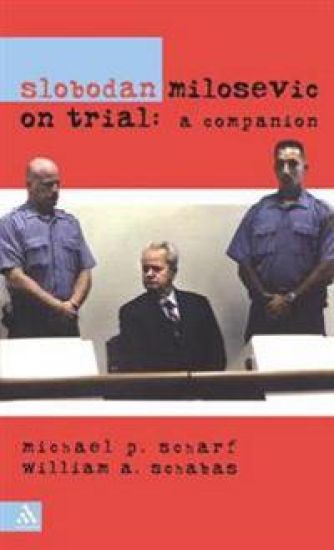
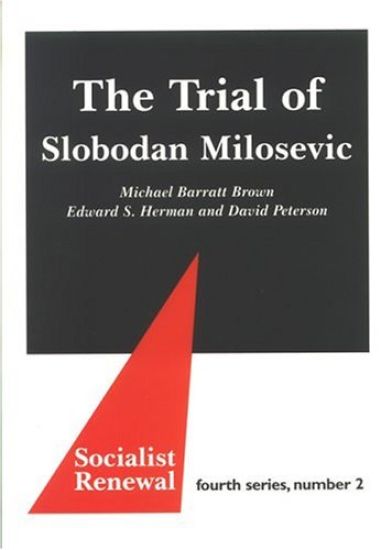
From 1991 to 1999, Slobodan Milosevic launched and ultimately lost four Balkan wars, resulting in the deaths of hundreds of thousands and the displacement of millions. He saw himself as a modern day Abraham Lincoln, employing force in a valiant effort to hold his crumbling Yugoslavia together. But his tactics included systematic war crimes and ethnic cleansing, ultimately prompting the US and its NATO allies to launch a controversial military intervention in the spring of 1999 to halt the bloodshed. Written while Milosevic sat in a tiny jail cell in The Hague, awaiting the start of his trial before the UN-created International War Crimes Tribunal, this book is designed for anyone who wants to know more about the historic, unprecedented and complex trial of the first former head of state ever to face international justice.
Proteklih desetak godina citam na internetu i slusam od mladjih kolega razlicite informacije o arhitekturi osamde¬setih, posebno o onome sto je radila grupa MEC kojoj sam tada pripadao. Posle protoka nekoliko decenija, shvatio sam da danas postoje neki novi "istoricari arhi¬tekture" u Srbiji koji uzimaju pravo i smatraju se kompe¬tentnim da arbitriraju u istoriji nase arhitekture, pa cak i da menjaju njene tokove. Tako, na primer, postoji teorija da nije postojala samo jedna grupa MEC, vec dve, a mozda i tri. Neki arhitekti, verovat¬no racunajuci na zaborav nase sredine, sami sebe svrsta¬vaju u okrilje grupe MEC, predstavljajuci se za avangardu nase postmoderne. Mozda me ovakve iskrivljene teorije ne bi mnogo zanimale, medjutim, vremenom sam shvatio da kada su takve neistine vise puta konstantno ponovlje¬ne tokom duzeg vremenskog perioda, postepeno, niko¬me vise nije bitno da li su to istorijske cinjenice ili plod necije maste. Pogotovo, kada ovakve neistine poticu od ljudi za koje postoji pretpostavka da su autoritarni i "ne-prikosnoveni" istoricari. U tom slucaju, tesko je odbraniti istinu. Zbog toga sam 2015. godine konkurisao kod svih najznacajnijih srpskih institucija u kulturi za organizaciju izlozbe pod naslovom: Slobodan Maldini, "Grupa M.E.C. 1980-2015, kriticka retrospektiva". U medjuvremenu, 2016. godine sam odlucio da povo¬dom Salona arhitekture u Muzeju primenjene umetno¬sti u Beogradu priredim razgovor na temu "Slucaj grupe MEC." Na razgovor sam pozvao nase poznate istoricare umetnosti: Biljanu Tomic, Ljiljanu Blagojevic, Zorana Lazovica, Miska Suvakovica i dvojicu predstavnika gru¬pe MEC: Mustafu Musica i Stevana Zutica. U razgovoru su tada ucestvovali i bili prisutni mnogi nasi poznati arhitekti, medju kojima i: Predrag Ristic, Milos R. Perovic, Milan Lojanica, Bojan Kovacevic. Tom prilikom, svi smo iskazali svoje stavove o vremenu zacetaka postmoderne arhitekture u Srbiji, posebno o radu i doprinosu razvoju srpske arhitekture koji je nacinila grupa MEC. Medjutim, i nakon ovog razgovora neki medju prisutnima su ostali skeptici u svom stavu o radu i uticaju grupe MEC. 2017. godine Ministarstvo kulture je odobrilo budzet za organizovanje izlozbe grupe MEC u Muzeju savre¬mene umetnosti u Beogradu. Medjutim, buduci da sam ja, kao autor ove izlozbe ujedno i clan grupe MEC, a da izlozba u nazivu ima opis "kriticka retrospektiva", pretpostavljeno je da ja ne mogu da budem kritican u istorijskom predstavljanju dela grupe MEC. Zbog toga, sam za kustosa izlozbe predlozio Biljanu Tomic, istoricara umetnosti, dugogodisnjeg prijatelja, saradnika i kustosa na najnacajnijim izlozbama grupe. Nazalost, tim sam se odrekao svog vec pripremljenog teksta za stampanje u monografiji povodom izlozbe. Ali, radostan sam zbog cinjenice da je tekst o grupi MEC priredila Biljana Tomic. Prema zajednickom konceptu, izlozbu je trebalo da prati monografija grupe MEC. Za ovu monografiju tekstove su priredili: kustoskinja Biljana Tomic, slovenacki arhitekta Jurij Kobe, hrvatski arhitekta Nikola Polak, beogradski doajen arhitekture Milan Lojanica. Sadrzaj knjige cine pet automonografija clanova grupe MEC: Marjana Cehovina, Mustafe Musica, Dejana Ecimovica, Stevana Zutica i Slobodana Maldinija. Medjutim, nakon izrade sadrzaja, doslo je do promene koncepcije knjige. Monografija je pretvorena u zbornik tekstova kriticara, a automonografije ucesnika izlozbe su postale suvisne. Ove koncepcijske promene pratila su brojna neslaganja medju ucesnicima projekta - clanovima grupe MEC, kustoskinje i predstavnika Muzeja savremene umetnosti. Novonastala situacija dovela je do odlaganja projekta. U tim okolnostima, odlucio sam da samostalno objavim svoj automonografski deo koji sam prethodno namenio za objavljivanje u zajednickoj monografiji grupe MEC. Ova knjiga je rezultat te odluke.
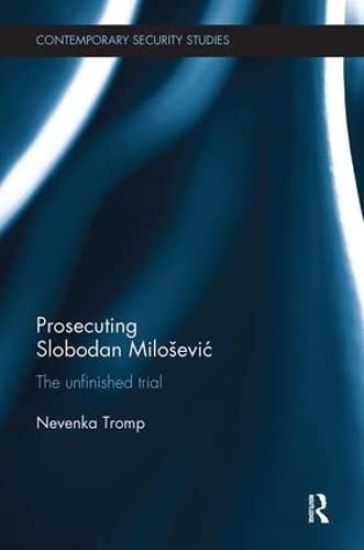
This book offers a comprehensive analysis of the trial of former Serbian leader Slobodan Miloševic at the International Criminal Tribunal for the former Yugoslavia (ICTY). With the premature death of Miloševic in March 2006 his trial was left unfinished. Although the traditional objectives of criminal law, such as retribution, justice for victims, and deterrence, were not achieved, the Miloševic trial archive is a significant historical resource for researchers from various fields. This book extracts details from the collection of documentary and transcript evidence that makes up the trial record – sources which would be almost impossible to extricate without an insider’s guiding hand – to allow readers to trace the threads of several historical narratives. The value of this methodology is particularly evident in the Miloševic case as, acting as his own defence counsel, he responded to, and interacted with, almost all witnesses and evidence presented against him. By providing snapshots of the behaviour displayed by Miloševic in court while conducting his defence, in combination with passages of carefully selected evidence from an immense archive familiar to few scholars, this volume reveals how these trial records, and trail records in general, are a truly invaluable historical source. The book underlines the premise that any record of a mass atrocities trial, whether finished or unfinished, establishes a record of past events, contributes to interpretations of a historical period and influences the shaping of collective memory.This book will be of much interest to students of the Former Yugoslavia, war crimes, international law, human rights, international relations and European politics.
This book offers a comprehensive analysis of the trial of former Serbian leader Slobodan Miloševic at the International Criminal Tribunal for the former Yugoslavia (ICTY). With the premature death of Miloševic in March 2006 his trial was left unfinished. Although the traditional objectives of criminal law, such as retribution, justice for victims, and deterrence, were not achieved, the Miloševic trial archive is a significant historical resource for researchers from various fields. This book extracts details from the collection of documentary and transcript evidence that makes up the trial record – sources which would be almost impossible to extricate without an insider’s guiding hand – to allow readers to trace the threads of several historical narratives. The value of this methodology is particularly evident in the Miloševic case as, acting as his own defence counsel, he responded to, and interacted with, almost all witnesses and evidence presented against him. By providing snapshots of the behaviour displayed by Miloševic in court while conducting his defence, in combination with passages of carefully selected evidence from an immense archive familiar to few scholars, this volume reveals how these trial records, and trail records in general, are a truly invaluable historical source. The book underlines the premise that any record of a mass atrocities trial, whether finished or unfinished, establishes a record of past events, contributes to interpretations of a historical period and influences the shaping of collective memory.This book will be of much interest to students of the Former Yugoslavia, war crimes, international law, human rights, international relations and European politics.
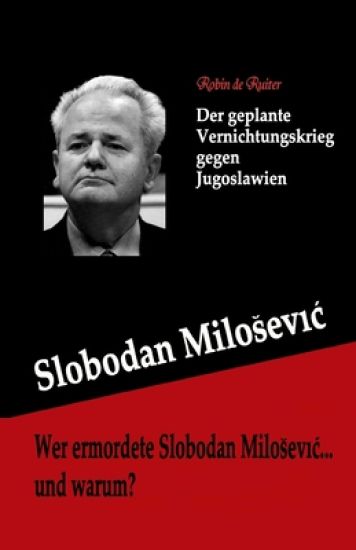
In den 1990er Jahren war die Welt Zeuge einer langj hrigen Krise in Jugoslawien und eines gr ulichen B rgerkrieges in Kroatien, Bosnien-Herzegowina und Kosovo. Offiziell heisst es, der jugoslawische Pr sident Slobodan Milosevic tr umte von einem Grosserbien. Er und das serbische Volk haben den brutalen imperialen Krieg auf dem Balkan vom Zaun gebrochen. Eine n here Untersuchung nach den wichtigen Ursachen der Krise auf dem Balkan l sst in erster Instanz erkennen, dass die gr sste Verantwortung f r die Zerst rung Jugoslawiens nicht bei Serbien unter Pr sident Milosevic, sondern bei der Regierung der Vereinigten Staaten und den NATO-L ndern lag. Es gibt eine verborgene Agenda, von der der normale B rger nichts wissen soll. Mit Hilfe unserer "Ehrenwerten" Politiker, suchen die wirklichen Machthaber der Welt zusammen mit den m chtigsten Multis einen Zugang zu den postsowjetische Staaten und den ehemaligen zentralasiatischen Republiken. Das geheime Projekt betrifft die Herstellung eines Zirkels der Instabilit t, des Chaos und der Gewalt, der sich von Libanon, Pal stina und Syrien ber den Irak, den Persischen Golf und den Iran bis an die Grenzen des von der NATO besetzten Afghanistan erstreckt. Es geht dabei nicht nur um den Zugriff auf Erd l und Erdgas, sondern ebenfalls um die Erweiterungsabsichten der NATO bis zu den Grenzen Russlands. Die NATO kreist Russland immer weiter ein. Es ist wichtig zu verstehen, dass der Nahe Osten der s dliche G rtel Zentralasiens ist. Zentralasien wiederum wird auch als Russlands s dlicher G rtel bezeichnet. Es ist absolut kein Zufall, dass bei allen bestehenden und noch geplanten ltrajekten immer B rgerkriege w ten. Nicht nur der Krieg gegen Afghanistan, der Irak-Krieg der Libyen-Krieg, der B rgerkrieg in Syrien und der B rgerkrieg in der Ukraine wurden mit falschen Argumenten ausgel st, auch der Krieg gegen Serbien unter Pr sident Milosevic wurde durch Falschaussagen und L gen ausgel st. Der Hauptgrund des Konflikts auf dem Balkan d rfte wohl in dem Umstand zu suchen sein, dass Jugoslawien am Kreuzungspunkt dreier bedeutsamer Transportwege in Europa liegt: der Donau, der Nord-S d- und der Ost-West-Verbindung. Diese Korridore sollen die Kan le bilden, ber die zuk nftig Gas und l in den Westen geleitet werden. Die Kontrolle ber die gewaltigen asiatischen lvorr te (Kaukasus, Kaspisches Meer usw.), ber die bestehenden Pipelines, ber die Donau und die Energiekorridore 8/10, welche durch Kroatien, Serbien, Mazedonien und Albanien geplant sind, war die wirkliche Ursache des Krieges auf dem Balkan. Bis zum letzten Atemzug k mpfte Pr sident Milosevic f r die Wahrheit ber die Zerst rung Jugoslawiens, geistig und moralisch ungebrochen. Nur die m rderische NATO-Maschinerie in Den Haag konnte ihn brechen.
Digital Control of Electrical Drives offers insight into electric drives and their usage in motion control environment. It provides links among electrical machine and control theory, practical hardware aspects, programming issues, and application-specific problems. The book prepares the reader to understand the key elements of motion control systems, analyze and design discrete-time speed and position controllers, set adjustable feedback parameters, and evaluate closed-loop performances. Basic engineering principles are used to derive the controller structure in an intuitive manner, so that designs are easy to comprehend, modify, and extend. Digital Control of Electrical Drives helps the reader acquire practical skills in designing discrete-time speed and position controllers. Each chapter is followed by a set of Matlab® and Simulink® tools which help readers master the phases of design, tuning, simulation, and evaluation of discrete time controllers, and foresee the effects of control solution on the overall motion control system. Readers will also understand the present performance limits of digital motion controllers.