Kirjahaku
Etsi kirjoja tekijän nimen, kirjan nimen tai ISBN:n perusteella.
1000 tulosta hakusanalla Tracy Gardner
In this Avery Ayers Antique Mystery series debut, perfect for fans of Ellery Adams and Jane K. Cleland, an antiques appraiser hunts a missing gem while probing her parents' deaths. After their parents' deaths, Avery Ayers takes over the family business, Antiquities & Artifacts Appraised. L, from the home office in Lilac Grove and a branch in Manhattan. Now living back at home with her younger sister Tilly and their newly moved-in, eccentric Aunt Midge and her Afghan hound, Avery's life is filled with jewels, tapestries, paintings, and rare finds. But their world is rocked when Avery learns that the theft of a priceless ruby may be connected to their parents' demise. The trouble starts when the Museum of Antiquities hires Avery to appraise a rare, resplendent ruby. It bears a striking similarity to a solitary stone in the museum's prized Xiang Dynasty bejeweled dragon medallion exhibit, which has long been missing one of its ruby eyes. Now, Avery'and her colleagues--ostentatious Sir Robert Lane and fatherly Micah Abbott--suspect they may have the missing gem. But facets of the case remain cloudy. Security guard Art Smith is always underfoot but is not what he appears. Another body turns up connected to the appraisal. And Avery receives mysterious notes that begin to put her life in danger. Avery enlists possible ally Art's help in cutting the list of suspects who might have polished off her parents and swiped the jewel. Was it art collector Oliver Renell? Curator Nate Brennan? Acquisitions Liaison Francesca Giolitti? Actor Tyler Chadwick? Was the crime impersonal or perpetrated by someone all too close to Avery? If she can't find the culprit, lovely Lilac Grove may be the setting for Avery's own death.

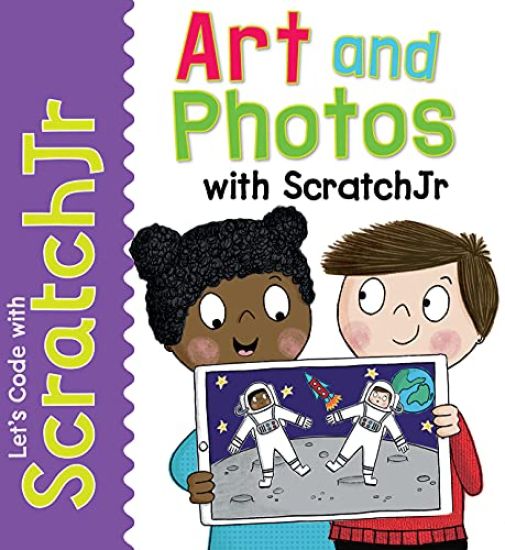
Young artists who are interested in breaking into CGI can get off to a great start with this guide to creating art with the free app ScratchJr. Easy-to-follow, step-by-step projects guide young coders through the basic tools and utilities included with the program. The fun projects prepare readers for more complex coding languages and design projects. Encouraging text boxes offer new ideas and activities readers may want to try in ScratchJr.
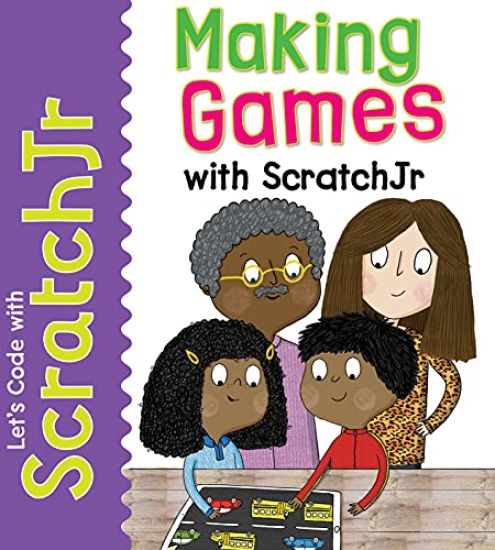
When asked what they want to do when they grow up, many young people say they want to make video games. However, very few ever get the chance to pursue that career path. This guide to making games with the free app ScratchJr is sure to help young readers become coders, a big step on the way to achieving their dreams. Clear, colorful activities with detailed instructions will get readers making simple games in no time.
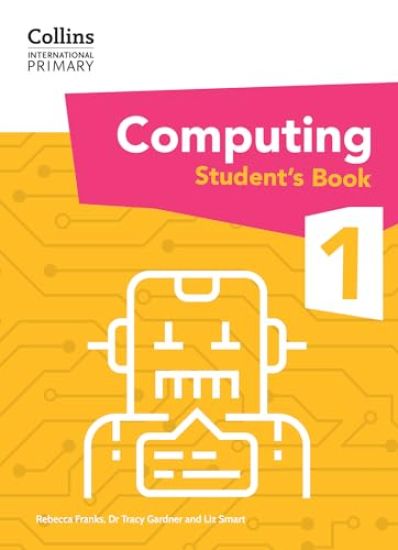
International Primary Computing Student's Book: Stage 1
Dr Tracy Gardner; Liz Smart; Rebecca Franks
HARPERCOLLINS PUBLISHERS
2024
nidottu
Collins International Primary Computing series is structured around six themes relating to computing and digital literacy and offers learners a comprehensive and engaging approach to learning, enhanced by real-world applications. Each chapter is organised to develop essential skills, leading learners towards the creation of a final project. The project-based activities nurture creative skills and give learners the opportunity to make decisions and develop projects that matter to them. Stage 1 projects focus on everything from designing a robot to creating a webpage on a topic of the learner’s choice, giving children the tools to build key computing and ICT skills, linking the five strands of theory to the practice of computing, and showing learners how computers work. Collins International Primary Computing series provides in-depth coverage of the Cambridge curriculum frameworks for Primary Computing (0059) and Primary Digital Literacy (0072), as well as the UK national curriculum for Computing at primary level.Each chapter enables students to develop their computing and digital literacy skills through a fun, practical and relatable project. Stage 1 helps learners to design a robot to help someone at school, build an app that feeds a character, plan a journey for a Bee-Bot, design a counting app, plan a dream class party and design a webpage on a chosen topic.Learners will build their understanding throughout the stage, using a rich variety of sources with an international focus to support their learning.With regular opportunities for discussion, group work, investigation and design, the Student’s Book and Workbook encourage active learning throughout. This includes ‘unplugged’ learning to explore concepts and foster computational thinking skills. Each chapter concludes with an opportunity for learners to build and showcase their own work, consolidating their learning through self or peer assessment and reflection.Clear explanations, visually engaging activities and ‘Key terms’ features are designed to support young learners, especially those with English as a second or additional language.The course includes the latest hardware and software information, additionally exploring Artificial Intelligence and AI images and empowers learners to navigate the online world safely by equipping them with crucial digital safety skills.Written by Flip Computing – Rebecca Franks, Liz Smart and Dr Tracy Gardner – an all female team of experts with a breadth of computing experience across industry, education and research, and their culturally responsive approach provides teachers with an accessible and inclusive learning experience for all ages and inspires greater participation and tech career pathways for all.Will prepare students for a seamless transition to Stage 2.
International Primary Computing Student's Book: Stage 2
Dr Tracy Gardner; Liz Smart; Rebecca Franks
HARPERCOLLINS PUBLISHERS
2024
nidottu
Collins International Primary Computing series is structured around six themes relating to computing and digital literacy and offers learners a comprehensive and engaging approach to learning, enhanced by real-world applications. Each chapter is organised to develop essential skills, leading learners towards the creation of a final project. The project-based activities nurture creative skills and give learners the opportunity to make decisions and develop projects that matter to them. Stage 2 projects focus on everything from designing a new piece of technology to navigating a maze, giving children the tools to build key computing and ICT skills, linking the five strands of theory to the practice of computing, and showing learners how computers work. Collins International Primary Computing series provides in-depth coverage of the Cambridge curriculum frameworks for Primary Computing (0059) and Primary Digital Literacy (0072), as well as the UK national curriculum for Computing at primary level.Each chapter enables students to develop their computing and digital literacy skills through a fun, practical and relatable project. Stage 2 helps learners to create a document to showcase an area of your school to new students, design a new piece of technology, make a program that allows a character to take a photo of an object in Scratch, collaboratively design and navigate mazes and solve a problem in their school.Learners will build their understanding throughout the stage, using a rich variety of sources with an international focus to support their learning.With regular opportunities for discussion, group work, investigation and design, the Student’s Book and Workbook encourage active learning throughout. This includes ‘unplugged’ learning to explore concepts and foster computational thinking skills. Each chapter concludes with an opportunity for learners to build and showcase their own work, consolidating their learning through self or peer assessment and reflection.Clear explanations, visually engaging activities and ‘Key terms’ features are designed to support young learners, especially those with English as a second or additional language.The course includes the latest hardware and software information, additionally exploring Artificial Intelligence and AI images and empowers learners to navigate the online world safely by equipping them with crucial digital safety skills.Written by Flip Computing – Rebecca Franks, Liz Smart and Dr Tracy Gardner – an all female team of experts with a breadth of computing experience across industry, education and research, and their culturally responsive approach provides teachers with an accessible and inclusive learning experience for all ages and inspires greater participation and tech career pathways for all.Will prepare students for a seamless transition to Stage 3.
International Primary Computing Student's Book: Stage 3
Dr Tracy Gardner; Liz Smart; Rebecca Franks
HARPERCOLLINS PUBLISHERS
2024
nidottu
Collins International Primary Computing series is structured around six themes relating to computing and digital literacy and offers learners a comprehensive and engaging approach to learning, enhanced by real-world applications. Each chapter is organised to develop essential skills, leading learners towards the creation of a final project. The project-based activities nurture creative skills and give learners the opportunity to make decisions and develop projects that matter to them. Stage 3 projects focus on everything from designing an Internet of Things device to creating a code of conduct for communicating online, giving children the tools to build key computing and ICT skills, linking the five strands of theory to the practice of computing, and showing learners how computers work. Collins International Primary Computing series provides in-depth coverage of the Cambridge curriculum frameworks for Primary Computing (0059) and Primary Digital Literacy (0072), as well as the UK national curriculum for Computing at primary level.Each chapter enables students to develop their computing and digital literacy skills through a fun, practical and relatable project. Stage 3 helps learners to create an underwater scene with scenery, design an Internet of Things device to help reach a UN Sustainable Development Goal, use data to solve a problem in their school or local community and design and build a project that includes one input and one output.Learners will build their understanding throughout the stage, using a rich variety of sources with an international focus to support their learning.With regular opportunities for discussion, group work, investigation and design, the Student’s Book and Workbook encourage active learning throughout. This includes ‘unplugged’ learning to explore concepts and foster computational thinking skills. Each chapter concludes with an opportunity for learners to build and showcase their own work, consolidating their learning through self or peer assessment and reflection.Clear explanations, visually engaging activities and ‘Key terms’ features are designed to support young learners, especially those with English as a second or additional language.The course includes the latest hardware and software information, additionally exploring Artificial Intelligence and AI images and empowers learners to navigate the online world safely by equipping them with crucial digital safety skills.Written by Flip Computing – Rebecca Franks, Liz Smart and Dr Tracy Gardner – an all female team of experts with a breadth of computing experience across industry, education and research, and their culturally responsive approach provides teachers with an accessible and inclusive learning experience for all ages and inspires greater participation and tech career pathways for all.Will prepare students for a seamless transition to Stage 4.
International Primary Computing Student's Book: Stage 5
Dr Tracy Gardner; Liz Smart; Rebecca Franks
HARPERCOLLINS PUBLISHERS
2024
pokkari
Collins International Primary Computing series is structured around six themes relating to computing and digital literacy and offers learners a comprehensive and engaging approach to learning, enhanced by real-world applications. Each chapter is organised to develop essential skills, leading learners towards the creation of a final project.
International Primary Computing Student's Book: Stage 6
Dr Tracy Gardner; Liz Smart; Rebecca Franks
HARPERCOLLINS PUBLISHERS
2024
nidottu
Collins International Primary Computing series is structured around six themes relating to computing and digital literacy and offers learners a comprehensive and engaging approach to learning, enhanced by real-world applications. Each chapter is organised to develop essential skills, leading learners towards the creation of a final project. The project-based activities nurture creative skills and give learners the opportunity to make decisions and develop projects that matter to them. Stage 6 projects focus on everything from designing a board game to building a fictional computer, giving children the tools to build key computing and ICT skills, linking the five strands of theory to the practice of computing, and showing learners how computers work. Collins International Primary Computing series provides in-depth coverage of the Cambridge curriculum frameworks for Primary Computing (0059) and Primary Digital Literacy (0072), as well as the UK national curriculum for Computing at primary level.Each chapter enables students to develop their computing and digital literacy skills through a fun, practical and relatable project. Stage 6 helps learners to design their own create a physical ‘digital footprint’ for a collaborative class display, build a fictional computer for an allocated budget, prototype, design and build a fidget toy for someone in their class, create a fact file on an issue related to climate change and design a board game that teaches some of the aspects of keeping data secure.Learners will build their understanding throughout the stage, using a rich variety of sources with an international focus to support their learning.With regular opportunities for discussion, group work, investigation and design, the Student’s Book and Workbook encourage active learning throughout. This includes ‘unplugged’ learning to explore concepts and foster computational thinking skills. Each chapter concludes with an opportunity for learners to build and showcase their own work, consolidating their learning through self or peer assessment and reflection.Clear explanations, visually engaging activities and ‘Key terms’ features are designed to support young learners, especially those with English as a second or additional language.The course includes the latest hardware and software information, additionally exploring Artificial Intelligence and AI images and empowers learners to navigate the online world safely by equipping them with crucial digital safety skills.Written by Flip Computing – Rebecca Franks, Liz Smart and Dr Tracy Gardner – an all female team of experts with a breadth of computing experience across industry, education and research, and their culturally responsive approach provides teachers with an accessible and inclusive learning experience for all ages and inspires greater participation and tech career pathways for all.Will prepare students for a seamless transition to Lower Secondary Computing Stage 7.
International Primary Computing Workbook: Stage 1
Dr Tracy Gardner; Liz Smart; Rebecca Franks
HARPERCOLLINS PUBLISHERS
2024
nidottu
The Collins International Primary Computing Stage 1 Workbook is written with a range of international contexts in mind and is designed to be used in lessons alongside the Student’s Book. · As an essential companion to the Student’s Book, the Workbook offers a range of exciting activities to help students consolidate understanding, think creatively and plan practical tasks, and to record, evaluate and reflect on their learning, supporting metacognition. · The clear and engaging pages offer a mix of fun and varied activities such as quizzes, ‘Rate your progress’ and reflection tasks as well as structured frameworks to record thoughts and ideas, and develop computational thinking and ensuring no learner is left behind. · End-of-chapter reflection features help students to assess their progress and understand how they can improve. · Following the same chapter and unit structure as the Student’s Book, the clearly signalled Workbook activities provide further practice and extension material for learners of all levels, to support and enhance learning. · The Collins International Primary Computing series provides in-depth coverage of the Cambridge curriculum frameworks for Primary Computing (0059) and Primary Digital Literacy (0072), as well as the UK national curriculum for Computing at primary level
International Primary Computing Workbook: Stage 2
Dr Tracy Gardner; Liz Smart; Rebecca Franks
HARPERCOLLINS PUBLISHERS
2024
nidottu
The Collins International Primary Computing Stage 2 Workbook is written with a range of international contexts in mind and is designed to be used in lessons alongside the Student’s Book. As an essential companion to the Student’s Book, the Workbook offers a range of exciting activities to help students consolidate understanding, think creatively and plan practical tasks, and to record, evaluate and reflect on their learning, supporting metacognition. The clear and engaging pages offer a mix of fun and varied activities such as quizzes, ‘Rate your progress’ and reflection tasks as well as structured frameworks to record thoughts and ideas, and develop computational thinking and ensuring no learner is left behind. End-of-chapter reflection features help students to assess their progress and understand how they can improve. Following the same chapter and unit structure as the Student’s Book, the clearly signalled Workbook activities provide further practice and extension material for learners of all levels, to support and enhance learning. The Collins International Primary Computing series provides in-depth coverage of the Cambridge curriculum frameworks for Primary Computing (0059) and Primary Digital Literacy (0072), as well as the UK national curriculum for Computing at primary level
International Primary Computing Workbook: Stage 3
Dr Tracy Gardner; Liz Smart; Rebecca Franks
HARPERCOLLINS PUBLISHERS
2024
nidottu
The Collins International Primary Computing Stage 3 Workbook is written with a range of international contexts in mind and is designed to be used in lessons alongside the Student’s Book. As an essential companion to the Student’s Book, the Workbook offers a range of exciting activities to help students consolidate understanding, think creatively and plan practical tasks, and to record, evaluate and reflect on their learning, supporting metacognition.The clear and engaging pages offer a mix of fun and varied activities such as quizzes, ‘Rate your progress’ and reflection tasks as well as structured frameworks to record thoughts and ideas, and develop computational thinking and ensuring no learner is left behind.End-of-chapter reflection features help students to assess their progress and understand how they can improve.Following the same chapter and unit structure as the Student’s Book, the clearly signalled Workbook activities provide further practice and extension material for learners of all levels, to support and enhance learning.The Collins International Primary Computing series provides in-depth coverage of the Cambridge curriculum frameworks for Primary Computing (0059) and Primary Digital Literacy (0072), as well as the UK national curriculum for Computing at primary level