Kirjojen hintavertailu. Mukana 11 627 220 kirjaa ja 12 kauppaa.

Kirjahaku

Etsi kirjoja tekijän nimen, kirjan nimen tai ISBN:n perusteella.

422 tulosta hakusanalla "Tissue Engineering"

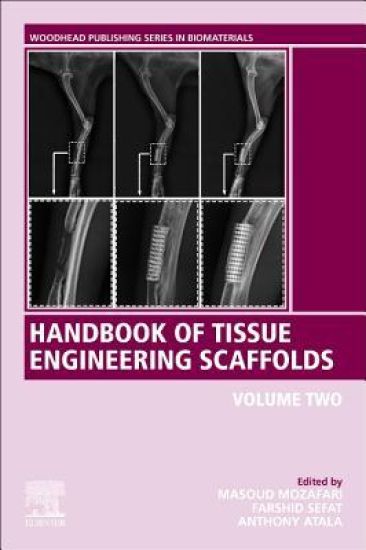
Handbook of Tissue Engineering Scaffolds: Volume Two
Handbook of Tissue Engineering Scaffolds: Volume Two provides a comprehensive and authoritative review on recent advancements in the application and use of composite scaffolds in tissue engineering. Chapters focus on specific tissue/organ (mostly on the structure and anatomy), the materials used for treatment, natural composite scaffolds, synthetic composite scaffolds, fabrication techniques, innovative materials and approaches for scaffolds preparation, host response to the scaffolds, challenges and future perspectives, and more. Bringing all the information together in one major reference, the authors systematically review and summarize recent research findings, thus providing an in-depth understanding of scaffold use in different body systems.

Handbook of Tissue Engineering Scaffolds: Volume One
Handbook of Tissue Engineering Scaffolds: Volume One, provides a comprehensive and authoritative review on recent advancements in the application and use of composite scaffolds in tissue engineering. Chapters focus on specific tissue/organ (mostly on the structure and anatomy), the materials used for treatment, natural composite scaffolds, synthetic composite scaffolds, fabrication techniques, innovative materials and approaches for scaffolds preparation, host response to the scaffolds, challenges and future perspectives, and more. Bringing all the information together in one major reference, the authors systematically review and summarize recent research findings, thus providing an in-depth understanding of scaffold use in different body systems.
Stem Cell Biology and Tissue Engineering in Dental Sciences
Stem Cell Biology and Tissue Engineering in Dental Sciences bridges the gap left by many tissue engineering and stem cell biology titles to highlight the significance of translational research in this field in the medical sciences. It compiles basic developmental biology with keen focus on cell and matrix biology, stem cells with relevance to tissue engineering biomaterials including nanotechnology and current applications in various disciplines of dental sciences; viz., periodontology, endodontics, oral & craniofacial surgery, dental implantology, orthodontics & dentofacial orthopedics, organ engineering and transplant medicine. In addition, it covers research ethics, laws and industrial pitfalls that are of particular importance for the future production of tissue constructs. Tissue Engineering is an interdisciplinary field of biomedical research, which combines life, engineering and materials sciences, to progress the maintenance, repair and replacement of diseased and damaged tissues. This ever-emerging area of research applies an understanding of normal tissue physiology to develop novel biomaterial, acellular and cell-based technologies for clinical and non-clinical applications. As evident in numerous medical disciplines, tissue engineering strategies are now being increasingly developed and evaluated as potential routine therapies for oral and craniofacial tissue repair and regeneration.
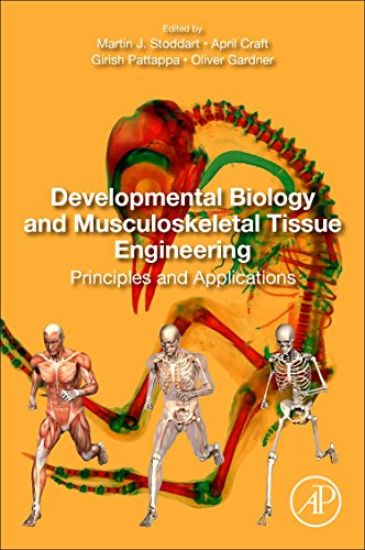
Developmental Biology and Musculoskeletal Tissue Engineering
Developmental Biology and Musculoskeletal Tissue Engineering: Principles and Applications focuses on the regeneration of orthopedic tissue, drawing upon expertise from developmental biologists specializing in orthopedic tissues and tissue engineers who have used and applied developmental biology approaches. Musculoskeletal tissues have an inherently poor repair capacity, and thus biologically-based treatments that can recapitulate the native tissue properties are desirable. Cell- and tissue-based therapies are gaining ground, but basic principles still need to be addressed to ensure successful development of clinical treatments. Written as a source of information for practitioners and those with a nascent interest, it provides background information and state-of-the-art solutions and technologies. Recent developments in orthopedic tissue engineering have sought to recapitulate developmental processes for tissue repair and regeneration, and such developmental-biology based approaches are also likely to be extremely amenable for use with more primitive stem cells.
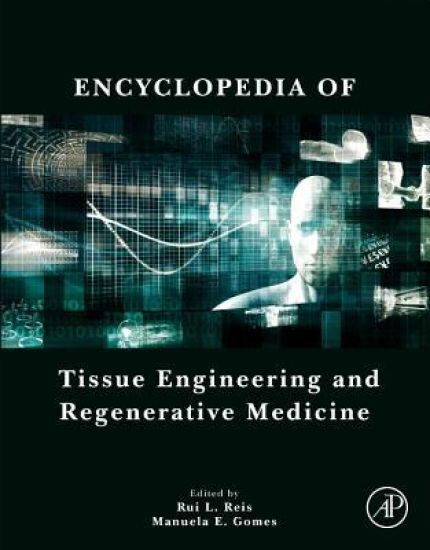
Encyclopedia of Tissue Engineering and Regenerative Medicine
Encyclopedia of Tissue Engineering and Regenerative Medicine, Three Volume Set provides a comprehensive collection of personal overviews on the latest developments and likely future directions in the field. By providing concise expositions on a broad range of topics, this encyclopedia is an excellent resource. Tissue engineering and regenerative medicine are relatively new fields still in their early stages of development, yet they already show great promise. This encyclopedia brings together foundational content and hot topics in both disciplines into a comprehensive resource, allowing deeper interdisciplinary research and conclusions to be drawn from two increasingly connected areas of biomedicine.
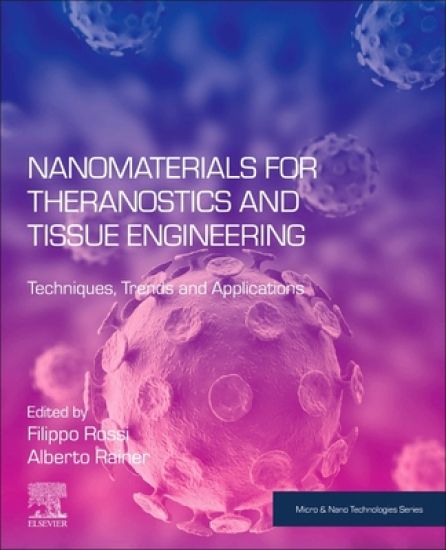
Nanomaterials for Theranostics and Tissue Engineering
Nanomaterials for Theranostics and Tissue Engineering: Techniques, Trends and Applications provides information on the major methodologies for the application of nanomaterials in the medical field. In recent years, nanotechnology for medicine, commonly known as bionanotechnology, or nanomedicine, has revolutionized various types of medical treatment. This book is intended for practicing engineers and scientists, and includes detailed, readily applicable protocols. It focuses on 4 major themes, including the synthesis of nanosystems for controlled drug delivery, nanotechnology-enhanced sensing systems, the application of nanotechnologies to the synthesis of novel biomaterials, and safety issues related to the application of medicinal nanotechnology.
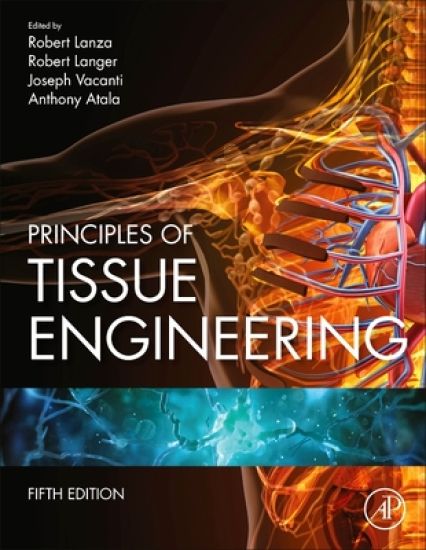
Principles of Tissue Engineering
Now in its fifth edition, Principles of Tissue Engineering has been the definite resource in the field of tissue engineering for more than a decade. The fifth edition provides an update on this rapidly progressing field, combining the prerequisites for a general understanding of tissue growth and development, the tools and theoretical information needed to design tissues and organs, as well as a presentation by the world’s experts of what is currently known about each specific organ system. As in previous editions, this book creates a comprehensive work that strikes a balance among the diversity of subjects that are related to tissue engineering, including biology, chemistry, material science, and engineering, among others, while also emphasizing those research areas that are likely to be of clinical value in the future. This edition includes greatly expanded focus on stem cells, including induced pluripotent stem (iPS) cells, stem cell niches, and blood components from stem cells. This research has already produced applications in disease modeling, toxicity testing, drug development, and clinical therapies. This up-to-date coverage of stem cell biology and the application of tissue-engineering techniques for food production – is complemented by a series of new and updated chapters on recent clinical experience in applying tissue engineering, as well as a new section on the emerging technologies in the field.
Bionanocomposites in Tissue Engineering and Regenerative Medicine
Bionanocomposites in Tissue Engineering and Regenerative Medicine explores novel uses of these in tissue engineering and regenerative medicine. This book offers an interdisplinary approach, combining chemical, biomedical engineering, materials science and pharmacological aspects of the characterization, synthesis and application of bionanocomposites. Chapters cover a broad selection of bionanocomposites including chitosan, alginate and more, which are utilized in tissue engineering, wound healing, bone repair, drug formulation, cancer therapy, drug delivery, cartilage regeneration and dental implants. Additional sections of Bionanocomposites in Tissue Engineering and Regenerative Medicine discuss, in detail, the safety aspects and circular economy of bionanocomposites – offering an insight into the commercial and industrial aspects of these important materials. Bionanocomposites in Tissue Engineering and Regenerative Medicine will prove a highly useful text for for those in the fields of biomedical engineering, chemistry, pharmaceutics and materials science, both in academia and industrial R&D groups.
iPSCs in Tissue Engineering
The series Advances in Stem Cell Biology is a timely and expansive collection of comprehensive information and new discoveries in the field of stem cell biology. iPSCs in Tissue Engineering, Volume 11 addresses how induced pluripotent stem cells (iPSCs) are being used to advance tissue engineering. Somatic cells can be reprogrammed into iPSCs by the expression of specific transcription factors. These cells have been transforming biomedical research over the last 15 years. This book will address the advances in research of how iPSCs are being used for the generation of different tissues and organs such as the lungs, trachea, salivary glands, skeletal muscle, liver, intestine, kidney, even the brain, and much more. This volume is written for researchers and scientists interested in stem cell therapy, cell biology, regenerative medicine, and tissue engineering and is contributed by world-renowned authors in the field.
Hydrogels for Tissue Engineering and Regenerative Medicine
Hydrogels for Tissue Engineering and Regenerative Medicine: From Fundaments to Applications provides the reader with a comprehensive, concise and thoroughly up-to-date resource on the different types of hydrogels in tissue engineering and regenerative medicine. The book is divided into three main sections that describe biological activities and the structural and physicochemical properties of hydrogels, along with a wide range of applications, including their combination with emerging technologies. Written by a diverse range of international academics for professionals, researchers, undergraduate and graduate students, this groundbreaking publication fills a gap in literature needed in the tissue engineering and regenerative medicine field.
Nanotechnology Applications for Tissue Engineering
Tissue engineering involves seeding of cells on bio-mimicked scaffolds providing adhesive surfaces. Researchers though face a range of problems in generating tissue which can be circumvented by employing nanotechnology. It provides substrates for cell adhesion and proliferation and agents for cell growth and can be used to create nanostructures and nanoparticles to aid the engineering of different types of tissue.Written by renowned scientists from academia and industry, this book covers the recent developments, trends and innovations in the application of nanotechnologies in tissue engineering and regenerative medicine. It provides information on methodologies for designing and using biomaterials to regenerate tissue, on novel nano-textured surface features of materials (nano-structured polymers and metals e.g.) as well as on theranostics, immunology and nano-toxicology aspects. In the book also explained are fabrication techniques for production of scaffolds to a series of tissue-specific applications of scaffolds in tissue engineering for specific biomaterials and several types of tissue (such as skin bone, cartilage, vascular, cardiac, bladder and brain tissue). Furthermore, developments in nano drug delivery, gene therapy and cancer nanotechonology are described.The book helps readers to gain a working knowledge about the nanotechnology aspects of tissue engineering and will be of great use to those involved in building specific tissue substitutes in reaching their objective in a more efficient way. It is aimed for R&D and academic scientists, lab engineers, lecturers and PhD students engaged in the fields of tissue engineering or more generally regenerative medicine, nanomedicine, medical devices, nanofabrication, biofabrication, nano- and biomaterials and biomedical engineering.
Nanobiomaterials in Hard Tissue Engineering
Nanobiomaterials in Hard Tissue Engineering covers the latest developments in the field of hard tissue engineering at the nanoscale. Leading researchers from around the world discuss the latest research and offer new insights. This book presents data about the fabrication and characterization of nanobiomaterials involved in hard tissue reconstruction, describing recent progress and the advantages of both conventional and computer-aided methods. Recent applications of different classes of nanobiomaterials are discussed, with in vitro and in vivo applications also explained in detail. Special attention is paid to the applications of nanobiomaterials in bone regeneration and in the development of functional coatings for tailored implants to improve osseointegration. Finally, the book considers future challenges and perspectives. This book will be of interest to postdoctoral researchers, professors and students engaged in the fields of materials science, biotechnology and applied chemistry. It will also be highly valuable to those working in industry, including pharmaceutics and biotechnology companies, medical researchers, biomedical engineers and advanced clinicians.
Nanobiomaterials in Soft Tissue Engineering
Nanobiomaterials in Soft Tissue Engineering brings together recent developments and the latest approaches in the field of soft tissue engineering at the nanoscale, offering a new perspective on the evolution of current and future applications. Leading researchers from around the world present the latest research and share new insights. This book covers the major conventional and unconventional fabrication methods of typical three-dimensional scaffolds used in regenerative medicine. Surface modification and spatial properties are included in an up-to-date overview, with the latest in vivo applications of engineered 3D scaffolds discussed. The book also considers the impact, advantages and future scope of the various methods. This book will be of interest to postdoctoral researchers, professors and students engaged in the fields of materials science, biotechnology and applied chemistry. It will also be highly valuable to those working in industry, including pharmaceutics and biotechnology companies, medical researchers, biomedical engineers and advanced clinicians.
Biomaterials for Neural Tissue Engineering

Biomaterials for Neural Tissue Engineering

ELSEVIER SCIENCE PUBLISHING CO INC
2023
nidottu
Biomaterials for Neural Tissue Engineering covers a range of materials and technologies used for regenerating or repairing neural tissue. With a strong focus on biomaterials and scaffolds, the book examines the testing and evaluation pathway for in-vitro and in-vivo testing trials. This book introduces the reader to the fundamentals of the nervous system from a tissue engineering perspective and goes on to describe contemporary technologies used in the development of neural repair materials, as well as currently available biomaterials suitable for neural tissue repair and regeneration. This detailed reference is ideal for those who are new to using biomaterials in tissue engineering, particularly those interested in the nervous system, including academics and early career researchers in the fields of materials science, regenerative medicine, biomedical engineering and clinical sciences.
Nanostructured Materials for Tissue Engineering

Nanostructured Materials for Tissue Engineering

Elsevier - Health Sciences Division
2023
nidottu
Nanostructured Materials for Tissue Engineering introduces the key properties and approaches involved in using nanostructured materials in tissue engineering, including functionalization, nanotechnology-based regenerative techniques, toxicological and biocompatible aspects. A broad range of nanomaterial types are covered, from polymer scaffolds and nanocomposites to gold nanoparticles and quantum dots. This book aids the reader in materials selection, as well as matching to the best applications, including bone, skin, pulmonary or neurological tissue engineering. Users will find this book to be an up-to-date review on this fast-changing field that is ideal for materials scientists, tissue engineers, biomedical engineers, and pharmaceutical scientists.
Silk-Based Biomaterials for Tissue Engineering, Regenerative and Precision Medicine
Silk-based Biomaterials for Tissue Engineering, Regenerative and Precision Medicine, Second Edition is a must-have reference, providing comprehensive coverage of silk-based biomaterials and their importance in translational uses and biomedicine. This new edition considers the progress made in the past eight years, featuring many new chapters, including a discussion of cutting-edge fabrication methods and techniques, new and improved blends/composites, and an expanded range of applications in tissue engineering, regenerative and precision medicine. The book holistically reviews the types, structure and properties, processing methods, and specific biomedical applications for silk-based biomaterials. This will be a vital resource for materials and tissue engineering scientists, R&D departments in industry and academia, and academics interested in biomaterials, regenerative, and precision medicine.
Protein-Based Nanocomposites for Tissue Engineering
Protein-based Nanocomposites for Tissue Engineering details the design, development, efficacy and tissue engineering applications of a range of protein-based nanocomposite materials. Protein-based nanocomposites offer advantageous properties in that they are biodegradable, biocompatible, nonantigenic, highly stable and possess strong binding capacity. These unique properties make protein-based nanocomposite carriers promising candidates for controlled cell delivery in tissue engineering. This book covers a selection of protein types in their nanocomposite form, from albumin and keratin to collagen and silk. Each protein nanocomposite is described in detail, exploring their application in cell delivery and tissue engineering. The design, development, properties and molecular mechanism of protein-based nanocomposites is thoroughly discussed before going on to analyze the advantages and limitations of these useful materials, making this book an ideal resource for readers who want to explore biocompatible and naturally derived material options for tissue engineering applications. Academics and researchers in the fields of materials science, biomedical engineering, regenerative medicine and nanotechnology will find the book a must have.
Nanotechnology in Tissue Engineering and Regenerative Medicine
Although nanotechnology applied to medicine has a potentially huge impact on drug delivery and tissue engineering, significant challenges need to be resolved before clinically viable nanomedicine or nanobiomedicine therapies will be available. Skillfully edited, with contributions from an expert panel of researchers, Referred to as nanomedicine or nanobiomedicine, the application of nanotechnology to medicine can impact diagnosis, monitoring, and treatment of diseases, as well as the control and understanding of biological systems. Bringing together an unparalleled field of experts, this volume explores various aspects of nanotechnology and its applications in biomedical fields. The book uses an application-oriented approach to relate laboratory-based research to the development of technologies that are easily adaptable to an industry environment, focusing chiefly on drug delivery, tissue engineering, and regenerative medicine.
Imaging in Cellular and Tissue Engineering
Details on specific imaging modalities for different cellular and tissue engineering applications are scattered throughout articles and chapters in the literature. Gathering this information into a single reference, Imaging in Cellular and Tissue Engineering presents both the fundamentals and state of the art in imaging methods, approaches, and applications in regenerative medicine.The book underscores the broadening scope of imaging applications in cellular and tissue engineering. It covers a wide range of optical and biological applications, including the repair or replacement of whole tissues (such as bone, cartilage, blood vessels, and bladder) and more novel artificially created support systems (such as artificial pancreas and bioartificial liver). Each chapter describes a particular application, relevant optical instrumentation, physical principles governing the imaging method, and strengths and weaknesses of the technique. The book also presents current and emerging data processing procedures.As the field of tissue engineering moves from creating simpler outer body parts to more sophisticated internal organs, researchers need to evaluate and control how well the tissues are engineered and integrated into the living body. Suitable for both experts and newcomers in bioengineering and biomedical imaging, this book shows researchers how to apply imaging techniques to next-generation engineered cells and tissues. It helps them assess the suitability of specific imaging modalities for applications with various functional requirements.
Biomaterials and Nanotechnology for Tissue Engineering
Nanotechnology and high-end characterization techniques have highlighted the importance of the material choice for the success of tissue engineering. A paradigm shift has been seen from conventional passive materials as scaffolds to smart multi-functional materials that can mimic the complex intracellular milieu more effectively. This book presents a detailed overview of the rationale involved in the choice of materials for regeneration of different tissues and the future directions in this fascinating area of materials science with specific chapters on regulatory challenges & ethics; tissue engineered medical products.