Cryptography has become essential as bank transactions, credit card infor-mation, contracts, and sensitive medical information are sent through inse-cure channels. This book is concerned with the mathematical, especially algebraic, aspects of cryptography. It grew out of many courses presented by the authors over the past twenty years at various universities and covers a wide range of topics in mathematical cryptography. It is primarily geared towards graduate students and advanced undergraduates in mathematics and computer science, but may also be of interest to researchers in the area. Besides the classical methods of symmetric and private key encryption, the book treats the mathematics of cryptographic protocols and several unique topics such as Group-Based Cryptography Gröbner Basis Methods in Cryptography Lattice-Based Cryptography
This report presents an analysis of the pathways from climate change to conflict and how that relationship is unfolding in the U.S. Central Command (CENTCOM) area of responsibility (AOR). The analysis is based on a semistructured literature review of causal pathways from climate change to conflict and three case studies of climate-related conflict in the CENTCOM AOR.
Andy Leonard; Martin Andersson; Jacob Alley; Peter Avenant; Scott Currie; William Fellows; Simon Peck; Reeves Smith; Raymond Sondak; Benjamin Weissman; Cathrine Wilhelmsen
Learn Business Intelligence Markup Language (Biml) for automating much of the repetitive, manual labor involved in data integration. We teach you how to build frameworks and use advanced Biml features to get more out of SQL Server Integration Services (SSIS), Transact-SQL (T-SQL), and SQL Server Analysis Services (SSAS) than you ever thought possible.The first part of the book starts with the basics—getting your development environment configured, Biml syntax, and scripting essentials.Whether a beginner or a seasoned Biml expert, the next part of the book guides you through the process of using Biml to build a framework that captures both your design patterns and execution management. Design patterns are reusable code blocks that standardize the approach you use to perform certain types of data integration, logging, and other key data functions. Design patterns solve common problems encountered when developing data integration solutions.Because you do not have to build the code from scratch each time, design patterns improve your efficiency as a Biml developer.In addition to leveraging design patterns in your framework, you will learn how to build a robust metadata store and how to package your framework into Biml bundles for deployment within your enterprise.In the last part of the book, we teach you more advanced Biml features and capabilities, such as SSAS development, T-SQL recipes, documentation autogeneration, and Biml troubleshooting.The Biml Book:Provides practical and applicable examplesTeaches you how to use Biml to reduce development time while improving qualityTakes you through solutions to common data integration and BI challengesWhat You'll LearnMaster the basics of Business Intelligence Markup Language (Biml)Study patterns for automating SSIS package generationBuild a Biml FrameworkImport and transform database schemasAutomate generation of scripts and projectsWho This Book Is ForBI developers wishing to quickly locate previously tested solutions, Microsoft BI specialists, those seeking more information about solution automation and code generation, and practitioners of Data Integration Lifecycle Management (DILM) in the DevOps enterprise
This book focusses on techniques for automating the procedure of creating external labelings, also known as callout labelings. In this labeling type, the features within an illustration are connected by thin leader lines (called leaders) with their labels, which are placed in the empty space surrounding the image. In general, textual labels describing graphical features in maps, technical illustrations (such as assembly instructions or cutaway illustrations), or anatomy drawings are an important aspect of visualization that convey information on the objects of the visualization and help the reader understand what is being displayed. Most labeling techniques can be classified into two main categories depending on the "distance" of the labels to their associated features. Internal labels are placed inside or in the direct neighborhood of features, while external labels, which form the topic of this book, are placed in the margins outside the illustration, where they do not occlude the illustration itself. Both approaches form well-studied topics in diverse areas of computer science with several important milestones. The goal of this book is twofold. The first is to serve as an entry point for the interested reader who wants to get familiar with the basic concepts of external labeling, as it introduces a unified and extensible taxonomy of labeling models suitable for a wide range of applications. The second is to serve as a point of reference for more experienced people in the field, as it brings forth a comprehensive overview of a wide range of approaches to produce external labelings that are efficient either in terms of different algorithmic optimization criteria or in terms of their usability in specific application domains. The book mostly concentrates on algorithmic aspects of external labeling, but it also presents various visual aspects that affect the aesthetic quality and usability of external labeling.
This collection features five peer-reviewed literature reviews on crop rotations in agriculture.The first chapter discusses the effects of crop rotation and intercropping management practices and their impact on soil health enhancement and stability. It also considers the importance of leguminous crops and soil organic matter in maintaining healthy soils, sustaining crop productivity and enhancing biodiversity.The second chapter examines the principles of crop rotation, precrop effects in crop rotations, and the nutrient effects of legumes and other rotation crops. It also reviews the role of rotation crops in suppressing weeds, diseases and pests and studies rotations and crop yields, as well as the challenge of designing a crop rotation.The third chapter illustrates how crop models account for the interactions between soil, genotypes, management, and climate, on crops grown in various rotations, and their effects on yield and environmental outcomes under current and future climate scenarios.The fourth chapter assesses the potential of decision support systems for crop rotations in improving soil health and agricultural sustainability.The final chapter reviews how crop rotations with non-cereal species can be implemented to substantially reduce inoculum sources for residue-borne cereal leaf diseases.
Birgitta Almgren; Maria Björkman; Maja Hagerman; Bibi Jonsson; Ola Larsmo; Olof Ljungström; Patrik Lundell; Benjamin G. Martin; Henrik Rosengren; Sven Widmalm; Andreas Åkerlund; Johan Östling
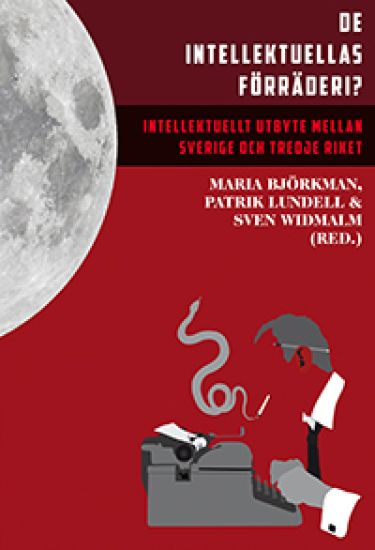
"OBJEKTIVT sett är det naturligtvis så, att den tyska nationalsocialismen, liksom varje annan stor folkrörelse, är en blandning på gott och ont, men enligt mitt förmenande överväger det goda." - Genetikprofessorn Herman Nilsson-Ehle 1937.De intellektuellas förräderi? handlar om sympatier för den tyska nationalsocialismen bland svenska intellektuella. Dessa akademiker på universiteten eller inom de akademiska professionerna, författare, konstnärer och journalister, var oftast inte organiserade nazister. Däremot engagerade de sig i nazismen närstående organisationer och publikationer, eller samarbetade på andra sätt med Nazityskland. Med objektiviteten som ammunition deltog de i ett vetenskapens och kulturens propagandakrig för att förstärka Tredje rikets legitimitet.Trots omfattande forskning om perioden är de intellektuella "tyskvännerna" fortfarande ett försummat kapitel i svensk historia. De frågor boken behandlar utgör också en ideologiskt minerad terräng. Problematiken med gränsdragningen mellan vetenskap och politik, och om anspråk på objektivitet i det offentliga samtalet, har inte försvunnit utan är ständigt aktuell.Innehåll:Maria Björkman, Patrik Lundell & Sven Widmalm, "De intellektuellas förräderi?" Andreas Åkerlund, "Vilhelm Scharp - tyskvän, nationalist och antinazist?" Sven Widmalm, "Vetenskap som propaganda. Akademiska kontakter mellan Sverige och Tyskland under Tredje riket" Birgitta Almgren, "Svenska universitet - mål för nazistisk kulturpolitik" Maja Hagerman, "Svensk rasforskning och den nazistiska världsbilden. Herman Lundborgs vänskap och utbyte med ledande rashygieniker i Nazityskland" Maria Björkman, "Ras, vetenskap och objektivitet. Några lojaliteter hos Folke Henschen" Olof Ljungström, "'När ett helt folk drivits i landsflykt'. Gösta Häggqvist och flyktingfrågan vid Karolinska institutet" Henrik Rosengren, "Mellan kulturpolitisk anpassning och estetiska objektivitetsideal. Musikkritik och musikpolitik i Dagsposten 1941 till 1945" Bibi Jonsson, "Rütger Essén och de släckta metropolerna" Benjamin G. Martin, "Svensk film i Hitlers Europa. Nationell filmindustri och internationella nätverk" Patrik Lundell, "De välvilligas rationalitet. Objektivitetsideal och mediekritik inom Riksföreningen Sverige-Tyskland 1938 till 1958" Ola Larsmo, "Det svarta nätet. Om unghögern, Sveriges nationella förbund och Sverigedemokraterna" Johan Östling, "Nya nyanser av brunt. Utblick över ett forskningsfält"
Samuel Gulliksson; Johannes Milich; Ulrika Nettelblad; Joaquim Fräki Martins; Emil Bendix; Ted Godsom Treacy; Otto Ruin; David Janouch; Sigrid Arén; Niall Balfe; Benjamin Miller Olsson
Katharsis institut grundades i Göteborg men är sedan 2022 verksamt också i Stockholm. Samma år var det hundra år sedan James Joyces mastodontverk Ulysses publicerades i Paris. För att fira detta jubileum arrangerade institutet en skrivartävling tillsammans med Irlands ambassad i Stockholm. Bidragen skulle vara inspirerade av en av romanens tre huvudkaraktärer, ha någon form av koppling till Sverige och vara skrivna på antingen svenska eller engelska. Juryns ordförande var institutets Sigrid Arén. Oändliga samtal samlar de fem kortlistade texterna från tävlingen, inklusive pristagaren Samuel Gullikssons bidrag. Dessutom publiceras fyra texter skrivna av institutets redaktionsmedlemmar, en essä av kritikern och skribenten Otto Ruin samt foton från Dublin av den irländske fotografen Ted Godson Treacy. Antologins mångfacetterade texter visar hur Ulysses än idag ger kraft åt ett oändligt samtal. Kopplingen till Joyces verk varierar, och alla texterna kan gott och väl läsas utan förförståelse av det klassiska verket.
Anne Reff Pedersen; Pia Rose Böwadt; Søren Laibach Smidt; Suzanne Krogh; Mia Husted; John Matthias Gulløv; Nana Vaaben; Anne Mia Steno; Mie Plotnikof; Martin Gylling; Benjamin Olivares Bøgeskov; Eva Pallesen; Birgitta Frello; Jacob Clausen; Rikke Pedersen; Vibeke Kristine Scheller; Ditte Tofteng
Denne bog handler om tid i velfærdsprofessionerne – dvs. hvordan velfærdsarbejde organiseres i tid, og hvordan det organiseres gennem forskellige konstruktioner af tid. Tid eller mangel på samme er et af de helt store omdrejningspunkter inden for den offentlige sektor. Hvordan kan vi få mere kvalitet ud af tiden, hvordan kan vi speede tiden op eller trække tiden ud eller gøre den mere nærværende eller mere effektiv? Der er kamp om tiden – både velfærdspolitisk, organisatorisk og fagprofessionelt. Således gør spørgsmål om tiden nogle gange tid til en økonomisk ressource, til et teknisk objekt, til en naturlig betingelse, til en arbejdsrytme eller til noget mere eller mindre meningsfuldt for de forskellige aktører, der er involveret i velfærdsinstitutionerne, fx sygehuse, dagtilbud og skoler. Selv når tiden ikke er et eksplicit omdrejningspunkt, så er velfærdsarbejde – og de måder, hvorpå vi organiserer det levede liv i øvrigt – stadig præget af alle mulige mere eller mindre implicitte forståelser og konstruktioner af tid. Selv om tiden er et afgørende omdrejningspunkt i velfærdssamfundet, har vi dog ikke et særligt udviklet sprog til at forholde os aktivt til diverse tids-organiseringer, hvorfor der også nemt opstår tidsmisforståelser. Denne bog bidrager med at sætte ord på nogle af de mange forskellige tidsforståelser og -konstruktioner, som præger organiseringen af velfærdsarbejdet. Hvert kapitel præsenterer et særligt analytisk blik på tid og viser, hvordan man med dette perspektiv kan få øje på bestemte facetter af velfærdsarbejdets tidsorganisering og de måder, hvorpå disse organiseringer præger det levede liv i forskellige velfærdsinstitutioner. Bogens målgruppe er studerende på professionshøjskoler og universiteter samt på lederuddannelser, der retter sig mod velfærdsprofessionerne og den offentlige sektor. Bogen er derudover også relevant for velfærdsmedarbejdere, ledere og beslutningstagere.
Pia Prost; Stefan Fagerström; Anette Bäck; Henrik Asplund; Kristin Ilves; Pekka Salmi; Kristina Svels; Jari Setälä; Kemnneth Nordberg; Kjell Andersson; Benjamin Donner; Olli Borg; Tony Cederberg; Martin Snickars; Jouko Högmander; Christian Pleijel; Cecilia Lundberg; Mats Westerbom; Mikael Kilpi; Carl-Adam Hæggström; Lena Huldén; Erkki Leppäkoski; Mikael von Numers; Jan Ekebom; Mikael Hildén
Genom århundraden har skärgården varit en port till Europa. Havet har gett näring och transportmöjligheter. Samtidigt har Finland fått influenser från världen utifrån. Men havet och skärgården är inte som förr. Både Östersjön och skärgården har förändrats och förändras hela tiden.Förändringarna är inte alltid lätta att tolka och sällan entydigt positiva eller negatgiva. Hur ser skärgården ut i dag? Växtlighet, fauna, klimat? Näringar, bosättning och kommunikationer? Hurdana är framtidsutsikter för vår skärgård? Den här boken försöker ge en tvärvetenskaplig sammanfattning av förändringar i natur och kultur.Nordenskiöld-samfundet har allt sedan föreningen grundades 1939 fokuserat på Finlands skärgård både som livsmiljö för biologiska arter och som boplats för människor.
This book has been considered by academicians and scholars of great significance and value to literature. This forms a part of the knowledge base for future generations. So that the book is never forgotten we have represented this book in a print format as the same form as it was originally first published. Hence any marks or annotations seen are left intentionally to preserve its true nature.
This book has been considered by academicians and scholars of great significance and value to literature. This forms a part of the knowledge base for future generations. So that the book is never forgotten we have represented this book in a print format as the same form as it was originally first published. Hence any marks or annotations seen are left intentionally to preserve its true nature.
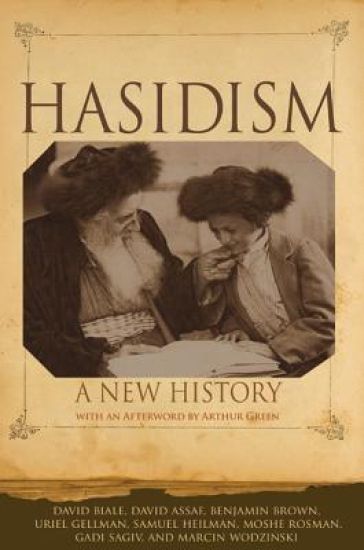
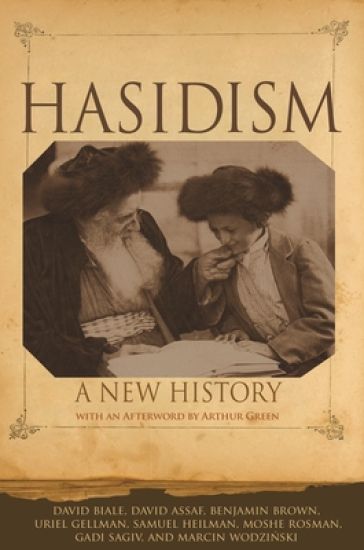
The first comprehensive history of the pietistic movement that shaped modern Judaism This is the first comprehensive history of the pietistic movement that shaped modern Judaism. The book's unique blend of intellectual, religious, and social history offers perspectives on the movement's leaders as well as its followers, and demonstrates that, far from being a throwback to the Middle Ages, Hasidism is a product of modernity that forged its identity as a radical alternative to the secular world. Hasidism originated in southeastern Poland, in mystical circles centered on the figure of Israel Baal Shem Tov, but it was only after his death in 1760 that a movement began to spread. Challenging the notion that Hasidism ceased to be a creative movement after the eighteenth century, this book argues that its first golden age was in the nineteenth century, when it conquered new territory, won a mass following, and became a mainstay of Jewish Orthodoxy. World War I, the Russian Revolution, and the Holocaust decimated eastern European Hasidism. But following World War II, the movement enjoyed a second golden age, growing exponentially. Today, it is witnessing a remarkable renaissance in Israel, the United States, and other countries around the world. Written by an international team of scholars, Hasidism is a must-read for anyone seeking to understand this vibrant and influential modern Jewish movement.
A must-read book for understanding this vibrant and influential modern Jewish movementHasidism originated in southeastern Poland, in mystical circles centered on the figure of Israel Ba’al Shem Tov, but it was only after his death in 1760 that a movement began to spread. Today, Hasidism is witnessing a remarkable renaissance around the world. This book provides the first comprehensive history of the pietistic movement that shaped modern Judaism. Written by an international team of scholars, its unique blend of intellectual, religious, and social history demonstrates that, far from being a throwback to the Middle Ages, Hasidism is a product of modernity that forged its identity as a radical alternative to the secular world.
Walter Benjamin (1896-1940) has been called by Hannah Arendt the "greatest critic of the century." While an increasing number of Anglo-American literary critics draw upon Benjamin's writings in their own works, their colleagues in the philosophical community remain relatively unacquainted with his legacy. In the European intellectual world, by contrast, Benjamin's critical epistemological program, his philosophies of history and language, and his aesthetics have long since become part of philosophical discourse. The present collection of articles, many of which were contained in earlier versions in the Winter 1983 special issue of the journal The Philosophical Forum, initiates the project of establishing Benjamin's importance to philosophy. A balance of original work by Benjamin and important commentary on his works, this volume includes the crucial chapter from Benjamin's magnum opus The Arcades Project, his "Program of the Coming Philosophy," and "Central Park," as well as essays by leading scholars (including Theodor W. Adorno, Leo Lowenthal, and Rolf Tiedemann) that treat single philosophical themes and relate his ideas to those of other thinkers such as Gadamer, Goodmann, and Rosenzweig. Gary Smith's introduction to the volume provides an extremely useful and sophisticated entrée for readers unaccustomed to the breadth of Benjamin's philosophical allusions, as well as an informative summation of the contents of the volume. This book will be of interest to philosophers, literary theorists, art historians, anthropologists, and other social scientists.
Photographic model turned minor actor Benjamin Zambraia feels mocked by his spurious sort of fame. He is also haunted by Castana Beatriz, a love he lost 30 years before, but whose double has begun to crop up around town. Could Arieta Muse be Castana's daughter?
The harsh winter and great outdoors of upstate New York provide Benjamin with the only solace from an otherwise agonizing existence. His mother's abusive alcoholic boyfriend, the bully on the bus, and a Math teacher who pays a little too much attention to schoolboys are slowly chipping away at his dignity and feelings of self-worth. Benjamin clings to any sense of normalcy, until a series of escalating events drives him to the very edge of suicide. He begs God for help-a divine intervention-but his prayers go unanswered until he has an epiphany: God helps those who help themselves.
Benjamin is a talented seven year old artist who was given the gift of clairvoyance from God to help his family and friends cope with tragedies from the past and tragedies yet to come. Benji's older brother Billy and Billy's best friend Trevor are jealous of Benji's artistic ability until he shows them how he envisions a picture on the canvas. Together, the three of them create a painting and use it to locate a missing toddler. Through Benji's gift of foresight, God informs him about a death in the family in the not-so-distant future. Benji has accepted this to be true, but will his family?