Kirjojen hintavertailu. Mukana 12 461 646 kirjaa ja 12 kauppaa.

Kirjahaku

Etsi kirjoja tekijän nimen, kirjan nimen tai ISBN:n perusteella.

1000 tulosta hakusanalla Don Freeman

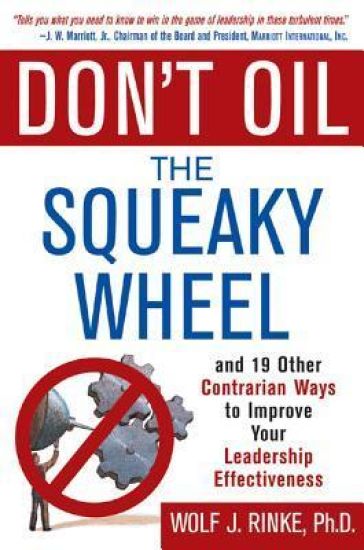
Don't Oil the Squeaky Wheel: And 19 Other Contrarian Ways to Improve Your Leadership Effectiveness
Laugh, lead, and succeed - let Wolf Rinke show you how. Just because your management practices worked yesterday, doesn't mean they work today. Break out of your management rut to greater success and productivity with the techniques in "Don't Oil the Squeaky Wheel". Written by management guru Wolf Rinke, this humorous, instructive guide distills a lifetime of management consulting experience into 20 easy-to-digest lessons to help you be a more effective manager. These strategies will change the way you lead people and have an immediate payoff on the bottom line.You'll discover the shrewd wisdom of: don't satisfy customers - exceed your customers' expectations, and they'll remember you and your organization; don't focus on work - no matter what you produce, you're in the people business amd your people are responsible for 85 per cent of your success; don't make decisions - learn to give your power away with two powerful phrases, What are you going to do about that? 'What do you think? With the expertise of Wolf Rinke, you're on your way to becoming the kind of manager that everyone will turn to, as you improve efficiency, productivity, and workplace morale. 'Tells you what you need to know to win in the game of leadership in these turbulent times' -J.W. Marriott, Chairman of the Board & President, Marriott Corp. "Put Wolf Rinke's winning strategies to work and you will succeed' - Kenneth Blanchard, PhD, co-author, :The One-Minute Manager".
Don Casey's Complete Illustrated Sailboat Maintenance Manual

Don Casey's Complete Illustrated Sailboat Maintenance Manual

Don Casey

International Marine Publishing Co
2006
sidottu
The definitive guide from the world's best-known sailboat maintenance expertDon Casey’s Complete Illustrated Sailboat Maintenance Manual combines six core volumes into a single, utterly dependable resource that answers every frequent question, explains every major system, and helps you keep your boat and its components shipshape.More than 2,500 clear and detailed illustrations guide you step by step through every procedure. Casey’s technical virtuosity, his user-friendly explanations, and Peter Compton's diesel engine expertise make even the more complicated repairs and improvements easy to understand. This must-have guide saves you time, money, and grief as you learn the fastest, easiest, most effective ways to:Evaluate the condition of your boat or one you’re about to purchaseRepair structural damage to your fiberglass sailboatImprove or repair your sailboat’s electrical systemTroubleshoot, maintain, and repair your boat’s diesel enginePut a professional-looking finish on your boat’s hull, deck, spars, wood, and trimMake and repair sails, sail covers, dodgers, awnings, sailbags, and bimini tops
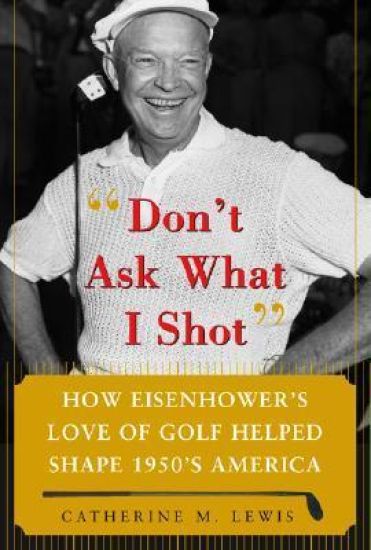
Don't Ask What I Shot

Don't Ask What I Shot

Catherine Lewis

McGraw-Hill Professional
2007
sidottu
“Golf . . . is a sport in which the whole American family can participate--fathers and mothers, sons and daughters alike. It offers healthy respite from daily toil, refreshment of body and mind.” --President Dwight D. EisenhowerOn January 24, 1953, four days after his inauguration, the New York Times reported that President Dwight D. Eisenhower had been spotted on the White House lawn practicing his short irons in the direction of the Washington Monument. This image of “The Golfing General” was one that the American public quickly became accustomed to, as Eisenhower is said to have played nearly 800 rounds during the course of his two-term presidency. He befriended the game's most beloved players, including Arnold Palmer, Ben Hogan, and Byron Nelson, and was the subject of hundreds of golf jokes and cartoons.The public's awareness of Eisenhower's obsession with golf led directly to the sport's mid-century surge in popularity. In Don't Ask What I Shot, noted historian Catherine M. Lewis offers a unique alternate portrait of Ike and this watershed period in American history.“Any time you have a person in the position of President Eisenhower, who was so enthusiastic about golf and had the press paying attention to his many excursions on the golf course, it was going to make people aware of the game and how much he enjoyed playing it.” --Arnold Palmer"Don't Ask What I Shot is a fascinating examination of one of golf's pivotal decades, and the remarkable president who did more to popularize the game than any other in history." -Mark Frost, award-winning author of Grand Slam and The Greatest Game Ever Played"Whatever remained to be done to remove the last traces of the average man's carefully nurtured prejudice against a game originally linked with the wealthy and aloof was done by President Eisenhower."--Herbert Warren Wind, renowned golf writer
Don't Keep Me A Secret: Proven Tactics to Get Referrals and Introductions
Create an Army of Advocates for You and Your BusinessWord-of-mouth, person-to-person connections matter more to your success than all the hard-sell strategies in the world. This ingenious self-marketing guide by America's #1 “Referral Guru” reveals surefire secrets that will help you to identify, and successfully meet, hundreds of high-quality referrals. Without spending a dime, you can shorten your sales cycle, increase your profits, and expand your network of friends and contacts--by giving them something to talk about. You will discoverThe 7 Deadly Referral Mistakes and How to Avoid Them12 Ways to Get Great Prospects Calling You10 Social Prospecting Ideas That Generate Referrals6 Tactics for Stronger Introductions PLUS the 4-Point VIPS MethodTM for Asking for ReferralsWhether you're a small business owner, self-employed worker, or company salesperson, referrals are the most inexpensive and effective way to drum up business. With Cates' techniques, you can establish a real name for yourself by making more connections, and more money, than you ever thought possible.“I dare you to read this book and not come away with a dozen or more ideas you can put to use immediately.” -Gerhard Gschwandtner, publisher, Selling Power magazine
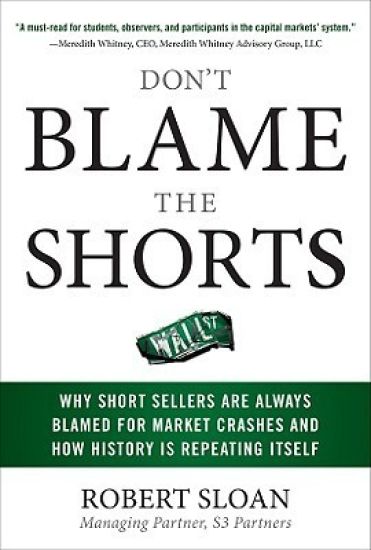
Don't Blame the Shorts: Why Short Sellers Are Always Blamed for Market Crashes and How History Is Repeating Itself
Listed in Bloomberg’s TOP 50 BUSINESS BOOKS OF 2010 and shortlisted for Spear’s FINANCIAL HISTORY OF THE YEAR AWARD“Robert Sloan works in the hedge-fund industry. As he shows in this readable polemic, dislike of shorting has a long history. . . . Someone has to point out when the emperor has no clothes. The shorts were among the biggest skeptics of the subprime-mortgage boom and of the banks that financed it. And when they were proved right, their activities were banned. Gratitude, huh?”The Economist“If Robert Sloan manages to go the distance in Don’t Blame the Shorts, it is because his book is as much about historical tensions between Washington and Wall Street as the practice of short selling. He puts it all in the context of the opposing views of the federalist Alexander Hamilton, who was pro-speculation, and Jeffersonian republicans, who were pro-agriculture and convinced that making money from money was nonsense. . . . His book is a useful corrective to the view of short selling as ‘unpatriotic’ or uniquely antisocial . . . it is a brave act to take on anti-finance populists at this time.”Financial Times“In this knowing book about the business of short-selling stocks, financier Robert Sloan gives a modern day lesson on why we shouldn’t shoot the messenger. . . Rather than blast short sellers, we should praise them for exposing management methane. . . .The story may be old, but Sloan’s easy and informative writing makes for a thoroughly worthwhile update.” Barron’s”Bob Sloan, a Wall Street veteran, cites the confrontation in his new book, Don’t Blame the Shorts, as evidence that blind fury from politicians and unrepentant shrugs from bankers are far from new. As the title suggests, Sloan’s main thrust is to defend the practice of short-selling. . . . Today, Sloan says, the very same battle of ideas is being played out in America . . . this is just the latest bitter expression of the constant tension between a moneyed east coast financial elite, and the manufacturers, mom-and-pop shops and the scrappy entrepreneurs who bitterly resent the power of Wall Street—but don’t want the cash taps to be turned off.”The Observer “Timely, concise, accessible to the lay reader and with a decorously polemical edge, it is both revealing and entertaining. No matter what the politicians do, the markets will find a way to challenge the finaglers and the optimists who sustain them. Like the poor, the shorts will always be with us.”Spear’s“Post-crisis reading . . . best books on the financial crisis and its aftermath. . . . While other authors point accusing fingers, in his book, Don’t Blame the Shorts, Robert Sloan leaps to the defense of short sellers who, as he describes, have been long scapegoated for market crashes and are once again in the wake of the recent crisis. The Dutch East India Company was blaming its troubles on them as far back as 1609.”Economist.com“This book is a rare treat. Unlike most books about Wall Street, it is written from a perspective sympathetic to the banking and securities industries. Better still, Bob Sloan is not only a practitioner and market participant himself, but one with a fine sense of history. Sloan rightly describes prime brokerage as ‘the largest, most unnoticed banking system in the word.’”Global Custodian“Short and to the point and very well researched. As we are living in an era of history repeating itself, Mr. Sloan depicts the negative market psychology that has transcended Wall Street since the birth of our nation.” Instablog“Sloan’s recent book…provides an excellent survey of the shorting debate. Sloan recounts how a succession of U.S. government agencies have enacted rules over the decades to restrain short sellers—usually in the aftermath of financial crises such as the one we have just endured. Sloan believes those rules have always had counterproductive results. Sloan’s book is a smooth read, mainly because he has done his homework and has lots of entertaining scoundrels and inept politicians to write about… Sloan’s work provides a real service to market regulators and practitioners alike. With a deft quill, he exposes the futility of government regulation while offering a useful back story to the views of contemporary market regulators.” ABA Banking JournalAbout the Book:On the 80th anniversary of the Crash of 1929, we find ourselves peering backwards through a virtual looking-glass to a time when global markets were in free fall, and venerable financial institutions were in tatters. Yet, here in the present, these same patterns seem to repeat, causing cable newsers, Congressmen, and commoners alike to scream the same refrain, "Blame the short sellers!" Certainly, short sellers make convenient villains; for one thing, they win only when others lose. But in Don't Blame the Shorts, Bob Sloan taps into a 200-year-old American debate to convincingly and emphatically argue that short selling is not what ails our equities trading markets, but what keeps them honest. To Sloan, short sellers’ objectives are simple: find overvalued securities and bet against overconfident investors. It's an approach that uncovered widespread fraud at Enron, WorldCom, HealthSouth, and other failed outfits long before regulators ever set foot in the door.Taking the long view of history, Sloan unearths the deep roots of the conflict over speculative investing and its role in our economy. It's a debate that oftentimes puts titans of American history and finance on opposite sides of the divide: Jefferson and Hamilton, over the fundamental nature of America's economic systems; a century later, J.P. Morgan and William Rockefeller, the brother of John D. Rockefeller, who was thought to be part of a cabal of short sellers that brought the country to its financial knees. Further, Sloan reintroduces us to the likes of Ferdinand Pecora, the federal prosecutor whose investigations in the early 1930s revealed a wide range of abusive practices of banks, and led to the creation of vital legislation, including the Glass-Steagall Act. Don't Blame the Shorts is an eye-opening account that overturns conventional wisdom about short selling, and the vital systemic (and symbolic) role it plays in making financial markets less opaque, more accountable, and, therefore, stronger.
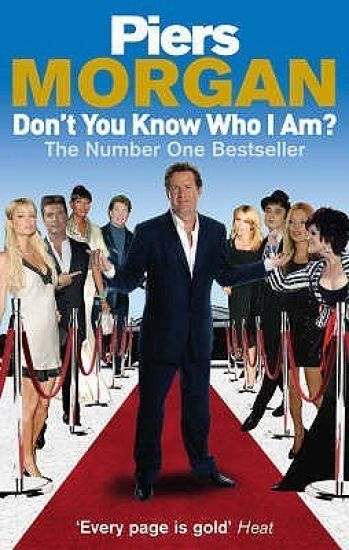
Don't You Know Who I Am?

Don't You Know Who I Am?

Piers Morgan

Ebury Press
2008
pokkari
'They say you can always remember where you where when pivotal moments happen, such as losing your virginity or Elvis dying. Let me add another to the list: the moment I sang a duet to the the "Macarena" with Timmy Mallett, live to millions of people...'Sacked from his high-profile job as a national newspaper editor, Piers Morgan dived helplessly into the world of celebrity. But even twenty years of commenting on the lives of the rich and famous couldn't prepare him for the extraordinary world he uncovered...A riveting, scandelous and brutally honest account of one man's quest for celebrity, Don't You Know Who I Am? lifts the lid on the egos and outrageous behaviour of everyone from Paris Hilton to Cherie Blair, Kate Moss to the legend that is the Hoff.
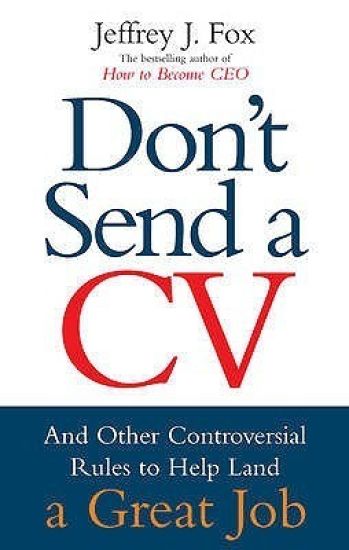
Don't Send A CV

Don't Send A CV

Jeffrey J Fox

Ebury Press
2009
pokkari
Lets you get the perfect job by disregarding the conventional job-seeking methods. This book teaches you how to act like a business supremo with insider advice, from how to give the best impression over a lunch interview to how to sell yourself as an 'impact player' in a brief but selling letter.
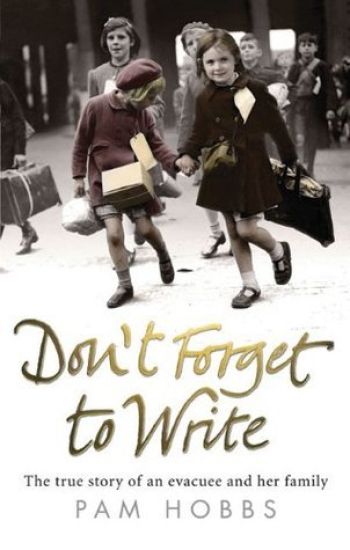
Don't Forget to Write

Don't Forget to Write

Pam Hobbs

Ebury Press
2009
pokkari
'Dad walked determinedly down the path, joined by two neighbours with five children between them. As we reached the corner of Kent Avenue, I looked back for one last wave. But Mum had buried her head in her pinny and it was a year before I saw her again.'In June 1940, 10-year-old Pam Hobbs and her sister Iris took the long journey from their council home in Leigh-on-Sea to faraway rural Derbyshire.Living away from Mum and Dad for two long years, Pam was moved between four foster homes. In some she and Iris found a second family, with babies to look after, car rides and picnics, and even a pet pig. But other billets took a more sinister turn, as the adults found it easy to exploit the children in their care.Returning to Essex, things would never be the same again, and the war was far from over. Making do with rations, dodging bombs and helping with the war effort, Pam and her family struggled to get by.In Don't Forget to Write, with warmth and vivid detail, Pam describes a time that was full of overwhelming hardship and devastation; yet also of kindness and humour, resilience and courage.
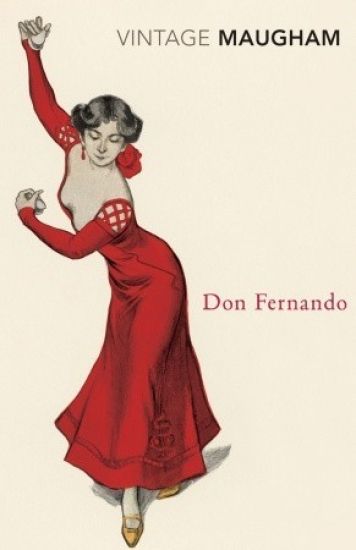
Don Fernando

Don Fernando

W. Somerset Maugham

Vintage
2000
pokkari
Considered by Graham Greene to be Maugham's best work, Don Fernando is a paean to a golden age of enormous creative energy. This vibrant assessment of a great people at their greatest hour is full of happy surprises, curious facts and stimulating opinions that reflect Maugham's lifelong enchantment with the landscape and people of Spain.
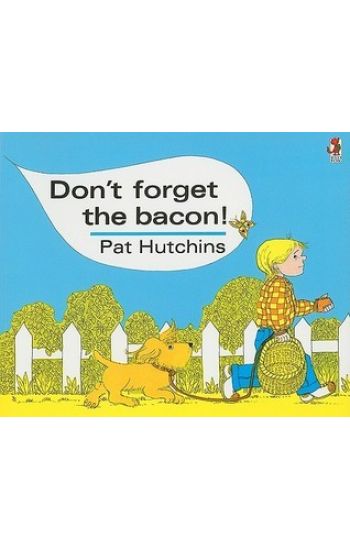
Don't Forget The Bacon

Don't Forget The Bacon

Pat Hutchins

Random House Childrens Books
2002
pokkari
"Six farm eggs, a cake for tea, a pound of pears and don't forget the bacon". A young boy sets out to do the shopping, determined to remember this simple list, but as the sights and sounds of town distract him, he finds himself in a terrible muddle.
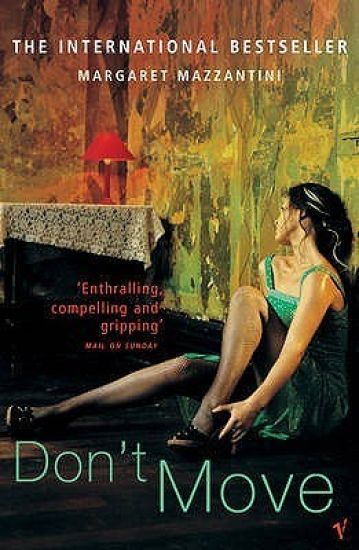
Don't Move

Don't Move

Margaret Mazzantini

Vintage
2005
pokkari
Timoteo: high-flying career as a surgeon, beautiful wife, luxurious apartment, villa by the sea - he seems the epitome of success and glamour. The story of a doomed love affair with a woman who, from the moment Timoteo meets her, undermines everything he thought he knew about himself.
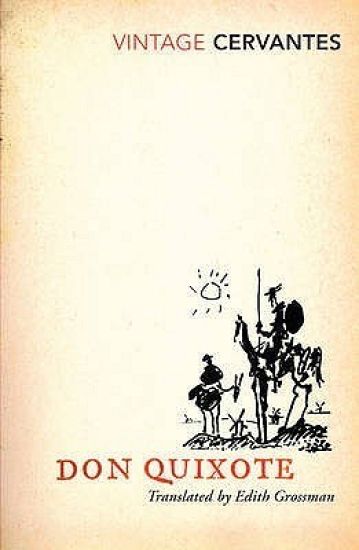
Don Quixote

Don Quixote

Miguel De Cervantes

Vintage
2005
pokkari
TRANSLATED BY EDITH GROSSMANWidely regarded as the world's first modern novel, and one of the funniest and most tragic books ever written, Don Quixote chronicles the famous picaresque adventures of the noble knight-errant Don Quixote de La Mancha and his faithful squire, Sancho Panza, as they travel through sixteenth-century Spain.
Don't Call It Night

Don't Call It Night

Amos Oz

Vintage
1996
pokkari
In the summer of 1989, at Tel-Kedar, a small settlement in the Negev Desert, the long time love affair between Theo, a sixty-year-old civil engineer, and Noa, a much younger school teacher, is slowly disintegrating.
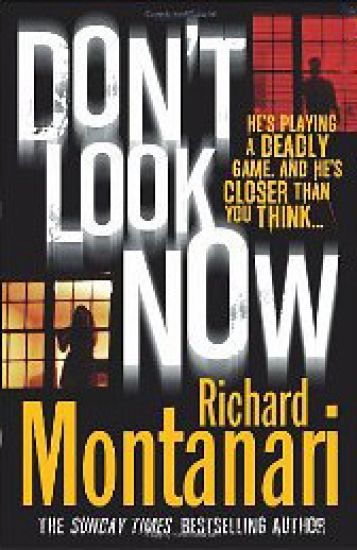
Don't Look Now

Don't Look Now

Richard Montanari

Cornerstone
2011
pokkari
Andrea Heller has been married for seven years, but still likes to pretend she's single. And each step that Homicide Detective Jack Paris takes to find their killer draws him closer to the heart of his own forbidden impulses. To enter the minds of Saila and Pharaoh is to enter a world from which no one ever fully returns...
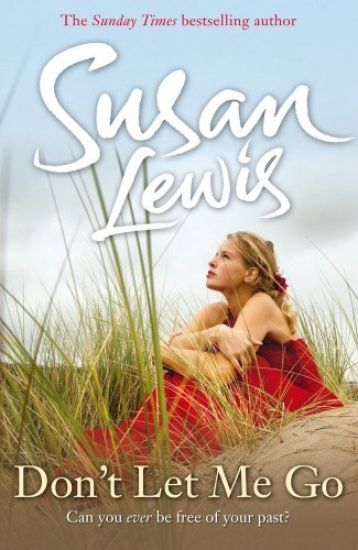
Don't Let Me Go

Don't Let Me Go

Susan Lewis

Cornerstone
2013
pokkari
Charlotte Nicholls has a secret that haunts her. She and three-year-old Chloe have left their home and friends, and are now building a new life for themselves elsewhere. All Charlotte wants to do is to forget the past, to blot out what went before, and to look only to the future.
Don't Blink

Don't Blink

James Patterson

Arrow Books Ltd
2011
pokkari
Reporter Nick Daniels is conducting a once-in-a-lifetime interview with an infamous celebrity recluse in a renowned New York restaurant. But the interview is cut short by a horrific murder that takes place just yards from their table. The assassin escapes as quickly as he entered, leaving behind him a chaotic scene and a bloody corpse.While Nick is reviewing the tapes from his interview, he stumbles upon a piece of evidence that could be crucial to the murder investigation. But something about the whole scenario doesn't fit together. As Nick investigates the clues for himself, he realises that someone is watching his every move - and they will stop at nothing to prevent Nick from discovering the truth.
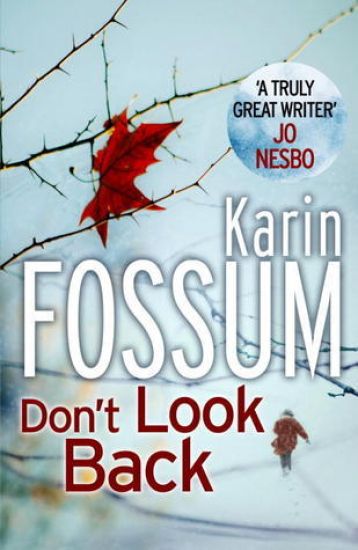
Don't Look Back

Don't Look Back

Karin Fossum

Vintage
2013
pokkari
As the suspense builds, and the list of suspects grows, Sejer's determination to discover the truth leads him to peel away layer upon layer of distrust and lies in this tiny community where apparently normal family ties hide dark secrets.
Don't Let the Bastards Grind You Down

Don't Let the Bastards Grind You Down

Robert Sellers

Arrow Books Ltd
2012
pokkari
Alan Bates, Michael Caine, Sean Connery, Tom Courtenay, Albert Finney, Richard Harris, Peter O'Toole, Robert Shaw and Terence Stamp: They are the most formidable acting generation ever to tread the boards or stare into a camera, whose anti-establishment attitude changed the cultural landscape of Britain.This was a new breed, many culled from the working class industrial towns of Britain, and nothing like them has been seen before or since. Their raw earthy brilliance brought realism to a whole range of groundbreaking theatre from John Osborne's Look Back in Anger to Joan Littlewood and Harold Pinter and the creation of the National Theatre. And they ripped apart the staid, middle-class British film industry with kitchen-sink classics like Saturday Night and Sunday Morning, This Sporting Life, The Loneliness of the Long Distance Runner, A Kind of Loving and Billy Liar before turning their sights on international stardom: Connery with James Bond, O'Toole as Lawrence of Arabia, Finney with Tom Jones and Caine in Zulu.Don't Let the Bastards Grind You Down brings alive the trail-blazing period of theatre and film from 1956-1964 through the vibrant energy and exploits of this revolutionary generation of stars who bulldozed over austerity Britain and paved the way for the swinging 60s. What Peter Biskind's Easy Riders Raging Bulls did for American cinema writing so Don't Let the Bastards will do for the British cinema.
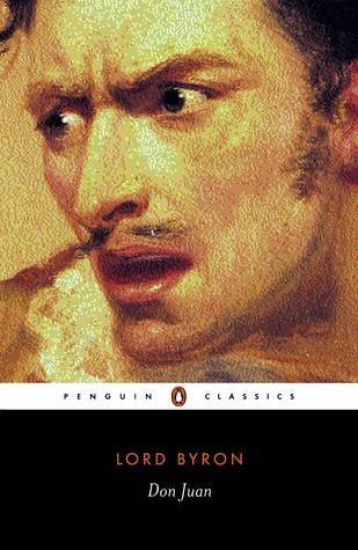
Don Juan

Don Juan

Byron

Penguin Classics
2004
pokkari
An epic poem describes the adventures of a Spanish ladies' man and satirizes English society and customs as it follows the irrepressible Don Juan from an illicit teenage love affair and subsequent exile to Italy, shipwreck, slavery, exploits in Russia as a favorite of the Empress Catherine, and journey to England. Reprint.