This work has been selected by scholars as being culturally important and is part of the knowledge base of civilization as we know it.This work is in the public domain in the United States of America, and possibly other nations. Within the United States, you may freely copy and distribute this work, as no entity (individual or corporate) has a copyright on the body of the work.Scholars believe, and we concur, that this work is important enough to be preserved, reproduced, and made generally available to the public. To ensure a quality reading experience, this work has been proofread and republished using a format that seamlessly blends the original graphical elements with text in an easy-to-read typeface.We appreciate your support of the preservation process, and thank you for being an important part of keeping this knowledge alive and relevant.
Title: The Wooing of Doris.Publisher: British Library, Historical Print EditionsThe British Library is the national library of the United Kingdom. It is one of the world's largest research libraries holding over 150 million items in all known languages and formats: books, journals, newspapers, sound recordings, patents, maps, stamps, prints and much more. Its collections include around 14 million books, along with substantial additional collections of manuscripts and historical items dating back as far as 300 BC.The GENERAL HISTORICAL collection includes books from the British Library digitised by Microsoft. This varied collection includes material that gives readers a 19th century view of the world. Topics include health, education, economics, agriculture, environment, technology, culture, politics, labour and industry, mining, penal policy, and social order. ++++The below data was compiled from various identification fields in the bibliographic record of this title. This data is provided as an additional tool in helping to insure edition identification: ++++ British Library Spender, Lily; 1895. 344 p.; 8 . 012628.m.33.
The phenomenon of Doris Lessing's global reputation and readership is addressed for the first time in In Pursuit of Doris Lessing through a series of essays that also provide a provocative overview of Lessing's long career from The Grass Is Singing, the first of a series of African and woman-centered politically radical works, to her latest galactic and politically conservative works. Nine different Lessings emerge from these essays, forcing us to question received propositions about the universality of literature and the stability of the text and uncovering and recovering in the process the pungent, variable, controversial Lessing who has been and remains as international and transcultural as she is African and English.
Little Croc wants a pet. But his mum and dad have other news - they are expecting a baby. And when Baby Doris arrives, Little Croc decides she is the most annoying little sister EVER. A warm and witty picture book by the creator of THE BRILLIANT WORLD OF TOM GATES and winner of the Roald Dahl Funny Prize.
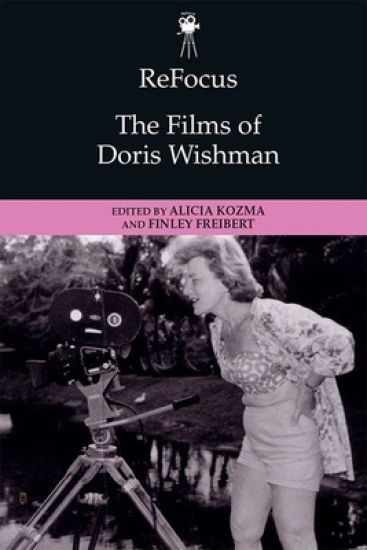
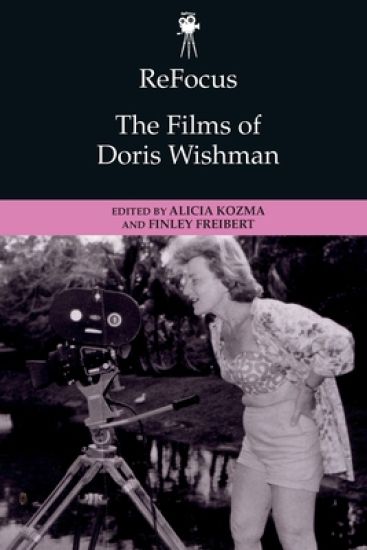
Producer, distributor, and director Doris Wishman (19122002) was a pioneering woman in the film industry, leaving a body of work almost 30 films strong. Largely overlooked by critical and cultural analysis, Wishman worked in the normatively neglected film genre of sexploitation and adult film, but works like Hideout in the Sun (1960), Bad Girls Go To Hell (1965), Double Agent 73 (1974) and Each Time I Kill (2007) demonstrate an interest in complicated, ideological and often troubling social performances of the contemporary human condition. ReFocus: The Films of Doris Wishman positions Wishman as a significant and overlooked force in American independent film, with an impact on how we currently understand the categories of cult, exploitation, horror, experimental and avant-garde cinema.
Offers the first book length contribution to Doris Wishman Covers Wishman's vast filmography inclusive of her less discussed later films, hardcore films and nudist films Situates Wishman within larger contexts and movements in American film history including women's filmmaking, avant-garde and experimental cinema and genre film Considers the cultural, historical, and industrial significance of Wishman with focuses on gender studies, genre studies, film narrative, feminist history, queer history and adult film history Producer, distributor, and director Doris Wishman (1912 2002) was a pioneering woman in the film industry, leaving a body of work almost 30 films strong. Largely overlooked by critical and cultural analysis, Wishman worked in the normatively neglected film genre of sexploitation and adult film, but works like Hideout in the Sun (1960), Bad Girls Go To Hell (1965), Double Agent 73 (1974) and Each Time I Kill (2007) demonstrate an interest in complicated, ideological and often troubling social performances of the contemporary human condition. ReFocus: The Films of Doris Wishman positions Wishman as a significant and overlooked force in American independent film, with an impact on how we currently understand the categories of cult, exploitation, horror, experimental and avant-garde cinema.