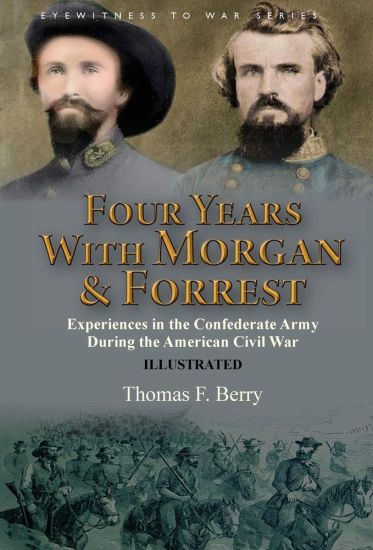
Campaigns with the daring raiding riders of the ConfederacyThe war fought by the daring Confederate cavalry raiders is a singular and interesting element of the history of the American Civil War and one that has remained perennially fascinating to its students. Two of that war's most successful CSA commanders were Nathan Bedford Forrest and John Hunt Morgan. The author of this book served under both generals with Duke's 2nd Kentucky Cavalry and he kept a comprehensive diary of his wartime experiences which he later published as a memoir. Berry's military career in such company could not have been anything but thrilling and, indeed, he was wounded in action several times and was captured by Union forces and escaped on thirteen occasions. Colonel Berry's story is filled with the skirmishing actions typical of the war he fought in with men such as Jesse James and Charles Quantrell, both of whom also appear in these pages. This is an essential American Civil War personal account for every library on the subject and is recommended.Leonaur editions are newly typeset and are not facsimiles; each title is available in softcover and hardback with dustjacket.
Campaigns with the daring raiding riders of the ConfederacyThe war fought by the daring Confederate cavalry raiders is a singular and interesting element of the history of the American Civil War and one that has remained perennially fascinating to its students. Two of that war's most successful CSA commanders were Nathan Bedford Forrest and John Hunt Morgan. The author of this book served under both generals with Duke's 2nd Kentucky Cavalry and he kept a comprehensive diary of his wartime experiences which he later published as a memoir. Berry's military career in such company could not have been anything but thrilling and, indeed, he was wounded in action several times and was captured by Union forces and escaped on thirteen occasions. Colonel Berry's story is filled with the skirmishing actions typical of the war he fought in with men such as Jesse James and Charles Quantrell, both of whom also appear in these pages. This is an essential American Civil War personal account for every library on the subject and is recommended.Leonaur editions are newly typeset and are not facsimiles; each title is available in softcover and hardback with dustjacket.
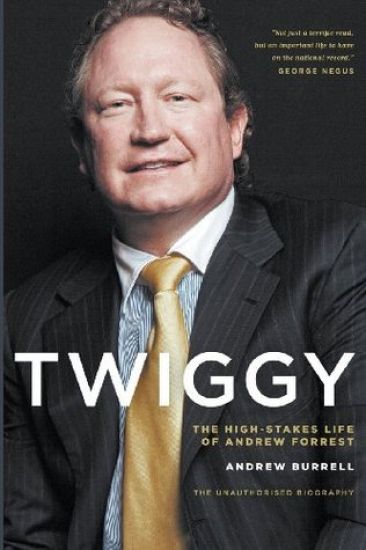
Andrew 'Twiggy' Forrest is the public face of Australia's once-in-a-lifetime mining boom. A swashbuckling entrepreneur in the finest West Australian tradition, Twiggy took on mining giants BHP Billiton and Rio Tinto at their own game - and won. Yet he has also been embroiled in two of the most heated debates in recent Australian history- over the treatment of Aboriginal people and the mining super-profits tax. In this unauthorised biography, Andrew Burrell traces Twiggy's business triumphs and disasters to reveal the complicated man behind the myth. Why do his mining ventures attract so much controversy? And what do his philanthropic schemes tell us about him and his plans for the future? It takes extraordinary force of will, combined with boundless energy and cunning, to create enterprises on such a mammoth scale. With the value of iron ore now integral to the health of the federal budget, Twiggy's business affects all Australians. This entertaining book gives a unique insight into one of the most powerful men in Australia today. 'A riveting investigation of one of our richest businessmen, biggest philanthropists and greatest fast-talkers.'Laura Tingle 'Burrell's Forrest is the epitome, some would say a caricature, of the Australian self-styled capitalist risk-taker, utterly convinced that 'what's good for Twiggy is good for the country!' But what if it's not? He didn't cooperate with the author, but Twiggy should read Twiggy. He might learn something about his methods, about his unapologetically mercenary manner and motivation, indeed about himself - the good, the bad and the ugly. Not just a terrific read, but an important life to have on the national record.' George Negus
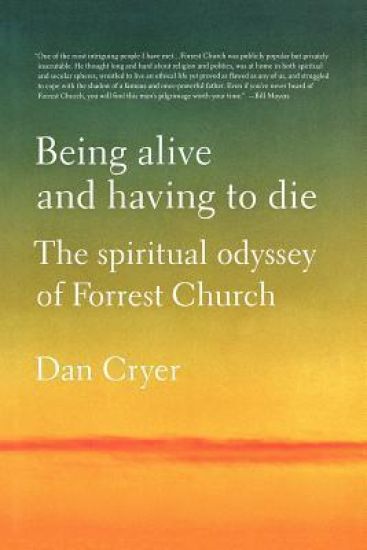
One of the year's Top Ten Books on Religion and Spirituality (Booklist), Being Alive and Having to Die is the story of the remarkable public and private journey of Reverend Forrest Church, the scholar, activist, and preacher whose death became a way to celebrate life. Through his pulpit at the prestigious Unitarian Church of All Souls in New York, Reverend Forrest Church became a champion of liberal religion and a leading opponent of the religious right. An inspired preacher, a thoughtful theologian and an eloquent public intellectual, Church built a congregation committed to social service for people in need, while writing twenty five books, hosting a cable television program, and being featured in People, Esquire, New York Magazine, and on numerous national television and radio appearances. Being Alive and Having to Die works on two levels, as an examination of liberal religion during the past 30 years of conservative ascendancy, and as a fascinating personal story. Church grew up the son of Senator Frank Church of Idaho, famous for combating the Vietnam War in the 1960s and the CIA in the 1970s. Like many sons of powerful fathers, he rebelled and took a different path in life, which led him to his own prominence. Then, in 1991, at the height of his fame, he fell in love with a married parishioner and nearly lost his pulpit. Eventually, he regained his stature, overcame a long-secret alcoholism, wrote his best books-and found himself diagnosed with terminal cancer. His three year public journey toward death brought into focus the preciousness of life, not only for himself, but for his ministry. Based on extraordinary access to Church and over 200 interviews with family, friends, and colleagues, Dan Cryer bears witness to a full, fascinating, at time controversial life. Being Alive and Having to Die is an honest look at an imperfect man and his lasting influence on modern faith.
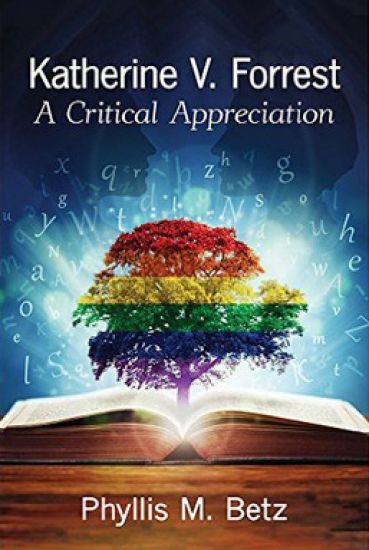
Best known for her Kate Delafield detective series, Katherine V. Forrest is recognized as one of the preeminent figures in lesbian popular literature. Yet her work has received little scholarly attention. This critical study explores Forrest's entire body of work, including her fiction and (perhaps more importantly) her writing about writing, popular genres and her readers. Her science fiction and romance novels are analyzed, with a focus on the reasons behind their enduring appeal. Her most famous romance, Curious Wine, originally published in 1984, remains in print--a longevity far exceeding the typical romance novel.
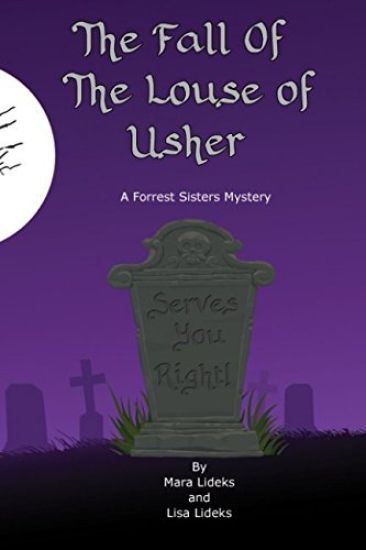
The first time Emmy's husband is killed, police place the blame on her famous rosemary-laced soup. Although her two sisters concede Emmy's cooking is pure murder, they know she's innocent and set out to clear her name. When Flynn Fairbanks, the Curling King is murdered again--for good this time--all three sisters face death. They must get to the killer before the killer gets to them."What a rollercoaster romp of a mystery Lisa and Mara Lideks have created a captivating trio of sister sleuths whose zany adventures had me laughing every step of the way. Very funny writing, clever plot twists--all this, plus a pet peacock named Scofflaw. I loved it "-Laura Levine, television writer and author of the Jaine Austen Mysteries
When the terrorist sympathizing oil company known as OilSource opens up an operation in Mexico, the U.S. is forced to react. Enter, Forrest Reed, an excommunicated military veteran who will jump at the chance to earn immunity for his past crimes. He poses as a private investigator assisting Kimberly Moffitt in finder her father, founder of Soldier of Love, who went missing while investigating OilSource. Together they will traverse obstacle after obstacle to rescue her father and find out what OilSource has planned so close to the U.S. border.
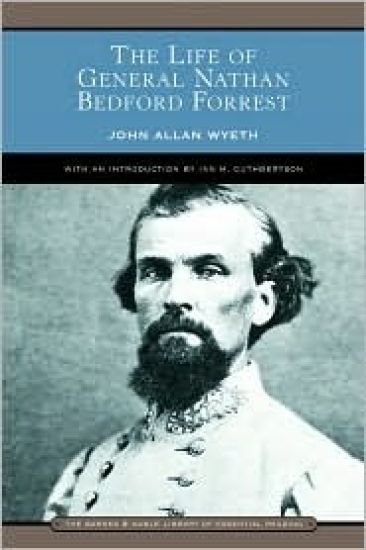
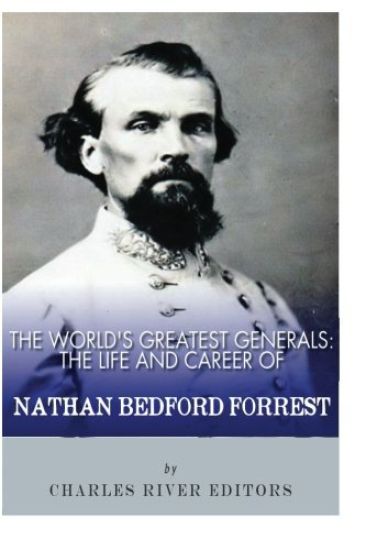
*Includes pictures of Forrest and important people, places, and events in his life. *Includes a bibliography for further reading. "I got there first with the most men." - Nathan Bedford Forrest Despite the fact that the Civil War was fought nearly 150 years ago, it remains a polarizing topic for the country to this day. And nowhere is this more evident than in the life and legacy of Confederate Lieutenant General Nathan Bedford Forrest, the war's most controversial soldier. When the war broke out, Forrest enlisted in the army and was instructed to raise a battalion of cavalry. A self-made man with no formal military training, Forrest spent the entire war fighting in the Western theater, becoming the only individual in the war to rise from the rank of Private to Lieutenant General. By the end of the war, Forrest was known throughout the South as the "Wizard of the Saddle," and anecdotes of his prowess in battle were legendary. In addition to being injured multiple times in battle, Forrest has been credited with having killed 30 Union soldiers in combat and having 29 horses shot out from under him. History has properly accorded Forrest his place as one of the most courageous soldiers of the Civil War, and Forrest attained a number of command successes in the Western theater of the war. But Forrest was also at the head of Confederate troops accused of massacring a Union garrison comprised mostly of black soldiers at Fort Pillow, and he was also a prominent slave trader, an overt racist, and likely a leader of the Ku Klux Klan after the Civil War. When he died in 1877, in part due to various war wounds, he was the nation's most notorious unreconstructed rebel. John E. Stanchack, an editor of the Civil War Times Illustrated, aptly noted in 1993, "Everything...about Forrest] is bent to fit some political or intellectual agenda." Ashdown and Caudill, authors of The Myth of Nathan Bedford Forrest, write that the story of Forrest "embraces violence, race, realism, sectionalism, politics, reconciliation, and repentance." With these characteristics, it has proven almost impossible for any American to have a neutral view of Forrest, and it has been even harder to ignore him. Subsequently, Forrest's image has vacillated from celebrated to reviled, sometimes both at the same time, over the last 150 years, as the numerous and notable aspects of Forrest's life and legacy were considered by different people at different times. The World's Greatest Generals: The Life and Career of Nathan Bedford Forrest addresses the controversies and battles within Forrest's war record, but it also humanizes the man, explaining what drove him before and after the war. Along with pictures of Forrest and other important people, places and events in his life, you will learn about the Wizard of the Saddle like you never have before, in no time at all.
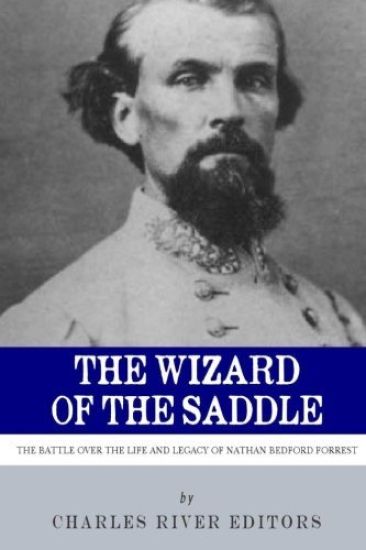
*Includes pictures of Forrest and important people, places, and events. *Includes a lengthy bibliography for further reading. "I got there first with the most men." - Nathan Bedford Forrest Despite the fact that the Civil War was fought nearly 150 years ago, it remains a polarizing topic for the country to this day. And nowhere is this more evident than in the life and legacy of Confederate Lieutenant General Nathan Bedford Forrest, the war's most controversial soldier. When the war broke out, Forrest enlisted in the army and was instructed to raise a battalion of cavalry. A self-made man with no formal military training, Forrest spent the entire war fighting in the Western theater, becoming the only individual in the war to rise from the rank of Private to Lieutenant General. By the end of the war, Forrest was known throughout the South as the "Wizard of the Saddle," and anecdotes of his prowess in battle were legendary. In addition to being injured multiple times in battle, Forrest has been credited with having killed 30 Union soldiers in combat and having 29 horses shot out from under him. Northerners weren't the only ones who felt his wrath; Forrest famously feuded with several commanding officers and notoriously killed an artillery commander in his unit after a verbal confrontation spiraled out of control. History has properly accorded Forrest his place as one of the most courageous soldiers of the Civil War, and Forrest attained a number of command successes in the Western theater of the war. But Forrest was also at the head of Confederate troops accused of massacring a Union garrison comprised mostly of black soldiers at Fort Pillow, and he was also a prominent slave trader, an overt racist, and likely a leader of the Ku Klux Klan after the Civil War. When he died in 1877, in part due to various war wounds, he was the nation's most notorious unreconstructed rebel. Ashdown and Caudill, authors of The Myth of Nathan Bedford Forrest, write that the story of Forrest "embraces violence, race, realism, sectionalism, politics, reconciliation, and repentance." With these characteristics, it has proven almost impossible for any American to have a neutral view of Forrest, and it has been even harder to ignore him. Subsequently, Forrest's image has vacillated from celebrated to reviled, sometimes both at the same time, over the last 150 years, as the numerous and notable aspects of Forrest's life and legacy were considered by different people at different times. The Wizard of the Saddle: The Battle over the Life and Legacy of Nathan Bedford Forrest traces his life and Civil War record in the first part, detailing both his wild successes and his biggest controversies. The second part looks at how Forrest's legacy has been interpreted in the North and South since the end of the war, and how it fits within the context of Civil War memory and historiography as a whole, showing how Americans' opinions of Forrest have changed over time in conjunction with how the war and its aftermath were viewed. Along with pictures of Forrest and other important people, places and events in his life, you will learn about the Wizard of the Saddle like you never have before, in no time at all.
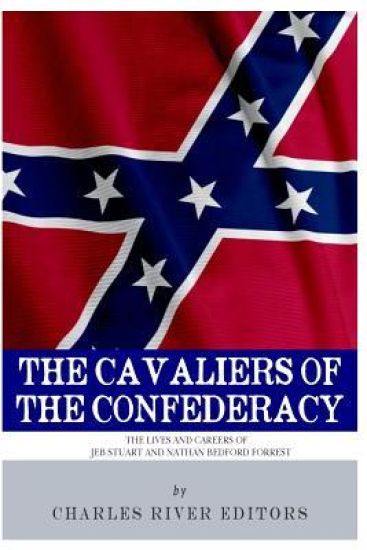
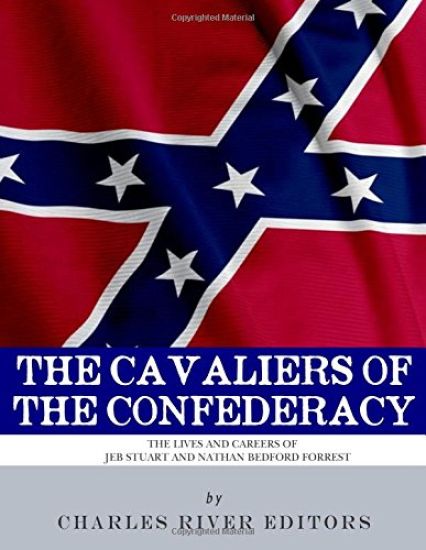
*Includes pictures of Forrest, Stuart, and important people, places, and events in their lives. *Includes Bibliographies on each man for further reading. Despite the fact that the Civil War was fought nearly 150 years ago, it remains a polarizing topic for the country to this day. While the Lost Cause celebrates the chivalry and virtue of men like Robert E. Lee, other Southerners celebrate the swagger, courage, and toughness of others. No two men represent the dichotomy more than the Confederacy's two greatest cavalry leaders, JEB Stuart and Nathan Bedford Forrest. Indeed, just about the only thing the two men had in common was successful but controversial Civil War careers, Stuart in the East and Forrest in the West. Alongside Lee, no one epitomized the chivalry and heroism celebrated by the Lost Cause more than JEB Stuart (1833-1864), the most famous cavalry officer of the Civil War. Stuart was equal parts great and grandiose, leading the cavalry for the Confederacy in Lee's Army of Northern Virginia until his death at the Battle of Yellow Tavern in May 1864. Stuart was a throwback to the past, colorfully dressing with capes, sashes, and an ostrich plumed hat, while sporting cologne and a heavy beard. But he was also brilliant in conducting reconnaissance, and he proved capable of leading both cavalry and infantry at battles like Chancellorsville. As the eyes and ears of Robert E. Lee's army, none were better, despite the fact that he was only in his late 20s and early 30s during the Civil War, far younger than most men of senior rank. However, Stuart's role at Gettysburg was far more controversial. Given great discretion in his cavalry operations before the battle, Stuart's cavalry was too far removed from the Army of Northern Virginia to warn Lee of the Army of the Potomac's movements. Lee's army inadvertently stumbled into the Union army at Gettysburg, walking blindly into what became the largest battle of the war. Stuart has been heavily criticized ever since. When the war broke out, Nathan Bedford Forrest enlisted in the army and was instructed to raise a battalion of cavalry. A self-made man with no formal military training, Forrest spent the entire war fighting in the Western theater, becoming the only individual in the war to rise from the rank of Private to Lieutenant General. By the end of the war, Forrest was known throughout the South as the "Wizard of the Saddle," and anecdotes of his prowess in battle were legendary. In addition to being injured multiple times in battle, Forrest has been credited with having killed 30 Union soldiers in combat and having 29 horses shot out from under him. But Forrest was also at the head of Confederate troops accused of massacring a Union garrison comprised mostly of black soldiers at Fort Pillow, and he was also a prominent slave trader, an overt racist, and likely a leader of the Ku Klux Klan after the Civil War. When he died in 1877, in part due to various war wounds, he was the nation's most notorious unreconstructed rebel. John E. Stanchack, an editor of the Civil War Times Illustrated, aptly noted in 1993, "Everything...about Forrest] is bent to fit some political or intellectual agenda." Ashdown and Caudill, authors of The Myth of Nathan Bedford Forrest, write that the story of Forrest "embraces violence, race, realism, sectionalism, politics, reconciliation, and repentance." The Cavaliers of the Confederacy addresses the controversies and battles that made these two leaders famous and infamous. Along with pictures of the two generals and other important people, places and events in their lives, you will learn about the Confederacy's greatest cavaliers like you never have before, in no time at all.
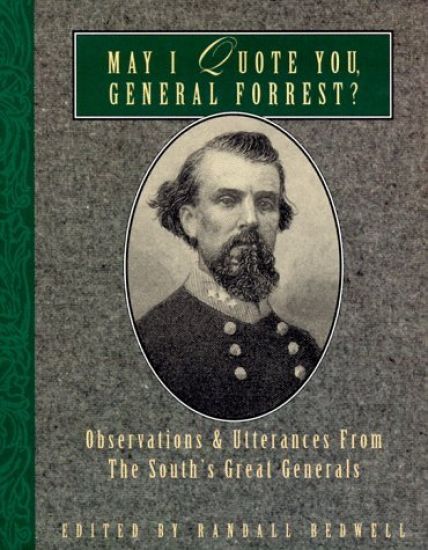
May I Quote You, General Forrest? is a collection of quotations from Nathan Bedford Forrest, the Confederate general whose innovative tactics set him apart from other military leaders of his time. His reputation as a cunning tactician and commander has only increased over time.
*Includes pictures of Forrest, Stuart, and important people, places, and events in their lives. *Includes Bibliographies on each man for further reading. Despite the fact that the Civil War was fought nearly 150 years ago, it remains a polarizing topic for the country to this day. While the Lost Cause celebrates the chivalry and virtue of men like Robert E. Lee, other Southerners celebrate the swagger, courage, and toughness of others. No two men represent the dichotomy more than the Confederacy's two greatest cavalry leaders, JEB Stuart and Nathan Bedford Forrest. Indeed, just about the only thing the two men had in common was successful but controversial Civil War careers, Stuart in the East and Forrest in the West. Alongside Lee, no one epitomized the chivalry and heroism celebrated by the Lost Cause more than JEB Stuart (1833-1864), the most famous cavalry officer of the Civil War. Stuart was equal parts great and grandiose, leading the cavalry for the Confederacy in Lee's Army of Northern Virginia until his death at the Battle of Yellow Tavern in May 1864. Stuart was a throwback to the past, colorfully dressing with capes, sashes, and an ostrich plumed hat, while sporting cologne and a heavy beard. But he was also brilliant in conducting reconnaissance, and he proved capable of leading both cavalry and infantry at battles like Chancellorsville. As the eyes and ears of Robert E. Lee's army, none were better, despite the fact that he was only in his late 20s and early 30s during the Civil War, far younger than most men of senior rank. However, Stuart's role at Gettysburg was far more controversial. Given great discretion in his cavalry operations before the battle, Stuart's cavalry was too far removed from the Army of Northern Virginia to warn Lee of the Army of the Potomac's movements. Lee's army inadvertently stumbled into the Union army at Gettysburg, walking blindly into what became the largest battle of the war. Stuart has been heavily criticized ever since. When the war broke out, Nathan Bedford Forrest enlisted in the army and was instructed to raise a battalion of cavalry. A self-made man with no formal military training, Forrest spent the entire war fighting in the Western theater, becoming the only individual in the war to rise from the rank of Private to Lieutenant General. By the end of the war, Forrest was known throughout the South as the "Wizard of the Saddle," and anecdotes of his prowess in battle were legendary. In addition to being injured multiple times in battle, Forrest has been credited with having killed 30 Union soldiers in combat and having 29 horses shot out from under him. But Forrest was also at the head of Confederate troops accused of massacring a Union garrison comprised mostly of black soldiers at Fort Pillow, and he was also a prominent slave trader, an overt racist, and likely a leader of the Ku Klux Klan after the Civil War. When he died in 1877, in part due to various war wounds, he was the nation's most notorious unreconstructed rebel. John E. Stanchack, an editor of the Civil War Times Illustrated, aptly noted in 1993, "Everything...about Forrest] is bent to fit some political or intellectual agenda." Ashdown and Caudill, authors of The Myth of Nathan Bedford Forrest, write that the story of Forrest "embraces violence, race, realism, sectionalism, politics, reconciliation, and repentance." The Cavaliers of the Confederacy addresses the controversies and battles that made these two leaders famous and infamous. Along with pictures of the two generals and other important people, places and events in their lives, you will learn about the Confederacy's greatest cavaliers like you never have before, in no time at all.