Traditions of the North American Indians, Vol. 2, a classical book, was published more than a century ago and has been considered important throughout the human history, and so that this work is never forgotten we at Alpha Editions have made efforts in its preservation by republishing this book in a modern format for present and future generations. This whole book has been reformatted, retyped and designed. These books are not made of scanned copies of their original work and hence the text is clear and readable.
Traditions of the North American Indians, Vol. 1, a classical book, was published more than a century ago and has been considered important throughout the human history, and so that this work is never forgotten we at Alpha Editions have made efforts in its preservation by republishing this book in a modern format for present and future generations. This whole book has been reformatted, retyped and designed. These books are not made of scanned copies of their original work and hence the text is clear and readable.
Traditions of the North American Indians, Vol. 3, a classical book, was published more than a century ago and has been considered important throughout the human history, and so that this work is never forgotten we at Alpha Editions have made efforts in its preservation by republishing this book in a modern format for present and future generations. This whole book has been reformatted, retyped and designed. These books are not made of scanned copies of their original work and hence the text is clear and readable.
What are the benefits of being a spiritual person? This is the question that James Jones explores in his newest book, "The Mirror of God." Jones contends that true religious belief is not a passive process and that one must work hard towards believing in God through acts such as prayer, meditation and communal worship. He explores the boundaries between psychotherapy and religious practice, looks at what Christians might learn from Buddhists and shows their effects on the body and mind. Jones is a psychologist as well as a professor of religion and, ultimately, he provides a blueprint for worship that's smart, effective and grounded in the real lives we all live.
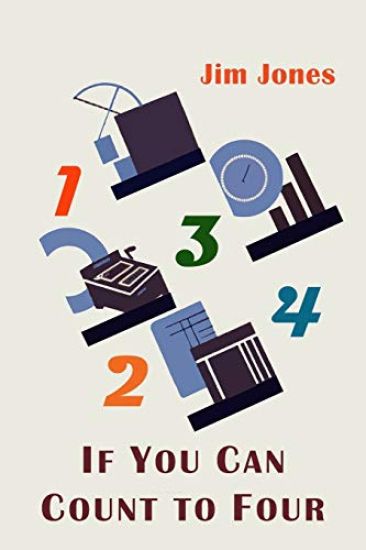
If You Can Count To Four is a self-help book written by Jim Jones. The book provides readers with a step-by-step guide to achieving success in life. The author believes that success is achievable for everyone, regardless of their background, education, or current circumstances. The book is divided into four parts, each of which focuses on a different aspect of success. The first part teaches readers how to set goals and develop a positive attitude. The second part focuses on the importance of taking action and developing good habits. The third part discusses the power of visualization and how it can help readers achieve their goals. The final part of the book provides readers with practical advice on how to overcome obstacles and achieve success. Throughout the book, the author uses real-life examples and personal anecdotes to illustrate his points. Overall, If You Can Count To Four is a motivational and inspiring book that encourages readers to take control of their lives and achieve their dreams.This scarce antiquarian book is a facsimile reprint of the old original and may contain some imperfections such as library marks and notations. Because we believe this work is culturally important, we have made it available as part of our commitment for protecting, preserving, and promoting the world's literature in affordable, high quality, modern editions, that are true to their original work.
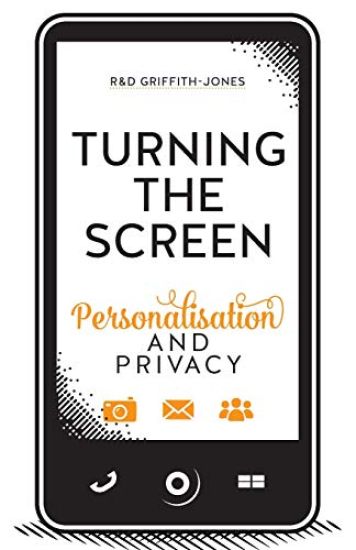
We haven't been watching you. We don't know who you are. But if we wanted to, we could find a lot about you: what text font you prefer to read, its size and if you digest a diagram better than text. We didn't buy this information, so... we're sorry about that? Companies, however, do take such an approach to their communications: a process known as "personalisation". We consider what gave birth to personalisation; its impact on businesses, consumers and our right to privacy. Big Data, Snowden, Facebook, Celeb iCloud, Russian Cyber Hack; We live in a world where personal information is dropped like never before. Whatever side of the corporate-consumer fence you're on: it's time you understood the power and potential of personalised digital experiences.
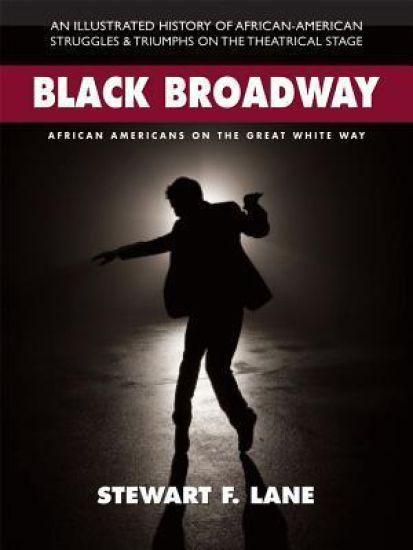
The African-American actors and actresses whose names have shone brightly on Broadway marquees earned their place in history not only through hard work, perseverance, and talent, but also because of the legacy left by those who came before them. Like the doors of many professions, those of the theater world were shut to minorities for decades. While the Civil War may have freed the slaves, it was not until the Civil Rights Movement of the 1960s that the playing field began to level. In this remarkable book, theater producer and historian Stewart F. Lane uses words and pictures to capture this tumultuous century and to highlight the rocky road that black actors have travelled to reach recognition on the Great White Way. After the Civil War, the popularity of the minstrel shows grew by leaps and bounds throughout the country. African Americans were portrayed by whites, who would entertain audiences in black face. While the depiction of blacks was highly demeaning, it opened the door to African-American performers, and by the late 1800s, a number of them were playing to full houses. By the 1920s, the Jazz Age was in full swing, allowing black musicians and composers to reach wider audiences. And in the thirties, musicals such as George Gershwin s "Porgy and Bess "and" "Eubie Blake s" Swing It" opened the door a little wider. As the years passed, black performers continued to gain ground. In the 1940s, Broadway productions of Cabin in the Sky, Carmen Jones, and St. Louis Woman enabled African Americans to demonstrate a fuller range of talents, and Paul Robeson reached national prominence in his awarding-winning portrayal of Othello. By the 1950s and 60s, more black actors including Ruby Dee, Ossie Davis, and Sidney Poitier had found their voices on stage, and black playwrights and directors had begun to make their marks. "Black Broadway" provides an entertaining, poignant history of a Broadway of which few are aware. By focusing a spotlight on both performers long forgotten and on those whom we still hold dear, this unique book offers a story well worth telling.
This work has been selected by scholars as being culturally important and is part of the knowledge base of civilization as we know it.This work is in the public domain in the United States of America, and possibly other nations. Within the United States, you may freely copy and distribute this work, as no entity (individual or corporate) has a copyright on the body of the work.Scholars believe, and we concur, that this work is important enough to be preserved, reproduced, and made generally available to the public. To ensure a quality reading experience, this work has been proofread and republished using a format that seamlessly blends the original graphical elements with text in an easy-to-read typeface.We appreciate your support of the preservation process, and thank you for being an important part of keeping this knowledge alive and relevant.