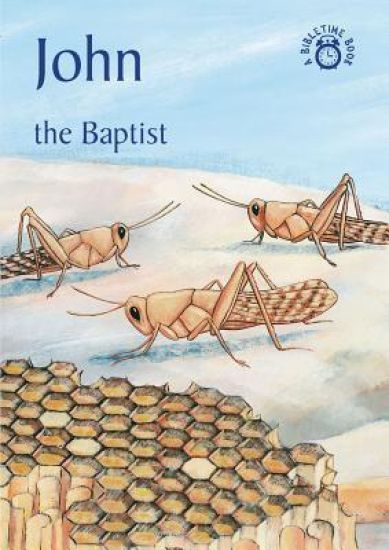
The Bibletime series by Carine Mackenzie has been praised for the accurate retelling of great Bible stories. This timeless collection has been printed in many languages throughout the world and sold in their millions. They can be read over and over again.
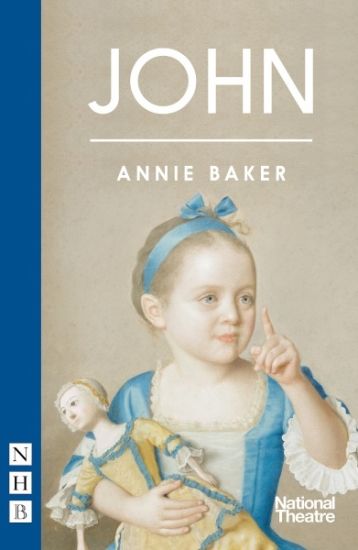
The week after Thanksgiving. A bed and breakfast in Gettysburg, Pennsylvania. A cheerful innkeeper. A young couple struggling to stay together. Thousands of inanimate objects, watching. John, an uncanny play by Annie Baker, was first seen Off-Broadway in 2015. The play had its UK premiere at the National Theatre, London, in 2018, in a production directed by James Macdonald. Annie Baker’s other plays include Pulitzer Prize-winning The Flick, The Antipodes, Circle Mirror Transformation, The Aliens, and an adaptation of Chekhov’s Uncle Vanya. She has won many other awards, including a Guggenheim Fellowship and a MacArthur Grant.
This is a short, up-to-date volume, concise yet comprehensive, on the New Testament text. It has been designed to meet your needs and includes items such as an introduction to the contents of the particular biblical book, a balanced survey of the important critical issues, suggestions about critical appropriation of the text by the contemporary reader, and much more.
When John joined his brother, James, and they traveled with John the Baptist, he was the youngest disciple. John and James were part of Jesus' ministry for three years, and then they were instrumental in forming the early church. Long after Jerusalem was destroyed, John wrote Revelation while exiled on Patmos. Eventually, Nerva, the Roman Emperor, freed John and he was taken to Ephesus. During his last years, he taught, preached and wrote about his travels with Jesus. He was the last of Jesus' original twelve disciples to die.
When John joined his brother, James, and they traveled with John the Baptist, he was the youngest disciple. John and James were part of Jesus' ministry for three years, and then they were instrumental in forming the early church. Long after Jerusalem was destroyed, John wrote Revelation while exiled on Patmos. Eventually, Nerva, the Roman Emperor, freed John and he was taken to Ephesus. During his last years, he taught, preached and wrote about his travels with Jesus. He was the last of Jesus' original twelve disciples to die.
John, ein Obdachloser aus London, macht sich auf den Weg, den ber Jahrhunderte Menschen vor ihm bereits gegangen sind. Seine ganze restliche Willenskraft setzt er ein und hofft auf seinem Hoffnungsweg ein neues Leben zu finden. Nach vielen Wochen des herum Irrens erreicht er diesen und macht sich auf die Suche nach dem besseren Leben. Es erwarten ihn jedoch erneute Schwierigkeiten und er verflucht immer fter seinen Entschluss, London verlassen zu haben. Aber die Hoffnung auf ein besseres Leben l sst ihn immer wieder weiter gehen.
John jätetään pienenä poikana luostariin nunnien kasvatettavaksi. Hän ei muista vanhemmistaan juuri mitään. Johnista kasvaa hiljainen nuori mies, jonka sisällä on kaipuu saada tietää, miksi hänet hylättiin. John on kertomus juurten etsinnästä, eheytymisestä ja kyvystä vastaanottaa rakkautta. Vastauksiakin annetaan — paikoista, joista ei osaa etsiä ja silloin, kun ei vielä tiedä etsivänsä.
Best-selling author Beth Moore has a remarkable gift for crafting insightful Bible character studies. Millions have been drawn to her inspired lessons, and the media has called her "America's Bible teacher." The PERSONAL REFLECTIONS series continues to reintroduce Beth's most beloved character-driven books, expanding them into 90-day experiences that include nearly all of the text from her original work, plus thoughtful questions and journal space to engage readers throughout this special time of study. John is the new presentation of Moore's enduring favorite, The Beloved Disciple. The young gospel writer followed Jesus all the years of His ministry, experiencing more miracles, displays of power, and perfect love than he could fathom. And just as Christ led John into the depths of His love, that same journey is here for us, His beloved.
Annie Baker s "John" is so good on so many levels that it casts a unique and brilliant light By not rushing things by letting the characters develop as gradually and inevitably as rain or snowfall Baker returns us to the naturalistic but soulful theatre that many of her contemporaries and near-contemporaries have disavowed in their rush to be 'postmodern.' "New Yorker" "John," like any great play, raises a lot of questions not just about the human experience, but also about the state of contemporary theater, it doesn t provide many answers; it is not the playwright s responsibility to do so. In John she co-opts the viewer for her own aesthetic use, heightening the tension onstage and deepening the quiet relationships between her characters. Through John, she displays an understanding that the audience is part of the theatrical experience, an inevitability as certain as a Chekhovian gun. "Slate" "The week after Thanksgiving. A bed & breakfast in Gettysburg, Pennsylvania. A cheerful innkeeper. A young couple struggling to stay together. Thousands of inanimate objects, watching." The description by the playwright of the setting is simple, but Annie Baker s compelling new work is revolutionary in theme and structure and challenges the boundaries of what theatre can be. A kind of magical super-realism permeates throughout this quietly evolving tale, with both the actors and the audience fully vested together in a mesmerizing exploration of the frailty and loneliness of human experience. "