Philip J. Fisk offers a critical reappraisal of Jonathan Edwards's Freedom of Will, interpreting Edwards from within his own tradition, Reformed Orthodoxy (1550-1750), avoiding the outdated paradigms of the conventional interpretation of Edwards and his tradition, a so-called deterministic, reconciliationist Calvinism, and demonstrating from primary sources, such as Harvard and Yale commencement theses and quaestiones, that Edwards departed ways with Reformed Orthodoxy's robust and highly nuanced view of freedom of will, contingency, and necessity.
Jonathan Edwards (1703-58) is widely recognized as America's greatest religious mind. A torrent of books, articles, and dissertations on Edwards have been released since 1949, the year that Perry Miller published the intellectual biography that launched the modern explosion of Edwards studies. This collection offers an introduction to Edwards's life and thought, pitched at the level of the educated general reader. Each chapter serves as a general introduction to one of Edwards's major topics, including revival, the Bible, beauty, literature, philosophy, typology, and even world religions. Each is written by a leading expert on Edwards's work. The book will serve as an ideal first encounter with the thought of "America's theologian."
Jonathan Edwards (1703-58) is widely recognized as America's greatest religious mind. A torrent of books, articles, and dissertations on Edwards have been released since 1949, the year that Perry Miller published the intellectual biography that launched the modern explosion of Edwards studies. This collection offers an introduction to Edwards's life and thought, pitched at the level of the educated general reader. Each chapter serves as a general introduction to one of Edwards's major topics, including revival, the Bible, beauty, literature, philosophy, typology, and even world religions. Each is written by a leading expert on Edwards's work. The book will serve as an ideal first encounter with the thought of "America's theologian."
In Before Jonathan Edwards, Adriaan Neele seeks to balance the recent academic attention to the developments of intellectual history after Jonathan Edwards. Neele presents the first comprehensive study of Edwards's use of Reformed orthodox and Protestant scholastic primary sources in the context of the challenges of orthodoxy in his day. Despite the breadth of Edwards scholarship, his use of primary sources has been little analyzed. Yet, as Neele proves, Edwards's thinking on the importance of these primary sources has significant implications not only for the status of the New England theology of pre-Revolutionary America but also for our understanding of Edwards today. This volume locates Edwards's ideas in the context of the theological and philosophical currents of his day, as well as in the pre-modern exchange of books and information during the colonial period. The pre-Revolutionary status of theology and philosophy in the wake of the Enlightenment had many of the same problems we see in our theological education today with respect to the use and appropriation of classical theology in a 21st-century context. Ideas about the necessity of classical primary sources of Christianity in sustaining our theological education are once again becoming important, and Edwards offers many relevant insights. Edwards was not unique in his deployment of these primary sources; many New England pastors, including Cotton Mather (166301728), preached and wrote about the necessity of orthodox theology. Edwards's distinction came in his thinking about the issues set forth in these sources at a transitional moment in the history of Christian thought.
In recent years there has been a flowering of interest in the work of Jonathan Edwards. In the last decade this has been encouraged by the publication of many previously unavailable manuscripts, in the Yale edition of Edwards' works. In the same period there has been some interest in the New England theology inspired by Edwards' work, which dominated much of American theology in the late eighteenth and early nineteenth centuries. However, the interest in New England Theology has been much less pronounced than that expressed in the work of Edwards. This is strange given the influence of New England Theology and the ways in which the theologians of this movement developed and expressed broadly Edwardsian themes. After Jonathan Edwards offers a reassessment of the New England Theology in light of the work of Jonathan Edwards. Scholars who have made important contributions to our understanding of Edwards are brought together with scholars of New England theology and early American history to produce a groundbreaking examination of the ways in which New England Theology flourished, how themes in Edwards' thought were taken up and changed by representatives of the school, and its lasting influence on the shape of American Christianity.
In recent years there has been a flowering of interest in the work of Jonathan Edwards. In the last decade this has been encouraged by the publication of many previously unavailable manuscripts, in the Yale edition of Edwards' works. In the same period there has been some interest in the New England theology inspired by Edwards' work, which dominated much of American theology in the late eighteenth and early nineteenth centuries. However, the interest in New England Theology has been much less pronounced than that expressed in the work of Edwards. This is strange given the influence of New England Theology and the ways in which the theologians of this movement developed and expressed broadly Edwardsian themes. After Jonathan Edwards offers a reassessment of the New England Theology in light of the work of Jonathan Edwards. Scholars who have made important contributions to our understanding of Edwards are brought together with scholars of New England theology and early American history to produce a groundbreaking examination of the ways in which New England Theology flourished, how themes in Edwards' thought were taken up and changed by representatives of the school, and its lasting influence on the shape of American Christianity.
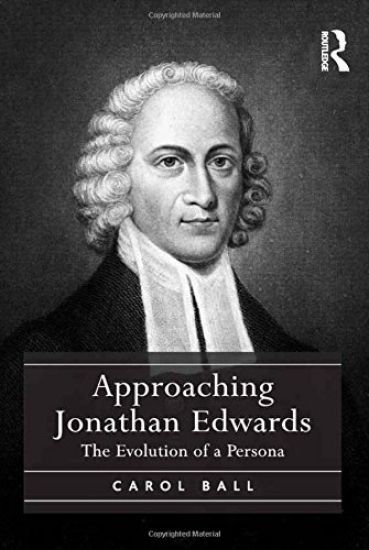
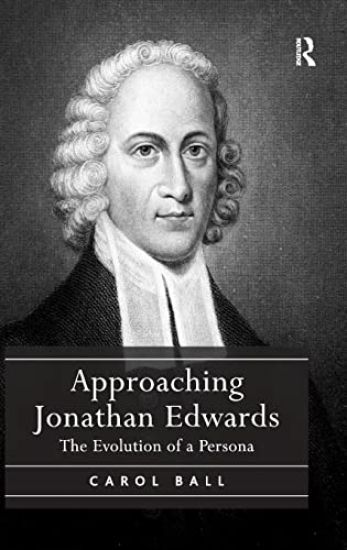
Exploring the inner motivations of one of America’s greatest religious thinkers, this book analyses the ways in which Jonathan Edwards' intense personal piety and deep experience of divine sovereignty drove an introverted intellectual along a course that would eventually develop into a mature and respected public intellectual. Throughout his life, the tension between his innately contemplative nature and the active demands of public office was a constant source of internal and public strife for Edwards. Approaching Jonathan Edwards offers a new theoretical approach to the study of Edwards, with an emphasis on his writing activity as the key strategy in shaping his legacy. Tracing Edwards’ strategic self-fashioning of his persona through the many conflicts in which he was engaged, the critical turning points in his life, and his strategies for managing conflicts and crises, Carol Ball concludes that Edwards found his place as a superlative contemplative apologist and theorist of experiential spirituality.
Exploring the inner motivations of one of America’s greatest religious thinkers, this book analyses the ways in which Jonathan Edwards' intense personal piety and deep experience of divine sovereignty drove an introverted intellectual along a course that would eventually develop into a mature and respected public intellectual. Throughout his life, the tension between his innately contemplative nature and the active demands of public office was a constant source of internal and public strife for Edwards. Approaching Jonathan Edwards offers a new theoretical approach to the study of Edwards, with an emphasis on his writing activity as the key strategy in shaping his legacy. Tracing Edwards’ strategic self-fashioning of his persona through the many conflicts in which he was engaged, the critical turning points in his life, and his strategies for managing conflicts and crises, Carol Ball concludes that Edwards found his place as a superlative contemplative apologist and theorist of experiential spirituality.
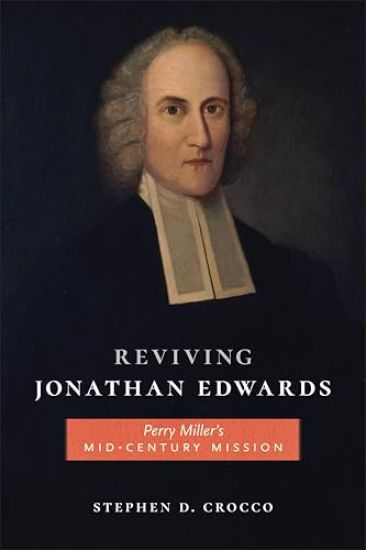
The untold story of how an unlikely Harvard atheist helped resurrect one of America’s greatest Puritans Jonathan Edwards is widely regarded as one of America’s most important and original thinkers. Prior to the mid-twentieth century, however, he was largely unknown to the learned community, except, perhaps, as a preacher of terror due to his well-known sermon, “Sinners in the Hands of an Angry God.” In 1948 and 1949, Harvard professor of English Perry Miller published four pieces on him, including the acclaimed biography, Jonathan Edwards, and only a few years later he became the general editor of Edwards’s collected works. Miller’s efforts helped to resurrect Edwards as America’s greatest Puritan and to solidify him as central to the American experience, and their names have been closely intertwined ever since. Miller, an iconoclastic scholar widely considered to be the founder of American studies, was known for his brilliant scholarship, devoted teaching, and hard living. Dying prematurely in 1963, he remains an enigmatic and controversial figure, with no biography available. In Reviving Jonathan Edwards, Stephen D. Crocco explores why this Harvard atheist, with an eerie sense that his time was short, delayed work on his planned magnum opus—a sweeping intellectual history of early America—to edit the works of the greatest of all American Puritans. In a riveting history that combines biographical insight with a detailed look into mid-century academia, Crocco draws on a large body of unpublished correspondence to offer an intricate detective tale of a decades-long publishing endeavor. He provides fresh portraits of Miller and the editorial committee he assembled, which included Sydney Ahlstrom, Roland Bainton, H. Richard Niebuhr, Norman Holmes Pearson, Paul Ramsey, and John E. Smith, and follows the story long after Miller’s death, tracing the repeated, sometimes seemingly intractable challenges that publishing the many volumes on Edwards’s work faced. He concludes by tracing Edwards studies up to 2003, the 300th anniversary of his birth, when the quiet revival of this colonial minister had evolved into a full scholarly renaissance.
The untold story of how an unlikely Harvard atheist helped resurrect one of America’s greatest Puritans Jonathan Edwards is widely regarded as one of America’s most important and original thinkers. Prior to the mid-twentieth century, however, he was largely unknown to the learned community, except, perhaps, as a preacher of terror due to his well-known sermon, “Sinners in the Hands of an Angry God.” In 1948 and 1949, Harvard professor of English Perry Miller published four pieces on him, including the acclaimed biography, Jonathan Edwards, and only a few years later he became the general editor of Edwards’s collected works. Miller’s efforts helped to resurrect Edwards as America’s greatest Puritan and to solidify him as central to the American experience, and their names have been closely intertwined ever since. Miller, an iconoclastic scholar widely considered to be the founder of American studies, was known for his brilliant scholarship, devoted teaching, and hard living. Dying prematurely in 1963, he remains an enigmatic and controversial figure, with no biography available. In Reviving Jonathan Edwards, Stephen D. Crocco explores why this Harvard atheist, with an eerie sense that his time was short, delayed work on his planned magnum opus—a sweeping intellectual history of early America—to edit the works of the greatest of all American Puritans. In a riveting history that combines biographical insight with a detailed look into mid-century academia, Crocco draws on a large body of unpublished correspondence to offer an intricate detective tale of a decades-long publishing endeavor. He provides fresh portraits of Miller and the editorial committee he assembled, which included Sydney Ahlstrom, Roland Bainton, H. Richard Niebuhr, Norman Holmes Pearson, Paul Ramsey, and John E. Smith, and follows the story long after Miller’s death, tracing the repeated, sometimes seemingly intractable challenges that publishing the many volumes on Edwards’s work faced. He concludes by tracing Edwards studies up to 2003, the 300th anniversary of his birth, when the quiet revival of this colonial minister had evolved into a full scholarly renaissance.
Explore and experience the joy we have in Christ from the wisdom of Jonathan Edwards. “The enjoyment of [God] is…the only happiness with which our souls can be satisfied.”—Jonathan Edwards As one of history’s greatest theologians, Jonathan Edwards had a singular passion motivating his work: that all people find their joy in God. God is the highest good, the source of all joy and happiness that can satisfy our deepest longings. The Jonathan Edwards Study Bible invites you to experience Spirit-fueled joy in Christ. Study notes and doctrinal insights drawn directly from Edwards’ work deepen your understanding of Scripture. Personal applications and his Resolutions guide you in pursuing a life devoted to God. And Edwards’ note-taking system encourages you to create a system of your own and put it into practice. Matthew Everhard (General Editor) Features include: Study notes drawn directly from Jonathan Edwards’ work Articles on specific doctrinal topics Full-page essays about Edwards’ theology, life, spiritual practices, and events of the first Great Awakening An introduction to Edwards’ miscellanies note-taking system, with space to create your own system for Bible study observations and personal application Edwards’ Resolutions to pursue a life fully devoted to God Satin ribbon makes it easy to navigate and keep track of where you were reading Translator notes at the bottom of the page Maps and concordance Two-color printing Christ’s words in red Clear and readable 9-point NKJV Comfort Print
Explore and experience the joy we have in Christ from the wisdom of Jonathan Edwards. “The enjoyment of [God] is…the only happiness with which our souls can be satisfied.”—Jonathan Edwards As one of history’s greatest theologians, Jonathan Edwards had a singular passion motivating his work: that all people find their joy in God. God is the highest good, the source of all joy and happiness that can satisfy our deepest longings. The Jonathan Edwards Study Bible invites you to experience Spirit-fueled joy in Christ. Study notes and doctrinal insights drawn directly from Edwards’ work deepen your understanding of Scripture. Personal applications and his Resolutions guide you in pursuing a life devoted to God. And Edwards’ note-taking system encourages you to create a system of your own and put it into practice. Matthew Everhard (General Editor) Features include: Study notes drawn directly from Jonathan Edwards’ work Articles on specific doctrinal topics Full-page essays about Edwards’ theology, life, spiritual practices, and events of the first Great Awakening An introduction to Edwards’ miscellanies note-taking system, with space to create your own system for Bible study observations and personal application Edwards’ Resolutions to pursue a life fully devoted to God Two satin ribbons make it easy to navigate and keep track of where you were reading Translator notes at the bottom of the page Maps and concordance Two-color printing Christ’s words in red Clear and readable 9-point NKJV Comfort Print
Explore and experience the joy we have in Christ from the wisdom of Jonathan Edwards. “The enjoyment of [God] is…the only happiness with which our souls can be satisfied.”—Jonathan Edwards As one of history’s greatest theologians, Jonathan Edwards had a singular passion motivating his work: that all people find their joy in God. God is the highest good, the source of all joy and happiness that can satisfy our deepest longings. The Jonathan Edwards Study Bible invites you to experience Spirit-fueled joy in Christ. Study notes and doctrinal insights drawn directly from Edwards’ work deepen your understanding of Scripture. Personal applications and his Resolutions guide you in pursuing a life devoted to God. And Edwards’ note-taking system encourages you to create a system of your own and put it into practice. Matthew Everhard (General Editor) Features include: Study notes drawn directly from Jonathan Edwards’ work Articles on specific doctrinal topics Full-page essays about Edwards’ theology, life, spiritual practices, and events of the first Great Awakening An introduction to Edwards’ miscellanies note-taking system, with space to create your own system for Bible study observations and personal application Edwards’ Resolutions to pursue a life fully devoted to God Two satin ribbons make it easy to navigate and keep track of where you were reading Translator notes at the bottom of the page Maps and concordance Two-color printing Christ’s words in red Clear and readable 9-point NKJV Comfort Print
Explore and experience the joy we have in Christ from the wisdom of Jonathan Edwards. “The enjoyment of [God] is…the only happiness with which our souls can be satisfied.”—Jonathan Edwards As one of history’s greatest theologians, Jonathan Edwards had a singular passion motivating his work: that all people find their joy in God. God is the highest good, the source of all joy and happiness that can satisfy our deepest longings. The Jonathan Edwards Study Bible invites you to experience Spirit-fueled joy in Christ. Study notes and doctrinal insights drawn directly from Edwards’ work deepen your understanding of Scripture. Personal applications and his Resolutions guide you in pursuing a life devoted to God. And Edwards’ note-taking system encourages you to create a system of your own and put it into practice. Matthew Everhard (General Editor) Features include: Study notes drawn directly from Jonathan Edwards’ work Articles on specific doctrinal topics Full-page essays about Edwards’ theology, life, spiritual practices, and events of the first Great Awakening An introduction to Edwards’ miscellanies note-taking system, with space to create your own system for Bible study observations and personal application Edwards’ Resolutions to pursue a life fully devoted to God Two satin ribbons make it easy to navigate and keep track of where you were reading Translator notes at the bottom of the page Maps and concordance Two-color printing Christ’s words in red Clear and readable 9-point NKJV Comfort Print
The founders and forerunners of the Southern Baptist Convention were fundamentally shaped by the thought of Puritan theologian Jonathan Edwards and his theological successors. While Baptists in the antebellum South boasted a different theological pedigree than Presbyterians or Congregationalists, and while they inhabited a Southern landscape unfamiliar to the bustling cities and tall forests of New England, they believed their similarities with Edwards far outweighed their differences. Like Edwards, these Baptists were revivalistic, Calvinistic, loosely confessional, and committed to practical divinity. In these four things, Southern Edwardseanism lived, moved, and had its being. In the nineteenth-century, when so many Presbyterians scoffed at Edwards's "innovation" and Methodists scorned his Calvinism, Baptists found in Edwards a man after their own heart. By 1845, at the first Southern Baptist Convention, Southern Edwardseans had laid the groundwork for a convention marked by the theology of Jonathan Edwards.
The Oxford Handbook of Jonathan Edwards offers a state-of-the-art summary of scholarship on Edwards by a diverse, international, and interdisciplinary group of Edwards scholars, many of whom serve as global leaders in the burgeoning world of research and writing on 'America's theologian'. As an early modern clerical polymath, Edwards is of interest to historians, theologians, and literary scholars. He is also an interlocutor for contemporary clergy and philosophical theologians. All such readers--and many more--will find here an authoritative overview of Edwards' life, ministry, and writings, as well as a representative sampling of cutting-edge scholarship on Edwards from across several disciplines. The volume falls into four sections, which reflect the diversity of Edwards studies today. The first section turns to the historical Edwards and grounds him in his period and the relevant contexts that shaped his life and work. The second section balances the historical reconstruction of Edwards as a theological and philosophical thinker with explorations of his usefulness for constructive theology and the church today. In part three, the focus shifts to the different ways and contexts in which Edwards attempted to realize his ideas and ideals in his personal life, scholarship, and ministry, but also to the ways in which these historical realities stood in tension with, limited, or resisted his aspirations. The final section looks at Edwards' widening renown and influence as well as diverse appropriations. This Handbook serves as an authoritative guide for readers overwhelmed by the enormity of the multi-lingual world of Edwards studies. It will bring readers up to speed on the most important work being done and then serve them as a benchmark in the field of Edwards scholarship for decades to come.
The Theology of Jonathan Edwards is the first survey of the religious thought of America's theologian--Jonathan Edwards--that draws on all of his writings, now available in a 73-volume online Yale critical edition. In 48 chapters, McClymond and McDermott, two of the world's leading Edwards scholars, treat topics in Edwards's thought that have rarely been analyzed in depth, and never in coordination with a close analysis of the rest of his theology. Such topics include the implications of his doctrine of the Trinity for the divide between Roman Catholicism and Orthodoxy, his enduring appeal among both conservative and liberal Protestants, his ecclesial and sacramental theologies, his conflicted relationship with the history of Calvinism, the cultural-historical and comparative-religious turn he made toward the end of his career (as the leading colonial thinker on the topic of world religions), the appeals to his ideas in nineteenth- and twentieth-century debates over Methodist, Holiness, Pentecostal, and Charismatic revivals, and the reception of his writings in the England, Scotland, continental Europe, and, more recently, in the evangelical communities of Latin America, Africa, Asia, and Oceania. Many of these topics have only been treated in passing in the existing literature, and never in connection with one another and with the whole bulk of Edwards's writings.