Kirjojen hintavertailu. Mukana 11 239 951 kirjaa ja 12 kauppaa.

Kirjahaku

Etsi kirjoja tekijän nimen, kirjan nimen tai ISBN:n perusteella.

1000 tulosta hakusanalla Josef Loderbauer

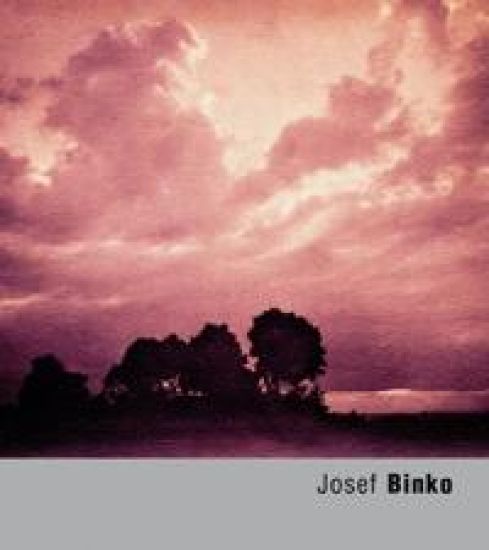
Josef Binko
On top of his day job--he was co-owner of a tannery in the Bohemian-Moravian Uplands of Czechoslovakia--Josef Binko (1879-1960) made time to create one of the most important photography portfolios of his era. He is the only amateur photographer with thousands of negatives in Prague's Museum of Decorative Arts, the country's most serious photography collection, and the only Czech photographer continuously represented at the National Technical Museum, Prague: his darkroom is part of a permanent exhibition on the history of photographic technology. He is one of only two Czech photographers whose brome oil and gum bichromate prints from the period before the First World War are known to have survived in the hundreds. Binko, until recently little known, has now come to be understood as a major contributor to the early years of his media.
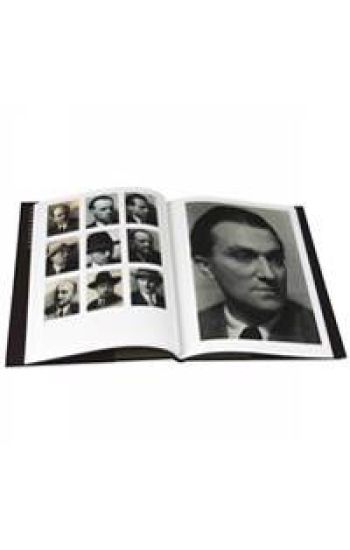
Josef Sudek: Portraits
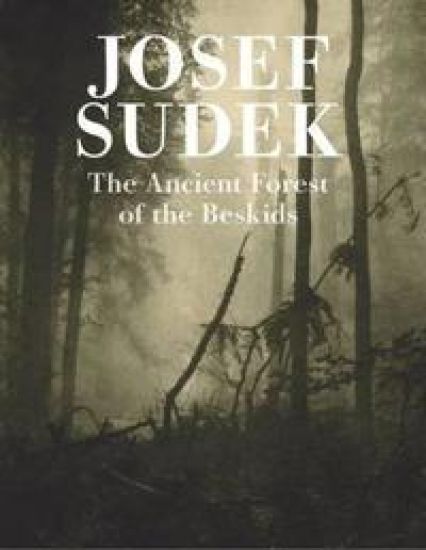
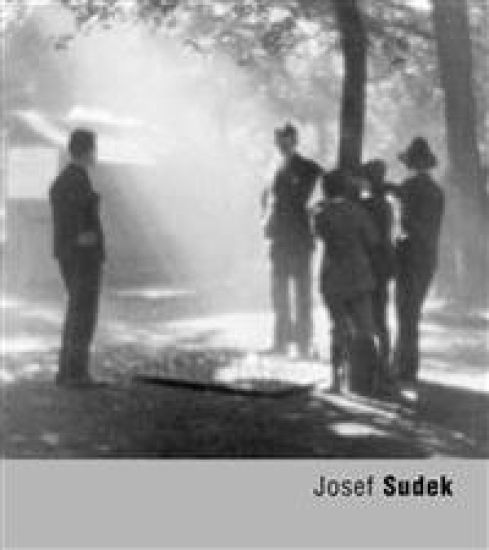
Although the Czech photographer Josef Sudek was mildly reclusive by temperament, and although his photography is commonly characterized as unpeopled (in favor of what he termed "the inanimate life of objects"), a sizable portion of his oeuvre is given over to portraits. In fact, the beginnings of Sudek's work are in portraiture, in his images of fellow patients at the veteran's hospital where he spent three years after the First World War. (It was here that Sudek's right arm was amputated after a battlefield injury, a misfortune which did not prevent him from using heavy, large-format cameras in the future.) Decades later, after he had cofounded the Czech Photographic Society in 1924 and established his signature neo-Romantic preoccupation with architectural Prague, he returned to the genre. Throughout the 1940s and 50s, Sudek photographed close friends, among them the poet and Nobel Laureate Jaroslav Seifert, many painters and writers, but also scientists, doctors, politicians, architects, actors and other important public figures in Czechoslovakia. Portraits, the second volume of Sudek's collected photographs, gathers this body of work. In addition to a chronology of Sudek's life, it includes a complete bibliography and list of his exhibitions, as well as an interview with Jan Rezác, Sudek's colleague and an expert on his work.
Josef Sudek: Labyrinths
Like the previous volumes The Window of My Studio and Still Lifes, this new Josef Sudek monograph collects a series of photographs made within the confines of the Czech photographer’s workspace. Sudek’s studio famously verged on installation art, as the poet Jaroslav Seifert recalled: “Breton’s surrealism would have come into its own there. A drawing by Jan Zrzavy lay rolled up by a bottle of nitric acid, which stood on a plate where there was a crust of bread and a piece of smoked meat with a bite taken out of it. And above this hung the wing of a Baroque angel with Sudek’s beret hanging from it.... This disorder was so picturesque, so immensely rich, that it almost came close to being a strange but highly subtle work of art.” Gathered here in all their surreal beauty, the Labyrinths series depicts multilayered assemblages of objects in endlessly permutated combinations.
Josef Sudek

Josef Sudek

Anna Fárová

TORST
2016
pokkari
Dubbed the “poet of Prague,” Josef Sudek (1896–1976) was one of the most important and celebrated of Czech photographers. Sudek produced his best work during his middle-aged years, having grown up and out of the rules of modernism and into a style of his own. Whereas his photographs from the 1930s are mainly a reflection of the external world, by the 1940s he was returning to himself, finding his own unique creative path. It was during this period that he made his most famous photograph, a view of the world seen through his studio window, the window ledge doubling as a stage for still-life objects—a setup which he repeated to great effect. Not even the pressures of World War II and the difficult postwar years—including the demands of socialist realism in the arts—interrupted the continuity of his oeuvre, documented in this back-in-print volume.
Josef Sudek: The Window of My Studio
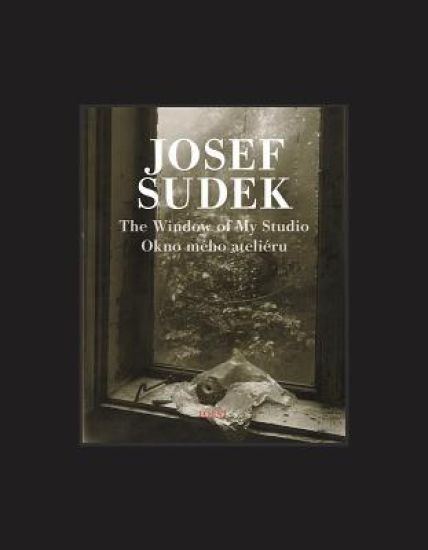
Josef Sudek (1896–1976) was Prague’s Atget. From the mid-1920s until his death in 1976, Sudek photographed everything—the Gothic and Baroque architecture, the streets and objects—usually leaving the frame free of people. Because he was reclusive, a large portion of Sudek’s work was captured through his studio window: he was particularly fond of how the glass refracted light. The Window of My Studio series, spanning from the beginning of the Second World War to the first half of the 1950s, presents the series, which was of fundamental importance to Sudek, for it caused his work to move further into a surreal or Magic Realist style, with blurred images and strong shadows. Photography historian Anna Fárová contributes an introduction and an extensive biographical chronology to this volume—now back in print—which also includes a complete bibliography of portfolios, books and catalogues of Sudek’s work.
Josef og hans brødre

Josef og hans brødre

Thomas Mann

Gyldendal
2025
nidottu
I første bind, Jakobs historier, dykker vi ned i en tidløs fortelling om familiebånd, svik og tro. Vi får høre om konflikten mellom Jakob og Esau, om Jakobs arbeidstjeneste for onkelen Laban, om kjærligheten til Rakel og bedrageriet på bryllupsnatten. Etter tretten barnløse år nedkommer Rakel endelig med Josef – Jakobs «egentlige» førstefødte. I en unik sammensmelting av mytologi, psykologi og drama blir spørsmål om skjebne og identitet satt i et nytt lys.I 2025 er det 150 år siden Thomas Mann ble født, og i den anledning utgir vi hans viktigste verk på nytt. Seksten år tok det forfatteren å fullføre romanrekken om Josef og hans brødre. Første bind ble utgitt i 1933, det fjerde ti år senere. Den store bibelske fortellingen sto i sterk kontrast til nazismen som vokste fram i samme periode. Den åpner perspektiver på menneskenes historie og anses i dag som et monument over eksil og humanitet.
Josef og hans brødre

Josef og hans brødre

Thomas Mann

Gyldendal
2025
nidottu
I andre bind, Den unge Josef, følger vi den sytten år gamle Josef, som utmerker seg med sin ungdommelige skjønnhet og sitt intellekt. Rakel-sønnen er Jakobs favoritt, noe som vekker de eldre brødrenes misunnelse. Etter at faren har skjenket ham en vakker, fargerik kledning, blir Josef kastet i brønnen og solgt til fremmede kjøpmenn. Til faren forteller brødrene at ynglingen er blitt drept av et vilt dyr.I 2025 er det 150 år siden Thomas Mann ble født, og i den anledning utgir vi hans viktigste verk på nytt. Seksten år tok det forfatteren å fullføre romanrekken om Josef og hans brødre. Første bind ble utgitt i 1933, det fjerde ti år senere.
Josef og hans brødre

Josef og hans brødre

Thomas Mann

Gyldendal
2025
nidottu
I tredje bind, Josef i Egypt, blir den unge Josef solgt som slave til stormannen Potifar, Faraos viftebærer. Her gjør han raskt karriere, og Potifar utnevner ham til forstander for all sin eiendom. Men Mut-em-inet, husets herskerinne, faller for Josef. Hun begjærer ham og vil ha ham, koste hva det koste vil. Josef motstår fristelsen, men blir likevel den som må betale: For andre gang bærer det ned i «graven», denne gang til et av Faraos fengsler, på en øyfestning midt i Nilen.I 2025 er det 150 år siden Thomas Mann ble født, og i den anledning utgir vi hans viktigste verk på nytt. Seksten år tok det forfatteren å fullføre romanrekken om Josef og hans brødre. Første bind ble utgitt i 1933, det fjerde ti år senere. Den store bibelske fortellingen sto i sterk kontrast til nazismen som vokste fram i samme periode. Den åpner perspektiver på menneskenes historie og anses i dag som et monument over eksil og humanitet.
Josef og hans brødre

Josef og hans brødre

Thomas Mann

Gyldendal
2025
nidottu
I fjerde og siste bind, Josef, forsørgeren, klarer Josef å befri seg fra fangehullet takket være sin evne til drømmetydning. Han tolker Faraos drømmer som en mytisk varsling om syv fete og syv magre år. Josef råder ham til å bruke overfloden fra de fete årene som en reserve, og den takknemlige herskeren gir ham ansvaret for hele operasjonen. Da tørken driver hyrdene fra Kanaan og Hebron til Egypt, er det duket for en gripende gjenforening med Josefs far og brødre.I 2025 er det 150 år siden Thomas Mann ble født, og i den anledning utgir vi hans viktigste verk på nytt. Seksten år tok det forfatteren å fullføre romanrekken om Josef og hans brødre. Første bind ble utgitt i 1933, det fjerde ti år senere. Den store bibelske fortellingen sto i sterk kontrast til nazismen som vokste fram i samme periode. Den åpner perspektiver på menneskenes historie og anses i dag som et monument over eksil og humanitet.
Josef, prinsen av Egypt

Josef, prinsen av Egypt

Cecilie Fodor

Norsk bokforlag
2023
pahvisivuinen
Gjør deg klar til å følge Josef på hans utrolige reise fra familien til fengsel og til slutt til kongens palass! Hjelp ham å finne de tingene han ser mens han gjør sitt beste for å følge Guds plan for ham. Så er du klar? Klar, ferdig, finn!
Josef i Egypten

Josef i Egypten

Thomas Mann

Gyldendal Trade 140
2000
sidottu
Tredje del af firebindsværket er en lidenskabelig kærlighedshistorie om den Josef, vi kender fra Første Mosebog. Josef arbejder sig fra simpel træl op til at være forstander for hofmanden Potifars store besiddelser. Han forelsker sig i Potifars jomfruhustru med katastrofale følger for ham selv.
Josef Ernæreren

Josef Ernæreren

Thomas Mann

Gyldendal Trade 140
2000
sidottu
I sidste bind af Josef og hans brødre overtaler Josef Egyptens unge farao Amenhotep IV til at udnævne ham til den næstmægtigste mand i Egypten. Josef får hermed magten og kraften til at blive Egyptens redningsmand. Han bliver den, der forener Israel og forsoner gammel strid.
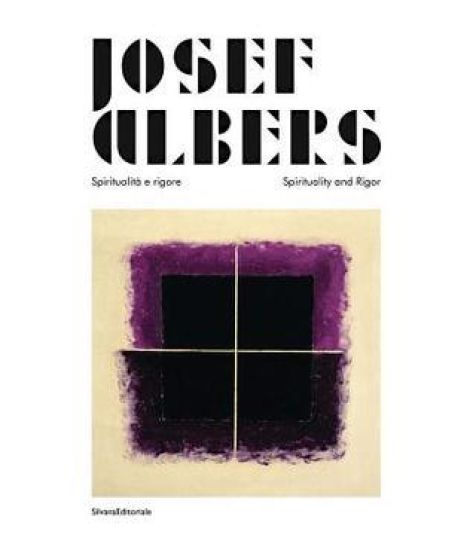
Josef Albers

Josef Albers

Nicholas Fox Weber; Fabio De Chirico

Silvana
2019
sidottu
This important volume is the most thorough portrait yet published of Albers' spiritual convictions. Josef Albers (1888-1976) believed firmly in art's spiritual dimension. Among his several aphorisms on the topic, none reflects the humble, ascetic character of his spiritual disposition better than the following: 'Easy to know that diamonds are precious. Good to know that rubies have depth. But more to see that pebbles are miraculous'. Conceived by the renowned Albers expert Nicholas Fox Weber, who directed the Albers Foundation for 20 years and knew the artist well, Spirituality and Rigor presents a selection of work by Albers that illustrates his ascetic spirituality and his deeply felt Catholicism. The book stems in part from Fox Weber's The Sacred Modernist: Josef Albers as a Catholic Artist, and is augmented with additional work by Fabio De Chirico. It includes Albers' early drawings of country churches and cathedrals; 'Rosa Mystica', his stained glass window for St Michael's Church, and other glass works containing religious imagery; his abstractions of crosses and geometric abstractions with spiritually themed titles, from his 'Black Mountain' years; his prints of Mexican gods; photographic interpretations of the theme of angels; and a selection from the 'Homage to the Square' series. Text in English and French.