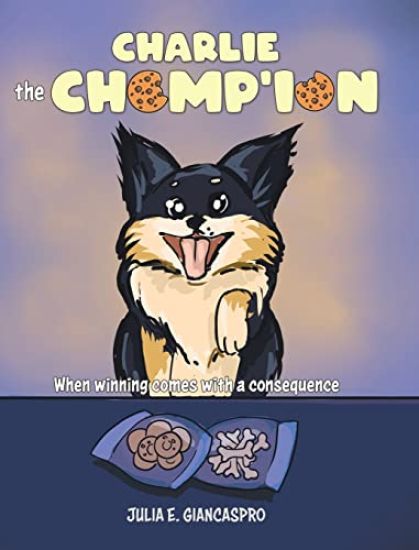
Charlie is a small dog with a very large appetite. She never turns down food, especially her favorite doggie cookies and treats. After entering a cookie-eating contest, Charlie not only takes home the winning prize but also a very valuable lesson."Love your dog enough to provide him or her a healthy lifestyle." - Canine Health & Nutrition Quotes by Primal Pooch
A comparative analysis of body politics, selfhood, and the pursuit of consumer-based agencyThin body, white skin, and big eyes. Such beauty ideals are ubiquitous across Shanghai, where salons and weight-loss clinics offering an array of products and treatment options beckon city dwellers with promises of a "better life." Set against the backdrop of China's post-reform era, Modified Bodies, Material Selves compares the radically different attitudes of middle-class Chinese and Western women living in Shanghai toward the pursuit of beauty. Through comparative ethnography, anthropologist Julie E. Starr parses how experiences of bodies and embodied identities, and the politics ascribed to them, are culturally produced for both groups of women. With a focus on the ways in which late capitalism interacts with different bodies, Starr joins an ongoing conversation about the impact of recent economic reforms on social life in China. Bringing together theories of embodiment, the politics of appearance, and the bodily nature of selfhood in the twenty-first century, Modified Bodies, Material Selves contributes fresh insights to current debates in anthropology, women's and gender studies, and East Asian studies.
A comparative analysis of body politics, selfhood, and the pursuit of consumer-based agencyThin body, white skin, and big eyes. Such beauty ideals are ubiquitous across Shanghai, where salons and weight-loss clinics offering an array of products and treatment options beckon city dwellers with promises of a "better life." Set against the backdrop of China's post-reform era, Modified Bodies, Material Selves compares the radically different attitudes of middle-class Chinese and Western women living in Shanghai toward the pursuit of beauty. Through comparative ethnography, anthropologist Julie E. Starr parses how experiences of bodies and embodied identities, and the politics ascribed to them, are culturally produced for both groups of women. With a focus on the ways in which late capitalism interacts with different bodies, Starr joins an ongoing conversation about the impact of recent economic reforms on social life in China. Bringing together theories of embodiment, the politics of appearance, and the bodily nature of selfhood in the twenty-first century, Modified Bodies, Material Selves contributes fresh insights to current debates in anthropology, women's and gender studies, and East Asian studies.
The legal and technical rules governing flows of information are out of balance, argues Julie E. Cohen in this original analysis of information law and policy. Flows of cultural and technical information are overly restricted, while flows of personal information often are not restricted at all. The author investigates the institutional forces shaping the emerging information society and the contradictions between those forces and the ways that people use information and information technologies in their everyday lives. She then proposes legal principles to ensure that people have ample room for cultural and material participation as well as greater control over the boundary conditions that govern flows of information to, from, and about them.
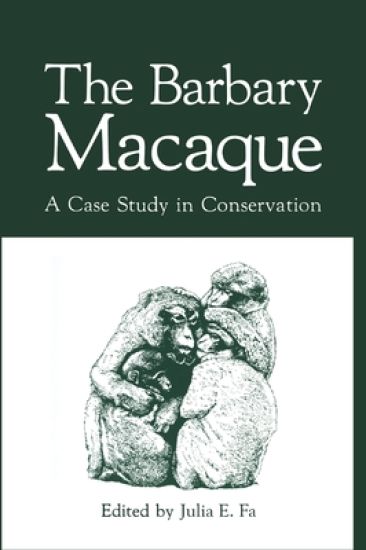
The Barbary macaque (all too often mistakenly called an ape) was first brought to the attention of the Conservation Working Party of the Primate Society of Great Britain late 1979 when John Fa reported that 'surplus' animals were being sent from Gibraltar to dubious locations, such as an Italian safari park. Since there had been no scientific input into the Army's management of the monkey colony on Gibraltar, and there was concern about inbreeding, nutrition and health - about the long-term viability of the colony, it was felt that the Society could help. The Gibraltar Scientific Authority and the Army were very receptive to our offer and ideas, and this topic occupied successive chairmen over the last few years - Robin Dunbar and Richard Wrangham, myself and now Miranda Stevenson - with constant prompting and help from John Fa. Considerations soon extended to the status of the species as a whole, so that there have been three main aspects:- (1) the improved health of a larger self-sustaining population on Gibraltar, (2) the status and behavioural biology of natural populations in North Africa (Morocco and Algeria), and (3) the breeding achievements in European parks and zoos, and their potential for reintroduction to suitable areas in North Africa, along with other possibilities. Robin Dunbar organized the compilation of recommendations for managing the Gibraltar colony with regard to numbers, age-sex struc ture and behavioural relationships, with some observations on diet to avoid obesity and infertility.
Modernism in the Green traces a trans-Atlantic modernist fascination with the creation, use, and representation of the modern green. From the verdant public commons in the heart of cities to the lookout points on mountains in national parks, planned green spaces serve as felicitous stages for the performance of modernism. In its focus on designed and public green zones,Modernism in the Green offers a new perspective on modernism’s overlapping investments in the arts, politics, urbanism, race, class, gender, and the nature-culture divide. This collection of essays is the first to explore the prominent and diverse ways greens materialize in modern literature and culture, along with the manner in which modernists represented them. This volume presents the idea of "the green" as a point of exploration, as our contributors analyze social-organic spaces ranging from public parks to roadways and refuse piles. Like the term "green," one that evokes both more-than-human natural zones and crafted public meeting places, these chapters uncover the social and spatial intersection of nature and culture in the very architecture of parks, gardens, buildings, highways, and dumps. This book argues that such greens facilitate modernists’ exploration of how nature can manifest in an era of increasing urbanization and mechanization and what identities and communities the green now enables or prevents.
As the monetary cost of fraud escalates globally, and the ensuing confidence in financial markets deteriorates, the international demand for quality in financial statements intensifies. But what constitutes quality in financial statements? This book examines financial statement fraud, a topical and increasingly challenging area for financial accounting, business, and the law. Evidence shows that accounting anomalies in an organization’s financial statements diminish the quality and serviceability of financial information. However, an anomaly does not necessarily signal fraud. Financial statement fraud is intended to mislead shareholders and other stakeholders. In this book, elements that underpin diversity of accounting anomalies likely found in fraudulent financial accounting statements are revealed. Multiple research methods are used in the analysis of selected international fraud cases, each illustrating examples of financial statement fraud, including: revenue recognition, overstatement and/or misappropriation of assets, understatement of expenses and liabilities, disclosure fraud, bribery and corruption. Additionally, the phoenix phenomenon with regard to fraud in financial accounting is investigated. Drawing on documented observations of commercial and legal cases globally this study highlights the necessity for continued development of financial audit practices and other audit services.
This book examines the notion of solvency at law and in accounting; and reveals inconsistent ways of determining solvency therein. Solvency is a critical commercial financial attribute. Quantifying solvency has been of concern to many across time, particularly with regard to business continuity. This study demonstrates that conventional financial statements are deficient in establishing the financial state of an entity, and equally lacking in quantifying its state of solvency. The book contributes to the literature by drawing on real-world observations of how the meshing of commercial and legal foundations creates the environment in which accounting must serve. The aim of this work is to provide insights into what changes to existing financial reporting systems might assist business in mitigating unexpected business failures and the criticism of accounting in the aftermath. Drawing mainly on major Australian cases, links highlight associations between the language of accounting and the data in financial statements; and situations that may be generalised - that have international significance. Hence, this work is relevant to the interests of a wide range of readers. It is also important from a public policy perspective as regulators grapple with a commercial environment heavily influenced by sometimes perceived scandalous corporate activity. Solvency is a topical and ongoing issue for business and financial accounting.
Hellenistic Philosophy of Mind is an elegant survey of Stoic and Epicurean ideas about the soul--an introduction to two ancient schools whose belief in the soul's physicality offer compelling parallels to modern approaches in the philosophy of mind. Annas incorporates recent thinking on Hellenistic philosophy of mind so lucidly and authoritatively that specialists and nonspecialists alike will find her book rewarding. In part, the Hellenistic epoch was a "scientific" period that broke with tradition in ways that have an affinity with the modern shift from the seventeenth and eighteenth centuries to the present day. Hellenistic philosophy of the soul, Annas argues, is in fact a philosophy of mind, especially in the treatment of such topics as perception, thought, and action.
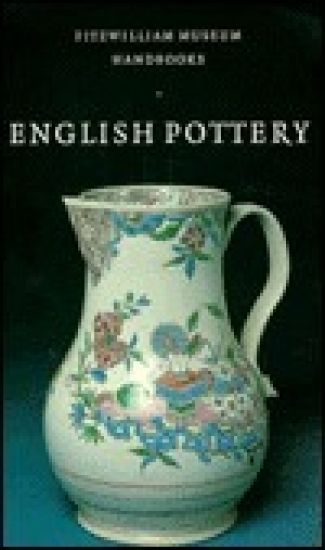
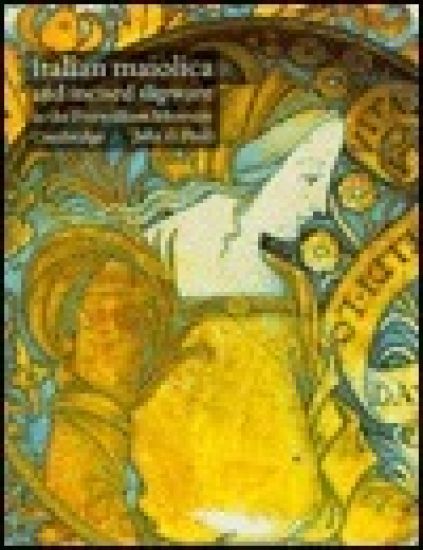
The books in this series provide a convenient and accessible introduction to subjects within the applied arts. Drawing examples from the world-famous collections at the Fitzwilliam Museum, they furnish the reader with a wide variety of information on many different types and forms and illustrate some of the most famous as well as the most unusual examples. A general introduction is followed by entries on sixty-four individual objects, each of which is illustrated in colour. Complete with glossaries and guides to further reading, these books will prove invaluable to all collectors and enthusiasts.
This catalogue of Italian maiolica and incised slipware in the Fitzwilliam Museum, Cambridge, gives detailed information on over 500 objects in the collection, which was formed between 1904 and 1991. It includes medieval, Renaissance and later maiolica. The history of the collection is fully described by Julia Poole; the catalogue which follows is divided into separate sections according to period and religion, with each object illustrated in black and white next to its catalogue entry for ease of reference, and an additional section for colour plates. This catalogue will prove an indispensable work of reference for scholars and students of the applied arts.
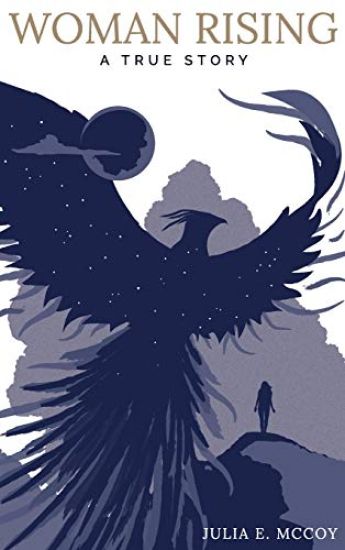
Three-times author and female business leader Julia McCoy brings multiple genres together in her electrifying, non-fiction true story, Woman Rising: A True Story, guaranteed to have you turning each page. Growing up under a narcissistic cult leader, Woman Rising: A True Story tells the unbelievable true story of one woman's ability to defy the odds and rise up despite a terrible upbringing, build a business empire, and find her complete life path--through recovery and healing, to personal and professional success as a woman CEO. Woman Rising: A True Story is a memoir that goes above and beyond a story of childhood trauma. "...with vivid imagery and eloquent language, Julia immerses the reader in her story of a difficult childhood while also providing guideposts for self-discovery along the way. This is a brave and important work." - Anna LeBaron, author, The Polygamist's Daughter Follow the author, Julia McCoy, on an incredible journey from birth to present-day at the age of twenty-nine. This narrative true story of female leadership, post-trauma survival, and entrepreneurial success is told in two parts: Part 1: Life in a Cult Part 2: The Making of Success Woman Rising: A True Story is best-selling non-fiction author, entrepreneur, and content marketing expert Julia McCoy's debut narrative nonfiction memoir. OVERVIEW In Part 1, experience the painful, tragic story of Julia's upbringing, and how she was born into the house of a cult leader in Pennsylvania, who hid the truth of her daily environment completely from the public eye. The tragedy, the pain, and the terror is painted in vivid, real scenes as Julia brings her story to life through the written word. Feel her passion and energy come alive as she pursues bold, money-making ideas at a young age, eventually building a brand while living in her father's house. Read about the night she escaped his house, in 2012 at twenty-one years old. In Part 2, follow Julia on an unbelievable (true) journey of discovering normal life, finding faith and healing, getting married to the man of her dreams; becoming a parent, best-selling author, and the creator of no less than four successful brands in very competitive industries. Read about her trials, successes, and the reality of building businesses from scratch that last and stand the test of time. Julia's steps to business success are laid out in real, practical details, with every up and down. The lessons from Julia's entrepreneurial journey, told throughout the book with moments of self-reflection, form a real-life entrepreneurial manual for others wanting to create businesses from scratch that last. Julia's nonfiction memoir is one you will not forget. Her story marries these categories: female leadership books, entrepreneurial advice, and true stories of survival. Learn more about Julia's nonprofit and the mission behind her book: womanrisingproject.org. Some parts of Woman Rising: A True Story, especially Julia's childhood in a cult told in truth and transparency, are dark and disturbing (be warned).
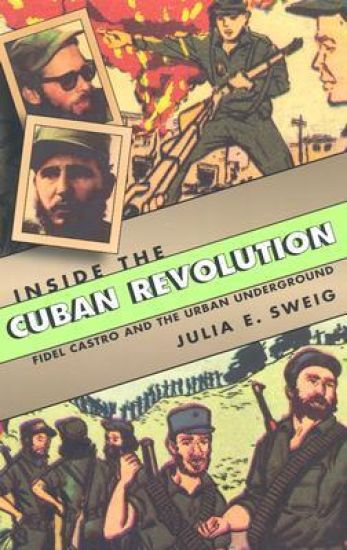
Julia Sweig shatters the mythology surrounding the Cuban Revolution in a compelling revisionist history that reconsiders the revolutionary roles of Fidel Castro and Che Guevara and restores to a central position the leadership of the Cuban urban underground, the Llano. Granted unprecedented access to the classified records of Castro's 26th of July Movement's underground operatives--the only scholar inside or outside of Cuba allowed access to the complete collection in the Cuban Council of State's Office of Historic Affairs--she details the ideological, political, and strategic debates between Castro's mountain-based guerrilla movement and the urban revolutionaries in Havana, Santiago, and other cities. In a close study of the fifteen months from November 1956 to July 1958, when the urban underground leadership was dominant, Sweig examines the debate between the two groups over whether to wage guerrilla warfare in the countryside or armed insurrection in the cities, and is the first to document the extent of Castro's cooperation with the Llano. She unveils the essential role of the urban underground, led by such figures as Frank País, Armando Hart, Haydée Santamaria, Enrique Oltuski, and Faustino Pérez, in controlling critical decisions on tactics, strategy, allocation of resources, and relations with opposition forces, political parties, Cuban exiles, even the United States--contradicting the standard view of Castro as the primary decision maker during the revolution.In revealing the true relationship between Castro and the urban underground, Sweig redefines the history of the Cuban Revolution, offering guideposts for understanding Cuban politics in the 1960s and raising intriguing questions for the future transition of power in Cuba.
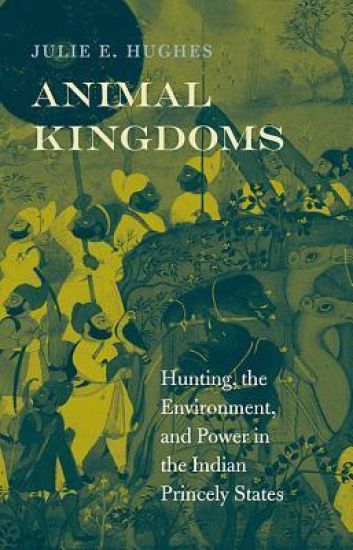
One summer evening in 1918, a leopard wandered into the gardens of an Indian palace. Roused by the alarms of servants, the prince’s eldest son and his entourage rode elephant-back to find and shoot the intruder. An exciting but insignificant vignette of life under the British Raj, we may think. Yet to the participants, the hunt was laden with symbolism. Carefully choreographed according to royal protocols, recorded by scribes and commemorated by court artists, it was a potent display of regal dominion over men and beasts alike. Animal Kingdoms uncovers the far-reaching cultural, political, and environmental importance of hunting in colonial India.Julie E. Hughes explores how Indian princes relied on their prowess as hunters to advance personal status and solidify power. Believing that men and animals developed similar characteristics by inhabiting a shared environment, they sought out quarry—fierce tigers, agile boar—with traits they hoped to cultivate in themselves. Largely debarred from military activities under the British, they also used the hunt to establish meaningful links with the historic battlefields and legendary deeds of their ancestors.Hunting was not only a means of displaying masculinity and heroism, however. Indian rulers strove to present a picture of privileged ease, perched in luxuriously outfitted shooting boxes and accompanied by lavish retinues. Their interest in being sumptuously sovereign was crucial to elevating the prestige of prized game. Animal Kingdoms will inform historians of the subcontinent with new perspectives and captivate readers with descriptions of its magnificent landscapes and wildlife.
In her innovative take on G.W. F. Hegel's The Encyclopaedia Logic, Julie E. Maybee uses pictures and diagrams to cut through the philosopher's dense, difficult writing. Picturing Hegel: An Illustrated Guide to Hegel's Encyclopaedia Logic utilizes diagrams in order to rehabilitate Hegel's logic for serious consideration by showing how each stage develops step-by-step from earlier stages according to definite, logical patterns. This interpretation makes Hegel's work accessible and understandable for new and experienced readers alike. Because Hegel uses the same logic in all of his works, Maybee's analysis and defense of the logic will capture the attention of those readers interested in Hegel's ethics, politics, history, philosophy of religion, and phenomenology. Through the included diagrams, Maybee is able to define central Hegelian concepts such as "being-in-itself," and "being-in-and-for-itself" with a new level of precision. Maybee argues that Hegel's logic does not include the one logistical pattern most often attributed to him; namely, the pattern "thesis-antithesis-synthesis." Rather, Hegel's model of logic was more scientific than formalistic in nature, as the philosopher himself pointed out. Hegel considered himself an encyclopedic culmination of Western philosophy in some ways, and indeed his work summarizes many of the presuppositions of Western philosophy. By picturing Hegel's logic, we can gain a greater understanding of ourselves.
In her innovative take on G.W. F. Hegel's The Encyclopaedia Logic, Julie E. Maybee uses pictures and diagrams to cut through the philosopher's dense, difficult writing. Picturing Hegel: An Illustrated Guide to Hegel's Encyclopaedia Logic utilizes diagrams in order to rehabilitate Hegel's logic for serious consideration by showing how each stage develops step-by-step from earlier stages according to definite, logical patterns. This interpretation makes Hegel's work accessible and understandable for new and experienced readers alike. Because Hegel uses the same logic in all of his works, Maybee's analysis and defense of the logic will capture the attention of those readers interested in Hegel's ethics, politics, history, philosophy of religion, and phenomenology. Through the included diagrams, Maybee is able to define central Hegelian concepts such as 'being-in-itself,' and 'being-in-and-for-itself' with a new level of precision. Maybee argues that Hegel's logic does not include the one logistical pattern most often attributed to him; namely, the pattern 'thesis-antithesis-synthesis.' Rather, Hegel's model of logic was more scientific than formalistic in nature, as the philosopher himself pointed out. Hegel considered himself an encyclopedic culmination of Western philosophy in some ways, and indeed his work summarizes many of the presuppositions of Western philosophy. By picturing Hegel's logic, we can gain a greater understanding of ourselves.
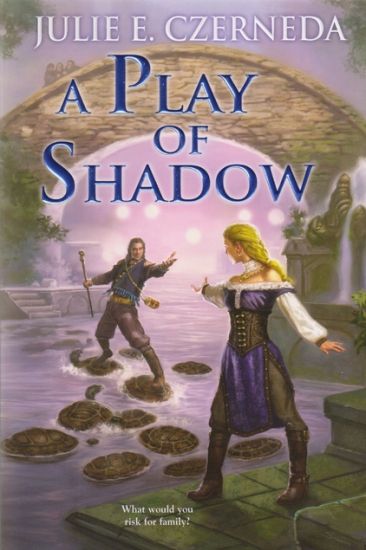
Winner of the 2015 Prix Aurora Award for Best English Novel What would you risk for family? In the second installment of Night's Edge, Bannan Larmensu, the truthseer who won Jenn Nalynn's heart, learns his brother-in-law was sent as a peace envoy to Channen, capitol of the mysterious domain of Mellynne, and has disappeared. When Bannan's young nephews arrive in Marrowdell, he fears the worst, that his sister, the fiery Lila, has gone in search of her husband, leaving her sons in his care. The law forbids Bannan from leaving Marrowdell and travelling to Mellynne to help his sister. In this world. As a turn-born, Jenn Nalynn has the power to cross into the magical realm of the Verge, and take Bannan with her. Once there, they could find a way into Mellynne. If they survive. The Verge is wild and deadly, alive with strange magic. Dragons roar and kruar wait in ambush, and the powerful turn-born who care for their world do not care for Jenn Nalynn. She's willing to try. Wisp and Scourge -- and the house toads -- offer their help. But what none of them know is that magic is rife in Channen, magic that flows from the Verge itself. And not even a turn-born will be safe there.
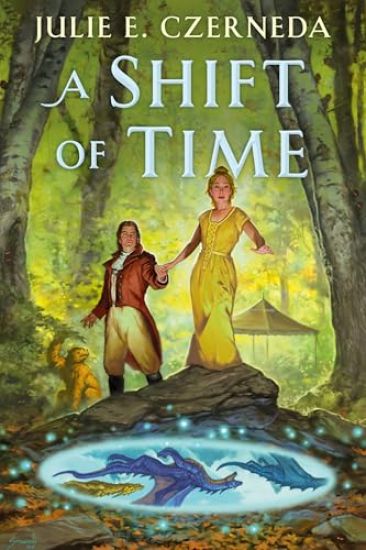
The 4th book in the Aurora Award-winning Night's Edge series returns readers to a rich and atmospheric fantasy worldPerfect for readers of Charles de Lint, Naomi Novik, and Katherine Arden, A Shift of Time is a charming, heartwarming, hopeful fableSummer has arrived in Marrowdell, but its wild magic is out of sorts. Bannan, returning from his sister's home in Vorkoun, steps through Jenn's special crossing to find the village has disappeared. Something is deeply wrong within the edge--and with the Verge. Soon the youngling dragon Imp returns from that magical realm with a dire message: turn-born are missing. Deep in the mines of Ansnor, turn-born are being trapped and killed. The rest are in hiding, as each crossing destabilizes the Verge, releasing chaos even the sei cannot control. Time is shifting. Bannan, caught between realms, must accept the help of an ancient power, feared by dragons and greater than sei, but at what cost? Jenn, meanwhile, rushes to Ansnor to find Bannan and fix what's breaking in the Verge, but she's in danger, too. For in the edge, those who hunt magic and those with gifts grow bold, and as the only turn-born filled with pearl and the magic of the sei, Jenn Nalynn is the greatest prize of all.