
Kirjahaku
Etsi kirjoja tekijän nimen, kirjan nimen tai ISBN:n perusteella.
1000 tulosta hakusanalla LU FRASER
The Lu Family Saga is an autobiography of a young girl whose great-grandfather, Lu Haodong, plotted alongside Dr. Sun Yat-sen to overturn the feeble Qing Dynasty, the last of the Chinese Dynasties. During the Chinese Revolution, Lu Haodong made the supreme sacrifice for the love of his country ? at the age of 27, Haodong died a hero, and his comrade Sun Yat-sen became the Father of Modern China. Generations later, the girl was born into a world still in turmoil ? living through WWII, the Japanese invasion, and the civil war in China. Under the Communist leader Mao Zedong, she and her family struggled, suffered, and survived the Social Revolution, the Land Reform Act, and the Great Leap Forward movements. In the Summer of 1959, she broke free from her hopeless life in Southern China in a desperate escape. Over a decade, every member of her family risked life to escape from China ? the very motherland for which her great-grandfather had fought so dearly.
Safetea-Lu 1808: CMAQ Evaluation and Assessment
Terrrance Regan; Elizabeth Murphy; Mary Beth Hines
Createspace Independent Publishing Platform
2009
nidottu
Safetea-Lu 1808: CMAQ Evaluation and Assessment
U. S. Department of Transportation
Createspace Independent Publishing Platform
2014
nidottu
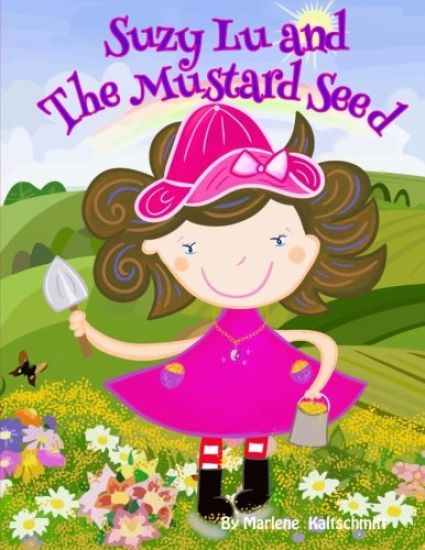
Suzy Lu and The Mustard Seed: How a little faith can bring our dreams come true.
Marlene Kaltschmitt
Createspace Independent Publishing Platform
2014
nidottu

Safetea-Lu 1808: CMAQ Evaluation and Assessment: Phase I Final Report
U. S. Department of Transportation
Createspace Independent Publishing Platform
2015
nidottu

Safetea-Lu 1808: CMAQ Evaluation and Assessment: Phase II Final Report
U. S. Department of Transportation
Createspace Independent Publishing Platform
2015
nidottu
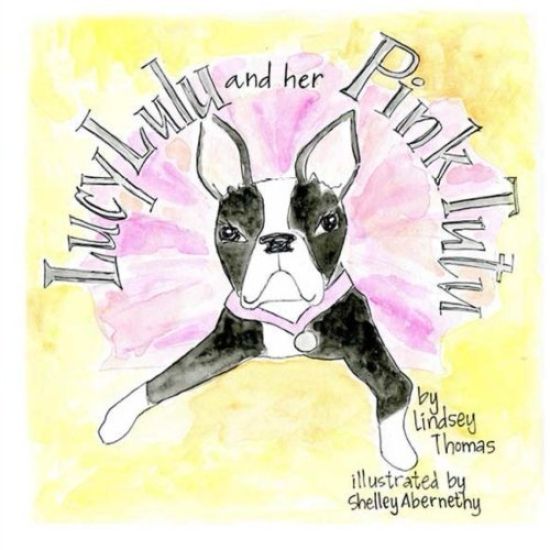
Lucy Lu Lu and Her Pink Tutu
Lindsey M. Thomas
Createspace Independent Publishing Platform
2015
nidottu
Lucy Lu Lu is a small dog with big adventures. Follow her on her many journeys as she explores her imaginary travels.
Granny Lu: Large Print Version
Evelyn Baughman
Createspace Independent Publishing Platform
2015
nidottu
Granny Lu: Large Print Version
Evelyn Baughman
Createspace Independent Publishing Platform
2015
nidottu
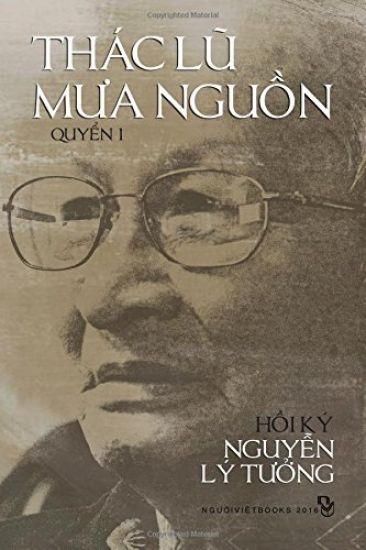
Sau bien co 30 thang 4 nam 1975, toi bi bat buoc trinh dien Uy Ban Quan Quan thanh pho Sai Gon va phai vao nha tu duoc menh danh la trai "hoc tap cai tao" gan 13 nam. Toi da trai qua cac trai tu "cai tao" cua Cong San Viet Nam tu Nam chi Bac nhu Long Thanh, Thu Duc, Ha Tay, Nam Ha. Dac biet, ba lan bi cum mot chan trong nha ky luat trai Ha Tay va Nam Ha va 7 thang biet giam tai nha tu Hoa Lo (Ha Noi). Voi niem tin ton giao, toi chap nhan hoan canh luu day biet xu nay va pho thac cuoc doi toi cho Thien Chua la Dang tao dung va an bai moi su trong vu tru. Toi tin tuong vao loi Kinh Thanh "nguoi mo thi khong ai dong lai duoc" cuoi cung, ngay 13 thang 2 nam 1988, toi duoc ra khoi nha tu va duoc tro ve voi gia dinh.
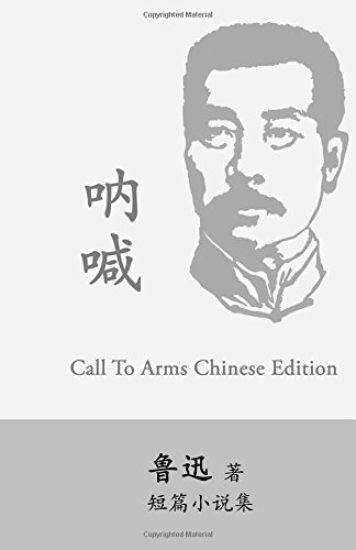
Call to Arms: Na Han by Lu Xun (Lu Hsun)
Xun Lu
Createspace Independent Publishing Platform
2016
nidottu
Call To Arms(Scream)-Lu Xun's first short fiction collection contains 14 short stories, including A Madman's Diary, Kong Yi-ji, Medicine, Tomorrow, A Small Incident, Storm in a Teacup, My Old Home, The True Story of Ah Q, etc. Lu Xun, formerly also romanized Lu Hs n, was the pen name of Zhou Shuren (25 September 1881 - 19 October 1936), a leading figure of modern Chinese literature. Writing in Vernacular Chinese as well as Classical Chinese, Lu Xun was a short story writer, editor, translator, literary critic, essayist, and poet. In the 1930s he became the titular head of the League of Left-Wing Writers in Shanghai.
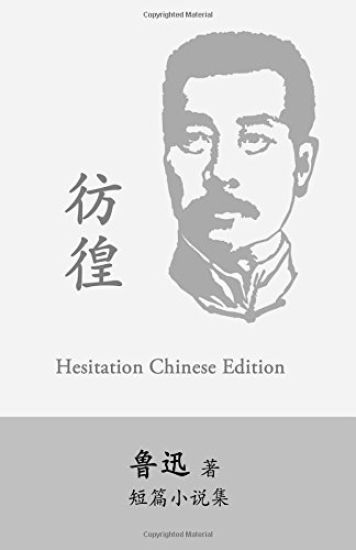
Hesitation: Pang Huang by Lu Xun (Lu Hsun)
Xun Lu
Createspace Independent Publishing Platform
2016
nidottu
Hesitation is a collection of 11 short stories. Wrote by Lu Xun, from 1924 to 1925. Lu Xun, formerly also romanized Lu Hs n, was the pen name of Zhou Shuren (25 September 1881 - 19 October 1936), a leading figure of modern Chinese literature. Writing in Vernacular Chinese as well as Classical Chinese, Lu Xun was a short story writer, editor, translator, literary critic, essayist, and poet. In the 1930s he became the titular head of the League of Left-Wing Writers in Shanghai.
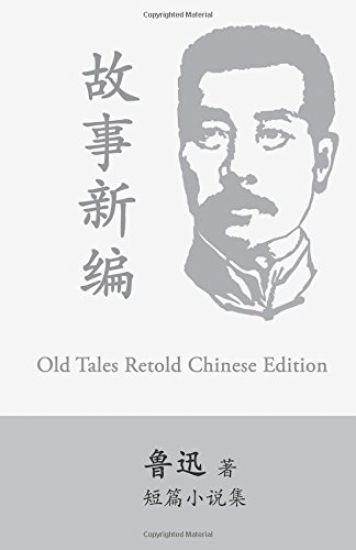
Old Tales Retold: By Lu Xun (Lu Hsun)
Xun Lu
Createspace Independent Publishing Platform
2016
nidottu
Old Tales Retold is Lu Xun's third novel collection, containing eight myth and historic legends novels from 1922 to 1935. The works adhere to Lu Xun's writing style, humorous and sarcastic. Lu Xun, formerly also romanized Lu Hs n, was the pen name of Zhou Shuren (25 September 1881 - 19 October 1936), a leading figure of modern Chinese literature. Writing in Vernacular Chinese as well as Classical Chinese, Lu Xun was a short story writer, editor, translator, literary critic, essayist, and poet. In the 1930s he became the titular head of the League of Left-Wing Writers in Shanghai.
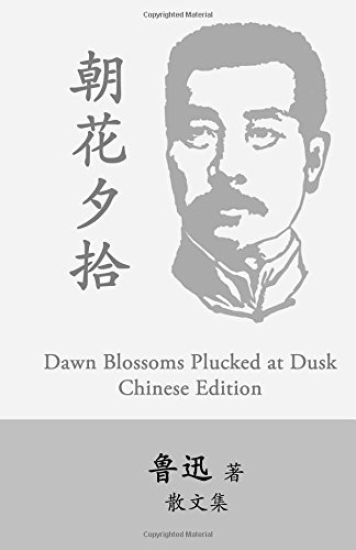
Dawn Blossoms Plucked at Dusk: Zhao Hua XI Shi by Lu Xun (Lu Hsun)
Xun Lu
Createspace Independent Publishing Platform
2016
nidottu
Dawn Blossoms Plucked at Dusk-Lu Xun's only one collection of essays, contains 10 short stories, he recounts the stories of his childhood and youth in Shaoxing, Nanjing, and studies in Japan. Lu Xun, formerly also romanized Lu Hs n, was the pen name of Zhou Shuren (25 September 1881 - 19 October 1936), a leading figure of modern Chinese literature. Writing in Vernacular Chinese as well as Classical Chinese, Lu Xun was a short story writer, editor, translator, literary critic, essayist, and poet. In the 1930s he became the titular head of the League of Left-Wing Writers in Shanghai.
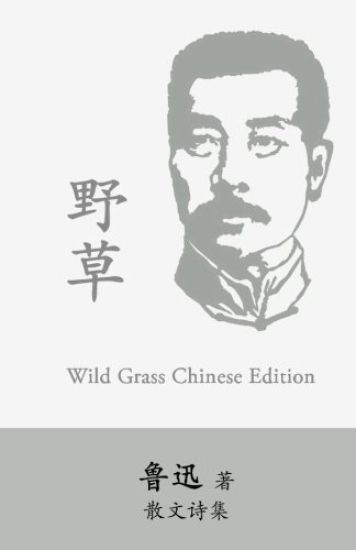
Wild Grass: Yecao, Weeds by Lu Xun (Lu Hsun)
Xun Lu
Createspace Independent Publishing Platform
2016
nidottu
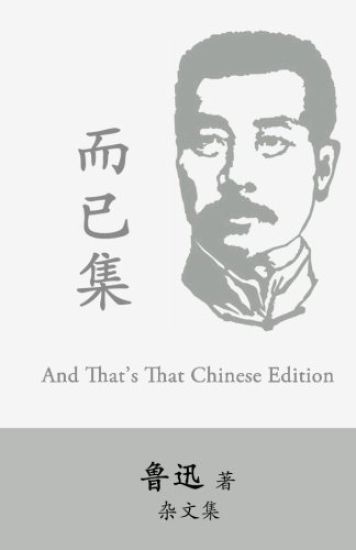
And That's That: Eryi Ji by Lu Xun (Lu Hsun)
Xun Lu
Createspace Independent Publishing Platform
2016
nidottu
And That's That (Eryi Ji)-Lu Xun's one collection of essays, contains 29 short stories, original published in 1927. Lu Xun, formerly also romanized Lu Hs n, was the pen name of Zhou Shuren (25 September 1881 - 19 October 1936), a leading figure of modern Chinese literature. Writing in Vernacular Chinese as well as Classical Chinese, Lu Xun was a short story writer, editor, translator, literary critic, essayist, and poet. In the 1930s he became the titular head of the League of Left-Wing Writers in Shanghai.

Er Xin Ji: Two Hearts by Lu Xun (Lu Hsun)
Xun Lu
Createspace Independent Publishing Platform
2016
nidottu
Er Xin Ji (Two Hearts)-Lu Xun's one collection of essays, contains 37 essays, wrote from 1930 to 1931. First published in 1933. Lu Xun, formerly also romanized Lu Hs n, was the pen name of Zhou Shuren (25 September 1881 - 19 October 1936), a leading figure of modern Chinese literature. Writing in Vernacular Chinese as well as Classical Chinese, Lu Xun was a short story writer, editor, translator, literary critic, essayist, and poet. In the 1930s he became the titular head of the League of Left-Wing Writers in Shanghai.
Randy Lu Pastel And Watercolor Paintings-2016
Randy Lu
Createspace Independent Publishing Platform
2016
nidottu
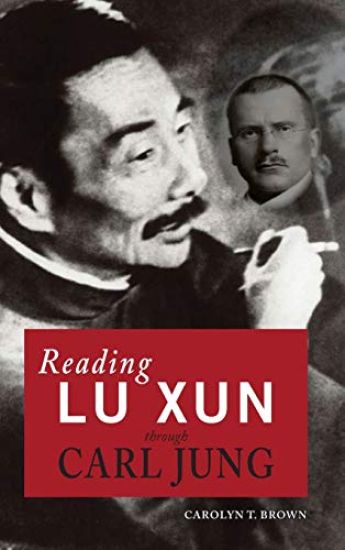
This book is in the Cambria Sinophone World Series, headed by Victor Mair (University of Pennsylvania).Lu Xun, a founder of modern Chinese literature, lived through a pivotal moment in Chinese history. He attributed his motivation for a career in literature to his desire to cure the spirits of the Chinese people. Given Lu Xun's explicit ambition to address China's historical crisis, scholars have addressed in great depth his contributions to Chinese intellectual and literary history and probed his short stories as expressions of his ambition to help solve China's crisis. He has been perceived as both an agent of change and an embodiment of his time. Yet generally scholars have not queried the psychological dimensions of his self-appointed task. If he imagined that curing spirits might even be possible, it would seem that he might have had at least an implicit psychological model of the disease, its causes, a process for healing it, and a vision of the cured state. Did he?Scholars who study Lu Xun's modern short stories have usually focused on the content and used the stories to understand Lu Xun the writer or to sheds light on his times; they have attended to the structure only to the degree that it illuminates these concerns. This study executes a reversal, decentering the content and focusing on the structure as a primary means to understand the texts, and it seeks to understand the Lu Xun who presents himself through his work, not Lu Xun the full human being. The structure that emerges from a close reading of the stories does indeed present an implicit therapeutic model. Carl Jung's theories of the normative human self articulate with some precision Lu Xun's implicit vision of spiritual cure. Jung, one of three key founders of modern Western psychology, grounded his understanding of the human psyche in personal self-scrutiny and extensive clinical practice, and so his theories offer a validated psychological model for interpreting the textual evidence.Reading Lu Xun Through Carl Jung thus deploys a new methodology and proposes a new model for interpreting Lu Xun's two collections of modern short stories. The study demonstrates that in fact Lu Xun had a clear but implicit model of spiritual healing and cure. He began with the assumption that this psycho-dynamic paradigm might apply in all arenas of Chinese life and so tested out this premise imaginatively through his stories. The conclusion embedded in his fiction is that in the domains of nation and community, healing would not be possible without revolutionary change, but that healing was possible, although hardly likely, within the confines of family and the self. Viewing the stories of Call to Arms and Wandering through this lens often yields important new insights about individual stories. Even when it does not, the approach draws attention to the commonalities disguised by the great variety of plots, characters, and narrative strategies. Further, this approach incorporates and generalizes the more limited way of viewing the stories in terms of class analysis, and it complements the historical and biographical discussion of these works. This book will appeal to scholars in Asian studies, comparative literature, and psychology.